Kratom Constipation: 7 Practical Ways to Ease Discomfort
Faust
Derived from the leaves of the Mitragyna speciosa tree, kratom is celebrated by many for its versatile effects, ranging from stimulation at lower doses to relaxation at higher ones. However, alongside its benefits, some users experience an uncomfortable side effect: kratom constipation. This digestive issue can be frustrating, especially for those who rely on kratom for its therapeutic properties.
Understanding why this happens and how to manage it can help users maintain their wellness routines without discomfort. Constipation from kratom use is not uncommon, but it doesn’t have to derail your experience with this plant medicine. By exploring the causes of kratom constipation and adopting practical remedies, you can continue to enjoy kratom’s benefits while keeping your digestive system balanced.
Why Does Kratom Cause Constipation?
Kratom’s effects on the body stem from its active compounds, primarily mitragynine and 7-hydroxymitragynine. These alkaloids interact with the body’s opioid receptors, which are found not only in the brain but also in the gastrointestinal tract. This interaction can slow the movement of food and waste through the digestive system, leading to constipation. When the intestines move more slowly, the colon absorbs more water from the stool, making it harder and more difficult to pass. This mechanism is similar to how traditional opioids, like morphine, affect digestion, though kratom’s impact is generally milder.
The degree of constipation often depends on the dosage and frequency of kratom use. Higher doses, particularly of red vein kratom strains known for their sedative and pain-relieving properties, are more likely to slow digestion. In contrast, white vein strains, which tend to be more stimulating, may have a lesser impact on bowel movements. Individual physiology also plays a role. Some users may experience constipation after just a few doses, while others may use kratom regularly without issue. Factors like diet, hydration, and activity level can further influence how kratom affects your digestive system.
Another contributing factor is kratom’s potential diuretic effect. Some users report increased urination, which can lead to dehydration if fluid intake isn’t adjusted. Dehydration reduces the moisture available to the intestines, resulting in harder stools. For those incorporating kratom into their daily routine, understanding these mechanisms is the first step toward preventing discomfort.
The Impact of Kratom Constipation on Daily Life
Constipation can be more than a minor inconvenience. For kratom users, infrequent or painful bowel movements can lead to bloating, abdominal discomfort, and a general sense of sluggishness. These symptoms can interfere with daily activities, from work to exercise, and may even discourage users from continuing with kratom despite its benefits. Left unaddressed, chronic constipation could lead to complications like hemorrhoids or intestinal blockages, though these are rare with responsible kratom use.
The timing of kratom constipation varies. Some users notice symptoms within a day or two of starting kratom, especially if they begin with higher doses. Others may only experience issues after prolonged use, as the body adjusts to regular exposure to kratom’s alkaloids. Paying attention to your body’s signals is crucial. If you notice fewer than three bowel movements per week, hard stools, or straining during bowel movements, these may be signs of kratom-related constipation.
For many, the challenge lies in balancing kratom’s positive effects with its digestive drawbacks. The good news is that with mindful habits and natural remedies, you can mitigate this side effect without abandoning kratom altogether. Below, we explore seven practical strategies to prevent and relieve kratom constipation, helping you maintain comfort and well-being.
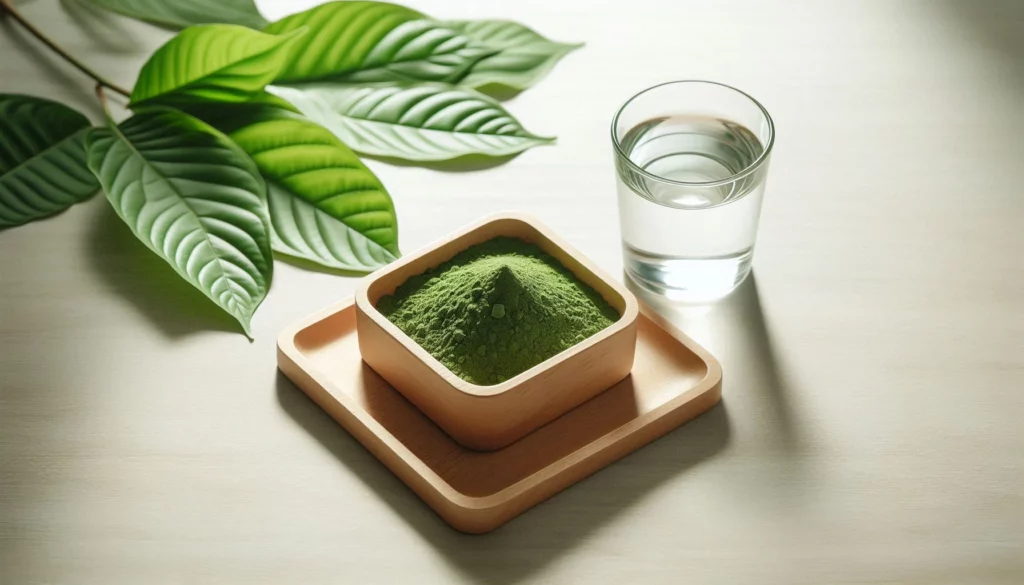
Kratom elegance: A wooden bowl of powder beside a glass of water and lush leaves.
Hydration: The Foundation of Digestive Health
Water is essential for healthy digestion, and its importance cannot be overstated when using kratom. Kratom’s potential diuretic properties mean that users may need to drink more water than usual to stay hydrated. Without adequate hydration, the intestines struggle to move waste efficiently, leading to harder stools and kratom constipation.
Aim to drink at least 2 to 3 liters of water daily, depending on your body size, activity level, and climate. In Canada’s colder months, it’s easy to overlook hydration, but keeping a water bottle nearby can serve as a reminder. Herbal teas, such as peppermint or ginger, can also contribute to your fluid intake while soothing the digestive tract. Avoid sugary drinks or excessive caffeine, as these can worsen dehydration and exacerbate constipation.
To make hydration a habit, try setting reminders on your phone or incorporating water-rich foods into your diet. Fruits like watermelon, oranges, and cucumbers are excellent choices, as they provide both hydration and fiber. By prioritizing water intake, you create a foundation for smoother digestion and reduce the likelihood of kratom-related constipation.
Fiber: Nature’s Solution for Smooth Digestion
A diet rich in fiber is one of the most effective ways to combat kratom constipation. Fiber adds bulk to stool, making it easier to pass, and stimulates the intestines to move waste along. There are two types of fiber: soluble, which absorbs water to form a gel-like substance, and insoluble, which adds bulk and speeds up transit time. Both are beneficial for preventing constipation.
Incorporate fiber-rich foods like whole grains, fruits, vegetables, and legumes into your meals. Oats, apples, spinach, and lentils are excellent sources of soluble fiber, while whole wheat bread, broccoli, and almonds provide insoluble fiber. Aim for 25 to 30 grams of fiber daily, but increase your intake gradually to avoid bloating or gas. For example, adding a serving of chia seeds to your morning smoothie or snacking on carrots can boost your fiber intake without overwhelming your system.
Be mindful not to overdo fiber, especially if your diet is already high in carbohydrates. Excessive fiber without adequate water can worsen constipation, as it may make stools too bulky. Pairing fiber with hydration ensures that your digestive system runs smoothly, counteracting the slowing effects of kratom.
Probiotics: Supporting Gut Health Naturally
The gut microbiome plays a vital role in digestion, and probiotics can help maintain its balance. These beneficial bacteria promote regular bowel movements and soften stools, making them easier to pass. Kratom constipation may disrupt the gut’s natural flora, so incorporating probiotics can be a game-changer for many users.
Fermented foods like yogurt, kefir, sauerkraut, and kimchi are rich in probiotics and can be easily added to your diet. For example, a bowl of yogurt with fresh fruit makes a nutritious breakfast, while a side of sauerkraut can complement a savory meal. If you prefer supplements, look for a high-quality probiotic with strains like Lactobacillus or Bifidobacterium, which are known to support digestive health.
Consistency is key with probiotics. It may take a few weeks of regular consumption to notice improvements in bowel regularity. By nurturing your gut microbiome, you create an environment that supports healthy digestion, even when using kratom.
A lone hiker journeys along a winding stone trail amid morning mountain glow.
Exercise: Keeping Things Moving
Physical activity is a natural way to stimulate the digestive system and prevent kratom constipation. Exercise promotes peristalsis, the rhythmic contractions of the intestines that move waste through the body. Even moderate activity can make a significant difference in bowel regularity.
Aim for at least 30 minutes of movement most days of the week. Activities like walking, jogging, yoga, or cycling are excellent choices. Yoga, in particular, includes poses like the seated twist or child’s pose that gently massage the digestive organs, encouraging bowel movements. In Canada’s urban centers or scenic trails, a daily walk can double as a way to stay active and enjoy your surroundings.
If your schedule is tight, small changes like taking the stairs or doing a quick stretch session can still help. The key is to stay consistent, as regular movement supports not only digestion but also overall well-being, enhancing kratom’s mood-boosting effects.
Natural Laxatives: Gentle Relief When Needed
When hydration, fiber, probiotics, and exercise aren’t enough, natural laxatives can provide gentle relief from kratom constipation. Unlike over-the-counter laxatives, which can be harsh and lead to dependency, natural options work more gently with your body.
Prunes and prune juice are well-known for their laxative effects, thanks to their high fiber content and natural compounds like sorbitol. Flaxseeds and chia seeds are also effective, as they form a gel in the gut that promotes bowel movements. Aloe vera juice, when consumed in moderation, can soothe the digestive tract and encourage regularity. Start with small amounts to see how your body responds, and always pair these remedies with plenty of water to maximize their effectiveness.
Use natural laxatives sparingly, as overuse can disrupt your body’s natural rhythms. If constipation persists despite these efforts, it may be time to consult a healthcare professional to rule out underlying issues.
Adjusting Kratom Use: Finding the Right Balance
Sometimes, the simplest way to address kratom constipation is to adjust how you use the plant. Dosage, strain, and frequency all influence how kratom affects your digestion. Higher doses, especially of red vein strains, are more likely to cause constipation due to their stronger opioid-like effects. Switching to a green or white vein strain, which are typically less sedating, may reduce digestive slowdown.
Start with a lower dose and gradually increase it to find the minimum effective amount for your needs. Taking breaks from kratom, such as using it only a few days a week, can also give your digestive system a chance to reset. Rotating strains may prevent your body from becoming too accustomed to one type, potentially reducing side effects.
Keep a journal to track your kratom use and bowel habits. This can help you identify patterns and make informed adjustments. By using kratom mindfully, you can enjoy its benefits while minimizing discomfort.
Listening to Your Body: When to Seek Help
While the strategies above can effectively manage kratom constipation for most users, it’s important to know when to seek professional help. If constipation persists for more than a week, is accompanied by severe pain, or includes symptoms like blood in the stool, consult a healthcare provider. These could indicate an underlying condition unrelated to kratom use.
When discussing kratom with your doctor, be open about your usage, including dosage and frequency. This helps them provide tailored advice and rule out potential interactions with other medications. In Canada, where kratom is legal but not regulated as a medical product, healthcare providers may not be familiar with its effects, so sharing detailed information is key.
A “Kratom Notes” journal surrounded by pens and natural leaves.
Frequently Asked Questions About Kratom Constipation
Q: How long does kratom constipation typically last? A: The duration of kratom constipation depends on factors like dosage, frequency of use, and lifestyle habits. For some, symptoms may appear within a day or two of starting kratom and resolve quickly with remedies like hydration and fiber. For others, especially those using higher doses regularly, constipation may persist until kratom use is adjusted or digestive habits improve. If symptoms last longer than a week despite remedies, consult a healthcare professional.
Q: Are there specific foods to avoid to prevent kratom constipation? A: Certain foods can worsen constipation when using kratom. Processed foods, such as white bread, pastries, and fast food, are low in fiber and can slow digestion. Dairy products like cheese and milk may also contribute to harder stools for some people. Limiting these foods and focusing on fiber-rich, whole foods can help maintain regular bowel movements and reduce the risk of kratom constipation.
Q: Can kratom constipation be a sign of overuse or dependency? A: While kratom constipation is a common side effect, persistent or severe symptoms could indicate overuse, especially if you’re taking high doses daily. Regular use without breaks may lead to tolerance, increasing the likelihood of side effects like constipation. Taking periodic breaks, lowering your dose, or rotating strains can help prevent overuse and keep side effects manageable. If you’re concerned about dependency, discuss your usage with a healthcare provider.
Q: Is it safe to combine multiple remedies for kratom constipation at once? A: Combining remedies like hydration, fiber, probiotics, and exercise is generally safe and often more effective than relying on a single approach. However, introduce changes gradually to avoid overwhelming your system. For example, increasing fiber too quickly without enough water can cause bloating. If using natural laxatives, start with small amounts and avoid combining multiple types simultaneously to prevent diarrhea. Always listen to your body and consult a professional if unsure.
Conclusion
Managing kratom constipation is about more than addressing a single side effect; it’s about creating a holistic approach to your wellness routine. By combining hydration, a fiber-rich diet, probiotics, exercise, natural laxatives, and mindful kratom use, you can minimize discomfort and maximize the benefits of this plant medicine. Each person’s body responds differently, so experiment with these strategies to find what works best for you.
By addressing side effects like constipation proactively, you can enjoy kratom’s benefits without compromising your comfort. As you integrate these remedies into your routine, share your experiences with the kratom community. Online forums and social platforms are rich with insights from other users, offering tips and encouragement. Your journey with kratom is unique, but you’re not alone in navigating its challenges and rewards.
Disclaimer
The information provided in this blog is intended for informational purposes only. It is not a substitute for professional medical advice, diagnosis, or treatment. Kratom (Mitragyna speciosa) is not approved by Health Canada or the U.S. Food and Drug Administration (FDA) for medical use, and its safety, efficacy, and long-term effects have not been fully studied or established.
Always consult a qualified healthcare professional before using kratom or any other supplement, especially if you have pre-existing medical conditions, are pregnant or breastfeeding, or are taking medications or other substances. Kratom may interact with medications or exacerbate certain health conditions, and its use carries potential risks, including but not limited to constipation, dehydration, dependency, or other side effects.
The author and publisher of this blog are not liable for any adverse effects, injuries, or consequences resulting from the use of kratom or the application of the information provided. Users are responsible for researching and understanding the legal status of kratom in their region, as regulations may vary.
On February 16, 2026, select provinces will observe regional holidays.
Canada Post will operate as normal and all shipments will be processed as usual.
FedEx will be closed in Prince Edward Island (Islander Day); Alberta, British Columbia, Ontario, Saskatchewan, and New Brunswick (Family Day); Manitoba (Louis Riel Day); and Nova Scotia (Heritage Day). FedEx shipments to these provinces will move the next business day.