



Across online forums, private Facebook groups, and local meetups, the kratom community brings together individuals passionate about Mitragyna speciosa, a botanical from Southeast Asia that’s sparking global curiosity. This dynamic network serves as a vital resource where users connect, share knowledge, and support each other through the complexities of exploring this traditional plant. From practical strain recommendations to advocacy against regulatory challenges, the kratom community offers camaraderie, education, and collective wisdom that’s essential for anyone navigating this evolving landscape.
What Makes the Kratom Community Unique
At its core, the kratom community is a tapestry woven from diverse threads: users, advocates, researchers, and even skeptics, all united by their interest in a plant native to Southeast Asia. Unlike many other botanical or wellness communities, the kratom community stands out for its resilience and adaptability. It thrives in the face of regulatory challenges, misinformation, and varying public perceptions, creating a space where individuals can openly discuss their experiences without judgment.
Diversity Across All Walks of Life
The community’s uniqueness lies in its inclusivity. Members come from all walks of life such as students, professionals, parents, and retirees, each bringing their own perspectives and reasons for engaging with kratom. Some turn to it for its potential to support mental health and wellness, others for its cultural significance, and many for its role in their personal health journeys. This diversity fosters rich conversations, as members share stories that range from practical tips to deeply personal transformations.
Unmatched Mutual Support System
Another defining feature is the community’s commitment to mutual support. Kratom groups, whether online or in-person, are built on the principle of helping one another. Newcomers often find experienced members eager to guide them, offering advice on everything from strain selection to responsible usage practices. This sense of camaraderie creates a safe haven where questions are welcomed, and experiences are validated.
Resilience Against Regulatory Challenges
The kratom community demonstrates remarkable resilience against ongoing regulatory challenges. Despite legal battles, FDA scrutiny, and varying state laws, members continue to advocate for responsible access. This adaptability through decentralized online forums, grassroots advocacy, and alternative communication channels sets kratom communities apart from more fragile botanical groups.
The Role of Online Kratom Communities
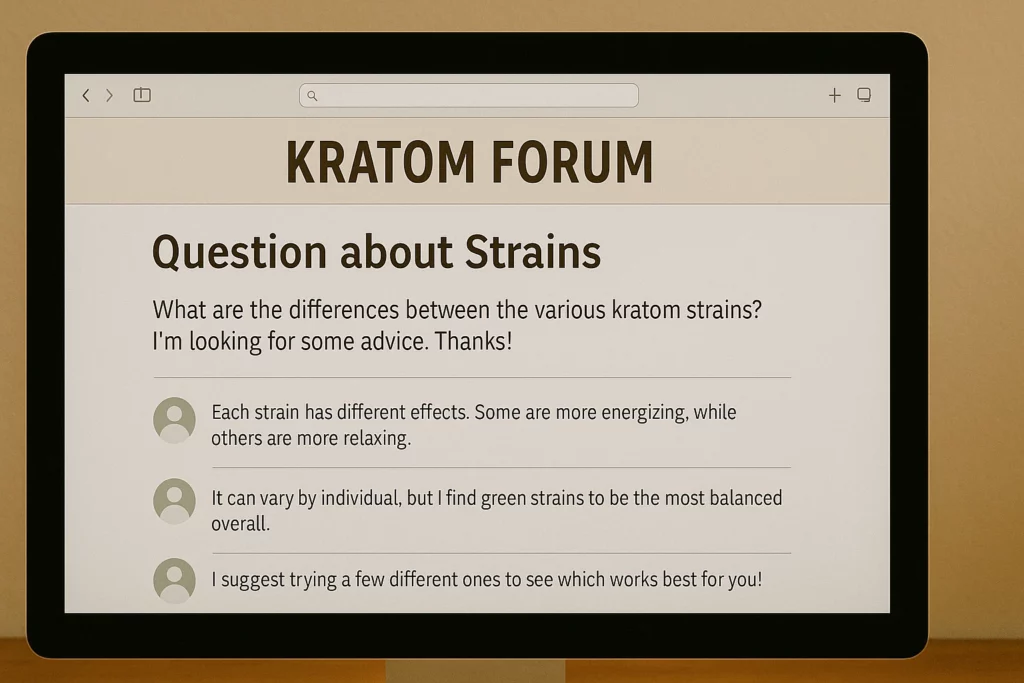
In today’s digital age, online platforms are the heartbeat of the kratom community. Forums like Reddit, private Facebook groups, and dedicated websites serve as virtual meeting places where people from around the world can connect. These platforms are more than just discussion boards; they’re dynamic ecosystems where knowledge is shared, myths are debunked, and friendships are formed.
Top Online Kratom Community Platforms
Reddit Subreddits:
- r/kratom (800K+) – General discussion, vendor reviews, strain tips
- r/quittingkratom – Recovery support and tapering strategies
Facebook Private Groups:
- Intimate support circles (50K+ members)
- Personal Q&A with experienced users
- Vendor warnings and safety alerts
Dedicated Forums:
- In-depth research discussions
- Strain alkaloid testing results
- Long-term user experiences
Online communities also play a crucial role in disseminating information. With kratom’s legal status varying across regions, members often share updates on legislative changes, helping others stay informed about potential bans or regulations. This real-time exchange of information empowers users to make informed decisions and advocate for their rights.
Local Kratom Groups and In-Person Connection
While online communities offer global reach, local kratom groups provide a sense of belonging that’s rooted in physical presence. In cities and towns where kratom is popular, enthusiasts often organize meetups, workshops, or informal gatherings. These events allow members to connect face-to-face, fostering deeper relationships and a stronger sense of community.
Local groups often serve as hubs for education and advocacy. For example, a meetup might feature a guest speaker discussing the botanical’s history or a workshop on safe preparation techniques. These events are particularly valuable for newcomers who may feel overwhelmed by the volume of information online. Meeting others in person can demystify kratom, providing a human connection that makes the learning process more approachable.
In areas where kratom faces legal scrutiny, local groups also become a rallying point for advocacy. Members may organize letter-writing campaigns, attend town hall meetings, or engage with policymakers to share their perspectives. These efforts not only strengthen the community but also amplify its voice in shaping the future of kratom’s accessibility.
Education as the Cornerstone of the Kratom Community
Core Kratom Education Topics
Essential Beginner Knowledge:
- Strain Differences: Red veins (relaxation) vs White veins (energy)
- Dosage Guidelines: Starting low (1-2g), monitoring effects
- Safe Sourcing: Lab-tested vendors, GMP certification
Safety & Responsibility:
- Rotation schedules to prevent tolerance
- Hydration importance during use
- Dependence awareness and prevention strategies
Critical Thinking Skills:
- Vendor claim verification methods
- Lab report interpretation
- Regulatory update tracking
Advocacy and the Fight for Access
The kratom community is not just about sharing knowledge; it’s also a powerful force for advocacy. In many regions, kratom’s legal status is uncertain, with some governments considering bans due to concerns about safety or misuse. Community members, aware of the plant’s significance in their lives, actively work to protect access through organized efforts.
Advocacy groups like the American Kratom Association (AKA) often collaborate with community members to promote fair regulations. These organizations provide resources, such as templates for contacting legislators or updates on proposed laws, empowering individuals to take action. Community members may share personal stories with policymakers, highlighting how kratom has positively impacted their lives. These narratives humanize the debate, countering stereotypes and emphasizing the plant’s potential benefits.
The community’s advocacy efforts extend beyond legislation. Members also work to educate the public, challenging misconceptions about kratom. By sharing their experiences on social media, blogs, or podcasts, they aim to shift public perception and foster a more balanced conversation about the plant.
Support for Diverse Needs
Wellness & Focus Support
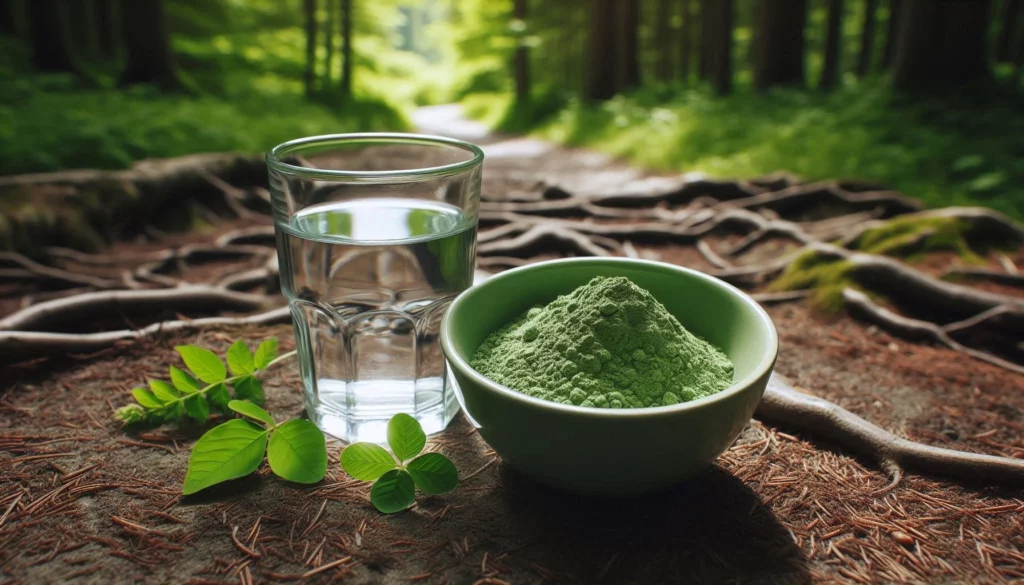
For some, kratom is a stress management tool or to help enhance focus. Community groups offer a wealth of practical advice. Members might share recipes for kratom tea, discuss blending techniques, or recommend ways to incorporate the plant into a daily routine. These tips help users customize their experience to their goals, whether it’s boosting energy or promoting relaxation.
Recovery & Pain Management
For others, it’s a way to navigate more complex challenges, such as chronic pain or recovery from substance use. The community provides a nonjudgmental space to share their journeys. Groups dedicated to recovery often focus on strategies for moderating use, managing withdrawal symptoms, or transitioning to other forms of support. These discussions are grounded in empathy, as members understand the challenges of navigating recovery.
Tapering & Cessation Guidance
The community also supports those who choose to step away from kratom. Recovery-focused groups offer guidance for tapering use or addressing dependence. These spaces emphasize compassion, ensuring that members feel supported regardless of their choices. Members share proven strategies for responsible reduction and withdrawal management.
The Power of Personal Stories
Personal stories are the heartbeat of the kratom community. Whether shared in a Reddit thread, a Facebook post, or a local meetup, these narratives create a sense of connection and understanding. They remind members that they’re not alone in their experiences, encouraging a sense of solidarity that transcends geographic boundaries.
For many, sharing their story is a form of empowerment. A user might describe how kratom helped them regain control over their life, offering inspiration to others facing similar challenges. These stories also serve as a counterpoint to negative media portrayals, highlighting the plant’s potential benefits when used responsibly.
The community encourages respectful storytelling, urging members to be honest about both positive and negative experiences. This transparency builds trust, ensuring that newcomers receive a balanced perspective. By sharing openly, members contribute to a culture of authenticity that strengthens the community as a whole.
Navigating Challenges in the Kratom Community
While the kratom community is a source of strength, it’s not without challenges. Misinformation within the community from both from external sources can create confusion. Some users may encounter exaggerated claims about kratom’s effects, while others may face biased narratives that paint the plant as dangerous. Community members work to address these issues by promoting critical thinking and encouraging reliance on reputable sources.
Another challenge is the risk of commercialization. As kratom’s popularity grows, some vendors may prioritize profit over quality, leading to concerns about product safety. The community counters this by emphasizing the importance of choosing vendors who adhere to good manufacturing practices and provide transparent testing results.
Social media censorship also poses a hurdle. Platforms like Facebook and Instagram sometimes restrict kratom-related content, limiting the community’s ability to share information. In response, members have turned to alternative platforms or private groups, ensuring that the conversation continues despite these barriers.

FAQ: Understanding the Kratom Community
Q: What is the kratom community, and who participates in it?
A: The kratom community is a diverse group of individuals interested in Mitragyna speciosa, a plant known as kratom. Participants include users, advocates, newcomers, and those curious about its cultural or wellness applications. From online forums to local meetups, members range from students to professionals, united by a shared interest in learning and supporting one another.
Q: How can I find a reputable kratom community to join?
A: Look for active, moderated platforms like Reddit subreddits, private Facebook groups, or dedicated forums with clear guidelines. Reputable communities prioritize respectful dialogue, fact-based discussions, and transparency. Local meetups can be found through community boards or advocacy groups, ensuring you connect with trustworthy members.
Q: Why is the kratom community important for newcomers?
A: The kratom community offers newcomers a welcoming space to learn about safe usage, strain differences, and sourcing tips. Experienced members share practical advice and personal experiences, helping beginners navigate kratom confidently while avoiding misinformation and fostering a sense of belonging.
Q: How does the kratom community address misinformation about kratom?
A: Members actively combat misinformation by promoting critical thinking and sharing reliable resources. They encourage verifying vendor claims, understanding regional regulations, and discussing real experiences. This collective effort helps ensure the kratom community remains a trusted source of accurate information.
Q: Can the kratom community help with advocacy efforts?
A: Yes, the kratom community is a powerful advocate for responsible access. Members collaborate with organizations like the American Kratom Association, sharing personal stories, contacting legislators, and educating the public to influence fair regulations and challenge misconceptions.
Q: How do online and in-person kratom communities differ?
A: Online communities, like forums and social media groups, offer global access and real-time information exchange, ideal for broad discussions. In-person groups, such as local meetups, provide face-to-face connection, workshops, and advocacy opportunities, fostering deeper personal bonds within the kratom community.
Q: What role do personal stories play in the kratom community?
A: Personal stories are central, creating connection and trust. Members share experiences about kratom’s impact, from wellness benefits to recovery journeys, inspiring others and countering stigma. These narratives foster authenticity and strengthen the community’s supportive culture.
Conclusion: Building a Stronger Future Together
The kratom community is more than a collection of individuals; it’s a movement built on shared values of support, education, and advocacy. By coming together, members create a powerful network that amplifies their voices and strengthens their impact. Whether through online discussions, local events, or advocacy efforts, the community is shaping the future of kratom in meaningful ways.
For those new to kratom, joining a community can be a transformative experience. It offers a chance to learn from others, ask questions, and find a sense of belonging. For knowledgeable users, the community provides an opportunity to give back, share wisdom, and advocate for a cause they believe in.
As the kratom community continues to grow, its potential to educate, support, and inspire only deepens. By developing a connection and empowering its members, the community ensures that kratom remains a topic of open, informed, and compassionate dialogue. Whether you’re exploring kratom for the first time or seeking to deepen your understanding, the kratom community welcomes you with open arms, ready to share its collective wisdom and unwavering support.
Disclaimer
The information provided in this blog post is for informational purposes only and is not intended as medical advice. Kratom (Mitragyna speciosa) is a botanical product that has not been approved by the U.S. Food and Drug Administration (FDA) or Health Canada for any medical use.
The effects, safety, and efficacy of kratom have not been fully evaluated by regulatory authorities, and its use may carry potential risks, including side effects, dependency, or interactions with other substances or medications. Individuals considering kratom should consult a qualified healthcare professional before use, especially if they have pre-existing medical conditions, are pregnant or breastfeeding, or are taking medications.
Always source kratom from reputable vendors who provide transparent testing for purity and safety, and use it responsibly in accordance with local laws and regulations. The author and publisher are not responsible for any adverse effects or consequences resulting from the use of kratom or reliance on the information provided in this blog.