Kratom Capsule Quality: What to Look for in Encapsulated Products
Faust
The quality of kratom capsules is a critical consideration for anyone exploring this plant-based product. As kratom grows in popularity across Canada and beyond, understanding what makes a high-quality encapsulated product is essential. Capsules offer a convenient way to consume kratom, but not all products are created equal. Variations in sourcing, processing, encapsulation, and testing can significantly impact safety, potency, and overall experience. This blog will take a look into the key factors that define kratom capsule quality, empowering you to make informed choices without feeling overwhelmed.
The Importance of Kratom Capsule Quality
The appeal of kratom capsules lies in their ease of use. Unlike loose powder, capsules provide pre-measured doses, eliminating the need for scooping or weighing. However, this convenience comes with a catch: the quality of the capsule can make or break its effectiveness. Poorly made capsules may contain substandard kratom, inconsistent doses, or even contaminants, posing risks to users. High-quality capsules, on the other hand, ensure a reliable and safe experience. By focusing on the elements that contribute to kratom capsule quality, consumers can confidently select products that align with their needs.
Sourcing: The Foundation of Quality
The journey to kratom capsule quality begins with sourcing. Kratom leaves are harvested from Mitragyna speciosa trees, primarily grown in Southeast Asia, including regions like Indonesia, Thailand, and Malaysia. The environment in which these trees grow profoundly influences the alkaloid content of the leaves, which determines kratom’s effects. Soil quality, climate, and farming practices all play a role.
Reputable suppliers prioritize kratom from mature trees, as older leaves tend to have higher alkaloid concentrations, contributing to potency. Sustainable harvesting is equally important. Overharvesting can deplete kratom trees and lead to inconsistent leaf quality. Look for vendors who work directly with farmers committed to ethical and environmentally conscious practices. Transparency about the region of origin, such as Borneo or Bali, can also indicate a supplier’s dedication to quality, as different strains offer unique profiles.
Harvesting and Processing: Preserving Potency
Once harvested, kratom leaves undergo drying and processing, steps that significantly affect capsule quality. Fresh leaves are typically dried indoors or outdoors, depending on the desired strain. For example, red vein kratom is often fermented or dried in specific conditions to enhance its alkaloid profile, while white vein varieties may be dried in sunlight for a different effect. Inconsistent drying methods can lead to uneven alkaloid distribution, resulting in capsules that vary in strength.
Processing involves grinding the dried leaves into a fine powder for encapsulation. High-quality kratom is milled to a consistent texture, ensuring even distribution within capsules. Coarse or uneven grinds can lead to dosing inaccuracies, where one capsule might be significantly stronger or weaker than another. Suppliers prioritizing quality invest in precise grinding equipment and maintain strict standards to avoid contamination during this stage.
Purity and Testing: Ensuring Safety
Safety is a cornerstone of kratom capsule quality. Because kratom is a natural product, it’s susceptible to contaminants like heavy metals, pesticides, or microbial pathogens if not handled properly. Contamination can occur during harvesting, processing, or storage, making rigorous testing essential.
High-quality kratom capsules come from suppliers who conduct third-party lab testing. These tests screen for harmful substances, including lead, arsenic, salmonella, and E. coli, which can pose serious health risks. Lab reports should be accessible to consumers, detailing the absence of contaminants and confirming the alkaloid content. Testing also verifies that the kratom is free from adulterants, such as synthetic additives sometimes used to artificially boost effects. When evaluating capsules, ask whether the supplier provides certificates of analysis from independent labs, as this transparency reflects a commitment to safety.
Green kratom capsules in a bowl alongside a refreshing glass of water on a stylish coffee table.
Encapsulation: The Art of Precision
The encapsulation process itself is a critical factor in kratom capsule quality. Capsules must be filled accurately to ensure consistent dosing, as even slight variations can affect the user’s experience. High-quality capsules are made with precision machinery that measures kratom powder to exact specifications, typically ranging from 0.5 to 1 gram per capsule.
The choice of capsule material also matters. Gelatin capsules, derived from animal products, are common but may not suit vegetarians or those with dietary restrictions. Vegan-friendly capsules, often made from plant-based materials like cellulose, are a preferable option for broader accessibility. Additionally, capsules should be free from additives like fillers or preservatives, which can dilute the kratom’s potency or introduce unwanted substances. Checking the capsule’s composition ensures you’re getting a pure product.
Strain Transparency: Knowing What You’re Getting
Kratom comes in various strains, each with distinct properties based on its alkaloid profile. Common strains include red vein, green vein, and white vein, with blends like Maeng Da or Bali offering further nuances. High-quality kratom capsules clearly indicate the strain and, ideally, its origin. This transparency helps users choose a product aligned with their preferences, whether they seek relaxation, energy, or balance.
Some suppliers blend strains to create unique effects, which can be beneficial if done thoughtfully. However, vague labeling, such as “premium kratom” without specifying the strain, can signal lower quality or inconsistency. Look for capsules that provide detailed information about the kratom’s strain and regional source, as this reflects a supplier’s confidence in their product.
Packaging and Storage: Protecting Freshness
Kratom capsule quality extends beyond the product itself to how it’s packaged, stored and what kind of package material is used. Kratom powder is sensitive to light, heat, and moisture, which can degrade alkaloids over time. High-quality capsules are packaged in airtight, opaque containers to shield them from environmental factors. Vacuum-sealed bags or dark glass jars are ideal, as they prevent oxidation and maintain potency.
Storage practices also matter. Suppliers should store kratom in climate-controlled environments to avoid humidity, which can encourage mold growth. When purchasing capsules, check for packaging that includes resealable features or moisture-absorbing packets to extend shelf life. Proper storage ensures the kratom remains fresh from production to consumption, preserving its quality.
Labeling and Transparency: Building Trust
Clear and accurate labeling is a hallmark of high-quality kratom capsules. Labels should include essential details like the strain, weight per capsule, total capsule count, and batch number. This information allows users to verify dosing and track the product’s origin. Some suppliers also include QR codes linking to lab reports, enhancing transparency.
Misleading labels, such as exaggerated claims about effects or ambiguous terms like “ultra-enhanced,” can indicate lower quality. Regulatory bodies in Canada, like Health Canada, monitor kratom products, so suppliers must avoid unverified claims to remain compliant. Transparent labeling not only ensures compliance but also builds trust with consumers, signaling that the supplier prioritizes integrity.
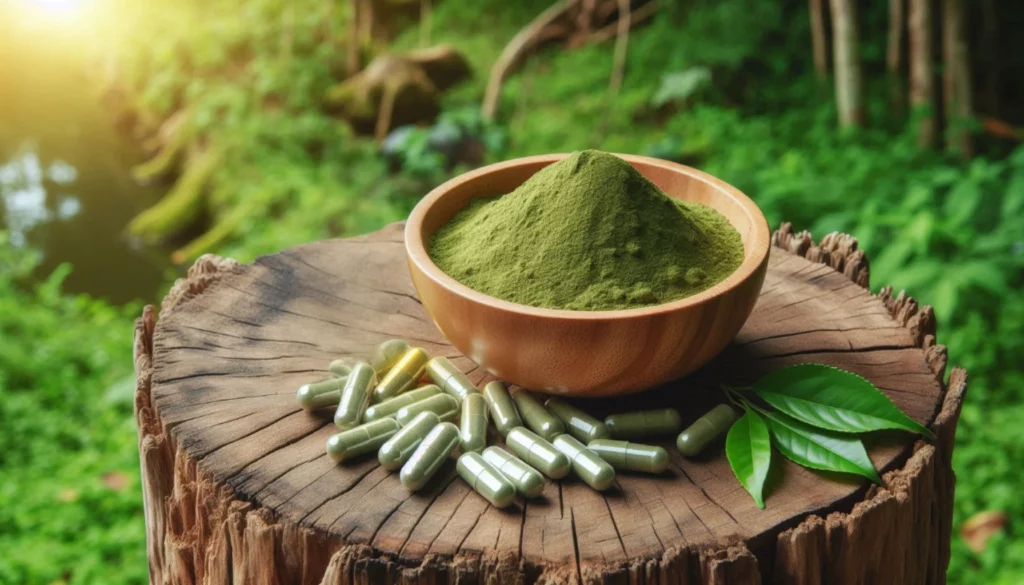
Green kratom powder in a bowl alongside capsules and fresh leaves on a tree stump.
The Role of Vendor Reputation
A supplier’s reputation is a key indicator of kratom capsule quality. Established vendors with positive customer reviews and a history of consistent quality are more likely to deliver reliable products. Researching a supplier’s background, including their sourcing partnerships and commitment to ethical practices, can provide insight into their standards when making a decision to buy kratom in Canada.
Community feedback, such as reviews on forums or social media, can also guide your decision. However, be cautious of overly polished reviews, as they may be biased. Look for vendors who engage openly with customers, address concerns, and provide detailed product information. A reputable supplier is invested in long-term customer satisfaction, not just quick sales.
User Education: Empowering Informed Choices
Understanding kratom capsule quality empowers users to make informed decisions. Beyond the factors discussed, consider your own needs when selecting capsules. For example, beginners may prefer lower-dose capsules, such as 0.5 grams, to gauge their response, while experienced users might opt for higher doses. Always start with a small amount to assess tolerance, as kratom’s effects vary based on individual physiology.
Consulting with knowledgeable vendors or community resources can also enhance your understanding. Many reputable suppliers offer guides or customer support to answer questions about strains, dosing, or storage. By prioritizing education, you can better navigate the complexities of kratom capsule quality and select products that suit your preferences.
Navigating the Market: Practical Tips
When shopping for kratom capsules, keep a few practical tips in mind. First, compare multiple suppliers to assess their transparency and testing practices. Request lab reports if they’re not readily available. Second, start with small purchases to test a vendor’s quality before committing to larger orders. Third, pay attention to customer service; responsive vendors are more likely to stand behind their products.
Price can also be a clue, though not definitive. Extremely cheap capsules may cut corners on quality, while exorbitant prices don’t always guarantee superiority. Aim for a balance, focusing on suppliers who offer fair pricing alongside transparent practices. Finally, store your kratom capsules properly at home, in a cool, dry place, to maintain their quality over time.
The Bigger Picture: Quality as a Priority
Kratom capsule quality is a multifaceted concept, encompassing everything from the soil where the plant grows to the container it’s stored in. By paying attention to sourcing, processing, testing, encapsulation, and vendor practices, you can confidently choose capsules that deliver a safe and consistent experience. Quality isn’t just about the product’s immediate effects; it’s about trust, safety, and sustainability.
As kratom continues to gain traction in Canada, the importance of informed choices cannot be overstated. Whether you’re new to kratom or have been a user for a while, understanding these factors equips you to navigate the market with confidence. High-quality capsules reflect a commitment to excellence, ensuring that every dose meets your expectations.
Open kratom capsule, spilling powder beside a warm cup of tea
Frequently Asked Questions About Kratom Capsule Quality
Q: Why is third-party lab testing important for kratom capsule quality? A: Third-party lab testing verifies that kratom capsules are free from contaminants like heavy metals, pesticides, or bacteria, which can pose health risks. It also confirms the alkaloid content, ensuring the product’s potency and consistency. Independent testing adds a layer of trust, as it shows the supplier prioritizes safety and transparency.
Q: How can I tell if a kratom capsule is made from high-quality kratom? A: Look for capsules from suppliers who disclose the strain, origin, and sourcing practices. High-quality kratom comes from mature trees, is processed with consistent drying and grinding methods, and is tested for purity. Transparent labeling and access to lab reports are strong indicators of quality.
Q: Are vegan capsules better than gelatin capsules for kratom? A: Vegan capsules, often made from cellulose, are not inherently better but are preferable for those with dietary restrictions or ethical concerns. Both types can be high quality if free from fillers and properly sealed. Check the capsule material to ensure it aligns with your preferences.
Q: Can the packaging affect kratom capsule quality over time? A: Yes, packaging plays a crucial role in maintaining kratom capsule quality. Airtight, opaque containers like dark glass jars or vacuum-sealed bags protect the kratom from light, heat, and moisture, which can degrade alkaloids. Resealable packaging helps preserve freshness after opening.
Q: How does ethical sourcing impact kratom capsule quality? A: Ethical sourcing ensures kratom is harvested sustainably, supporting healthy trees and consistent alkaloid profiles. It also promotes fair wages for farmers, contributing to long-term quality and availability. Suppliers committed to ethical practices often reflect this in their transparency and product standards.
Conclusion: Choosing Wisely
Selecting high-quality kratom capsules requires attention to detail, but the effort is worthwhile. By focusing on sourcing, testing, encapsulation, and transparency, you can find products that align with your needs and values. The journey to kratom capsule quality begins with curiosity and ends with informed decisions, empowering you to enjoy kratom safely and effectively. Take the time to research, ask questions, and prioritize quality; your experience will be all the better for it.
Disclaimer
The information provided in this blog about kratom capsule quality is intended for educational purposes only and should not be construed as medical advice, diagnosis, or treatment. Kratom (Mitragyna speciosa) is a botanical product that has not been approved by Health Canada or the U.S. Food and Drug Administration (FDA) for any medical use. The safety and efficacy of kratom have not been fully evaluated by regulatory authorities, and its use may carry potential health risks, including but not limited to side effects such as nausea, dizziness, or dependency with prolonged use.
Consumers should exercise caution and consult a qualified healthcare professional before using kratom, especially if they have pre-existing medical conditions, are taking medications, or are pregnant or breastfeeding. The quality, purity, and potency of kratom capsules can vary widely, and users are responsible for researching and verifying the safety and reliability of any product they choose to consume. The author and publisher are not liable for any adverse effects or consequences resulting from the use of kratom or reliance on the information provided in this blog. Always prioritize safety, adhere to local regulations, and make informed decisions when considering kratom use.
On February 16, 2026, select provinces will observe regional holidays.
Canada Post will operate as normal and all shipments will be processed as usual.
FedEx will be closed in Prince Edward Island (Islander Day); Alberta, British Columbia, Ontario, Saskatchewan, and New Brunswick (Family Day); Manitoba (Louis Riel Day); and Nova Scotia (Heritage Day). FedEx shipments to these provinces will move the next business day.