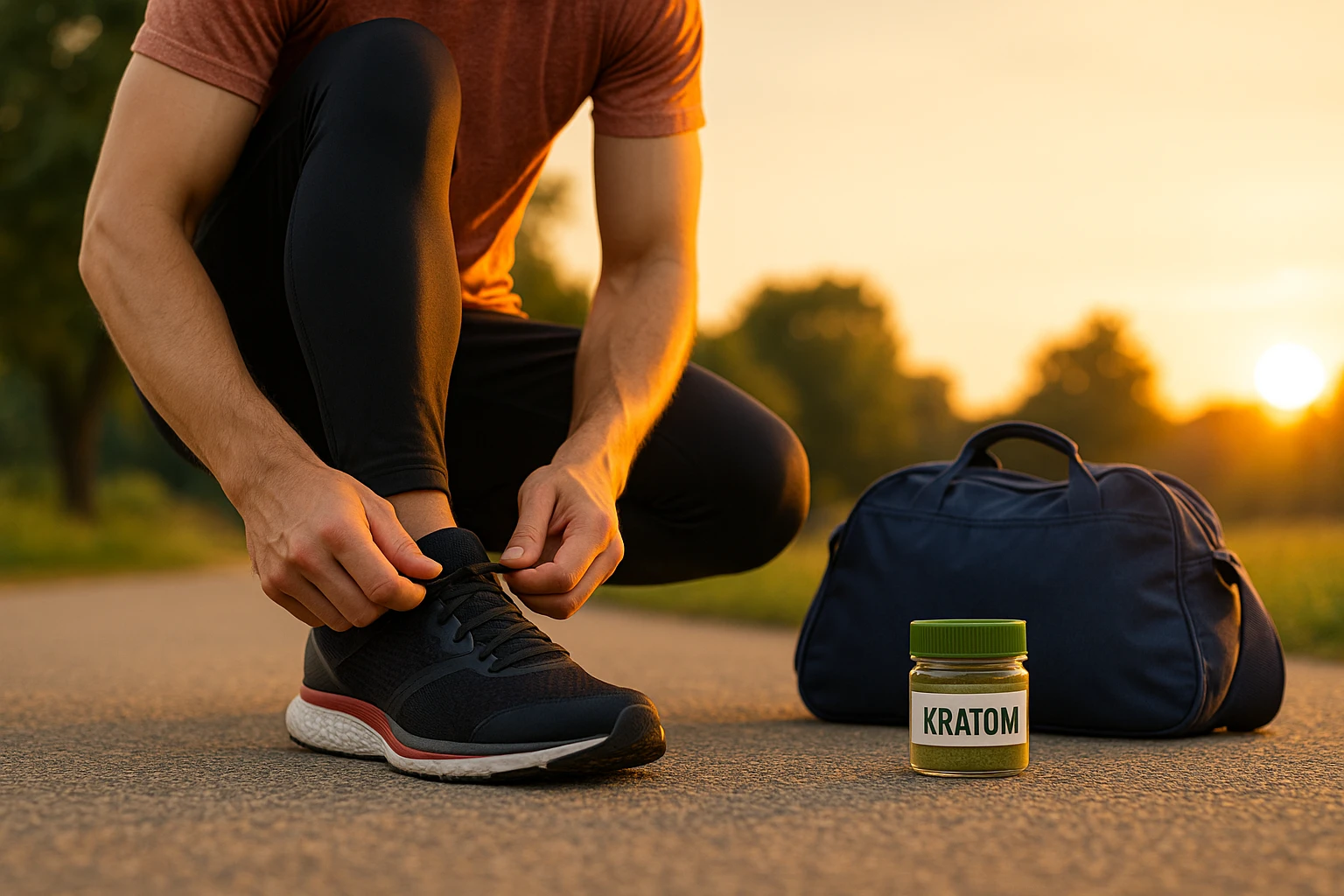
Using Kratom Before a Workout: Can it Boost Stamina?
Faust
Fitness enthusiasts are always searching for natural ways to elevate their exercise routines. Kratom has started to become a go-to option for many. Its ability to enhance energy, sharpen focus, and support recovery makes it a versatile addition to a fitness regimen. However, one key factor can make or break its effectiveness: timing. Using kratom before a workout can unlock a surge of stamina and mental clarity, while taking it after exercise can ease soreness and promote rest. Understanding when to use kratom is crucial for maximizing its benefits.
Why Timing Kratom Matters for Fitness
Kratom’s effects depend on when you take it, how much you use, and which strain you choose. The plant’s active compounds, primarily mitragynine and 7-hydroxymitragynine, interact with the body’s receptors to produce a range of effects, from stimulation to relaxation. These effects vary based on dosage and timing, making it essential to align kratom use with your workout goals.
Before a workout, you might want a burst of energy to power through a tough session. After exercise, your focus may shift to soothing muscle aches or winding down. By mastering the timing of kratom before a workout or after, you can identify its effects to your needs, whether you’re lifting weights, running trails, or practicing yoga. This guide explores how to use kratom strategically to enhance both performance and recovery.
Using Kratom Before a Workout: Fueling Your Session
Taking kratom before a workout can transform your exercise experience. At lower doses, kratom acts as a natural stimulant, offering a smoother alternative to synthetic pre-workout supplements. Let’s explore how to harness its potential for better workouts.
Benefits of Kratom Before a Workout
Kratom’s stimulating properties can enhance several aspects of your training. Users often report heightened alertness, improved concentration, and increased endurance. These benefits are ideal for demanding workouts, such as high-intensity interval training or long-distance cycling. Unlike caffeine-heavy products that may cause a crash, kratom provides a steady energy lift when dosed correctly.
Another advantage is its mood-enhancing effects. A positive mindset can make the difference between a lackluster session and a breakthrough performance. Kratom before a workout can help you stay motivated, push past mental barriers, and enjoy the process, whether you’re hitting personal records or simply staying consistent.
Choosing the Right Strains for Pre-Workout Energy
Not all kratom strains are suited for pre-workout use. Strains with energizing properties, typically white or green vein varieties, are best. Here are two popular options:
White Vein Maeng Da: This strain is renowned for its potent, clean energy boost. It sharpens focus and boosts stamina, making it perfect for workouts requiring precision, like weightlifting or circuit training.
Green Vein Malay: Offering a balanced energy lift with subtle pain relief, this strain is versatile for various exercises, from running to bodyweight routines.
Experimenting with these strains can help you find the one that best matches your workout intensity and goals.
Dosage and Timing Tips
To optimize kratom before a workout, dosage and timing are key. A low dose of 1 to 3 grams is typically enough to achieve stimulation. Beginners should start with 1 gram to assess tolerance, increasing gradually if needed. Take kratom 30 to 60 minutes before exercise to allow its effects to peak during your session.
Kratom powder can be mixed with water or a light juice for quick absorption. Capsules are convenient but may take slightly longer to kick in. Avoid consuming kratom on a full stomach, as this can delay its effects. Pairing it with a small snack, like a banana, can provide additional energy without slowing absorption.
Precautions to Consider
While kratom before a workout can enhance performance, it’s not without risks. Taking too much may lead to sedation, which can hinder your workout. Start with a low dose and monitor how your body responds. Avoid combining kratom with other stimulants, such as energy drinks, to prevent overstimulation or increased heart rate. If you feel dizzy or nauseous, reduce your dose or try a different strain.
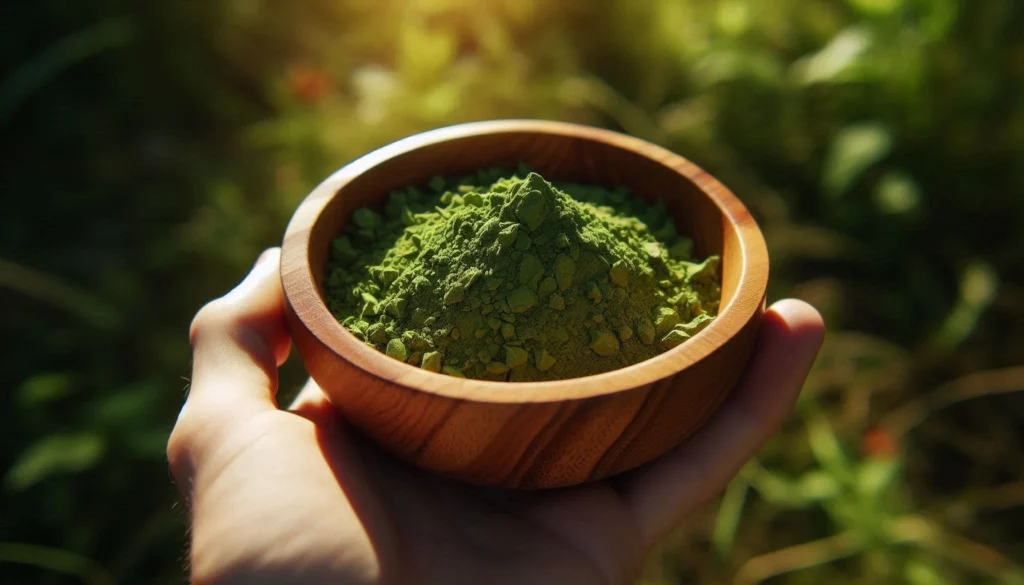
Hand presenting a wooden bowl of finely ground kratom powder
Using Kratom After a Workout: Aiding Recovery
Recovery is just as important as the workout itself. Kratom’s soothing properties make it a valuable tool for easing discomfort and promoting rest after exercise. Here’s how to use it effectively post-workout.
Benefits of Kratom After a Workout
After intense exercise, your muscles need time to repair and recover. Kratom’s analgesic properties can help manage post-workout soreness, allowing you to return to training sooner. At moderate doses, it interacts with receptors to reduce pain and inflammation, common issues after heavy lifting or endurance activities.
Kratom also promotes relaxation, which is crucial for winding down after a high-energy session. For those who train in the evening, it can support restful sleep, enhancing muscle repair and overall recovery. Using kratom after a workout can create a smoother transition from exercise to rest, helping you stay consistent with your fitness routine.
Choosing the Right Strains for Recovery
Strains with calming and pain-relieving properties are ideal for post-workout use. Two standout options include:
Red Vein Borneo: This strain excels at relieving muscle soreness and tension. Its calming effects also help you unwind, making it ideal for post-workout relaxation.
Red Vein Bali: Known for its soothing qualities, this strain reduces discomfort and supports deeper sleep, aiding overnight recovery.
These red vein strains are best for recovery due to their sedative nature, contrasting with the energizing effects of white or green veins.
Dosage and Timing Tips
For post-workout recovery, a moderate dose of 3 to 5 grams is often effective. This range provides pain relief and relaxation without being overly sedating. Take kratom within 30 to 60 minutes after your workout to address soreness promptly. Pairing it with a protein-rich snack, like a smoothie, can support muscle repair while enhancing absorption.
Brewing kratom into a tea is a popular post-workout method, as it may improve bioavailability. Add a touch of honey or lemon to improve the taste. Capsules offer a convenient, tasteless option for precise dosing, especially if you’re on the move after training.
Precautions to Consider
Careful dosing is essential to avoid feeling overly drowsy, which could interfere with your day. Higher doses may cause sedation, so reserve them for evening workouts or rest days. Kratom has mild diuretic effects, so stay hydrated to counteract dehydration from exercise. If you experience side effects like constipation, increase your fiber intake or adjust your dose.
Pre- vs. Post-Workout Kratom: A Side-by-Side Comparison
To clarify how to time kratom around workouts, here’s a comparison of pre- and post-workout use:
Pre-Workout:
Goal: Enhance energy, focus, and endurance.
Strains: White Maeng Da, Green Malay.
Dose: 1 to 3 grams, 30 to 60 minutes before exercise.
Effects: Increased alertness, stamina, and motivation.
Dose: 3 to 5 grams, within an hour after exercise.
Effects: Pain relief, relaxation, improved sleep.
Best For: Evening workouts or recovery-focused days.
This comparison highlights the importance of aligning kratom use with your workout phase. Some users combine both approaches, using an energizing strain before exercise and a calming one afterward, but this requires careful planning to avoid overuse.
Woman performing a yoga pose at sunset with a serene lake and distant city skyline in the background.
Safety Considerations for Using Kratom Around Workouts
Responsible kratom use is essential to maximize benefits and minimize risks. Here are key safety tips:
Start with a Low Dose
If you’re new to kratom, begin with 1 gram and gradually increase as needed. This reduces the risk of side effects like nausea or dizziness, which can disrupt your workout.
Monitor Your Response
Everyone reacts differently to kratom. Track how different strains and doses affect your energy, mood, and recovery. A journal can help you identify what works best for your routine.
Avoid Dependency
Using kratom too frequently can lead to dependency, where you feel reliant on it for workouts. Limit use to 3 to 4 times per week and take regular breaks to prevent this. If you notice signs of dependency, such as irritability without kratom, consult a healthcare professional.
Check for Interactions
Before adding kratom to your fitness routine, especially if you take medications or have health conditions, consult a doctor. Kratom may interact with certain drugs, and professional guidance ensures safe use.
FAQ
Q: Can kratom before a workout replace my morning coffee? A: Kratom can provide a similar energy boost to coffee when used in low doses. However, its effects are distinct, offering mood enhancement and focus alongside stamina. If you’re considering replacing coffee, start with a small dose to compare the effects, and avoid combining them to prevent overstimulation. Hydrate well, as both can be dehydrating.
Q: Is it safe to use kratom before a workout if I’m new to exercise? A: Beginners to exercise can use kratom before a workout, but caution is key. Start with a minimal dose, like 1 gram, to assess how it affects your energy and coordination. Since new exercisers may be sensitive to supplements, consult a healthcare professional first, especially if you have underlying conditions.
Q: How long do the effects of kratom last during a workout? A: The effects of kratom before a workout typically last 3 to 5 hours, depending on the dose, strain, and your metabolism. A low dose of 1 to 3 grams, taken 30 to 60 minutes before exercise, should peak during your session and sustain energy for most workouts. For longer activities, like marathons, consider your timing to avoid fading effects mid-exercise.
Q: Can I take kratom after a workout if I train in the morning? A: Yes, but choose your strain and dose carefully to avoid daytime drowsiness. A moderate dose of a red vein strain, like Red Bali, can ease morning workout soreness without being overly sedating. If you have a busy day ahead, opt for a lower dose or a green vein strain for milder relaxation.
Q: Does the form of kratom affect its timing for workouts? A: The form, powder, capsules, or tea impacts how quickly kratom takes effect. Powder mixed with liquid or tea acts faster, within 15 to 30 minutes, making it ideal for precise timing before a workout. Capsules take 30 to 45 minutes due to digestion, better suited for those planning ahead. Post-workout, any form works, but tea may enhance relaxation. Choose based on your schedule and preference.
Kratom powder in a bowl paired with a glass of water and lemon slice on a kitchen surface.
Conclusion
As you set your fitness goals, consider how kratom before a workout or after can support your progress. Whether you’re aiming to boost endurance, sharpen focus, or recover faster, strategic timing can make kratom a valuable ally. Start by experimenting with strains and doses, always prioritizing safety. Over time, you’ll find the approach that best complements your workouts, helping you train smarter and feel better.
Kratom isn’t a shortcut to fitness success, but when used thoughtfully, it can enhance your efforts. By understanding how to time kratom around your workouts, you’re equipping yourself with a tool to elevate performance and recovery. Here’s to crushing your fitness goals, one well-timed dose at a time.
Disclaimer
The information provided in this blog is intended for informational purposes only and should not be considered medical advice. Kratom (Mitragyna speciosa) is a plant-based supplement with active compounds that may interact with the body in various ways, producing effects such as stimulation, pain relief, or relaxation. However, its safety, efficacy, and long-term effects are not fully supported by comprehensive scientific research, and it carries potential health risks.
Common side effects may include nausea, dizziness, constipation, or sedation, while higher doses or frequent use may lead to dependency, tolerance, or more severe adverse effects. Kratom may also interact with medications, supplements, or pre-existing health conditions. Before incorporating kratom into your fitness routine, consult a qualified healthcare professional to evaluate its suitability for your individual health needs and to discuss potential risks, especially if you have underlying medical conditions, are pregnant, nursing, or taking prescription medications.
Users are responsible for verifying the legality of kratom in their jurisdiction before purchasing or using it. Neither the author nor publisher assume liability for any consequences arising from the use of kratom, including but not limited to health complications, legal issues, or dependency. Always prioritize safety, informed decision-making, and professional medical guidance when considering kratom or any supplement as part of your fitness or wellness regimen.
On February 16, 2026, select provinces will observe regional holidays.
Canada Post will operate as normal and all shipments will be processed as usual.
FedEx will be closed in Prince Edward Island (Islander Day); Alberta, British Columbia, Ontario, Saskatchewan, and New Brunswick (Family Day); Manitoba (Louis Riel Day); and Nova Scotia (Heritage Day). FedEx shipments to these provinces will move the next business day.