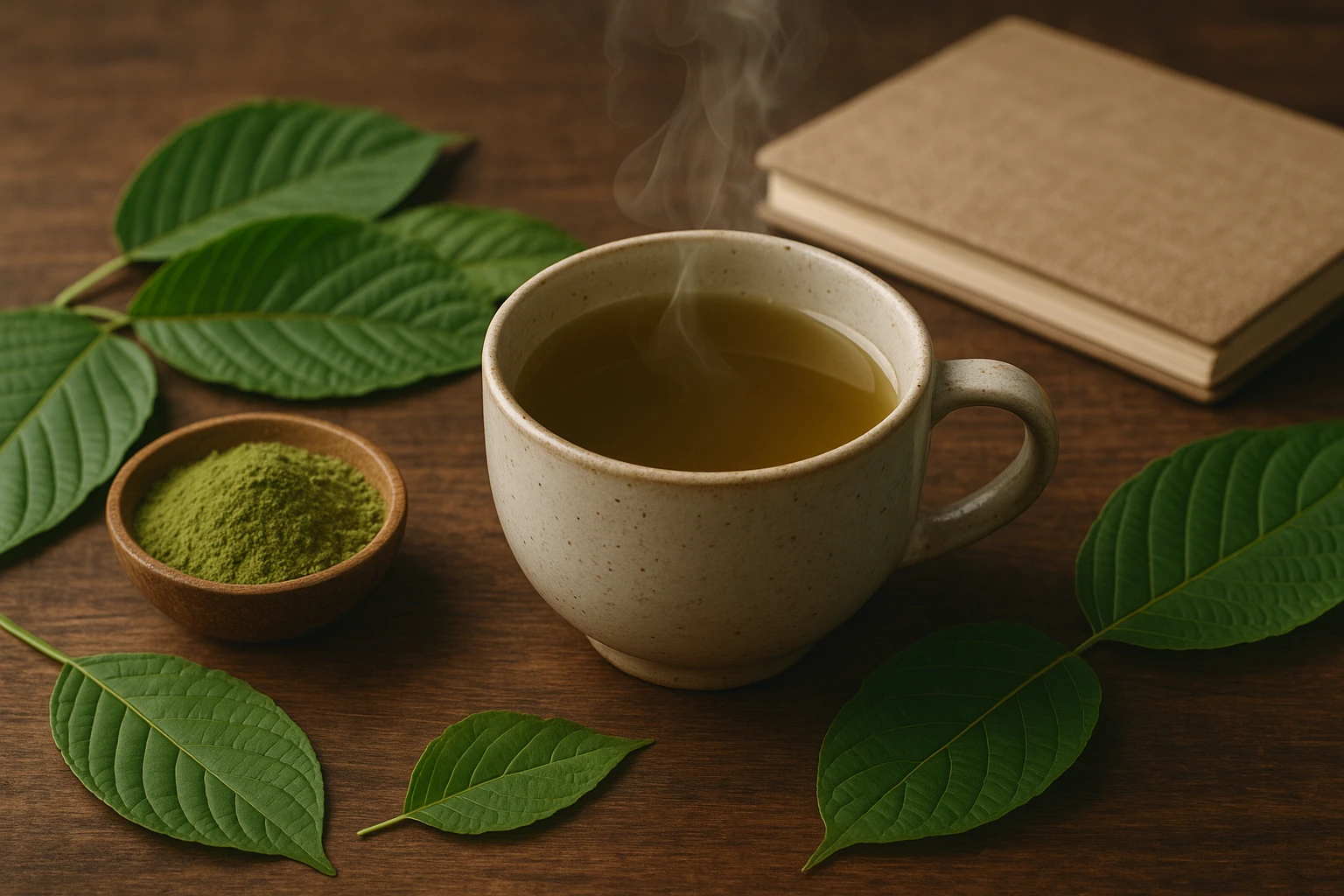
Kratom, a plant native to Southeast Asia, has sparked global curiosity as a potential lifestyle product. Its leaves, used for centuries in traditional practices, have found their way into modern wellness routines, prompting debates about its place in daily life. Is kratom merely a botanical supplement, or does it hold the cultural and practical significance to be considered a lifestyle product? To answer this, we must examine its origins, applications, and the broader context of its use.
A lifestyle product is typically defined as an item or substance integrated into daily routines to enhance well-being, personal identity, or quality of life. Think of yoga mats, artisanal coffee, or essential oils, products that align with specific values or aspirations. Kratom is often consumed as a powder, capsule, or tea for its potential to boost energy, promote relaxation, or support focus.
The Roots of Kratom: A Historical Perspective
Kratom’s story begins in the lush forests of countries like Thailand, Malaysia, and Indonesia, where it has been a staple in traditional practices for generations. Labourers chewed kratom leaves to sustain energy during long workdays, while others brewed them into teas for social or ceremonial purposes. Its versatility made it a valued part of community life, much like tea or coffee in other cultures. This historical integration suggests kratom’s potential as more than a mere substance; it was woven into the fabric of daily existence.
In these regions, kratom was not just a tool for physical endurance but also a cultural touchstone. It creates social bonds, much like sharing a meal or a drink. This communal aspect aligns with the characteristics of a lifestyle product, which often transcends utility to embody shared values or experiences. As kratom spread to Western markets, its traditional roots began to merge with modern wellness trends, raising questions about how it fits into contemporary lifestyles.
Kratom’s Modern Appeal: Functionality Meets Wellness
Today, kratom is available in various forms, from powders mixed into smoothies to capsules taken for convenience. Users report a range of effects, including increased focus, mild stimulation, or a sense of calm, depending on the strain and dosage. These attributes make it appealing to individuals seeking natural alternatives to support their daily routines. For some, kratom is a morning pick-me-up, akin to a cup of coffee. For others, it’s a way to unwind after a hectic day, not unlike a glass of wine or a meditation session.
The versatility of kratom contributes to its potential as a lifestyle product. Unlike pharmaceuticals designed for specific medical conditions, kratom’s applications are broad, catering to diverse needs. A freelancer might use it to power through a deadline, while a fitness enthusiast might incorporate it into a pre-workout routine. This adaptability allows kratom to fit seamlessly into varied lifestyles, much like other wellness-oriented products.
Yet, kratom’s rise in popularity is not without challenges. Its legal status varies across countries and regions, with some embracing it and others imposing restrictions due to concerns about safety and regulation. In Canada, for instance, kratom is legal but sold as a natural product rather than a health supplement, reflecting cautious oversight. This regulatory patchwork complicates its adoption as a mainstream lifestyle product, as accessibility and public perception play significant roles in shaping such categories.
Friends sharing smiles over kratom tea in a warmly lit room
The Cultural Shift: Kratom in the Wellness Movement
The wellness industry has exploded in recent years, with consumers gravitating toward natural and holistic solutions. From adaptogenic herbs to CBD, people are seeking products that align with a desire for balance and self-care. Kratom fits neatly into this trend, offering a plant-based option for those exploring alternatives to synthetic substances. Its rise coincides with a broader cultural shift toward mindfulness and intentional living, core components of many lifestyle products.
Social media and online communities have further amplified kratom’s visibility. Enthusiasts share recipes, dosage tips, and personal stories, creating a sense of community akin to that found in yoga or veganism circles. This communal aspect is a hallmark of lifestyle products, which often promotes a sense of belonging among users. Kratom’s integration into wellness routines, from morning rituals to evening wind-downs, mirrors the way other products become embedded in daily life.
However, kratom’s cultural adoption is not universal. While some view it as a natural ally in their wellness journey, others approach it with skepticism, influenced by media reports or regulatory debates. This divide highlights a key question: can a product with such polarized perceptions truly be considered a lifestyle product? The answer may lie in how kratom is positioned and understood within broader societal contexts.
Comparing Kratom to Established Lifestyle Products
To determine whether kratom qualifies as a lifestyle product, it’s useful to compare it to established examples. Coffee, for instance, is a quintessential lifestyle product. It’s consumed for its stimulating effects, but its cultural significance, think coffee shops, latte art, and morning rituals, elevates it beyond mere function. Similarly, essential oils are marketed not just for their therapeutic properties but for the lifestyle they represent: mindfulness, relaxation, and self-expression.
Kratom shares similarities with these products. Like coffee, it offers functional benefits that can be adjusted to individual needs. Like essential oils, it appeals to those seeking natural alternatives. Yet, kratom lacks the universal cultural acceptance of coffee or the polished branding of essential oils. Its association with controversy and regulatory scrutiny can hinder its perception as a mainstream lifestyle product. Overcoming these barriers would require greater education and transparency about its uses and effects.
The Role of Intention in Defining a Lifestyle Product
A defining feature of a lifestyle product is the intention behind its use. Consumers choose these products not just for what they do but for what they represent. Someone who buys organic matcha tea might do so to align with values of sustainability and health. Similarly, kratom users often select it to support a lifestyle rooted in natural wellness or personal empowerment. This intentionality is key to understanding kratom’s place in the lifestyle product conversation.
For many, kratom is more than a substance; it’s a choice to explore plant-based solutions in a world dominated by synthetic alternatives. This aligns with the ethos of lifestyle products, which often reflect personal values or aspirations. Whether it’s enhancing productivity, supporting relaxation, or simply experimenting with natural remedies, kratom’s appeal lies in its ability to support individualized goals.
Sunlit hands cradling kratom capsules in an area with radiant foliage
Challenges to Kratom’s Lifestyle Status
Despite its potential, several factors complicate kratom’s classification as a lifestyle product. Regulatory uncertainty is a significant hurdle. In some countries, kratom faces bans or restrictions due to concerns about its safety profile and potential for misuse. These limitations can make it difficult for kratom to achieve the widespread accessibility and acceptance enjoyed by other lifestyle products.
Public perception also plays a role. Media coverage often focuses on kratom’s risks rather than its benefits, creating a narrative that can deter mainstream adoption. For kratom to be embraced as a lifestyle product, advocates would need to address these concerns through education and responsible marketing. Highlighting its traditional uses and cultural significance could help shift perceptions, positioning kratom as a legitimate part of wellness culture.
Additionally, the lack of standardized production and quality control poses challenges. Unlike coffee or tea, which benefit from established supply chains and regulations, kratom’s market is less consistent. Variations in potency and quality can affect user experiences, making it harder for kratom to gain the trust required of a lifestyle product. Addressing these issues through industry standards could pave the way for broader acceptance.
The Social Dimension: Community and Connection
One of the most compelling arguments for kratom as a lifestyle product is its ability to develop a community. Online forums, social media groups, and local meetups have emerged where users share experiences and knowledge. This sense of connection mirrors the communities built around other lifestyle products, such as craft beer or fitness apps. These spaces allow users to exchange tips, discuss strains, and celebrate kratom’s role in their lives, reinforcing its cultural significance.
This social dimension also extends to advocacy groups. Many kratom users actively engage in efforts to protect its legal status, participating in campaigns or sharing personal stories to influence policy. This activism reflects a deeper commitment to kratom as more than a product; it’s a cause tied to personal freedom and wellness. Such dedication is a hallmark of lifestyle products, which often inspire passion and loyalty among their users.
Kratom’s Future: A Lifestyle Product in the Making?
As we look to the future, kratom’s trajectory as a lifestyle product will depend on several factors. Greater education about its uses and effects could help demystify the plant, making it more accessible to a broader audience. Transparent sourcing and quality control would also enhance its credibility, aligning it with other trusted wellness products. Additionally, cultural shifts toward natural and holistic solutions could further elevate kratom’s status, as more people seek alternatives to conventional remedies.
The question of whether kratom should be considered a lifestyle product is not easily answered. It possesses many qualities of such products, versatility, cultural resonance, and a connection to personal values, but faces challenges in perception and regulation. Its historical roots and modern applications suggest it has the potential to transcend its current niche, but achieving mainstream status will require time, advocacy, and clarity.
Serene woman practicing mindfulness beside green kratom powder containers.
FAQ
Q: What makes a product a lifestyle product? A: A lifestyle product is an item or substance integrated into daily routines to enhance well-being, identity, or quality of life. It often reflects personal values, such as wellness or sustainability, like coffee or yoga mats.
Q: How does kratom compare to other lifestyle products like coffee? A: Kratom shares functional similarities with coffee, offering stimulation or relaxation, but lacks its universal cultural acceptance. Both can be part of daily rituals, yet kratom’s regulatory challenges and varied perceptions limit its mainstream status.
Q: Why is kratom controversial as a lifestyle product? A: Kratom’s controversy stems from regulatory restrictions in some regions and media focus on potential risks. Public skepticism and inconsistent quality control also hinder its acceptance as a lifestyle product, despite its wellness appeal.
Q: Can kratom be part of a wellness-focused lifestyle? A: Yes, many users incorporate kratom into wellness routines for focus or relaxation, aligning with the intentionality of lifestyle products. Its plant-based nature appeals to those seeking natural alternatives.
Q: How does community influence kratom’s status as a lifestyle product? A: Online and local communities share kratom experiences, advancing connection and advocacy. This mirrors the social bonds of other lifestyle products, strengthening kratom’s cultural significance.
Q: What would help kratom become a widely accepted lifestyle product? A: Greater education, transparent sourcing, and standardized quality control could boost kratom’s credibility. Addressing regulatory hurdles and shifting public perceptions would also support its mainstream adoption.
Reflecting on Kratom’s Place in Daily Life
Kratom’s journey from a traditional Southeast Asian plant to a modern wellness staple is a testament to its adaptability. For those who incorporate it into their routines, it offers a unique blend of functionality and intention, much like other lifestyle products. Whether it’s used to enhance focus, promote relaxation, or simply explore natural alternatives, kratom resonates with a growing desire for personalized wellness.
Yet, its path to widespread acceptance is not without obstacles. Regulatory hurdles, public skepticism, and quality concerns must be addressed for kratom to fully embrace its potential as a lifestyle product. As society continues to embrace holistic approaches to well-being, kratom’s role may evolve, bridging the gap between tradition and modernity.
In the end, whether kratom is considered a lifestyle product depends on how individuals and communities choose to define it. For some, it’s already an integral part of their daily lives, embodying values of natural living and personal empowerment. For others, it remains a curiosity, its full potential yet to be realized. As we move forward, kratom’s story will continue to unfold, shaped by those who use it, advocate for it, and believe in its place in the tapestry of modern wellness.
Disclaimer
The information provided in this blog is for informational purposes only and should not be considered medical advice. Kratom (Mitragyna speciosa) is a botanical substance that has not been approved by regulatory authorities, such as Health Canada, for medicinal use. Its safety, efficacy, and long-term effects are not fully established, and potential risks, including side effects or interactions with medications, may exist.
Individuals considering kratom should consult a qualified healthcare professional before use, especially if pregnant, nursing, or managing pre-existing health conditions. Usage laws vary by region, and consumers are responsible for ensuring compliance with local regulations. The authors and publishers of this blog are not liable for any adverse effects or consequences resulting from kratom use. Always prioritize informed decision-making and proceed with caution when exploring kratom or any wellness product.
On February 16, 2026, select provinces will observe regional holidays.
Canada Post will operate as normal and all shipments will be processed as usual.
FedEx will be closed in Prince Edward Island (Islander Day); Alberta, British Columbia, Ontario, Saskatchewan, and New Brunswick (Family Day); Manitoba (Louis Riel Day); and Nova Scotia (Heritage Day). FedEx shipments to these provinces will move the next business day.