




Women seeking natural wellness solutions often explore plant-based remedies to address their unique health needs. Among these, kratom and women’s health have gained attention for the plant’s potential to support various concerns. Derived from the Mitragyna speciosa tree native to Southeast Asia, kratom has been used for centuries to promote energy, relaxation, or comfort when needed. For women, it may help with challenges like menstrual discomfort, stress, or hormonal fluctuations. However, careful consideration is essential for safe use.
Understanding Kratom’s Place in Women’s Wellness
Kratom’s active compounds, mitragynine and 7-hydroxymitragynine, interact with the body’s opioid receptors, producing effects that vary by strain and dosage. These properties make it a candidate for addressing women’s health concerns, from physical discomfort to emotional balance. Women experience distinct physiological and hormonal changes throughout their lives, including menstruation, pregnancy, and menopause, that influence their well-being.
Kratom’s versatility appeals to those seeking alternatives to conventional remedies, but its effects are highly individualized, necessitating a thoughtful approach. Understanding its traditional roots and modern applications provides a foundation for exploring its role in women’s health.
Key Benefits of Kratom for Women’s Health
Kratom’s potential to support women’s wellness spans several areas, offering natural options for managing common concerns. Below are key ways it may benefit women, grounded in anecdotal evidence and traditional use, with an emphasis on safe exploration.
Easing Menstrual Discomfort
Menstrual cycles often bring cramps, bloating, or fatigue, prompting many women to seek natural relief. Red vein kratom strains, known for their calming properties, may help reduce muscle tension and promote relaxation during menstruation. Users report that low doses (1–3 grams) can ease mild discomfort, potentially offering an alternative to over-the-counter pain relievers. While not a replacement for medical treatment, kratom’s interaction with pain pathways may provide comfort for some women, particularly when paired with rest and hydration.
Balancing Mood and Emotional Well-Being
Hormonal shifts during menstrual cycles, postpartum periods, or menopause can affect mood, leading to irritability or low energy. Green vein kratom strains are often described as providing a balanced uplift, fostering focus and emotional stability. For women navigating stress or mild mood swings, these strains may offer a gentle boost, helping them manage daily challenges. However, kratom is not a substitute for professional mental health support, and its mood effects vary based on individual sensitivity.
Boosting Energy for Daily Demands
Women often balance demanding roles, such as careers, caregiving, and personal goals, that can lead to fatigue. White vein kratom strains are noted for their stimulating effects, potentially enhancing alertness and concentration. This can be particularly helpful during energy dips, such as the premenstrual phase or postpartum recovery. A low dose (1–2 grams) may support productivity without the jitteriness associated with caffeine, though overuse can lead to restlessness, so moderation is essential.
Promoting Restful Sleep
Quality sleep is critical for women’s health, yet stress or hormonal changes can disrupt rest. Red vein kratom may help women unwind, particularly during periods of anxiety or physical discomfort. For occasional sleeplessness, a moderate dose (3–4 grams) taken in the evening may encourage calmness. Pairing kratom with sleep hygiene practices, like limiting screen time, enhances its potential to support rest without creating a dependency.
Supporting Menopause Transitions
Menopause introduces challenges like hot flashes, joint discomfort, and mood variability. Some women report that kratom helps manage these symptoms by promoting relaxation or reducing mild pain. While anecdotal, these reports suggest kratom may complement lifestyle changes, such as dietary adjustments or stress reduction techniques. Women using hormone therapies or medications should consult healthcare providers to ensure compatibility.

Essential Considerations for Safe Kratom Use
Kratom’s benefits come with responsibilities. Women must approach its use with caution, considering individual health, dosage, and regulatory factors to ensure safety.
Personal Health and Contraindications
Women’s health conditions, such as pregnancy, breastfeeding, or chronic illnesses, influence kratom’s suitability. Pregnant or breastfeeding women should avoid kratom due to insufficient safety data, as noted by Health Canada’s advisories on unregulated substances. Those with liver, heart, or mental health conditions should consult a doctor, as kratom may interact with medications or exacerbate symptoms. Personalized health assessments are crucial for safe use.
Choosing the Right Dose and Strain
Kratom’s effects hinge on dosage and strain. Low doses (1–3 grams) typically energize, while moderate doses (4–6 grams) relax. Red veins suit relaxation, green veins balance energy and calm, and white veins stimulate. Women new to kratom should start with 1–2 grams to gauge their response, adjusting gradually. Tracking effects in a journal helps identify optimal strains and doses for individual needs.
Managing Risks and Side Effects
Kratom can cause side effects like nausea, dizziness, or constipation, especially at higher doses. Prolonged use may lead to tolerance or dependency, as noted in user communities on platforms like Reddit’s r/kratom. To minimize risks, women should use kratom intermittently, stay hydrated, and consume it with food. Regular breaks, such as a week off every month, help prevent habituation.
Navigating Legal and Quality Issues
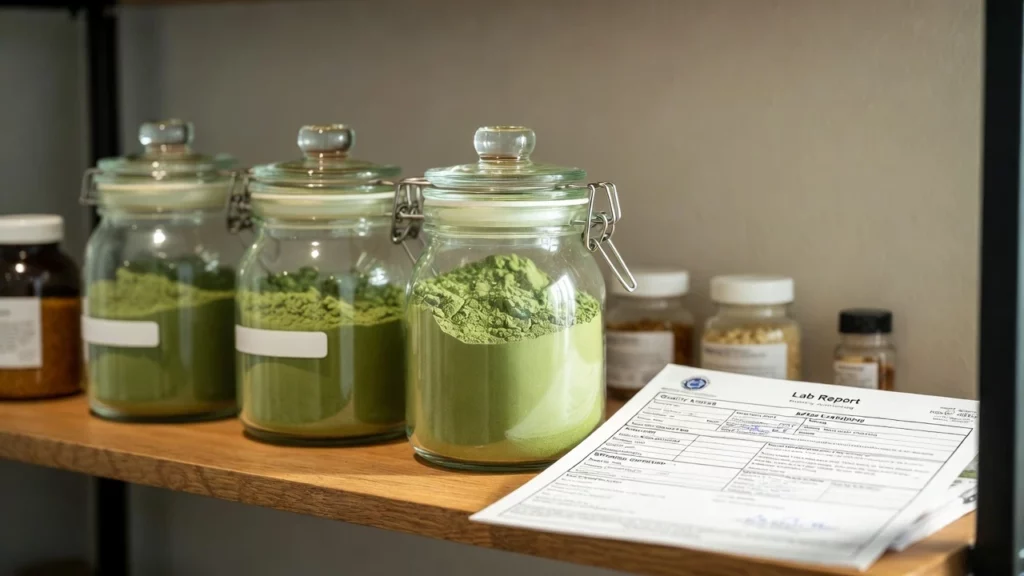
In Canada, kratom is legal but unregulated, meaning product quality varies. It is strongly advised that consumers choose vendors who test for contaminants like heavy metals or pathogens, as poor-quality kratom poses health risks. Women should research suppliers, ensuring lab reports are available, and stay informed about evolving regulations, as kratom’s legal status may change.
Medication Interactions
Kratom may interact with medications common among women, such as antidepressants, hormonal contraceptives, or pain relievers. These interactions can alter drug efficacy or increase side effects, as noted in pharmacology resources like the National Center for Complementary and Integrative Health. Consulting a pharmacist before combining kratom with prescriptions is essential for safety.
Integrating Kratom into Holistic Wellness
Kratom is most effective when part of a broader wellness strategy. Combining it with healthy practices enhances its benefits and supports long-term health.
Nutrition and Hydration for Balance
A nutrient-dense diet, rich in fruits, vegetables, and lean proteins, supports women’s hormonal and physical health. Hydration is critical, as kratom can cause dehydration at higher doses. Drinking water and eating balanced meals alongside kratom use optimizes its effects and minimizes side effects like digestive discomfort.
Physical Activity for Vitality
Exercise, such as yoga, walking, or strength training, complements kratom’s energy or relaxation effects. For women using kratom to manage fatigue or stress, movement enhances mood and hormonal balance. A 30-minute daily walk, for example, can amplify kratom’s uplifting properties while promoting overall wellness.
Mindfulness for Emotional Resilience
Mindfulness practices like meditation or journaling pair well with kratom’s mood-supporting effects. For women managing stress or hormonal mood shifts, a 10-minute breathing exercise can enhance kratom’s calming benefits, providing emotional clarity and resilience.
Routine Health Monitoring
Regular check-ups with healthcare providers ensure kratom use aligns with overall health. Women should discuss natural remedies during appointments, particularly if managing chronic conditions or hormonal changes. Bloodwork or hormone panels can provide insights into how kratom fits into their wellness plan.
Practical Tips for Women Starting with Kratom
For women new to kratom and women’s health, beginning with confidence and safety is key. These practical, beginner-friendly tips, grounded in user experiences and authoritative guidance, help ensure a positive introduction to kratom while minimizing risks:
- Start with a Low Dose: Begin with 1–2 grams of kratom to assess your body’s response. Low doses are less likely to cause side effects like nausea, as noted in user communities on platforms like Reddit’s r/kratom.
- Choose a Reputable Vendor: Select suppliers who provide lab-tested kratom, ensuring purity and safety. Emphasize your search for quality control for unregulated substances like kratom.
- Experiment with Strains Thoughtfully: Try red vein kratom for relaxation or green vein for balanced effects, starting with one strain at a time to understand its impact on your body.
- Track Your Experience: Keep a journal of doses, strains, and effects (e.g., energy, mood) to identify what works best for your health goals, such as menstrual comfort or stress relief.
- Consult a Healthcare Provider: Discuss kratom with a doctor, especially if you take medications like antidepressants or have conditions like pregnancy, to avoid interactions.
- Stay Hydrated and Nourished: Drink water and eat a light meal before using kratom to reduce potential side effects like dizziness, as recommended by experienced users.
- Limit Use to Avoid Tolerance: Use kratom 2–3 times per week initially to prevent dependency, a concern highlighted by the National Center for Complementary and Integrative Health.
These steps empower women to explore kratom safely, aligning its use with their unique wellness needs while prioritizing informed decision-making.
Personalizing Kratom Use and Building Community Support
Kratom’s effects vary widely, making self-awareness and community insights invaluable. Women can personalize their use by tracking doses, strains, and responses in a journal, noting how kratom affects energy, mood, or discomfort. For example, a woman might find that 2 grams of green vein kratom in the morning supports focus during her workweek, while 3 grams of red vein in the evening aids relaxation. Adjusting based on bodily feedback prevents overuse and optimizes benefits.
Engaging with others enhances this process. Online communities, such as women’s wellness forums or kratom-specific groups on social media platforms offer spaces to share experiences and learn from others. For instance, a user might discover a new strain or dosage tip from a peer, refining their approach. Local wellness groups or herbalist meetups also provide support, building connections among women exploring natural remedies. These interactions build confidence and encourage informed use, aligning with kratom’s communal roots in Southeast Asian traditions.
Exploring Kratom’s Context and Clarifying Myths
Kratom’s history enriches its modern use. In Southeast Asia, women have used kratom for centuries to support energy during labour-intensive tasks, such as farming, or to ease postpartum fatigue, as documented in ethnographic accounts of Thai and Malaysian traditions. Village gatherings often involved sharing kratom tea, reinforcing social bonds. This cultural lens highlights kratom’s role as a community-supported remedy, not just an individual one.
Misconceptions about kratom persist. Some view it as a dangerous substance due to its opioid receptor interactions, while others overhype it as a cure-all. In reality, kratom is neither. It’s a plant with dose-dependent effects, offering potential benefits when used responsibly but carrying risks like dependency if misused.

Frequently Asked Questions About Kratom and Women’s Health
Q: Can kratom help with menopause symptoms?
A: Some women report that red or green vein kratom eases menopause-related discomfort, such as hot flashes or mood swings, due to its relaxing properties. However, effects vary, and consultation with a healthcare provider is essential, especially if using hormone therapies.
Q: Does kratom affect different phases of the menstrual cycle differently?
A: Anecdotal reports suggest white vein kratom may boost energy during the follicular phase, while red vein may ease discomfort during menstruation. Tracking personal responses helps to make personal adjustments of usage to cycle phases.
Q: Is kratom safe for long-term use in women?
A: Long-term use carries risks like tolerance or dependency, as noted by the National Center for Complementary and Integrative Health. Women should use kratom intermittently and consult doctors to monitor health impacts.
Q: Can pregnant women use kratom safely?
A: No, pregnant women should avoid kratom due to limited safety data, as advised by Health Canada. Potential risks to fetal development outweigh any unproven benefits.
Q: How can women ensure they’re buying safe kratom?
A: Choose vendors offering lab-tested kratom to confirm purity and absence of contaminants. It is important to select vendors with good quality control measures, so checking lab reports is crucial for safety.
Conclusion
Kratom and women’s health intersect in meaningful ways, offering potential support for menstrual comfort, mood balance, energy, and menopause transitions. By approaching kratom with care, starting with low doses, choosing quality products, and integrating it with nutrition, exercise, and mindfulness, women can explore its benefits safely. Community support and historical context deepen its value, while clear-eyed awareness of risks ensures responsible use. When empowered with knowledge, women can make informed choices, aligning kratom with their unique wellness journeys.
Disclaimer
The information provided in this blog about kratom and women’s health is for educational and informational purposes only and should not be considered medical advice. Kratom (Mitragyna speciosa) is not approved by Health Canada, the U.S. FDA, or other regulatory bodies for medical use, and its safety and efficacy for addressing women’s health concerns, such as menstrual discomfort, mood balance, or menopause symptoms, are not fully supported by clinical research. Potential risks include side effects like nausea, dizziness, constipation, or, with prolonged use, tolerance and dependency.
Kratom may interact with medications, including antidepressants, hormonal contraceptives, or pain relievers, potentially altering their effectiveness or causing adverse effects. Women who are pregnant, breastfeeding, or have pre-existing conditions such as liver, heart, or mental health disorders should avoid kratom due to insufficient safety data and potential risks to maternal or fetal health. Always consult a qualified healthcare professional before using kratom, especially if taking medications or managing chronic conditions.
The quality of kratom products varies, and unregulated products may contain contaminants; choose vendors providing lab-tested kratom to ensure safety. The author and publisher are not liable for any adverse effects, health consequences, or damages resulting from the use of kratom or reliance on the information provided in this blog. Users assume full responsibility for any health risks associated with kratom use.