Kratom and the Menstrual Cycle: Potential Effects on Mood and Discomfort
Faust
The interplay between kratom and the menstrual cycle has sparked growing curiosity among women seeking natural ways to manage the physical and emotional challenges of menstruation. Kratom has been used for centuries in traditional medicine for its diverse effects, ranging from pain relief to mood enhancement. For those navigating the complexities of their menstrual cycle, understanding how this plant might influence mood, discomfort, and overall well-being is crucial.
Understanding the Menstrual Cycle and Its Challenges
The menstrual cycle is a natural process that prepares the female body for potential pregnancy, typically spanning 21 to 35 days. It involves a delicate interplay of hormones like estrogen, progesterone, and prostaglandins, which orchestrate ovulation, uterine lining development, and menstruation. While this cycle is a cornerstone of reproductive health, it often brings challenges such as cramps, mood swings, fatigue, and irritability, particularly during the premenstrual and menstrual phases.
Premenstrual syndrome (PMS) affects up to 90% of women to varying degrees, with symptoms like bloating, breast tenderness, anxiety, and low mood. For some, these symptoms escalate into premenstrual dysphoric disorder (PMDD), a severe form of PMS marked by intense emotional distress. Menstrual cramps, or dysmenorrhea, caused by uterine contractions triggered by prostaglandins, can range from mild discomfort to debilitating pain. These physical and emotional shifts make the menstrual cycle a prime target for natural remedies like kratom, which is often touted for its analgesic and mood-stabilizing properties.
What Is Kratom and How Does It Work?
Kratom is a tropical plant whose leaves contain active compounds called alkaloids, primarily mitragynine and 7-hydroxymitragynine. These alkaloids interact with the body’s opioid receptors, producing effects similar to but distinct from traditional opioids. At low doses, kratom acts as a stimulant, boosting energy and focus. At higher doses, it offers sedative and pain-relieving effects, making it a versatile option for addressing various symptoms.
When considering kratom and the menstrual cycle, its ability to influence pain perception and mood is particularly relevant. The alkaloids bind to mu-opioid receptors in the brain, which can reduce the sensation of pain and promote feelings of euphoria or relaxation. Additionally, kratom may interact with other neurotransmitter systems, such as dopamine and serotonin, which play roles in regulating mood and emotional well-being. These mechanisms make kratom a candidate for managing menstrual-related discomfort and emotional fluctuations, though its effects vary based on strain, dosage, and individual physiology.
Kratom’s Potential Effects on Menstrual Discomfort
One of the most compelling reasons women explore kratom during their menstrual cycle is its potential to alleviate physical discomfort. Menstrual cramps, often described as throbbing or sharp pain in the lower abdomen, can disrupt daily life. Kratom’s analgesic properties, particularly from red vein strains like Red Bali or Red Maeng Da, are frequently reported to ease this pain. These strains are rich in 7-hydroxymitragynine, which is notably potent in reducing pain signals, offering relief that some compare to over-the-counter painkillers like ibuprofen, but with a natural origin.
Beyond cramps, kratom may help with other physical symptoms, such as lower back pain or headaches, which often accompany menstruation. Women who experience fatigue during their periods may also find that low doses of white or green vein kratom strains provide an energy boost, helping them stay active despite hormonal dips. However, the effectiveness of kratom for pain relief depends on factors like dosage and individual sensitivity, and starting with a low dose is often recommended to gauge its impact.
Green kratom powder in a bowl alongside a corked bottle, set on a coffee table in a living room
Mood Regulation and Emotional Well-Being
The menstrual cycle can be an emotional rollercoaster for many women, with hormonal fluctuations contributing to irritability, anxiety, or low mood. Kratom’s potential to influence mood makes it an intriguing option for addressing these symptoms. By interacting with opioid receptors and possibly modulating serotonin and dopamine levels, kratom may promote a sense of calm or euphoria, counteracting the emotional lows of PMS or PMDD.
For example, red vein kratom strains are often described as calming, potentially reducing anxiety and stress during the premenstrual phase. Green vein strains, which offer a balance of stimulation and relaxation, might help stabilize mood swings without causing excessive sedation. Some women report that kratom helps them feel more emotionally resilient, allowing them to navigate the psychological challenges of their cycle with greater ease. However, the mood-enhancing effects of kratom are highly individual, and what works for one person may not suit another.
Hormonal Interactions and Considerations
A key aspect of understanding kratom and the menstrual cycle is its potential impact on hormonal balance. The menstrual cycle is driven by intricate hormonal shifts, and any substance that affects the endocrine system could influence cycle regularity or symptom severity. Kratom’s interaction with opioid receptors may indirectly affect hormones like prolactin, which plays a role in reproductive health. Elevated prolactin levels, sometimes linked to opioid-like substances, can lead to irregular cycles or changes in menstrual flow, as reported by some users.
While anecdotal evidence suggests kratom may cause early or delayed periods in some women, the exact mechanisms remain unclear. This variability underscores the importance of monitoring one’s cycle when using kratom, as individual responses can differ widely. Women with pre-existing hormonal conditions, such as polycystic ovary syndrome (PCOS) or endometriosis, should be particularly cautious, as kratom’s effects on hormone levels are not fully understood.
Dosage and Safe Use
Dosage is a critical factor when using kratom to manage menstrual symptoms. Low doses (1-5 grams) generally produce stimulating effects, while moderate to high doses (5-15 grams) are more sedative and pain-relieving. For menstrual discomfort, a moderate dose of a red vein strain may be effective for most women, but starting low and gradually increasing is key to avoiding side effects like nausea or dizziness.
Consistency is also important. Using kratom sporadically, such as only during the menstrual phase, may reduce the risk of tolerance or dependency. Women should track their usage and cycle patterns to identify any changes, such as altered cycle length or symptom intensity. Consulting a healthcare provider before incorporating kratom into a wellness routine is essential, especially for those with underlying health conditions or who are taking medications.
Potential Risks and Side Effects
While kratom offers potential benefits, it’s not without risks. Common side effects include nausea, constipation, and dizziness, particularly at higher doses. Some women report that kratom exacerbates certain menstrual symptoms, such as bloating or cramping, possibly due to its effects on digestion or hormonal balance. Long-term use may also lead to dependency, with withdrawal symptoms like irritability or fatigue upon cessation.
Another consideration is kratom’s legal status, which varies by region. In Canada, kratom is legal but not regulated as a health product, meaning quality and purity can differ between vendors. Contaminated or adulterated kratom products pose additional risks, so sourcing from reputable suppliers if you are looking for the best kratom in Canada. Women who are pregnant, breastfeeding, or planning to conceive should avoid kratom due to limited research on its effects during pregnancy.
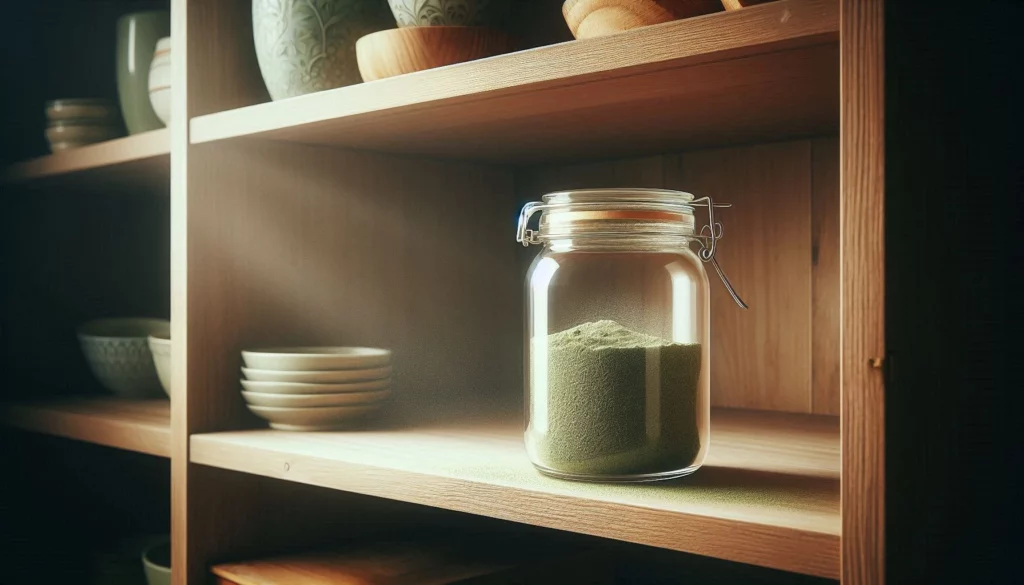
Green kratom powder stored in a clear glass jar with a clamp lid, placed prominently on a wooden shelf.
Individual Variability and Personalization
One of the most important aspects of using kratom for menstrual support is recognizing that no two bodies respond the same way. Factors like body weight, metabolism, and hormonal profile influence how kratom affects an individual. For some, a small dose of a red vein strain might provide significant relief from cramps and mood swings, while others may find green or white strains more effective for energy and emotional balance.
Keeping a journal to track kratom use, dosage, strain, and menstrual symptoms can help women identify what works best for them. This personalized approach ensures that kratom is used effectively and safely, tailored to individual needs and cycle patterns.
Complementary Approaches to Menstrual Health
Kratom is just one tool in a broader toolkit for managing menstrual discomfort and mood challenges. Combining it with other natural approaches can enhance its effectiveness and promote overall well-being. For example, regular exercise, such as yoga or walking, can boost endorphin levels, reducing pain and improving mood. A balanced diet rich in anti-inflammatory foods, like leafy greens and omega-3 fatty acids, may also alleviate menstrual symptoms.
Relaxation techniques, such as meditation or deep breathing, can complement kratom’s calming effects, helping to manage stress and anxiety. Heat therapy, like using a heating pad on the lower abdomen, is another simple yet effective way to ease cramps. By integrating kratom with these strategies, women can create a holistic approach to menstrual health that addresses both physical and emotional needs.
Listening to Your Body
Ultimately, the decision to use kratom during the menstrual cycle should be guided by self-awareness and careful consideration. Paying attention to how your body responds to different strains and doses is essential for maximizing benefits and minimizing risks. If kratom seems to worsen symptoms or disrupt cycle regularity, it may not be the right fit. Conversely, if it provides relief and enhances well-being, it could be a valuable addition to a menstrual care routine.
Open communication with a healthcare provider is crucial, especially for women with complex medical histories or those taking medications that could interact with kratom. By staying informed and attuned to their bodies, women can make empowered choices about using kratom as part of their menstrual health strategy.
Future Directions for Kratom and Women’s Health
As interest in kratom grows, so does the need for rigorous research into its effects on women’s health, particularly the menstrual cycle. Current knowledge is largely based on anecdotal reports, which, while valuable, lack the depth of controlled studies. Future research could clarify how kratom influences hormonal pathways, cycle regularity, and long-term health outcomes, providing women with clearer guidance on its use.
Until more data is available, women can rely on careful experimentation and professional advice to navigate kratom’s potential. By staying informed and prioritizing safety, they can harness the plant’s benefits while minimizing risks.
Green kratom powder in a wooden bowl resting on a rock near a serene river with towering cliffs
FAQ
Q: Can kratom help with all types of menstrual pain? A: Kratom may help alleviate various types of menstrual pain, such as abdominal cramps, lower back pain, and headaches, due to its analgesic properties. Red vein strains are particularly noted for their pain-relieving effects, but individual responses vary, and not all types of pain may respond equally. Consulting a healthcare provider can help determine if kratom is suitable for specific pain types.
Q: How does kratom affect menstrual cycle regularity? A: Some women report changes in cycle timing, such as early or delayed periods, when using kratom, possibly due to its influence on hormones like prolactin. However, these effects are not consistent across all users, and more research is needed to understand the relationship. Tracking cycle patterns can help identify any changes.
Q: Is kratom safe to use with other menstrual remedies? A: Kratom may interact with other remedies, including medications like painkillers or antidepressants, due to its effects on opioid receptors and neurotransmitter systems. Combining kratom with other substances should be done cautiously, and a healthcare professional should be consulted to avoid potential interactions.
Q: Which kratom strain is best for menstrual mood swings? A: Green vein strains, such as Green Malay, are often recommended for mood swings, as they provide a balanced effect of relaxation and mild stimulation. Red vein strains may also help by promoting calm, but the best strain depends on individual preferences and sensitivity.
Q: Can kratom worsen PMS symptoms for some women? A: Yes, some women report that kratom exacerbates symptoms like bloating or irritability, possibly due to its effects on digestion or hormonal balance. Starting with a low dose and monitoring symptoms can help determine if kratom is beneficial or counterproductive.
Q: How long does it take for kratom to work for menstrual symptoms? A: Kratom’s effects typically begin within 20-40 minutes of consumption, depending on the method (e.g., powder, capsules, or tea) and individual metabolism. Effects may last 3-6 hours, but this varies based on dosage, strain, and personal factors.
Q: Should women with hormonal disorders avoid kratom? A: Women with conditions like PCOS or endometriosis should approach kratom cautiously, as its potential effects on hormones are not fully understood. Consulting a healthcare provider is essential to assess risks and ensure safe use.
Conclusion
Kratom and the menstrual cycle represent a fascinating intersection of natural medicine and women’s health. With its potential to ease menstrual cramps, stabilize mood, and boost energy, kratom offers a promising option for those seeking alternatives to conventional treatments. However, its use requires caution, self-awareness, and a commitment to quality and moderation. By understanding how kratom interacts with the body and tailoring its use to individual needs, women can explore its potential as part of a holistic approach to menstrual well-being. Whether used for physical relief or emotional support, kratom invites a deeper conversation about natural remedies and their role in empowering women to navigate their cycles with greater ease and confidence.
Disclaimer
The information provided in this blog about kratom and the menstrual cycle is intended for educational purposes only and should not be considered medical advice. Kratom is not approved by regulatory authorities such as the FDA or Health Canada for the treatment of any medical condition, including menstrual-related symptoms. Its effects on the body, particularly concerning hormonal balance, pain relief, and mood regulation, are not fully understood.
Potential risks, including side effects like nausea, dizziness, constipation, or dependency, as well as possible interactions with medications or pre-existing health conditions, should be carefully considered. Women who are pregnant, breastfeeding, or planning to conceive should avoid kratom due to insufficient safety data. The legal status of kratom varies by region, and its quality can differ significantly between vendors, increasing the risk of contamination or adulteration.
Before using kratom, individuals should consult a qualified healthcare professional to assess its suitability, especially if they have underlying medical conditions, hormonal disorders, or are taking other medications. Monitoring one’s body and cycle patterns is essential to ensure safe use, and any adverse effects should prompt immediate discontinuation and medical consultation. The decision to use kratom should be made with full awareness of its potential benefits and risks, prioritizing personal health and safety.
On February 16, 2026, select provinces will observe regional holidays.
Canada Post will operate as normal and all shipments will be processed as usual.
FedEx will be closed in Prince Edward Island (Islander Day); Alberta, British Columbia, Ontario, Saskatchewan, and New Brunswick (Family Day); Manitoba (Louis Riel Day); and Nova Scotia (Heritage Day). FedEx shipments to these provinces will move the next business day.