Kratom and The Gut Microbiome: Digestive Health Interactions
Faust
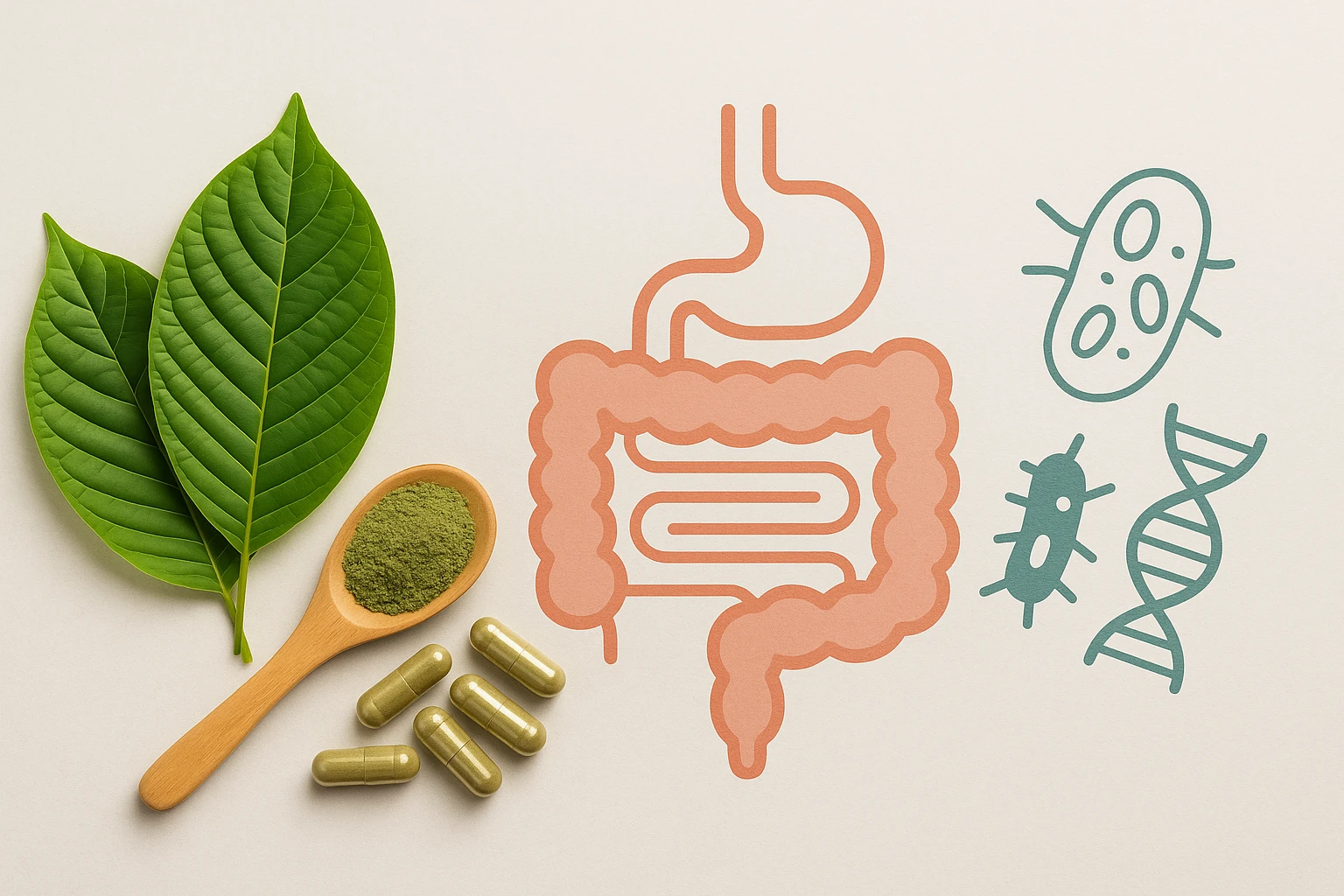
The relationship between kratom and the gut microbiome is a fascinating topic that bridges traditional plant medicine with modern science. Kratom has been used for centuries in Southeast Asia for its diverse effects on the body and mind. Meanwhile, the gut microbiome, the vast community of microorganisms living in our digestive tract plays a critical role in our overall health, influencing everything from digestion to immunity and even mood. Understanding how kratom interacts with this delicate microbial ecosystem can offer valuable insights for those curious about its effects on the body.
What Is the Gut Microbiome?
The gut microbiome refers to the trillions of bacteria, fungi, viruses, and other microorganisms that reside primarily in the large intestine. These microbes work together in a symbiotic relationship with the human body, performing essential functions that support health. They help break down food, produce vital nutrients, regulate the immune system, and even communicate with the brain through the gut-brain axis. A balanced microbiome is key to maintaining digestive health, while imbalances known as dysbiosis can contribute to issues like bloating, inflammation, or chronic conditions.
Each person’s microbiome is unique, shaped by factors like diet, lifestyle, genetics, and environmental exposures. Foods rich in fiber, fermented products like yogurt, and a diverse diet promote microbial diversity, which is associated with better health outcomes. Conversely, stress, antibiotics, or poor diet can disrupt this balance, leading to a less resilient gut ecosystem.
How Kratom Interacts with the Digestive System
When you ingest kratom, it travels through the stomach and into the intestines, where it encounters the gut microbiome. The alkaloids in kratom are absorbed primarily in the small intestine, but their journey begins in the stomach, where digestion starts. Unlike some substances that pass through the gut unchanged, kratom’s compounds may interact with gut bacteria, potentially influencing microbial activity or composition.
Kratom’s effects on digestion vary depending on the dose, strain, and individual physiology. At lower doses, kratom is often reported to have stimulating effects, which may increase gut motility, the speed at which food moves through the digestive tract. At higher doses, it may slow digestion, leading to effects similar to those of certain traditional remedies used for digestive comfort. These changes in gut motility can indirectly affect the microbiome by altering the environment in which microbes thrive.
Additionally, kratom contains plant compounds like flavonoids and polyphenols, which are known to have prebiotic-like effects in other plants. Prebiotics are substances that feed beneficial gut bacteria, promoting their growth. While research on kratom’s specific prebiotic potential is limited, its plant-based nature suggests it could influence microbial populations in subtle ways. Let’s explore some of the key ways kratom and the gut microbiome may interact.
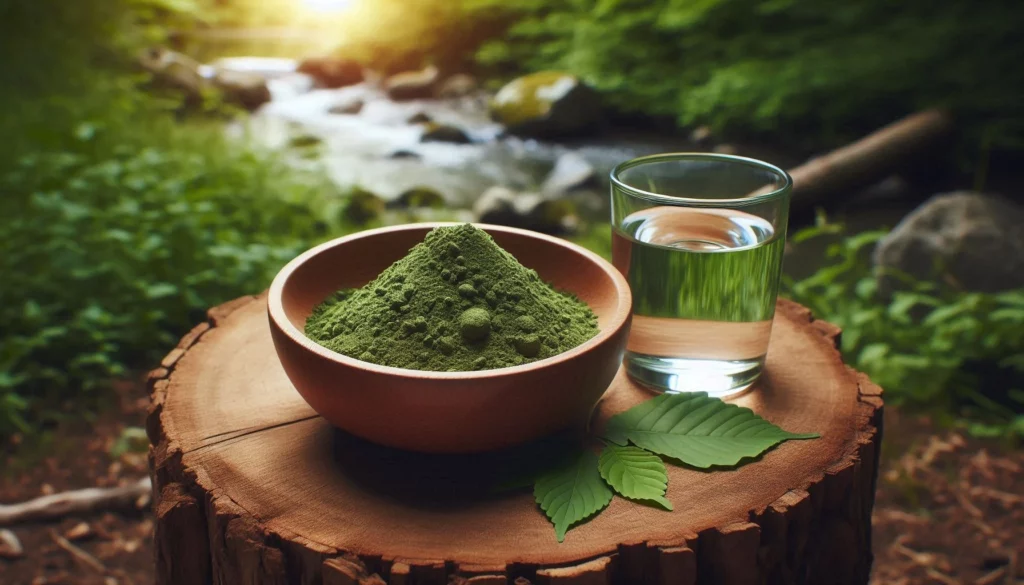
Kratom powder in a wooden bowl beside a glass of water, set on a tree stump in a peaceful forest.
1. Kratom’s Impact on Gut Motility and Microbial Environment
One of the most noticeable effects of kratom on the digestive system is its influence on gut motility. As mentioned earlier, low doses of kratom may speed up digestion, while higher doses can slow it down. This variability affects the gut microbiome because the speed of digestion changes the conditions in the intestines, such as pH levels and nutrient availability.
When digestion slows, food remains in the gut longer, giving microbes more time to ferment carbohydrates and produce short-chain fatty acids (SCFAs) like butyrate. SCFAs are critical for gut health, as they nourish colon cells, reduce inflammation, and support a healthy gut barrier. A slower digestive process might enhance SCFA production, potentially benefiting certain microbial communities. However, prolonged slow digestion could also lead to discomfort or an overgrowth of certain bacteria, which might disrupt microbial balance.
Conversely, faster gut motility may reduce fermentation time, limiting SCFA production. This could favor different microbial populations that thrive in a faster-moving gut environment. The specific strains of kratom, such as red, green, or white veins, may also play a role, as their alkaloid profiles differ slightly, potentially leading to varied effects on digestion.
2. Potential Prebiotic Effects of Kratom’s Plant Compounds
Beyond alkaloids, kratom leaves contain a range of secondary metabolites, including flavonoids, polyphenols, and other phytochemicals. In many plants, these compounds act as prebiotics, selectively feeding beneficial bacteria like Bifidobacteria or Lactobacilli. While direct evidence for kratom’s prebiotic effects is sparse, its chemical makeup suggests it could support certain gut bacteria.
For example, polyphenols are known to promote the growth of bacteria that produce anti-inflammatory compounds. If kratom’s polyphenols behave similarly, they might enhance microbial diversity, which is a hallmark of a healthy gut. A diverse microbiome is more resilient and better equipped to handle stressors like poor diet or illness. However, the extent of these effects depends on how katom is processed in the gut and how much of these compounds reach the large intestine, where most microbial activity occurs.
3. Kratom and the Gut-Brain Axis
The gut microbiome doesn’t just influence digestion, it also communicates with the brain through the gut-brain axis, a bidirectional network involving nerves, hormones, and microbial metabolites. Kratom’s effects on mood and relaxation are well-known, and these may partly stem from its interaction with the gut microbiome.
Certain gut bacteria produce neurotransmitters like serotonin and gamma-aminobutyric acid (GABA), which regulate mood and stress. By altering the gut environment, kratom might indirectly influence the production of these molecules. For instance, if kratom promotes the growth of bacteria that produce GABA, it could enhance feelings of calm. On the flip side, if it disrupts microbial balance, it might contribute to mood fluctuations in some individuals. This connection highlights the complexity of kratom’s effects, as its impact on the gut microbiome could ripple out to mental well-being.
4. Inflammation and the Gut Microbiome
A healthy gut microbiome helps regulate inflammation by maintaining the integrity of the gut barrier and producing anti-inflammatory compounds like SCFAs. Some of kratom’s alkaloids, particularly mitragynine, have been noted for their potential anti-inflammatory properties in preliminary observations. If these properties extend to the gut, kratom might support a balanced inflammatory response, indirectly benefiting the microbiome.
However, chronic use of kratom or high doses could have the opposite effect in some cases. For example, slowed digestion might lead to bacterial overgrowth or irritation of the gut lining, potentially increasing inflammation. This underscores the importance of moderation and individual differences in how kratom affects the gut microbiome.
A bottle of probiotics next to a wooden bowl of kratom powder and scattered capsules on a wooden tray.
5. Kratom’s Influence on Nutrient Absorption
The gut microbiome plays a key role in breaking down nutrients and making them available to the body. Kratom’s effects on digestion could influence how nutrients are absorbed, which in turn affects the microbiome. For instance, if kratom slows digestion, it might enhance the absorption of certain nutrients, providing more fuel for microbial fermentation. Alternatively, rapid digestion might limit nutrient availability, altering the types of bacteria that dominate the gut.
This interaction is highly individual. Factors like diet, hydration, and the presence of other substances in the gut can all shape how kratom influences nutrient absorption and microbial activity. A balanced diet rich in fiber and diverse nutrients can help support a healthy microbiome, potentially mitigating any negative effects of kratom on nutrient dynamics.
6. Individual Variability in Kratom’s Gut Effects
No two people respond to kratom in exactly the same way, and this variability extends to its effects on the gut microbiome. Genetic differences, existing gut health, diet, and lifestyle all influence how kratom interacts with the digestive system. For example, someone with a robust, diverse microbiome might tolerate kratom’s effects better than someone with dysbiosis or a less resilient gut.
Additionally, the method of kratom consumption matters. Drinking kratom tea might have different effects than taking capsules, as the preparation method influences how quickly alkaloids are released in the gut. Similarly, taking kratom on an empty stomach versus with food can alter its impact on digestion and microbial activity.
7. Long-Term Considerations for Gut Health
While occasional kratom use may have subtle effects on the gut microbiome, long-term use raises additional considerations. Chronic changes in gut motility, nutrient absorption, or microbial composition could lead to shifts in gut health over time. For example, prolonged slow digestion might increase the risk of dysbiosis, while frequent use could alter the balance of beneficial versus harmful bacteria.
To support gut health, individuals using kratom regularly might consider incorporating microbiome-friendly habits. Eating a diverse diet, staying hydrated, and consuming fermented foods like kefir or sauerkraut can promote microbial balance. Paying attention to the body’s signals, such as changes in digestion or comfort, is also key to maintaining a healthy gut while using kratom.
The Bigger Picture: Kratom in Context
Kratom’s effects on the gut microbiome are just one piece of a larger puzzle. As a plant with a long history of traditional use, kratom interacts with the body in complex ways, influenced by dose, strain, and individual factors. The gut microbiome, meanwhile, is a dynamic system that responds to everything from diet to stress to plant-based substances like kratom.
By understanding how kratom and the gut microbiome interact, you can make informed choices about its use and take steps to support your digestive health. This knowledge empowers you to approach kratom with curiosity and care, recognizing its potential to influence not just the gut but the broader systems of the body.
Kratom tea surrounded by gut-friendly foods like sauerkraut, yogurt, and ginger
FAQ
Q: Can kratom cause digestive discomfort, and how does this relate to the gut microbiome? A: Some individuals experience digestive discomfort, such as bloating or constipation, when using kratom, particularly at higher doses. This is often due to slowed gut motility, which can alter the gut environment and affect microbial balance. To minimize discomfort, start with low doses, stay hydrated, and consume a fiber-rich diet to support a healthy microbiome.
Q: Does the vein colour of kratom affect its impact on the gut microbiome? A: Different kratom veins, like red, green, or white, have slightly varied alkaloid profiles, which may influence digestion differently. Red strains are often associated with slower digestion, while white strains may be more stimulating. These differences could subtly affect the gut microbiome, but individual responses vary widely.
Q: How can I tell if kratom is affecting my gut microbiome negatively? A: Signs of a disrupted gut microbiome may include persistent bloating, irregular bowel movements, or discomfort after using kratom. If these occur, consider reducing your dose, adjusting your diet to include more probiotics, or consulting a healthcare provider to assess your gut health.
Q: Can kratom interact with other substances that affect the gut microbiome? A: Yes, kratom may interact with substances like antibiotics, probiotics, or dietary supplements that influence the gut. For instance, antibiotics can deplete beneficial bacteria, and kratom’s effects on digestion might amplify this. Always consult a healthcare professional before combining kratom with other substances.
Q: How long does it take for kratom to affect the gut microbiome? A: Kratom’s immediate effects on digestion, like changes in motility, can occur within hours, but its impact on the gut microbiome may take days or weeks to manifest, especially with regular use. Long-term effects depend on dose, frequency, and your overall diet and lifestyle.
Conclusion
The connection between kratom and the gut microbiome offers a window into the intricate interplay between plant medicine and human health. From its effects on gut motility to its potential prebiotic properties, kratom can influence the microbial ecosystem in subtle but meaningful ways. By shaping digestion, nutrient absorption, and even the gut-brain axis, kratom’s impact on the gut microbiome highlights the importance of balance and moderation.
As you explore kratom, keep your gut health in mind. A diverse diet, mindful habits, and attention to your body’s signals can help you maintain a thriving microbiome. Understanding its effects on the gut microbiome equips you with the knowledge to navigate its uses thoughtfully, fostering a healthier relationship with this unique plant.
Disclaimer
The information in this blog regarding kratom and its potential effects on the gut microbiome is provided solely for informational purposes and does not constitute professional medical advice, diagnosis, or treatment. Kratom has complex and variable effects on individuals, and its safety, efficacy, and long-term impact on digestive health and the gut microbiome remain insufficiently studied due to limited scientific research.
Potential risks of kratom use include digestive issues such as bloating or constipation, possible interactions with medications or supplements, and other health concerns, particularly with frequent or high-dose consumption. Always consult a qualified healthcare professional before using kratom, especially if you have pre-existing health conditions, are pregnant or breastfeeding, or are taking other substances.
The authors and publishers of this blog bear no responsibility for any adverse effects or consequences resulting from the use of kratom or the application of the information presented. Individuals considering kratom should be aware of its legal status, which varies by region, and exercise caution to ensure safe use. Use kratom responsibly and in compliance with applicable local laws and regulations.
On February 16, 2026, select provinces will observe regional holidays.
Canada Post will operate as normal and all shipments will be processed as usual.
FedEx will be closed in Prince Edward Island (Islander Day); Alberta, British Columbia, Ontario, Saskatchewan, and New Brunswick (Family Day); Manitoba (Louis Riel Day); and Nova Scotia (Heritage Day). FedEx shipments to these provinces will move the next business day.