

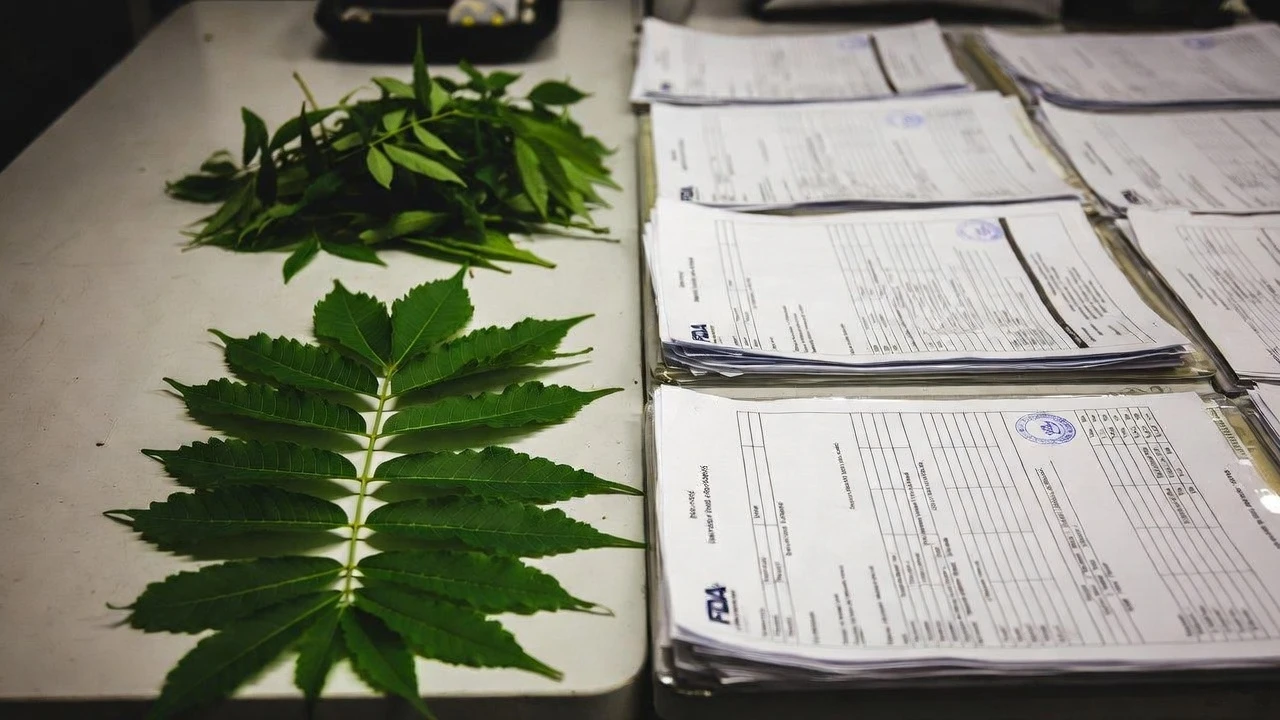

The relationship between kratom and the FDA is one of the most complex and polarizing regulatory stories in modern botanical history. What began as a quiet import alert in 2012 has grown into a multi-agency effort involving seizures worth millions, mandatory recalls, rejected safety filings, and, in 2025, a laser-focused campaign against ultra-potent 7-hydroxymitragynine products. This article will walk you through every major milestone, the legal reasoning behind each action, and exactly where federal policy stands today.
The Beginning: 2012–2014 Import Alerts and the First Major Seizure
In November 2012 the FDA quietly placed kratom on Import Alert 54-15. This single administrative action gave U.S. Customs and Border Protection the power to detain shipments of kratom leaves, powders, capsules, and extracts without even opening the containers if the products appeared destined for human consumption.
The legal basis was straightforward. Many online vendors and head shops were openly marketing kratom for pain relief, mood enhancement, or opioid withdrawal. Claims that automatically turn a botanical into an “unapproved new drug” under the Federal Food, Drug, and Cosmetic Act. Because no company had ever filed (or successfully completed) a New Drug Application for kratom, the FDA viewed every such product as illegal.
Two years later, in September 2014, the agency escalated. Working through the U.S. Marshals Service, the FDA seized more than 25,000 pounds of raw kratom powder from a distributor in Southern California. Valued at over $100,000 wholesale, the destruction order was the first time federal authorities physically removed large quantities of kratom from the domestic market. The press release emphasized that the products were “adulterated” because they contained a new dietary ingredient with no demonstrated safety record.
The 2016 Emergency Scheduling Crisis That Almost Ended Legal Kratom
On August 30, 2016, the Drug Enforcement Administration shocked the kratom community by announcing its intent to place mitragynine and 7-hydroxymitragynine into Schedule I on an emergency basis. Effective within 30 days.
A Schedule I classification would have criminalized possession nationwide and equated kratom’s main alkaloids with heroin and LSD. The FDA provided much of the supporting data, citing rising poison-control calls and the opioid-receptor activity of the alkaloids.
The backlash was unprecedented. More than 140,000 public comments flooded the Federal Register, and 62 members of Congress signed letters urging withdrawal. Advocacy groups organized call-in campaigns, and researchers pointed to centuries of traditional use in Southeast Asia. On October 12, 2016, the DEA officially withdrew the emergency notice and committed to a formal review process instead. An extremely rare reversal.
2017–2018: Deaths, Salmonella, Heavy Metals, and the First Mandatory Recall in History
In November 2017 the FDA issued its strongest public health advisory to date, linking kratom to 44 deaths between 2014 and 2017. While almost all cases involved multiple substances, the agency argued kratom contributed to respiratory depression and cardiac issues.
Three months later, in early 2018, a multistate Salmonella outbreak changed everything. By April, the CDC had confirmed 199 illnesses and 87 hospitalizations across 41 states. All traced to kratom powder from a single supplier. When the company refused to expand its voluntary recall, the FDA invoked its mandatory recall authority for the first time ever on a dietary supplement, ordering the destruction of every contaminated lot.
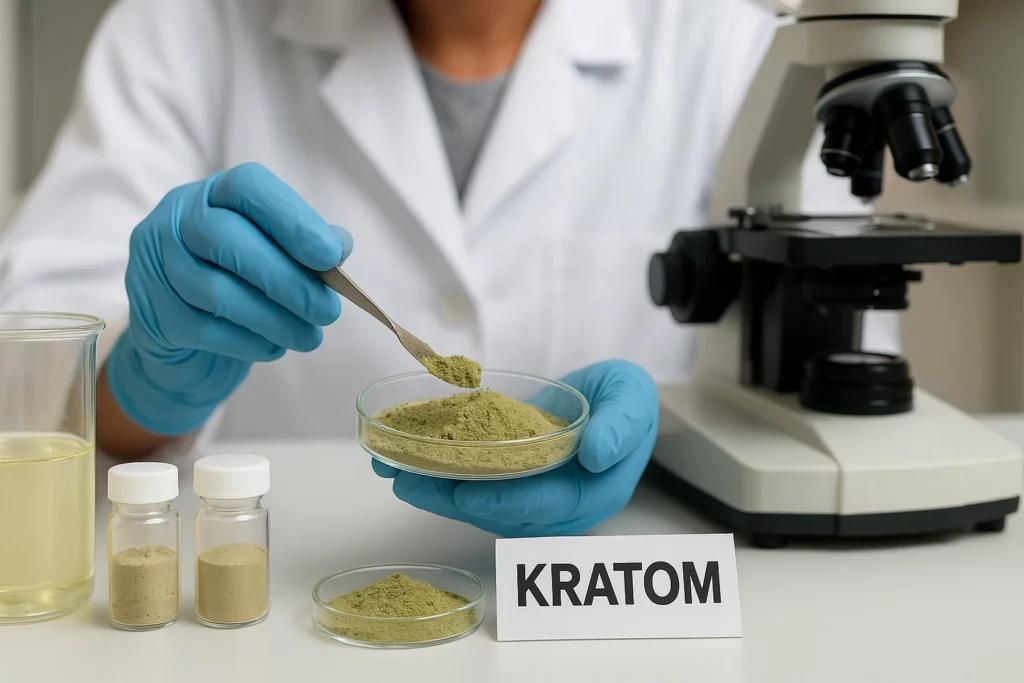
Laboratory testing during the same period revealed another danger: heavy metals. FDA chemists analyzed 30 seized samples and found lead concentrations up to 81 times higher than the agency’s provisional tolerable daily intake for chronic users. Nickel levels were similarly elevated. The agency published the raw data online, allowing independent verification.
2019–2021: Every Safety Filing Rejected and the “Red List” Grows
Between 2014 and 2021, six companies submitted New Dietary Ingredient notifications attempting to establish kratom as a legal supplement. The FDA rejected every single one, citing insufficient toxicology data, lack of identity standards, and evidence of risk. Meanwhile, Import Alert 54-15’s “red list” ballooned. By mid-2019 more than 25 foreign manufacturers and shippers were automatically detained at the border, effectively cutting off major supply lines from Indonesia and Malaysia.
These automatic detentions drastically reduced legal imports, with some industry estimates showing a 30–40% drop in volume entering the U.S. during 2019–2020. The supply squeeze pushed many vendors toward smaller, unlisted sources and increased the risk of contaminated or adulterated products reaching consumers.
2022–2024: Neonatal Withdrawal Cases and Multi-Million-Dollar Domestic Seizures
Medical journals began publishing case reports of newborns experiencing withdrawal symptoms (irritability, jitteriness, and muscle rigidity) after maternal kratom use during pregnancy. Systematic reviews in 2022 and 2023 documented more than a dozen confirmed cases, with most infants requiring morphine treatment and NICU stays averaging 10 days. The FDA updated its public health warnings in 2022 and again in 2024, explicitly advising pregnant and breastfeeding women to avoid kratom entirely due to the risk of neonatal abstinence syndrome and unknown long-term developmental effects.
Domestically, enforcement shifted from border seizures to large-scale raids inside the U.S. In May 2023, U.S. Marshals seized more than $3 million worth of finished kratom products (liquid shots, capsules, and powder) from warehouses in Oklahoma and California in a single coordinated operation, the largest domestic kratom seizure to date at that point. Additional multi-million-dollar actions followed in other states, reflecting the FDA’s growing focus on finished consumer products rather than just raw leaf.

The Turning Point of 2025: FDA Targets Concentrated 7-Hydroxymitragynine, Not the Leaf
July 15, 2025 – Warning Letters to Seven Companies
On this date the FDA sent strongly worded warning letters to seven U.S. vendors marketing gummies, liquid shots, tinctures, and vapes that contained extraordinarily high levels of 7-hydroxymitragynine (7-OH). These products were being sold as “dietary supplements” despite overt drug claims and opioid-like potency.
FDA Lab Findings: 109–509% More 7-OH Than Nature Allows
Independent testing revealed some of these products contained 109% to 509% more 7-OH than occurs naturally in kratom leaf, where it normally constitutes less than 2% of total alkaloids. Many appeared to be chemically enhanced or semi-synthetic.
July 29, 2025 – Formal Schedule I Recommendation to the DEA
Two weeks later, the FDA transmitted its official eight-factor analysis recommending that concentrated and semi-synthetic 7-hydroxymitragynine be placed in Schedule I of the Controlled Substances Act.
Commissioner Makary’s Key Clarification
During the July 29 press conference, FDA Commissioner Marty Makary explicitly stated:
“We are not recommending scheduling of the traditional kratom leaf or ground powder at this time.”
This marked the clearest distinction the agency has ever drawn between traditional botanical kratom and modern ultra-potent extracts.
Current FDA Position on Kratom and the FDA (December 2025)
As of December 2025, the FDA’s official stance breaks down as follows:
- Whole-leaf & traditional powdered kratom: Not federally scheduled; remains subject to Import Alert 54-15 and is considered adulterated if marketed with any drug or disease claims.
- Concentrated or semi-synthetic 7-hydroxymitragynine (7-OH) products: Formal FDA recommendation to the DEA for Schedule I placement (final DEA decision still pending).
- Dietary supplement status: No lawful marketing pathway exists; every New Dietary Ingredient notification ever submitted has been rejected.
- Use in food or beverages: Explicitly prohibited by the FDA.
- Approved medical or therapeutic use: None. Zero FDA-approved drugs or supplements contain kratom or its alkaloids.
- Import status: Automatic detention without physical examination under Import Alert 54-15 (last updated February 2025); most shipments are refused entry or destroyed.
Frequently Asked Questions About Kratom and the FDA
Q: Is kratom illegal in the United States in 2025?
A: No. As of December 2025, traditional kratom leaf and powder are not federally illegal or scheduled. The FDA considers them unapproved and adulterated when sold as supplements or with drug claims, but possession and sale of plain leaf products remain legal in most states.
Q: Did the FDA ban kratom in 2025?
A: No. The FDA did not ban whole-leaf or powdered kratom in 2025. In July 2025 the agency recommended Schedule I placement only for concentrated or semi-synthetic 7-hydroxymitragynine (7-OH) products. Not the traditional plant material itself.
Q: Why is the FDA going after 7-hydroxymitragynine (7-OH) in 2025?
A: Lab testing showed some gummies, shots, and vapes contained 109–509% more 7-OH than occurs naturally in kratom leaf (<2% of total alkaloids). The FDA views these ultra-potent, often chemically enhanced products as semi-synthetic opioids with high abuse potential.
Q: Can you still buy kratom online or in stores in 2025?
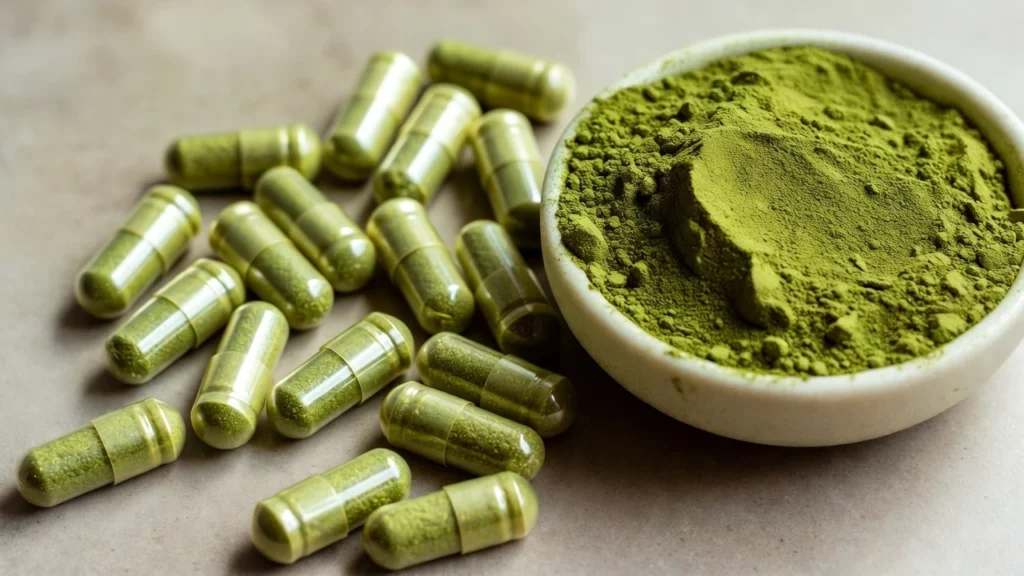
A: Yes, in most states. Traditional kratom powder and capsules remain widely available from vendors who avoid drug claims, use third-party testing, and stay off the FDA’s red list. Availability is lower than a decade ago, but legal adult purchase is still common.
Q: Which states have banned kratom completely in 2025?
A: Six states have full bans as of December 2025: Alabama, Arkansas, Indiana, Louisiana, Vermont, and Wisconsin.
Q: Has the FDA ever approved kratom as a dietary supplement?
A: No. Every New Dietary Ingredient (NDI) notification ever submitted for kratom or its alkaloids has been rejected by the FDA for insufficient safety data. There is currently no lawful pathway to market kratom as a supplement.
Q: What is the current FDA stance on regular kratom powder vs. 7-OH products?
A: Traditional leaf/powder: subject to Import Alert 54-15 and considered adulterated if marketed with claims, but not scheduled. Concentrated or synthetic 7-OH products: formal FDA recommendation to the DEA for Schedule I placement (decision still pending).
What Happens Next?
The FDA opened a new docket in early 2025 specifically requesting human abuse-liability studies on traditional leaf kratom. While the 7-OH scheduling recommendation moves through the DEA’s formal process (expected to conclude in 2026), whole-leaf products remain in a gray area. Neither fully banned nor fully accepted. The era of blanket prohibition attempts appears to be over. The current trajectory points toward regulation of potency, labeling, and manufacturing standards rather than outright criminalization of the plant itself.
For the millions of adults who use kratom responsibly, the difference between a traditional powder and a 500%-enhanced 7-OH shot has never been more consequential. Understanding the evolving stance between kratom and the FDA is now essential for anyone who wants to stay on the right side of both federal and state law.
Disclaimer
The information presented in this blog is for informational and educational purposes only and does not constitute medical, health, legal, or professional advice. Kratom has not been evaluated or approved by the U.S. Food and Drug Administration (FDA) or Health Canada for any medical use, including the treatment of pain, opioid withdrawal, anxiety, depression, or any other health condition. The FDA has repeatedly stated that there is no reliable evidence demonstrating kratom’s safety or effectiveness for any therapeutic purpose and has issued multiple public health warnings regarding its use.
Kratom use has been associated with serious adverse effects, including but not limited to liver toxicity, seizures, respiratory depression, psychosis, addiction, dependence, and withdrawal symptoms. Do not combine kratom with other substances such as alcohol, benzodiazepines, opioids, or stimulants. Contamination with heavy metals (e.g., lead and nickel), Salmonella, and other pathogens has been documented in numerous kratom products, posing additional health risks.
The potency, purity, and alkaloid composition of kratom products can vary dramatically between batches and vendors, even when labeled identically, making dosing unpredictable and increasing the risk of overdose or adverse reactions. Concentrated or semi-synthetic 7-hydroxymitragynine products, in particular, may exhibit opioid-like effects far exceeding those of traditional leaf material and carry a substantially higher risk profile.
Individuals who are pregnant, breastfeeding, have pre-existing medical conditions (especially liver, heart, kidney, or psychiatric disorders), or are taking any medications (including over-the-counter drugs and supplements) should avoid kratom entirely due to the potential for dangerous interactions and unknown long-term consequences. The author and publisher of this article assume no liability for any actions taken based on the information provided herein.