


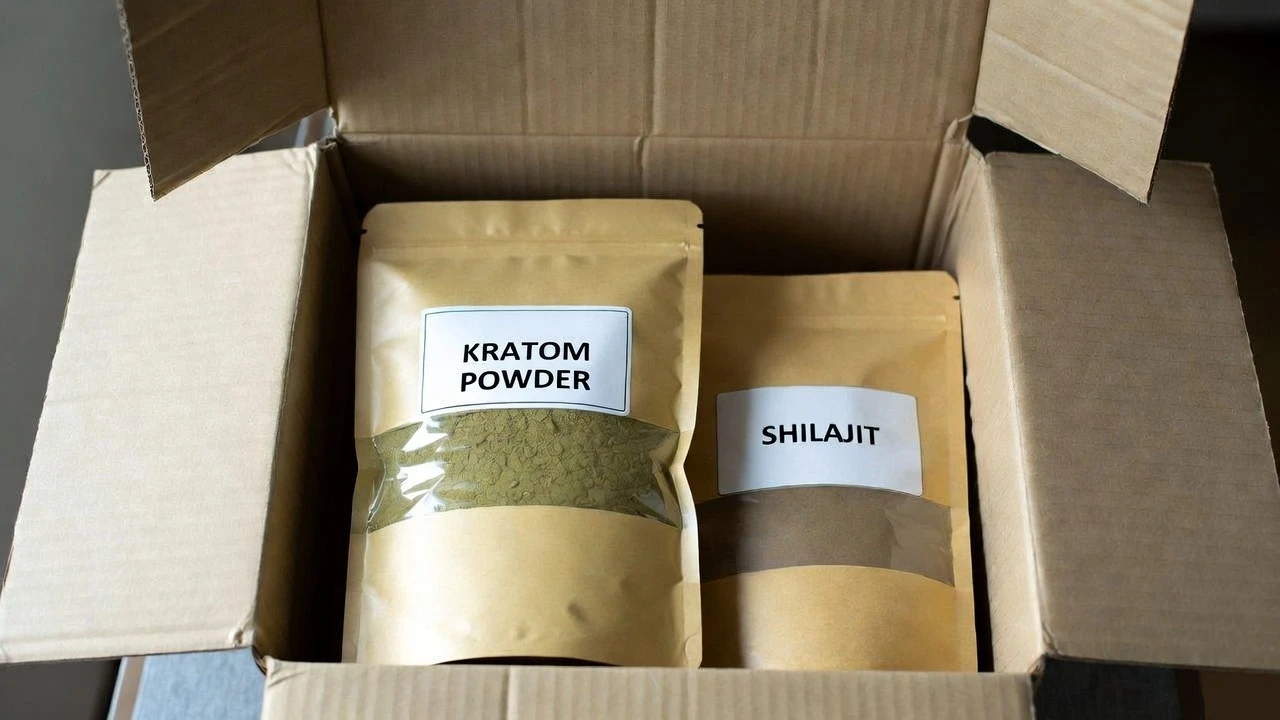

In the ever-growing world of plant-based wellness, few combinations spark as much curiosity as kratom and shilajit. These two completely different botanicals, one a tropical leaf and the other a mineral-rich resin from high mountain rocks have each built devoted followings over centuries. Lately, more people have started exploring what happens when you bring them together. This isn’t about hype or fleeting trends; it’s about understanding two time-tested substances that come from opposite ends of the botanical spectrum yet seem to complement each other in interesting ways for some users.
What Exactly Is Kratom?
Kratom is a tropical evergreen tree native to Thailand, Malaysia, Indonesia, Papua New Guinea, and Myanmar. Local populations in these areas have chewed its leaves or brewed them into tea for hundreds of years, traditionally as a way to combat fatigue during long workdays in the fields or to ease occasional discomfort.
The primary active compounds in kratom leaves are alkaloids, with mitragynine and 7-hydroxymitragynine being the most abundant and most studied. These alkaloids interact with opioid receptors in the brain, though in a different way than classical opioids. At lower amounts, kratom tends to feel stimulating; many users report increased focus, sociability, and physical energy. At higher amounts, the effects shift toward relaxation and mild sedation.
Different vein colours (red, green, white) and regional strains offer slightly different alkaloid balances, which is why users often describe varied experiences depending on the specific type they choose. In Canada and many other countries, kratom remains legal to purchase and possess for adults, though it is not approved as a medicine or dietary supplement by Health Canada. Most people who use it treat it as a botanical tea or powder for personal wellness.
What Exactly Is Shilajit?
Shilajit is far less familiar to the average person, yet it has an equally impressive traditional history. In Sanskrit, the word “shilajit” roughly translates to “conqueror of mountains” or “destroyer of weakness,” which gives you an idea of how Ayurvedic practitioners have viewed it for at least 3,000 years.
Shilajit is a sticky, tar-like substance that seeps from rocks in high-altitude regions, especially the Himalayas. It forms when certain plants and organic matter get compressed between layers of rock and slowly decompose under intense pressure and microbial activity over centuries. The end result is a complex resin loaded with fulvic acid, humic acid, dibenzo-alpha-pyrones, and more than 80 trace minerals.
Traditional uses in Ayurveda center around rejuvenation (known as a rasayana tonic), supporting stamina, cognitive clarity, and healthy aging. Himalayan sherpas and porters have long carried small balls of raw shilajit as a high-energy food during expeditions. High-quality shilajit is purified through a careful process of dissolving in water, filtering, and low-heat evaporation to remove impurities and heavy metals. The final product ranges from dark reddish-brown to jet black and dissolves completely in warm water, milk or coffee.
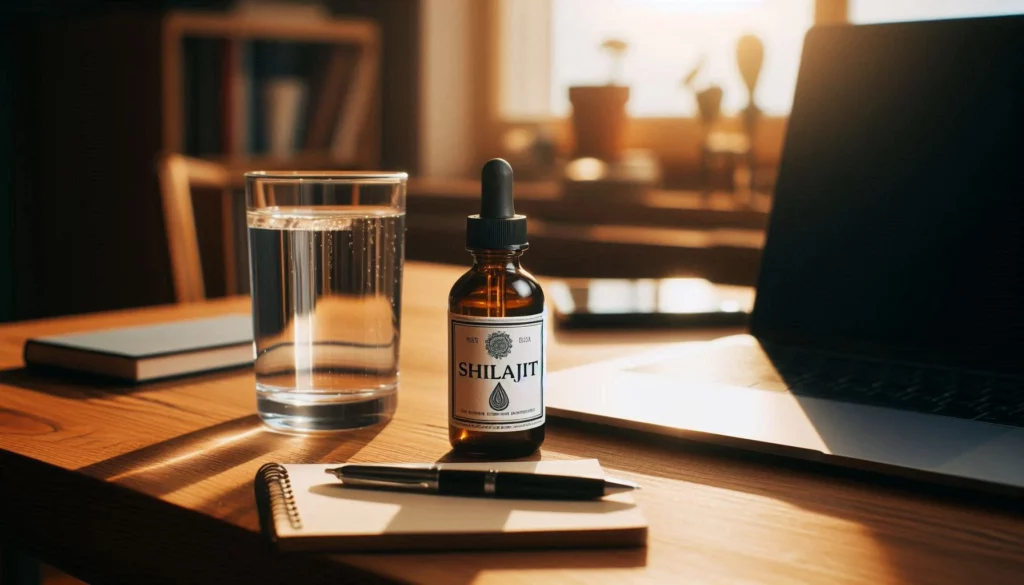
Why Do People Pair Kratom and Shilajit?
The idea of combining these two botanicals didn’t come from a lab or a marketing team; it grew organically in online communities where experienced users started sharing their personal routines. Over the last ten years, certain patterns have repeated enough that they’ve become the main reasons people experiment with the duo.
Sustained Energy Without the Afternoon Drop
White and green-vein kratom are famous for delivering a clean, focused lift that many compare to a strong cup of coffee but without the excessive wired feeling. The stimulation usually peaks around the 2–4 hour mark and then gradually fades. For a significant number of daily users, that fade can leave a subtle heaviness or desire to nap, especially if they’re using kratom in the morning or early afternoon.
Shilajit enters the picture here because of its high fulvic acid content and bioavailable minerals. Fulvic acid is known for improving nutrient and oxygen delivery at the cellular level, and many users feel it provides a slow, steady energy that lingers long after the kratom alkaloids have metabolized. Instead of reaching for another dose of kratom (which can build tolerance quickly), they find one morning serving of each carries them comfortably through the entire workday.
Supporting Mineral Balance and Electrolyte Recovery
Long-term kratom enthusiasts sometimes notice signs that look a lot like mineral depletion: muscle twitches, restless legs at night, or a vague “wired but tired” feeling. While no large-scale studies have confirmed kratom directly depletes minerals, the plant does have mild diuretic properties for some individuals, and frequent urination can increase the loss of magnesium, potassium, and trace elements.
Shilajit is one of nature’s most mineral-dense substances, containing ionic forms of magnesium, potassium, calcium, zinc, selenium, and dozens of others. Because these minerals are bound to fulvic and humic acids, they’re highly bioavailable, meaning the body can absorb and use them efficiently. Users who add shilajit on a daily or near-daily basis often say they experience fewer of those depletion-like symptoms, sleep more deeply, and wake up feeling more refreshed even on days they continue using kratom.
A Brighter, More Stable Mood Lift
Kratom’s mood-enhancing effects come largely from its action on mu-opioid receptors and its influence on serotonin and dopamine release. The lift can be noticeable and welcome, but some people find it has a slight “roller-coaster” quality: great for a few hours, then a subtle flatness afterward.
In Ayurvedic tradition, shilajit is classified as a medhya rasayana (brain rejuvenative) and is traditionally used to stabilize mood, sharpen memory, and reduce anxiety over time. Modern lab analysis shows it contains dibenzo-alpha-pyrones (DBPs) and fulvic acid, compounds that have demonstrated antioxidant and mild MAO-inhibiting properties in preliminary research. While that doesn’t make shilajit an antidepressant, many users describe the combination as giving a cleaner, less “edgy” mood boost than kratom alone. The emotional uplift feels rounded out and more resilient to everyday stressors.
Enhanced Cognitive Clarity and Mental Stamina
Both plants have traditional reputations for supporting mental performance, but in different ways. Lower to moderate amounts of kratom are prized for focus and verbal fluency; people often say conversations flow more easily and tasks that require sustained attention feel less draining.
Shilajit has been used for centuries by Ayurvedic physicians and Himalayan yogis to support meditation and mental endurance. Today’s users frequently report that adding shilajit sharpens the mental edge they get from kratom without pushing them into overstimulation. Students, writers, programmers, and others who spend long hours in front of screens are some of the most vocal proponents of this particular synergy. They describe being able to work for 6–8 hours with fewer mental dips and less need for caffeine or other stimulants.
Antioxidant and Cellular Protection
Kratom leaves contain a variety of polyphenols, flavonoids, and other plant antioxidants that help neutralize free radicals generated during normal metabolism. Shilajit takes this concept further: it is one of the richest natural sources of fulvic acid, a molecule that not only acts as an antioxidant itself but also helps transport other antioxidants and minerals directly into cells.
Mitochondrial health is a hot topic in longevity circles, and fulvic acid has shown in laboratory settings to support mitochondrial function and reduce oxidative stress. While no human trials have tested the two plants together, the theoretical overlap is clear: both bring compounds that protect cells from daily wear and tear. Long-term users who care about healthy aging often cite this as a quiet but compelling reason to keep both in their routine.
Physical Recovery and Reduced Next-Day Soreness
Active individuals, especially those who lift weights, hike, or practice martial arts, form another vocal subgroup that experiments with the combination. Kratom (especially red and green strains) has a well-established reputation among athletes for easing post-workout muscle soreness and promoting relaxation without heavy sedation.
When shilajit is added, many report that recovery feels noticeably faster. They wake up with less stiffness, better morning mobility, and a subjective sense that their body “bounces back” more quickly between training sessions. The high mineral content, improved nutrient delivery from fulvic acid, and mild antidit-inflammatory properties of certain shilajit compounds are the most commonly cited mechanisms.
Traditional Energetic Alignment Across Systems
Even though kratom and shilajit never historically met (one is Southeast Asian, the other Himalayan), enthusiasts who study traditional medicine notice interesting parallels. In Thai and Malay folk practice, kratom is considered warming and energizing, often used to balance cool, damp conditions or to support laborers working in humid heat.
In Ayurveda, shilajit is a premier rasayana that strengthens ojas (the deepest vitality reserve) and balances all three doshas, with particular affinity for building strength and resilience. Practitioners who blend the two systems sometimes describe the pairing as “warming the surface while deeply nourishing the core,” a concept that resonates with people who think in energetic rather than purely biochemical terms.
These expanded reasons reflect the real, day-to-day observations shared by thousands of users across forums, Reddit communities, and private groups over the past decade. None of them are universal; individual biochemistry always has the final say, but taken together they explain why the kratom and shilajit combination has moved from obscure experiment to a recognized (if still niche) daily stack for a growing number of plant-medicine enthusiasts.
How People Typically Combine Them
There is no standardized protocol, but several common approaches have developed organically:
- Morning stack: A moderate amount of white or green kratom (2–4 grams) mixed into the same glass as dissolved shilajit (300–500 mg). Users often add a bit of citrus or honey to improve taste and aid absorption.
- Afternoon pick-me-up: Those who prefer red strains later in the day sometimes pair a smaller amount of red kratom with shilajit to avoid evening sluggishness.
- Pre-workout blend: Some fitness-minded individuals take both about 45–60 minutes before training, reporting sustained energy and reduced post-workout soreness.
- Plain-and-simple rotation: Others simply alternate days or take shilajit on “off” days from kratom to support recovery.
Taste and Preparation Notes
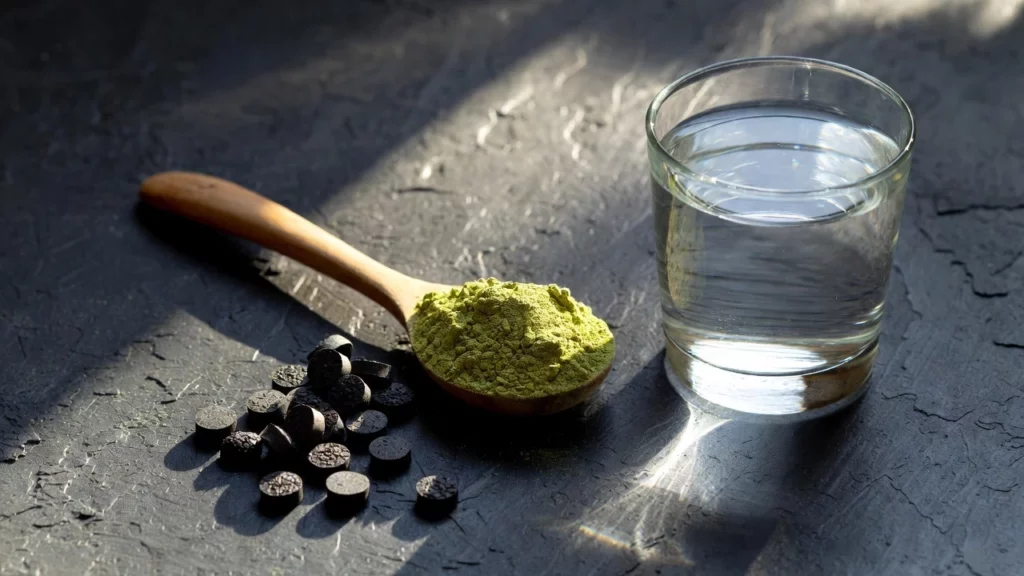
Neither substance wins awards for flavour. Kratom is notoriously bitter, while purified shilajit has an intense, earthy, almost smoky taste. Many people mask both with orange juice, chocolate milk, or capsules. Empty capsules are especially popular for those who want convenience and zero taste.
Quality Matters More Than Ever When Combining
Because you’re introducing two potent botanicals at once, sourcing becomes critically important. For kratom: look for lab-tested products that screen for heavy metals, salmonella, and alkaloid content. Reputable vendors provide certificates of analysis (COAs) from third-party labs.
For shilajit: authentic high-grade shilajit should dissolve completely in warm water with no residue and test below detectable limits for heavy metals. Low-grade or fake shilajit (sometimes just ground-up soil or fulvic acid powder dyed black) is unfortunately common. When you combine two powerful substances, any contaminants get multiplied, so purity is non-negotiable.
Individual Responses Vary Widely
This point cannot be stressed enough. Some people feel an almost immediate synergy when they take kratom and shilajit together. Others notice little difference. A smaller group prefers to keep them separate. Factors like body weight, metabolism, tolerance, diet, hydration, and even time of day all influence the experience. Starting low and slow is the universal recommendation from experienced users. Begin with your normal kratom amount and add just 200–300 mg of shilajit the first time. Wait a full day or two before adjusting.
Potential Interactions and Precautions
While no dangerous pharmacological interactions have been documented between mitragynine/7-OH-mitragynine and the compounds in shilajit, basic caution still applies:
- Both can affect energy levels, so avoid driving or operating machinery if you feel unusually drowsy or stimulated at first.
- Shilajit naturally contains iron; those with hemochromatosis or on iron-restricted protocols should consult a professional.
- Anyone on prescription medication (especially opioids, benzodiazepines, or antidepressants) should exercise extra care with kratom regardless of shilajit.
- Stay well hydrated; both substances can have mild diuretic effects for some people.
Cultural and Historical Context
It’s fascinating to step back and realize that kratom and shilajit come from completely different medical traditions that never historically overlapped. Kratom was part of Southeast Asian folk medicine and labor culture. Shilajit was reserved for yogis, royalty, and high-altitude dwellers in India, Nepal, Tibet, and Central Asia.
The fact that modern global access now allows someone in Toronto or Vancouver to sit down with both on the same morning would have been unthinkable even thirty years ago. In a way, the kratom and shilajit combination is a perfect example of how the internet era has created entirely new chapters in botanical history.

Frequently Asked Questions About Kratom and Shilajit
Q: Is it safe to take kratom and shilajit together every day?
A: Many experienced users take them daily without issue, but there is no long-term clinical data on the exact combination. Most who do keep kratom under 6 g per day and shilajit in the 300–600 mg range. Taking occasional breaks (a few days off every couple of weeks) and listening to your body remain common harm-reduction practices.
Q: Can I mix kratom and shilajit in the same drink or capsule?
A: Yes, both mix easily. Shilajit fully dissolves in warm water or milk, and kratom powder can be stirred in or tossed-and-washed. Many people load both into empty “00” capsules (one capsule holds roughly 500–700 mg total) for taste-free convenience.
Q: How long does it take to notice the combination differently from kratom alone?
A: Most people feel a difference within the first 3–7 days of consistent use, especially in sustained energy and the second half of the day. Shilajit’s effects tend to build gradually because of its mineral and fulvic-acid content.
Q: Does the vein colour of kratom matter when pairing with shilajit?
A: It does for most users. White and green veins are the most popular because people want the stimulating lift rounded out by shilajit’s steady energy. Red veins are used less often in the combo since both can lean relaxing in higher amounts.
Q: Will this combination show up on a standard drug test?
A: Standard 5-panel or 10-panel workplace tests do not screen for mitragynine or any compounds unique to shilajit. Specialized kratom tests exist but are uncommon outside probation or treatment programs.
Q: What’s the best time of day to take kratom and shilajit together?
A: Morning, within an hour of waking, is by far the most common timing. A smaller second serving in early afternoon works for some, but most avoid either within 5–6 hours of bedtime to protect sleep quality.
Q: Is there any group that should avoid combining them?
A: People with gout, high uric acid, hemochromatosis (iron overload), or those on prescription blood thinners should be cautious with shilajit. Anyone on opioid medications, sedatives, or certain antidepressants needs extra care with kratom regardless of adding shilajit.
Q: Will shilajit reduce or reset kratom tolerance?
A: There’s no evidence it directly resets tolerance to mitragynine. Some users feel they need less kratom over time because overall well-being and energy are higher, but this appears subjective rather than a true pharmacological tolerance break.
Conclusion
Kratom and shilajit remain two of the most intriguing and polarizing plants in the current wellness conversation. Each has a rich traditional backstory, a complex chemical profile, and a passionate user base. Bringing them together is still very much an experiment in progress, driven by individual curiosity rather than institutional guidance. For some, the pairing feels like a genuine enhancement: cleaner energy, brighter mood, faster recovery. For others, the benefits are subtle or nonexistent. Either response is valid.
If you’re already familiar with one and thinking about trying the other, move forward thoughtfully. Pay attention to your body, keep amounts conservative, source from transparent vendors, and give yourself permission to adjust or abandon the combination if it doesn’t serve you. Plant medicine has always been as much art as science. The kratom and shilajit story is simply the latest chapter being written, one personal experience at a time.
Disclaimer
The information presented in this article is for educational and informational purposes only. It is not intended to serve as medical advice, diagnosis, or treatment. Kratom (Mitragyna speciosa) and shilajit are not approved by Health Canada, the FDA, or any major regulatory agency as dietary supplements, foods, or medicines. Their safety, efficacy, and long-term effects, especially when used in combination, have not been adequately studied in controlled clinical trials.
Kratom contains alkaloids that interact with opioid receptors and may carry risks of dependence, withdrawal symptoms, tolerance, and in rare cases serious adverse effects including seizures, liver injury, or respiratory depression. These risks are higher at large doses or when kratom is combined with other central nervous system depressants such as prescription opioids, benzodiazepines, alcohol, or certain antidepressants.
Shilajit, while traditionally regarded as safe when properly purified, may contain variable levels of heavy metals or other contaminants if sourced poorly. Its high mineral content, including iron, can be problematic for individuals with hemochromatosis, gout, kidney disorders, or those taking blood-thinning medications. Combining kratom and shilajit introduces additional unknowns because no formal pharmacological interaction studies exist for this specific pairing. Side effects, allergic reactions, or unexpected interactions remain possible.
You should consult a licensed healthcare professional, ideally one knowledgeable about botanical medicines, before using kratom, shilajit, or any combination thereof. This is especially important if you are pregnant, breastfeeding, under 18, have a history of substance use disorder, liver or kidney disease, cardiovascular issues, mental health conditions, or are taking any prescription or over-the-counter medications. The authors and publishers assume no liability for any consequences arising from the use or misuse of kratom, shilajit, or the combination described herein.