


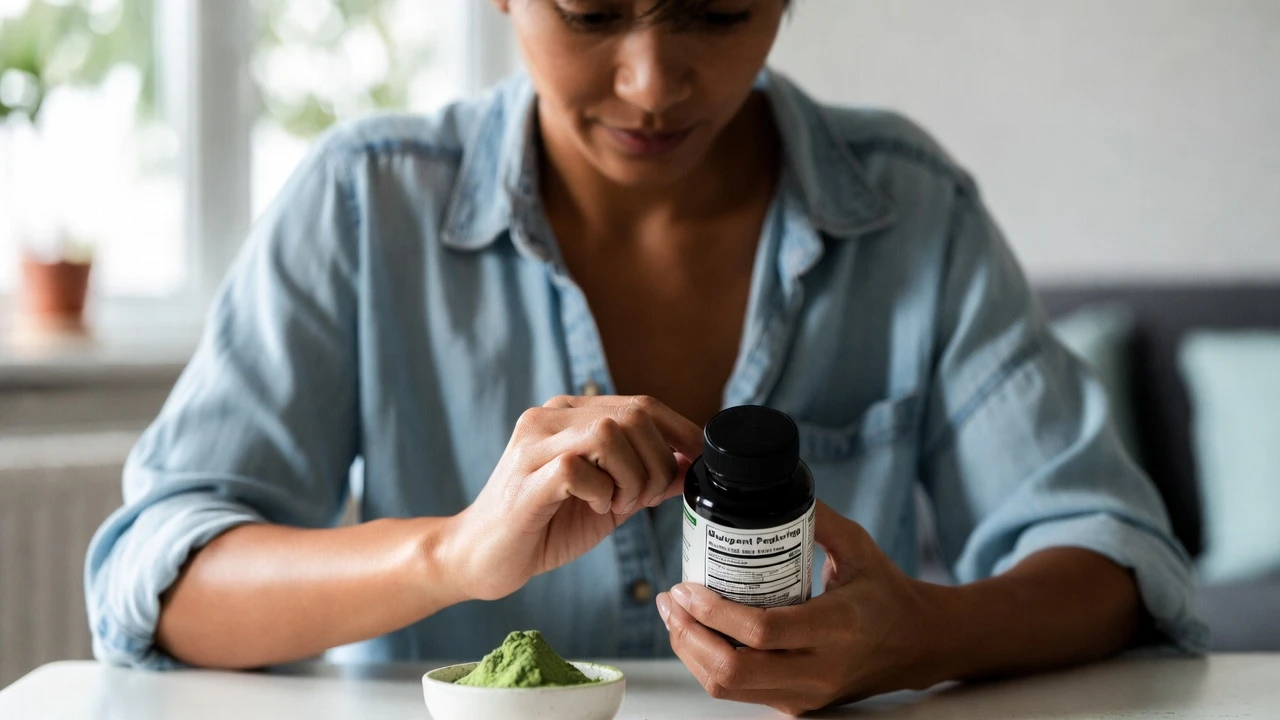

As interest in natural wellness options continues to grow, many people are exploring plant-based substances for support with mood, discomfort, and daily energy. Among these, kratom has gained attention for its unique effects derived from the Mitragyna speciosa tree. However, questions often arise about potential risks, particularly when it comes to kratom and serotonin syndrome, a serious condition linked to excessive serotonin activity in the brain and body.
This condition is most commonly associated with certain prescription medications, but interactions with other substances can also contribute. Understanding how kratom may fit into this picture is essential for making informed choices. While kratom is frequently discussed for its potential benefits, awareness of possible interactions helps prioritize safety in the evolving landscape of plant medicines.
What Is Serotonin Syndrome?
Serotonin syndrome is a form of toxicity resulting from overactivation of serotonin receptors. Serotonin is a neurotransmitter that helps regulate mood, appetite, sleep, and other functions. When levels become excessively high or receptors are stimulated too intensely, the body can react in ways that disrupt normal processes.
Symptoms often develop quickly, sometimes within hours of a triggering event. Mild cases might involve restlessness, sweating, or dilated pupils. Moderate symptoms can include high blood pressure, rapid heart rate, confusion, and muscle twitching. In severe instances, individuals may experience high fever, seizures, irregular heartbeat, or unconsciousness. Early recognition is key, as prompt medical care can prevent complications.
This condition is diagnosed using criteria like the Hunter Serotonin Toxicity Criteria, which focus on clinical signs such as clonus (muscle contractions), agitation, and hyperreflexia. Healthcare providers assess recent substance use, including medications and supplements, to identify potential causes.
How Serotonin Levels Become Imbalanced
Several factors can lead to elevated serotonin activity. Many antidepressants, such as selective serotonin reuptake inhibitors (SSRIs) and serotonin-norepinephrine reuptake inhibitors (SNRIs), increase serotonin availability by preventing its reabsorption. Other drugs, including certain pain medications, migraine treatments, and even over-the-counter cough remedies, can contribute when combined.
Drug interactions are a major concern. For example, when one substance inhibits enzymes that break down serotonergic medications, it can cause those drugs to build up in the system. This pharmacokinetic effect amplifies serotonin exposure. Additionally, substances that directly stimulate serotonin receptors add to the overall load. Lifestyle factors and individual differences, such as genetic variations in metabolism, can influence susceptibility. People with certain enzyme deficiencies may process compounds more slowly, raising risks during polypharmacy.
Kratom’s Effects on the Brain and Body
Kratom contains multiple alkaloids and the primary ones include mitragynine and 7-hydroxymitragynine, which interact mainly with opioid receptors to produce pain-relieving and mood-altering effects. At lower doses, users often report stimulation, while higher amounts tend toward sedation.
Beyond opioid pathways, kratom alkaloids influence other systems. Some, such as speciogynine and paynantheine, show affinity for serotonin receptors, particularly 5-HT1A and 5-HT2B types. This interaction can contribute to mood enhancement or relaxation that many describe. Kratom also affects adrenergic and dopaminergic systems, creating a complex profile that blends stimulant and calming properties.
Mitragynine acts as a partial agonist at mu-opioid receptors, differing from full agonists like morphine. This partial activity may explain why some experience fewer respiratory issues compared to traditional opioids. However, the full spectrum of effects depends on dose, strain, and individual response.

Kratom Alkaloids and Their Specific Interactions with Serotonin Receptors
While the primary focus of kratom research has been on its opioid receptor activity, several alkaloids also demonstrate notable interactions with serotonin receptors. These interactions help explain some of the mood-related effects reported by users but also contribute to understanding potential risks when combined with other serotonergic substances.
Pharmacological studies have shown that paynantheine and speciogynine exhibit high binding affinity for the 5-HT1A receptor, with Ki values in the low nanomolar range (around 32 nM for paynantheine and 39 nM for speciogynine). In contrast, the main alkaloid mitragynine shows much weaker affinity at this receptor (Ki >1,000 nM), as does speciociliatine. Similar patterns appear at the 5-HT2B receptor, where paynantheine and speciogynine bind with submicromolar affinity (Ki around 20 – 23 nM), while mitragynine and speciociliatine have negligible binding.
These affinities suggest that paynantheine and speciogynine may act as partial agonists or modulators at 5-HT1A receptors, potentially contributing to anxiolytic or mood-enhancing effects without strong activation of pathways linked to more intense serotonergic overstimulation. Importantly, in vitro tests indicate that these alkaloids do not significantly activate 5-HT2B receptors in a functional sense, which is relevant since 5-HT2B activation has been associated with certain cardiovascular concerns in other contexts.
Overall, the serotonin receptor interactions of kratom alkaloids are selective and generally weaker for the dominant compound mitragynine. This profile supports why direct, isolated causation of severe serotonin syndrome from kratom is uncommon, but it also underscores the additive potential when other factors increase overall serotonergic tone.
The Connection Between Kratom and Serotonin Syndrome
Why Isolated Use Is Uncommon
Direct causation of serotonin syndrome from kratom alone appears uncommon based on available information. Most documented cases involve combinations with other serotonergic substances.
Role of Cytochrome P450 Enzyme Inhibition
Kratom’s ability to inhibit certain cytochrome P450 enzymes, including CYP2D6, CYP3A4, and others involved in metabolizing antidepressants and antipsychotics, can lead to higher levels of those drugs in the bloodstream.
Reported Cases and Combinations
In reported instances, individuals using multiple serotonergic medications alongside kratom experienced symptoms consistent with the condition. For example, combinations with SSRIs, SNRIs, buspirone, trazodone, or similar agents have been linked to presentations including agitation, tremors, and altered mental status. These cases highlight how kratom’s enzyme inhibition can potentiate the effects of prescription drugs.
Contributions from Kratom Alkaloids
Some alkaloids in kratom bind to serotonin receptors with notable affinity, potentially contributing to serotonergic activity. In high doses or specific scenarios, this might produce mild symptoms resembling the syndrome, such as jitteriness or muscle effects. However, isolated kratom use rarely meets full diagnostic criteria for severe cases without additional factors.
Health authorities, including the FDA, note kratom’s interactions with brain systems like serotonin but emphasize that serious adverse events often involve polydrug use. Awareness of these dynamics encourages caution.
Recognizing Symptoms and Seeking Help
Common Signs and Symptoms
Identifying serotonin syndrome early can make a significant difference. Common signs include:
- Mental changes: agitation, confusion, hallucinations
- Autonomic effects: rapid heartbeat, high blood pressure, fever, sweating
- Neuromuscular issues: tremors, muscle rigidity, hyperreflexia, clonus
When to Seek Immediate Help
If symptoms appear after starting or increasing a substance, especially in combination, seek immediate medical attention.
Treatment Approaches
Treatment typically involves stopping the offending agents, supportive care like cooling and hydration, and sometimes medications such as cyproheptadine (a serotonin antagonist) or benzodiazepines for agitation. Hospital monitoring ensures vital signs stabilize and complications are avoided. Most cases resolve with proper intervention, but delays can lead to serious outcomes.
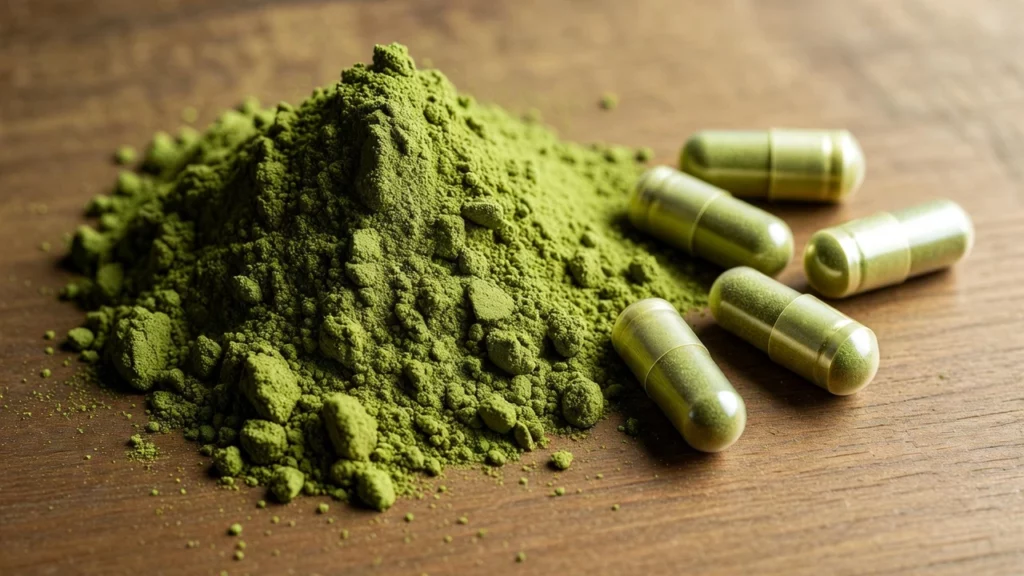
Risk Factors and Precautions
- Concurrent use of multiple serotonergic drugs tops the list. People on antidepressants, anti-anxiety medications, or pain therapies should be particularly mindful.
- High doses of any substance amplify potential issues.
- Individual variability matters. Those with slower metabolism due to genetics or liver conditions may face greater risks. Age, overall health, and hydration also influence how the body handles compounds.
Precautions include:
- Starting low with any new substance
- Monitoring for unusual symptoms
- Consulting healthcare providers about current regimens
Open communication about supplement use helps professionals assess interactions accurately.
Harm Reduction Strategies and When to Consult Professionals
Approaching any substance with harm reduction in mind prioritizes safety and informed decision-making. For those considering or using kratom, several practical steps can help minimize risks, particularly related to serotonin-related concerns.
Begin with the lowest effective dose and increase gradually while observing personal responses over time. Track intake, effects, and any unusual symptoms in a journal to identify patterns early. Avoid combining kratom with known serotonergic medications or substances, such as SSRIs, SNRIs, buspirone, trazodone, certain migraine treatments, or recreational drugs that affect serotonin levels. This is especially important given kratom’s potential to inhibit liver enzymes like CYP2D6 and CYP3A4, which can lead to higher concentrations of those medications.
Stay well-hydrated, maintain consistent sleep and nutrition, and be mindful of overall health factors that influence metabolism. If any mild serotonergic-like symptoms emerge (such as restlessness, mild tremors, or increased agitation), discontinue use immediately and monitor closely.
Consulting a healthcare professional is essential before starting kratom, particularly if taking prescription medications, having pre-existing conditions, or a history of substance use. Be transparent about all supplements and substances used, as this allows for accurate risk assessment and personalized guidance. In cases of suspected interactions or emerging symptoms, seek medical help promptly rather than waiting for resolution on your own.
These strategies emphasize responsibility, education, and proactive communication, helping individuals navigate choices with greater confidence and reduced potential for adverse outcomes.
Kratom’s Broader Context in Wellness Discussions
People explore kratom for diverse reasons, from helping with physical discomfort to aiding emotional balance. Its traditional use in Southeast Asia spans centuries for labour endurance and social purposes. Modern interest stems from perceptions of it as a gentler alternative for managing daily challenges.
However, the lack of regulation means product quality varies. Contaminants or inconsistent alkaloid levels can introduce unexpected effects. Responsible sourcing and moderation remain important principles. Research continues to clarify kratom’s pharmacology. Studies on receptor interactions provide insights into both benefits and risks. As knowledge evolves, informed decisions become easier.
Safer Practices and Alternatives
For those concerned about serotonin-related risks, several strategies promote safety. Thorough research on any substance is essential. Discussing plans with knowledgeable professionals ensures alignment with personal health needs. Alternatives for mood or discomfort support include lifestyle approaches like exercise, mindfulness, and balanced nutrition. When medications are involved, adherence to prescribed regimens without unguided additions reduces complications. If exploring plant options, gradual introduction and tracking responses help identify what works best individually.

Frequently Asked Questions
Q: Can kratom alone cause serotonin syndrome?
A: Direct causation of serotonin syndrome from kratom use by itself appears uncommon based on available information. Most documented cases involve combinations with other serotonergic substances, such as prescription antidepressants or other drugs that affect serotonin levels. Isolated use rarely meets full diagnostic criteria for severe serotonin syndrome.
Q: How does kratom interact with serotonergic medications like SSRIs or SNRIs?
A: Kratom can inhibit certain cytochrome P450 enzymes (such as CYP2D6 and CYP3A4) that metabolize many serotonergic medications, potentially leading to higher levels of those drugs in the bloodstream. This pharmacokinetic interaction, combined with some kratom alkaloids’ affinity for serotonin receptors, can increase the overall serotonergic load and contribute to symptoms in combination scenarios.
Q: What are the main symptoms of serotonin syndrome to watch for?
A: Symptoms typically include mental changes like agitation or confusion, autonomic effects such as rapid heartbeat, high blood pressure, fever, or sweating, and neuromuscular issues like tremors, muscle rigidity, or hyperreflexia. They can develop quickly and range from mild to severe; early medical attention is crucial if they appear after using substances that affect serotonin.
Q: Is it safe to use kratom if I’m taking antidepressants?
A: Concurrent use with serotonergic medications (including SSRIs, SNRIs, buspirone, trazodone, and similar agents) carries a higher risk of interactions and should be approached with caution. Many reported cases of symptoms consistent with serotonin syndrome involve such combinations. Consulting a healthcare provider before using kratom is essential for personalized risk assessment.
Q: What should I do if I experience possible symptoms after using kratom?
A: Stop use immediately, monitor symptoms closely, and seek immediate medical attention if signs like agitation, rapid heart rate, tremors, confusion, or fever appear – especially after combining substances. Treatment often involves discontinuation of triggering agents, supportive care, and sometimes specific medications; prompt intervention usually leads to resolution.
Final Thoughts on Kratom and Serotonin Syndrome
Understanding kratom and serotonin syndrome empowers better choices in a landscape of natural wellness options. While kratom offers unique effects through its alkaloid profile, the potential for interactions, particularly with serotonergic medications, warrants respect and caution. Most concerns arise in combination scenarios rather than isolated use, underscoring the value of awareness.
By staying informed about symptoms, risks, and responsible practices, individuals can navigate these topics thoughtfully. Prioritizing health through education and professional guidance supports safer exploration of plant medicines. As science advances, clearer pictures emerge, helping everyone make decisions that align with well-being.
Disclaimer
This information provided in this blog is for educational purposes only and is not medical advice, diagnosis, treatment recommendations, or a substitute for professional healthcare guidance in Canada or elsewhere. Kratom (Mitragyna speciosa) is unregulated in Canada. Health Canada has not authorized it for sale as a consumable product or for human consumption and considers it unsafe when swallowed or inhaled due to risks including seizures, liver toxicity, rapid heartbeat, nausea, dependence, and potential for abuse.
Isolated kratom use rarely causes severe serotonin syndrome, but cases have been reported, especially when combined with serotonergic medications such as SSRIs, SNRIs, buspirone, or trazodone. Kratom can interact with serotonin receptors and inhibit enzymes like CYP2D6 and CYP3A4, potentially raising levels of other drugs and increasing serotonergic effects. Serotonin syndrome is a potentially life-threatening condition. Seek immediate medical help for symptoms like agitation, rapid heart rate, high fever, muscle rigidity, tremors, or confusion. Kratom has no approved medical uses in Canada, and its safety and long-term effects are under-researched.
The author and publisher are not liable for any loss, injury, claim, liability, damages, or costs arising from the use of this information or reliance on it. Always consult a qualified Canadian healthcare provider before using kratom, especially if you take medications, have health conditions, are pregnant, breastfeeding, or planning surgery. Use of kratom carries risks, and users assume full responsibility for any outcomes.