7 Ways Kratom and Mitochondrial Function Can Boost Energy
Faust
Kratom, a tropical plant native to Southeast Asia, has gained attention for its potential to influence energy, mood, and overall well-being. While its traditional use as a stimulant and pain reliever is well-documented, modern science is beginning to explore how kratom interacts with the body at a cellular level. One of the most intriguing areas of study is kratom and mitochondrial function, which refers to how this plant’s alkaloids may affect the powerhouses of our cells: the mitochondria. These tiny organelles are responsible for producing the energy that fuels nearly every biological process in the human body. Understanding how kratom influences mitochondrial function offers a window into its energizing effects and broader implications for cellular health.
What Are Mitochondria and Why Do They Matter?
Mitochondria are often described as the power plants of our cells. Found in nearly every cell of the body, these organelles convert nutrients from food into adenosine triphosphate (ATP), the molecule that serves as the primary energy currency for cellular activities. This process, known as oxidative phosphorylation, occurs within the inner mitochondrial membrane, where a series of protein complexes, collectively called the electron transport chain, work together to generate ATP.
Beyond energy production, mitochondria play roles in regulating cellular metabolism, maintaining calcium balance, and even triggering programmed cell death when necessary. Their efficiency directly impacts how energized we feel, how well our muscles perform, and how effectively our organs function. When mitochondrial function is compromised, it can lead to fatigue, reduced physical endurance, and a host of health challenges. This makes kratom’s potential influence on mitochondrial function a compelling topic for those seeking natural ways to boost vitality.
Kratom’s Active Compounds: The Alkaloids at Play
Kratom, scientifically known as Mitragyna speciosa, contains over 50 alkaloids, with mitragynine and 7-hydroxymitragynine being the most studied. These compounds are responsible for kratom’s diverse effects, from stimulation at lower doses to sedation at higher ones. To understand kratom and mitochondrial function, we must first look at how these alkaloids interact with the body’s systems, particularly those linked to energy metabolism.
Mitragynine, the primary alkaloid, makes up roughly 1-2% of kratom’s dry leaf mass and is known for its stimulant-like properties. It interacts with opioid receptors in the brain, but its effects extend beyond the nervous system, potentially influencing metabolic pathways. 7-Hydroxymitragynine, though present in smaller amounts, is significantly more potent and contributes to kratom’s analgesic and energizing effects. Other alkaloids, such as speciogynine and paynantheine, may also play roles, though their specific impacts on cellular energy are less understood.
These alkaloids don’t directly target mitochondria in the way a nutrient like coenzyme Q10 might, but their interactions with receptors, enzymes, and metabolic pathways can indirectly influence mitochondrial efficiency. Let’s explore the seven key ways kratom may enhance mitochondrial function and cellular energy production.
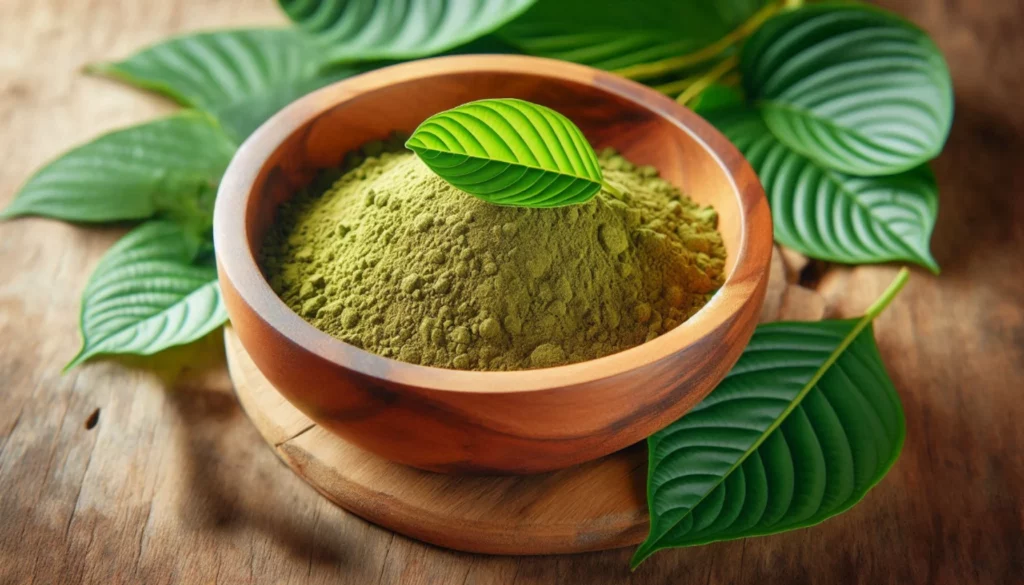
Green kratom powder in a wooden bowl with a decorative leaf, complemented by green leaves on a wooden surface.
1. Enhancing Metabolic Efficiency Through Opioid Receptor Activation
One of the primary ways kratom may influence mitochondrial function is through its interaction with opioid receptors, particularly the mu-opioid receptor. These receptors, found throughout the body, are involved in pain perception, mood regulation, and energy metabolism. When kratom’s alkaloids bind to these receptors, they can trigger a cascade of cellular signals that affect how cells utilize energy.
For example, opioid receptor activation has been linked to improved glucose metabolism, which is critical for providing the raw materials mitochondria need to produce ATP. By enhancing glucose uptake and utilization, kratom may indirectly support mitochondrial function, ensuring cells have a steady supply of fuel. This could explain why many users report increased alertness and physical stamina after consuming kratom, particularly at lower doses.
This metabolic boost is especially relevant for individuals engaged in physically demanding tasks, as kratom has historically been used by laborers in Southeast Asia to enhance endurance. By optimizing the body’s ability to process energy substrates, kratom may help mitochondria work more efficiently, leading to sustained energy output.
2. Reducing Oxidative Stress with Antioxidant Properties
Mitochondria are not only energy producers but also major sources of reactive oxygen species (ROS), which are byproducts of ATP synthesis. While small amounts of ROS are normal and even beneficial for cell signaling, excessive ROS can damage mitochondrial components, impairing their function and reducing energy production. Kratom’s alkaloids, along with its phenolic compounds like flavonoids, have shown antioxidant properties that may help mitigate this oxidative stress.
Antioxidants neutralize ROS, protecting mitochondrial membranes and enzymes from damage. By reducing oxidative stress, kratom may help maintain the integrity of the electron transport chain, ensuring mitochondria can produce ATP without interruption. This protective effect could contribute to the sustained energy and reduced fatigue reported by kratom users.
3. Modulating Gut Microbiota for Energy Metabolism
The gut-brain axis is a fascinating area of research, and recent insights suggest that kratom may influence gut microbiota, which in turn affects energy metabolism. The gut microbiome plays a critical role in breaking down nutrients and producing metabolites, such as short-chain fatty acids, that fuel mitochondrial activity. Kratom’s water-soluble extracts have been shown to promote the growth of beneficial bacteria like Bifidobacterium, which can enhance the production of these energy-supporting compounds.
By fostering a healthy gut microbiome, kratom may indirectly support mitochondrial function. A balanced microbiome ensures efficient nutrient absorption, providing mitochondria with the substrates needed for ATP production. This connection highlights a less direct but still significant way kratom could influence cellular energy production, particularly in individuals with compromised gut health.
4. Stimulating Neurotransmitter Production for Energy Regulation
Kratom’s alkaloids may also affect neurotransmitter systems that regulate energy and alertness. For example, certain gut bacteria influenced by kratom, such as Lactobacillus and Bifidobacterium, produce neurotransmitters like GABA and serotonin precursors, which can modulate energy levels through the gut-brain axis. These neurotransmitters influence the autonomic nervous system, which controls metabolic rate and energy expenditure.
By promoting the production of these neurotransmitters, kratom may help fine-tune the body’s energy regulation, ensuring mitochondria receive signals to ramp up ATP production during periods of high demand. This could explain the mood-enhancing and energizing effects of kratom, as a well-regulated nervous system supports optimal cellular energy dynamics.
5. Supporting Lipid Metabolism for Mitochondrial Fuel
Mitochondria rely on various fuel sources, including fatty acids, to produce ATP through a process called beta-oxidation. Kratom’s alkaloids may influence lipid metabolism by interacting with opioid receptors, which play a role in regulating fat breakdown and utilization. Improved lipid metabolism ensures mitochondria have access to fatty acids, an efficient energy source, particularly during prolonged physical activity.
This effect may be particularly pronounced in individuals with metabolic challenges, as kratom has been associated with reduced triglycerides and improved lipid profiles. By supporting the availability of fatty acids, kratom may enhance mitochondrial function, providing a steady energy supply for cells throughout the body.
6. Influencing Cellular Signaling Pathways
Mitochondrial function is tightly regulated by cellular signaling pathways that control energy production and cell survival. Kratom’s alkaloids, particularly mitragynine, have been shown to interact with pathways like the cyclooxygenase-2 (COX-2) pathway, which is involved in inflammation and energy metabolism. By suppressing COX-2 expression, kratom may reduce inflammation, which can impair mitochondrial efficiency.
Chronic inflammation can disrupt the mitochondrial membrane potential, reducing ATP production. By mitigating this, kratom may help maintain optimal mitochondrial function, ensuring cells remain energized and functional. This anti-inflammatory effect could also contribute to kratom’s reported benefits for chronic pain, as pain often stems from inflammation-related cellular dysfunction.
7. Boosting Energy Through Adrenergic Effects
Kratom’s stimulant-like effects at lower doses are thought to involve the adrenergic system, which regulates the body’s fight-or-flight response and energy mobilization. By interacting with alpha-2 adrenergic receptors, kratom’s alkaloids may enhance the release of catecholamines like norepinephrine, which stimulate mitochondrial activity and increase ATP production.
This adrenergic boost can lead to heightened alertness and physical energy, as catecholamines signal cells to ramp up energy production. For individuals experiencing fatigue or low energy, this mechanism may provide a natural way to enhance mitochondrial function, supporting both mental and physical vitality.
Jogger in motion on a forest path surrounded by vibrant wildflowers under a radiant sunrise.
The Broader Implications of Kratom and Mitochondrial Function
The interplay between kratom and mitochondrial function has far-reaching implications for health and well-being. Enhanced mitochondrial efficiency could lead to improved physical performance, reduced fatigue, and better overall metabolic health. For those dealing with chronic conditions associated with mitochondrial dysfunction, such as chronic fatigue syndrome or metabolic syndrome, kratom’s potential to support cellular energy production is particularly intriguing.
However, it’s important to approach kratom with a balanced perspective. While its effects on mitochondrial function appear promising, the plant’s complex pharmacology means that outcomes can vary depending on dosage, strain, and individual physiology. Low doses tend to produce stimulating effects, while higher doses may lead to sedation, potentially due to different interactions with mitochondrial and metabolic pathways.
Safety Considerations and Responsible Use
While the potential benefits of kratom and mitochondrial function are exciting, responsible use is essential. Kratom’s alkaloids are metabolized by the liver, primarily through the CYP3A4 enzyme, which can interact with other substances. This metabolism can affect how kratom influences mitochondrial function over time, particularly in chronic users. Consulting with a healthcare professional is advisable, especially for those with pre-existing health conditions or those taking medications that may interact with kratom.
Additionally, the quality of kratom products can vary significantly. Factors like alkaloid content, purity, and processing methods can impact its effects on mitochondrial function. Sourcing kratom from reputable suppliers ensures consistency and minimizes the risk of contaminants that could negatively affect cellular health.
The Future of Kratom Research
The study of kratom and mitochondrial function is still in its early stages, but emerging research is shedding light on its potential. Scientists are exploring how kratom’s alkaloids interact with cellular systems beyond opioid receptors, including their effects on mitochondrial enzymes, membrane potential, and ATP synthase activity. Future studies may also investigate how kratom influences mitochondrial dynamics, such as fission and fusion, which are critical for maintaining a healthy mitochondrial population.
As research progresses, we may gain a clearer understanding of how kratom can be used to optimize cellular energy production safely and effectively. This could open the door to new applications for kratom in supporting energy-related conditions, from chronic fatigue to metabolic disorders.
Green kratom powder in a wooden bowl on a lab bench with a microscope and various glassware in the background
FAQ
Q: How does kratom and mitochondrial function differ from other natural energy boosters? A: Kratom and mitochondrial function is unique due to its alkaloids, like mitragynine, which interact with opioid and adrenergic receptors to enhance energy metabolism. Unlike caffeine, which primarily stimulates the central nervous system, kratom may support mitochondrial efficiency through multiple pathways, including glucose metabolism, antioxidant activity, and gut microbiota modulation, offering a broader impact on cellular energy.
Q: Can kratom and mitochondrial function benefit everyone equally? A: The effects of kratom on mitochondrial function vary based on individual factors like metabolism, gut health, and baseline mitochondrial efficiency. Factors such as kratom strain, dosage, and frequency of use also influence outcomes. While many may experience energy benefits, those with specific health conditions should consult a professional to ensure compatibility.
Q: Is kratom effecting mitochondrial function safe for long-term use? A: Long-term effects of kratom on mitochondrial function depend on responsible use, including moderate dosing and high-quality sourcing. Its metabolism through liver enzymes like CYP3A4 suggests potential interactions with other substances, so long-term users should monitor their health and consult experts to avoid adverse effects on cellular energy systems.
Q: How quickly can kratom influence mitochondrial function? A: Kratom’s effects on mitochondrial function may be felt within hours of consumption, particularly at low doses, due to its stimulant-like properties and receptor interactions. However, consistent benefits, such as improved energy metabolism or reduced oxidative stress, may develop over time with regular, responsible use.
Q: Can lifestyle factors enhance kratom’s effects on mitochondrial function? A: Yes, combining kratom with a nutrient-rich diet, regular exercise, and adequate sleep can amplify its benefits for mitochondrial function. These practices support mitochondrial health by providing essential nutrients and promoting biogenesis, creating a synergistic effect with kratom’s energy-enhancing properties.
Q: Does the type of kratom strain affect its impact on mitochondrial function? A: Different kratom strains, such as white, green, or red vein, vary in alkaloid profiles, influencing their effects on mitochondrial function. White vein strains, higher in mitragynine, may offer stronger stimulation, while red veins may be more calming. Choosing a strain depends on desired energy outcomes and individual response.
Conclusion
Kratom’s influence on mitochondrial function offers a fascinating glimpse into the intersection of plant medicine and cellular biology. By enhancing metabolic efficiency, reducing oxidative stress, modulating gut microbiota, stimulating neurotransmitter production, supporting lipid metabolism, influencing cellular signaling, and boosting adrenergic activity, kratom may support the mitochondria in their critical role as cellular energy producers. These mechanisms explain why kratom has been valued for centuries as a natural energizer and why it continues to captivate those seeking vitality in the modern world.
For those interested in exploring kratom’s potential, understanding its effects on mitochondrial function provides a science-backed perspective on its energizing properties. By approaching kratom with knowledge and care, individuals can harness its benefits as part of a holistic strategy for energy and well-being. As science continues to unravel the mysteries of kratom and mitochondrial function, this ancient plant may hold the key to unlocking new levels of cellular vitality.
Disclaimer
The information provided in this blog about kratom and its potential effects on mitochondrial function is for educational and informational purposes only and should not be considered medical advice. Kratom (Mitragyna speciosa) is a complex botanical with active compounds that may interact with various physiological systems, but its effects on human health, including mitochondrial function, are not fully understood and require further scientific research. Kratom has not been approved by Health Canada or other regulatory bodies for any medical use, and its safety, efficacy, and long-term effects remain under investigation.
Individuals considering kratom use should consult a qualified healthcare professional, particularly if they have pre-existing medical conditions, are pregnant or breastfeeding, or are taking medications, as kratom may interact with certain drugs or exacerbate health issues. Potential risks include side effects such as nausea, dizziness, dependency, or liver toxicity, especially with prolonged or high-dose use. The quality and purity of kratom products can vary, and contamination may pose additional health risks. Always source kratom from reputable suppliers and use it responsibly, adhering to recommended dosages and guidelines. Neither the author nor the publisher assumes liability for any adverse effects resulting from the use of kratom or reliance on the information presented.
On February 16, 2026, select provinces will observe regional holidays.
Canada Post will operate as normal and all shipments will be processed as usual.
FedEx will be closed in Prince Edward Island (Islander Day); Alberta, British Columbia, Ontario, Saskatchewan, and New Brunswick (Family Day); Manitoba (Louis Riel Day); and Nova Scotia (Heritage Day). FedEx shipments to these provinces will move the next business day.