


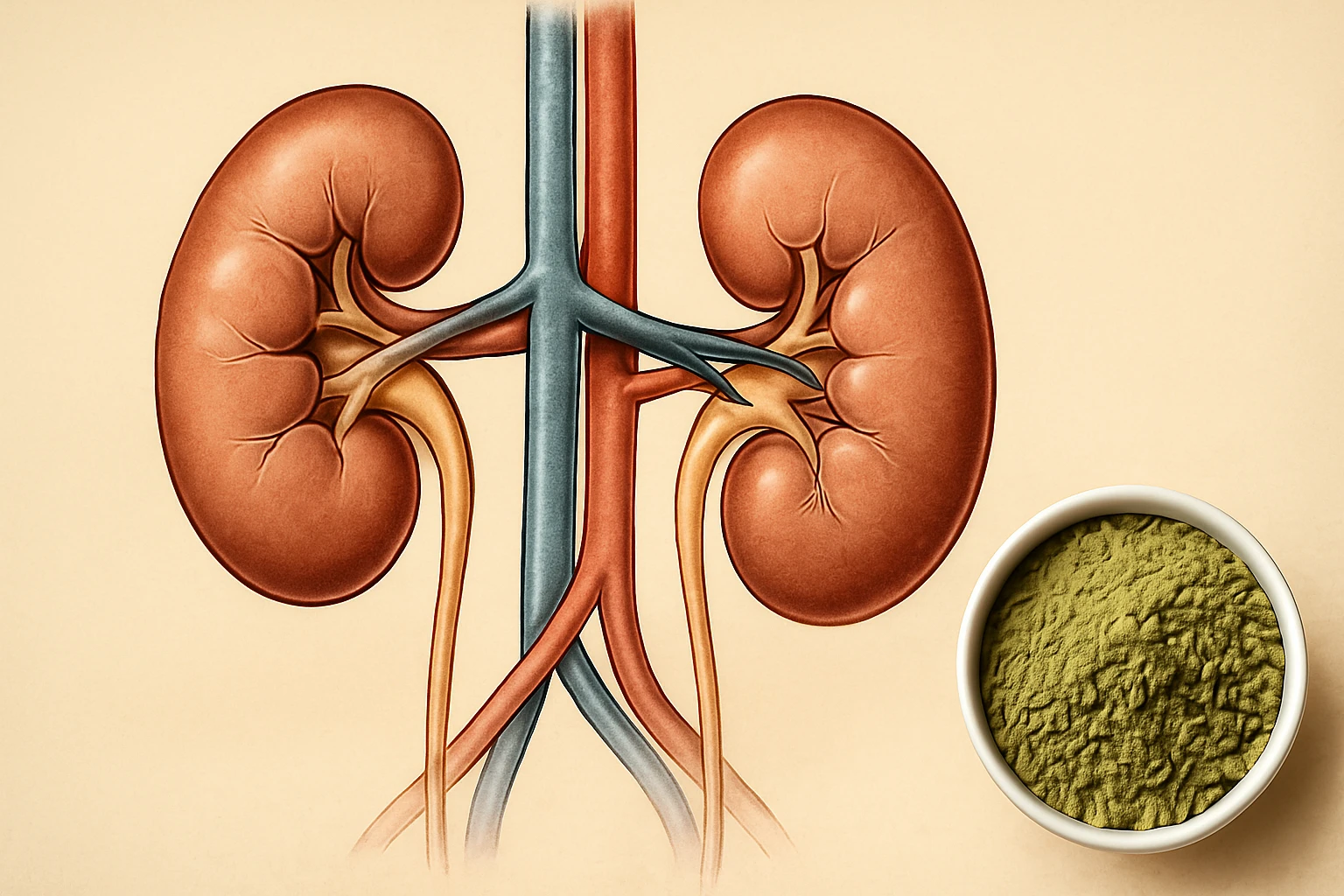

Exploring the effects of kratom raises important questions about its impact on the body, especially for Canadian users seeking natural wellness solutions. When it comes to kratom and kidney health, concerns often arise about how this herb affects vital organs. The kidneys, essential for filtering waste and balancing fluids, process everything you consume, making it natural to wonder about kratom’s role. Used for centuries in traditional practices, kratom sparks modern debates about its benefits and risks.
What Is Kratom and How Does It Work?
Kratom comes from the leaves of a tropical tree native to countries like Thailand, Malaysia, and Indonesia. For generations, local communities have chewed the leaves or brewed them into tea to combat fatigue, relieve mild discomfort, or uplift mood. Today, kratom is available in forms like powders, capsules, and extracts, making it accessible to those seeking natural wellness solutions.
The plant’s effects come from alkaloids, primarily mitragynine and 7-hydroxymitragynine, which interact with opioid receptors in the brain. At low doses, kratom can feel energizing, sharpening focus and vitality. At higher doses, it may promote relaxation or sedation. These properties make it appealing for managing stress, discomfort, or even supporting recovery from more intense substances. However, because kratom engages the body’s systems, understanding its broader impact, including on kratom and kidney health, is crucial.
Unlike synthetic compounds, kratom is a natural product, but that doesn’t mean it’s without considerations. Its effects vary based on dosage, strain, and individual factors like metabolism or hydration. By approaching usage thoughtfully, you can harness its potential while minimizing concerns.
The Role of Kidneys in Your Body
To grasp kratom and kidney health, it’s helpful to understand the kidneys’ role. These bean-shaped organs, located below your ribcage, are essential for health. Each day, they filter about 120-150 liters of blood, removing waste products like urea and creatinine through urine. They also maintain fluid balance, regulate electrolytes like potassium and sodium, and produce hormones that support blood pressure and red blood cell production.
Kidneys are sensitive to stress from dehydration, poor diet, or excessive intake of certain substances. For instance, overconsuming alcohol or processed foods can strain them over time. Since kratom’s alkaloids are metabolized by the liver and excreted via the kidneys, it’s natural to question how this process affects these organs. The reassuring news is that responsible use, combined with kidney-supportive habits, can help keep your system in balance.

Addressing Kratom and Kidney Health Concerns
Concerns about kratom and kidney health often stem from anecdotal reports or misinformation. Some worry that kratom could overburden the kidneys or lead to serious issues. While it’s wise to approach any supplement cautiously, let’s clarify what we know and how to use kratom safely.
Metabolism and Excretion
When you consume kratom, its alkaloids are processed by the liver, which breaks them down into metabolites. These compounds are then filtered by the kidneys and excreted in urine. This process is similar to how the body handles many substances, from caffeine to medications. In healthy individuals, the kidneys are well-equipped to manage this workload, provided kratom is used in moderation.
However, excessive or prolonged use could theoretically stress the system, especially if other factors like dehydration or poor diet are present. Staying mindful of dosage and supporting your body’s natural detoxification pathways can address these concerns effectively.
Hydration Is Key
One of the most straightforward ways to support kratom and kidney health is to stay hydrated. Kratom can have mild diuretic effects, meaning it may increase urine output. Without adequate water intake, this could lead to dehydration, which puts strain on the kidneys. Drinking plenty of water throughout the day helps your kidneys flush out waste efficiently and maintains their function.
Aim for at least 2-3 liters of water daily, adjusting based on activity level or climate. Herbal teas or electrolyte-rich drinks like coconut water can also support hydration. By keeping your body well-hydrated, you create an environment where your kidneys can thrive, regardless of kratom use.
Moderation and Dosage
Overuse of any substance can challenge the body, and kratom is no exception. High doses or frequent use may increase the workload on your liver and kidneys, potentially leading to discomfort or imbalances. To protect kratom and kidney health, stick to recommended dosages, typically 1-5 grams for beginners, depending on the strain and desired effect. Start low and listen to your body. Avoid taking kratom multiple times a day or using it daily for extended periods without breaks. Rotating strains or taking tolerance breaks can also reduce the risk of overtaxing your system.
Natural Ways to Support Kratom and Kidney Health
Prioritizing kidney health goes beyond kratom use. By adopting natural habits, you can strengthen these organs and feel confident in your wellness routine. Here are holistic strategies to nurture your kidneys while enjoying kratom’s benefits.
Nutrient-Rich Diet
A kidney-friendly diet is rich in whole foods that reduce inflammation and support detoxification. Incorporate fruits like berries, which are high in antioxidants, and vegetables like leafy greens, which provide essential nutrients. Whole grains, lean proteins, and healthy fats, such as those from avocados or nuts, also promote overall health.
Limit processed foods, excess salt, and sugary drinks, which can burden the kidneys over time. Foods like cranberries, parsley, and celery are traditionally used to support urinary tract health and may complement your kratom routine. A balanced diet ensures your kidneys have the resources they need to function optimally.
Herbal Allies
Plant medicines have long been used to support kidney health. At Pharmakeia, we believe in the power of nature to enhance wellness. Herbs like dandelion root, nettle leaf, and marshmallow root are known for their gentle support of the urinary system. Dandelion acts as a natural diuretic, promoting healthy urine flow, while nettle provides minerals like potassium to balance electrolytes. Marshmallow root soothes the urinary tract, reducing irritation.
These herbs can be consumed as teas or supplements, but always consult a healthcare professional before combining them with kratom, especially if you have pre-existing conditions. By integrating these allies, you create a supportive environment for kratom and kidney health.
Regular Movement
Exercise isn’t just for muscles; it benefits your kidneys too. Physical activity improves blood flow, helping your kidneys filter waste more efficiently. It also supports healthy blood pressure, a key factor in kidney function. You don’t need intense workouts, just gentle activities like walking, yoga, or swimming for 30 minutes most days can make a difference.
Yoga poses like twists or forward bends may stimulate the kidneys and promote detoxification. Pairing movement with deep breathing enhances oxygen delivery to your organs, fostering vitality. A consistent routine complements your kratom use, keeping your body balanced.

Kratom Myths and Misconceptions
Misinformation about kratom and kidney health can create unnecessary fear. Let’s address common myths to set the record straight.
Myth: Kratom Always Harms Kidneys
Some believe kratom inherently damages kidneys, but this oversimplifies the issue. Most concerns arise from excessive use, poor-quality products, or combining kratom with other substances. When used responsibly, kratom is unlikely to pose significant risks to healthy kidneys. Choosing high-quality, lab-tested kratom from trusted sources like Pharmakeia reduces potential issues.
Myth: Kratom Can Cure Kidney Issues
On the flip side, claims that kratom can treat kidney disease are unfounded. Kratom is not a medical treatment for kidney conditions, which require professional diagnosis and care. While it may support overall wellness, relying on kratom alone for serious health issues is risky. Always prioritize medical guidance for kidney concerns.
Myth: All Kratom Is the Same
Not all kratom is created equal. Low-quality or contaminated products may contain additives that stress the kidneys. At Pharmakeia, we source pure, ethically harvested kratom, ensuring you receive a product that aligns with your health goals. Quality matters when it comes to kratom and kidney health.
The Importance of Quality Kratom
Choosing high-quality kratom is a cornerstone of safe use. Unregulated markets can lead to products with contaminants or inconsistent alkaloid levels, which could effect your body. Look for vendors who prioritize transparency, offering lab reports to verify purity and potency. At Pharmakeia, we’re proud to provide premium kratom sourced from trusted growers. Our products undergo rigorous testing to ensure they’re free from heavy metals, pesticides, or other harmful substances. By investing in quality, you support your kidney health and overall well-being.
Listening to Your Body
Your body is your best guide when using kratom. Paying attention to how you feel can help you address potential concerns early. Signs of kidney stress, though rare with responsible kratom use, might include changes in urine colour, frequency, or volume, or mild discomfort in the lower back. These symptoms often relate to dehydration or other lifestyle factors, but they’re worth noting.
If you experience unusual symptoms, pause kratom use and consult a healthcare provider. Regular check-ups, including blood tests to monitor kidney markers like creatinine, can provide peace of mind. Being proactive about kratom and kidney health ensures you enjoy the plant’s benefits without worry.
Kratom in Canada: Legal and Cultural Context
In Canada, kratom exists in a unique space. It’s legal for personal use but not approved by Health Canada for medical purposes. This means consumers must take extra care to source kratom from reputable suppliers. The Canadian market is growing, with users valuing kratom for its versatility and natural origins. Cultural attitudes toward plant medicines are shifting, with more Canadians embracing holistic approaches. However, responsible use remains key. By staying informed about kratom and kidney health and other considerations, you contribute to a positive, educated community of plant medicine enthusiasts.

FAQ
Q: Can kratom cause kidney stones if used regularly?
A: There’s no direct evidence linking kratom to kidney stones in healthy individuals using it responsibly. Kidney stones are typically caused by factors like dehydration, high oxalate foods, or genetic predisposition. To minimize any risk, stay well-hydrated and maintain a balanced diet while using kratom, as these habits support overall kidney function.
Q: How long does kratom stay in the kidneys after use?
A: Kratom’s alkaloids are processed by the liver and excreted by the kidneys relatively quickly, typically within 24-48 hours, depending on dosage, metabolism, and hydration. Drinking plenty of water can help your kidneys clear these compounds efficiently, reducing any potential strain.
Q: Is kratom safe for people with mild kidney issues?
A: If you have mild kidney issues, consult a healthcare provider before using kratom. While moderate use may be safe for some, individual conditions vary, and a doctor can assess whether kratom is appropriate based on your kidney function and medical history.
Q: Does the type of kratom strain affect kidney health differently?
A: Different kratom strains (e.g., red, green, white) vary in alkaloid content, which influences their effects, like stimulation or relaxation. However, there’s no evidence that specific strains impact kidney health differently when used responsibly. Focus on quality, dosage, and hydration regardless of strain.
Q: Can combining kratom with other supplements harm the kidneys?
A: Combining kratom with other supplements is generally safe if done thoughtfully, but certain combinations, like excessive diuretics or stimulants, could stress the kidneys. Always check with a healthcare professional to ensure your supplement regimen supports kratom kidney health.
Q: How can I tell if my kidneys are healthy while using kratom?
A: Monitor your body for signs of kidney health, such as clear or light-coloured urine, regular urination, and no pain in the lower back. Regular medical check-ups, including blood tests for kidney markers like creatinine, can confirm your kidneys are functioning well while using kratom.
Conclusion
Navigating kratom and kidney health equips you with tools to use this plant medicine wisely. By embracing mindful practices, staying hydrated, using moderate doses, and choosing quality kratom, you can support your kidneys while enjoying its natural benefits. Pairing kratom with a balanced diet, regular movement, and attentive self-care creates a foundation for lasting wellness. Let this knowledge inspire confidence as you explore kratom’s potential. Take charge of your health journey, informed and empowered, to thrive naturally.
Disclaimer
The information provided in this blog is intended for informational purposes only. It is not a substitute for professional medical advice, diagnosis, or treatment. While kratom (Mitragyna speciosa) is discussed for its potential benefits and considerations, its effects on kidney health and overall wellness can vary based on individual health conditions, dosage, and lifestyle factors.
Always consult a qualified healthcare professional before using kratom, especially if you have pre-existing medical conditions, such as kidney disease, liver issues, or other health concerns, or if you are taking medications or supplements. Kratom is not approved by Health Canada or the FDA for medical use, and its safety and efficacy have not been fully evaluated by regulatory authorities.
Use kratom responsibly, adhering to recommended dosages and ensuring proper hydration and a balanced diet to support overall health. Be aware that excessive or improper use of kratom may pose risks, including potential strain on the kidneys or other organs. Discontinue use and seek medical attention if you experience adverse effects, such as changes in urination, discomfort, or other unusual symptoms. The author and publisher are not responsible for any adverse effects or consequences resulting from the use of the information or products discussed in this blog.