


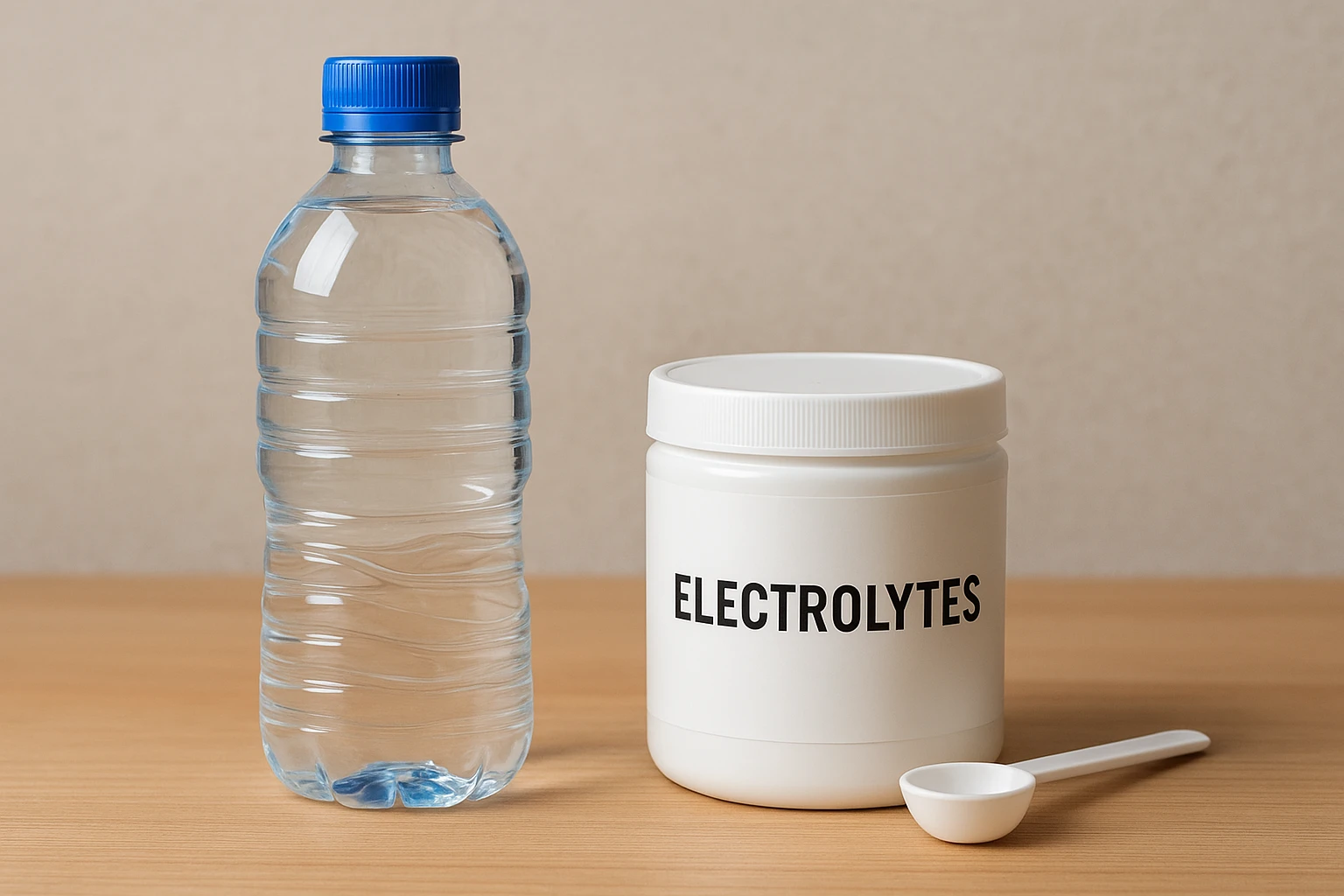

An important topic that is commonly overlooked for those who incorporate this plant medicine into their routines over extended periods is kratom and electrolyte balance. Derived from the Mitragyna speciosa tree native to Southeast Asia, kratom has become popular for its potential to support pain relief, mood enhancement, and energy. However, prolonged use can influence the body’s systems, particularly the balance of electrolytes that are essential for maintaining overall health. By understanding how kratom interacts with these vital minerals, users can make informed choices to support their well-being.
Electrolytes, including sodium, potassium, calcium, and magnesium, are minerals that carry an electric charge and regulate key bodily functions like nerve signaling, muscle contractions, and fluid balance. Disruptions in these minerals can lead to symptoms ranging from mild discomfort to serious health issues. For kratom users, one of the primary concerns is the potential for dehydration, which can affect electrolyte levels, especially with consistent or high-dose use.
Understanding Electrolytes and Their Importance
Electrolytes are minerals dissolved in bodily fluids, such as blood, sweat, and urine, that help maintain hydration, regulate pH, and support critical physiological processes. Sodium regulates fluid balance and blood pressure, while potassium supports heart and muscle function. Calcium is vital for bone health and muscle contractions, and magnesium aids in energy production and nerve signaling. These minerals work together to keep the body functioning smoothly.
When electrolyte levels become imbalanced, the body can experience a range of symptoms. Low sodium, or hyponatremia, may cause fatigue, confusion, or even seizures in severe cases. High potassium, known as hyperkalemia, can lead to muscle weakness or irregular heart rhythms. These imbalances may result from dehydration, dietary deficiencies, or certain substances. For those using kratom, maintaining kratom and electrolyte balance is essential, as the plant’s effects on hydration and metabolism may influence these critical minerals.
How Kratom Interacts with the Body
Kratom contains alkaloids, primarily mitragynine and 7-hydroxymitragynine, which interact with the body’s opioid receptors. At low doses, kratom often acts as a stimulant, boosting energy and focus. At higher doses, it may produce sedative effects, promoting relaxation and pain relief. These properties make kratom appealing for various purposes, but they also affect the body in ways that can influence hydration and electrolyte levels.
One significant way kratom may impact electrolyte balance is through its potential to cause dehydration. Some users report dry mouth, increased urination, or reduced thirst perception after taking kratom. These effects can lead to fluid loss, which, if not addressed, may disrupt electrolyte concentrations. Additionally, kratom’s effects on the digestive system, such as slowed gastric motility or constipation, can further complicate fluid and electrolyte balance. For those using kratom regularly, understanding these effects is key to preventing health challenges.

Dehydration: A Key Factor in Kratom Use
Dehydration is a common concern for kratom users, particularly those who take it daily or in large amounts. Dehydration occurs when the body loses more fluid than it takes in, reducing the water available to transport electrolytes. Anecdotally, some kratom users report diuretic-like effects, such as increased urine output, which can contribute to fluid loss. This can be worsened by external factors like hot weather or physical activity, which increase fluid demands.
When dehydration occurs, it can disrupt electrolyte concentrations. For example, losing water through frequent urination can concentrate sodium in the blood, potentially causing hypernatremia. Alternatively, excessive sodium loss through sweat or other means can lead to hyponatremia. Both conditions may result in symptoms like headaches, dizziness, or muscle cramps, which can be mistaken for other issues. Staying mindful of hydration is a critical step in maintaining kratom and electrolyte balance for users.
Prolonged Kratom Use and Electrolyte Imbalance
Prolonged kratom use, especially at higher doses, can increase the risk of electrolyte imbalances. Regular consumption may lead to cumulative effects on the body’s fluid regulation systems, particularly if users are not proactive about hydration and nutrition. Chronic dehydration from consistent kratom use can strain the kidneys, which are responsible for maintaining electrolyte levels. Over time, this stress may contribute to imbalances that impact overall health.
Kratom’s interaction with the body’s stress response is another factor to consider. Its alkaloids may influence the adrenal glands, which regulate hormones like aldosterone that control sodium and potassium levels. While the exact mechanisms are not fully understood, these interactions could contribute to electrolyte imbalances in some users. Additionally, prolonged use may lead to dietary changes, such as reduced appetite or altered eating habits, which can limit the intake of electrolyte-rich foods like fruits, vegetables, and whole grains.
Recognizing Signs of Electrolyte Imbalance
Identifying symptoms of an electrolyte imbalance is crucial for kratom users to prevent more serious complications. Common signs include:
- Fatigue and Weakness: Low potassium or magnesium levels can lead to feelings of tiredness or muscle sluggishness.
- Muscle Cramps or Spasms: Imbalances in calcium or magnesium often cause painful muscle contractions, especially during physical activity.
- Confusion or Irritability: Hyponatremia can affect brain function, resulting in difficulty concentrating or mood changes.
- Irregular Heartbeat: High or low potassium levels can disrupt heart rhythm, causing palpitations or more severe issues.
- Nausea or Vomiting: Electrolyte imbalances can upset the digestive system, leading to discomfort or loss of appetite.
These symptoms may resemble other conditions, so it’s important to consider kratom use as a potential factor. If symptoms persist, consulting a healthcare professional is recommended to assess electrolyte levels and overall health.
Strategies to Support Kratom and Electrolyte Balance
Maintaining kratom and electrolyte balance during prolonged use requires proactive steps to support hydration, nutrition, and overall wellness. Here are practical strategies to help:
Focus on Hydration
Adequate water intake is the foundation of preventing dehydration and supporting electrolyte balance. Aim for 8-10 cups of water daily, adjusting for factors like climate, activity level, or kratom use. Creating a hydration routine, such as drinking water every hour, can ensure consistent intake. For those who find plain water unappealing, adding natural flavours like cucumber or citrus can make hydration more enjoyable.
Eat Electrolyte-Rich Foods
A balanced diet rich in electrolytes is essential for counteracting potential imbalances. Incorporate foods like bananas (potassium), leafy greens (magnesium), yogurt (calcium), and avocados (potassium and magnesium) into your meals. These foods provide natural sources of electrolytes while supporting overall nutrition. Limit reliance on processed foods, which may be high in sodium but lack other essential minerals.
Explore Electrolyte Supplements
In some cases, electrolyte supplements or drinks can help replenish minerals lost through dehydration. Choose options with balanced levels of sodium, potassium, and magnesium, and avoid those with excessive sugar, which can worsen dehydration. Consult a healthcare provider before adding supplements to ensure they suit your needs.
Moderate Kratom Dosage
Using kratom in moderation can reduce the risk of dehydration and electrolyte imbalances. Higher doses are more likely to cause side effects like increased urination or digestive issues, which can disrupt fluid and electrolyte levels. Start with lower doses and adjust gradually, paying attention to your body’s response. Periodic breaks from kratom use, often called tolerance breaks, can give your body a chance to recalibrate.
Stay Active and Attentive
Regular physical activity supports overall health but increases fluid and electrolyte needs. If you exercise while using kratom, be diligent about hydration. Pairing kratom use with mindfulness practices, such as tracking how you feel after each dose, can help you notice early signs of dehydration or imbalance.

The Kidneys’ Role in Kratom and Electrolyte Balance
The kidneys are the body’s primary regulators of electrolyte balance, filtering blood to remove excess minerals and maintain proper fluid levels. While the full impact of kratom on the kidneys is not completely understood, prolonged use may place additional stress on these organs, especially if dehydration is present. Dehydration can impair the kidneys’ ability to filter waste effectively, potentially leading to toxin buildup or electrolyte imbalances.
Supporting kidney health is vital for kratom users. This includes staying hydrated, limiting alcohol or caffeine, and maintaining a balanced diet. Regular health check-ups can help monitor kidney function, particularly for long-term users. Blood tests can measure electrolyte levels and kidney markers like creatinine to ensure optimal function.
Lifestyle Factors and Electrolyte Balance
Beyond kratom use, lifestyle factors significantly influence electrolyte balance. Stress, poor sleep, and inadequate nutrition can exacerbate imbalances, especially for those using plant medicines like kratom. Chronic stress can elevate cortisol levels, which may indirectly affect electrolyte regulation through the adrenal glands. Similarly, inadequate sleep can impair the body’s ability to recover from dehydration or physical exertion.
A holistic approach to wellness can help mitigate these risks. Incorporate stress management techniques like meditation or yoga, aim for 7-9 hours of quality sleep nightly, and maintain a nutrient-dense diet. These habits support kratom and electrolyte balance while enhancing overall health and resilience.
Listening to Your Body’s Signals
Every individual responds to kratom differently, with factors like age, weight, metabolism, and overall health influencing its effects. Paying attention to your body’s signals is essential for maintaining kratom and electrolyte balance. If you experience persistent thirst, muscle cramps, or unusual fatigue, take it as a cue to reassess your hydration and nutrition habits.
Keeping a journal to track kratom use, water intake, and symptoms can provide valuable insights. This practice can help identify patterns and allow you to make adjustments before minor issues escalate. For example, if you notice increased urination after taking kratom, you might increase water intake or add an electrolyte-rich snack to your routine.
Consulting a Healthcare Professional
While this blog post offers general guidance, individual health needs vary. If you use kratom regularly and have concerns about electrolyte balance or other side effects, consult a healthcare professional. They can provide personalized advice, order tests to check electrolyte levels, and help you develop a plan for safe kratom use. Be transparent about your kratom use, as this information is critical for accurate assessments.
Healthcare providers can also help navigate potential interactions between kratom and other substances, such as medications or supplements, that may affect electrolyte balance. For instance, some medications can alter sodium or potassium levels, and combining them with kratom could amplify these effects. A doctor can guide you on managing these risks effectively.
Practical Steps for Daily Wellness
Here are actionable steps to integrate into your daily routine as a kratom user:
- Carry a reusable water bottle to encourage regular hydration throughout the day.
- Include a variety of colourful fruits and vegetables in your meals to boost electrolyte intake.
- Set reminders to check in with your hydration and nutrition goals.
- Experiment with herbal teas or infused water to make hydration more appealing.
- Schedule regular health check-ups to monitor kidney function and electrolyte levels.
By adopting these practices, you can support your body’s ability to maintain kratom and electrolyte balance and use the plant responsibly.

Frequently Asked Questions About Kratom and Electrolyte Balance
Q: How does kratom affect electrolyte levels in the body?
A: Kratom may influence electrolyte levels primarily through its potential to cause dehydration. Some users experience increased urination or dry mouth, which can lead to fluid loss and disrupt the balance of minerals like sodium, potassium, and magnesium. Staying hydrated and eating electrolyte-rich foods can help mitigate these effects.
Q: Can I prevent electrolyte imbalances while using kratom?
A: Yes, maintaining kratom and electrolyte balance is possible by prioritizing hydration, eating a nutrient-dense diet, and using kratom in moderation. Drinking 8-10 cups of water daily and incorporating foods like bananas, spinach, and avocados can support electrolyte levels.
Q: Are electrolyte supplements necessary for kratom users?
A: Electrolyte supplements aren’t always necessary but can be helpful if you’re dehydrated or engage in activities that increase fluid loss, like exercise. Choose balanced supplements and consult a healthcare provider to ensure they’re appropriate for you.
Q: How can I tell if my electrolyte levels are off while using kratom?
A: Symptoms of electrolyte imbalance include fatigue, muscle cramps, confusion, irregular heartbeat, or nausea. If you notice these signs, especially with regular kratom use, increase hydration and consider consulting a healthcare professional for testing.
Q: Does the type of kratom strain affect electrolyte balance?
A: There’s no definitive evidence that specific kratom strains directly impact electrolyte balance differently. However, strains with stronger stimulant or sedative effects may influence hydration levels, so monitor your body’s response and adjust water intake accordingly.
Q: Should I take breaks from kratom to maintain electrolyte balance?
A: Taking periodic breaks, often called tolerance breaks, can help your body reset and reduce the risk of dehydration-related electrolyte imbalances. Breaks also allow you to assess how kratom affects your overall health.
Final Thoughts on Kratom and Electrolyte Balance
Kratom and electrolyte balance is a critical consideration for those using this plant medicine over time. While kratom offers potential benefits, its effects on hydration and electrolyte levels require careful management. By prioritizing hydration, eating nutrient-rich foods, and listening to your body, you can reduce the risk of imbalances and support overall health.
The key to safe kratom use lies in balance and mindfulness. Stay informed about how kratom affects your body, and seek professional guidance if concerns arise. With the right approach, you can incorporate kratom into a holistic wellness routine while keeping your electrolyte levels in check. Ultimately, understanding and supporting kratom and electrolyte balance empowers you to make choices that align with your health and wellness goals.
Disclaimer
The information provided in this blog about kratom and electrolyte balance is for educational and informational purposes only and should not be considered medical advice. Kratom (Mitragyna speciosa) is a botanical substance that may have varying effects on individuals, and its safety, efficacy, and long-term impact on health, including electrolyte balance, are not fully understood or universally regulated. Potential risks associated with kratom use include dehydration, electrolyte imbalances, and other health complications, particularly with prolonged or high-dose use.
The content in this post is not intended to diagnose, treat, cure, or prevent any medical condition, nor should it replace professional medical advice. Always consult a qualified healthcare professional before using kratom, especially if you have pre-existing health conditions, are taking medications, or are concerned about potential interactions or side effects. Individual responses to kratom can vary, and symptoms such as fatigue, muscle cramps, or irregular heartbeat should be promptly evaluated by a medical professional.
The authors and publishers of this blog are not responsible for any adverse effects or consequences resulting from the use of kratom or the application of the information provided. Users are encouraged to exercise caution, stay informed, and prioritize their health and safety when considering kratom use.