


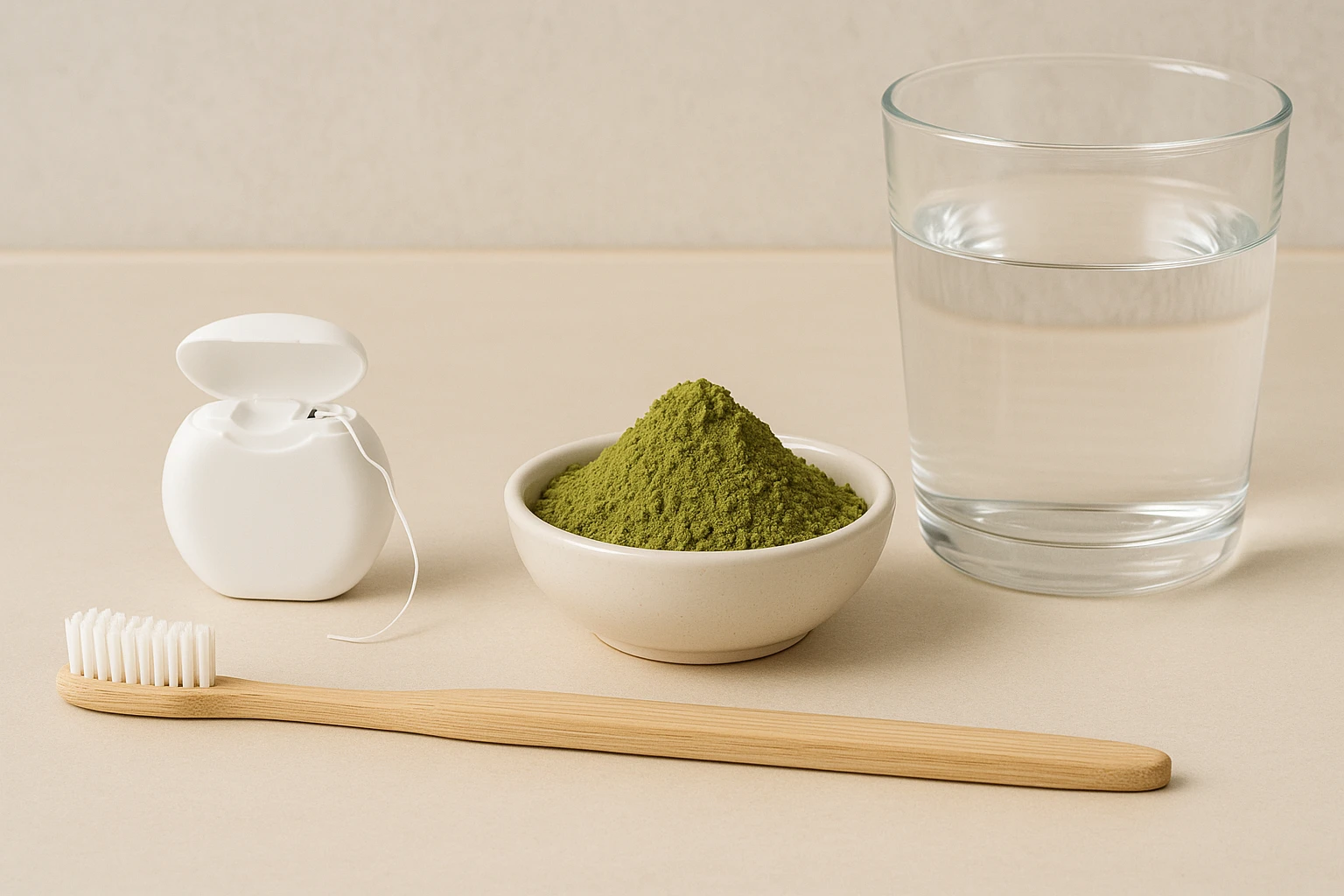

Kratom has surged in popularity across Canada and beyond for its potential to relieve pain, boost energy, and support mood. As more people incorporate kratom into their daily routines, questions arise about its broader effects on health, particularly on less-explored areas like dental health. The relationship between kratom and dental health is complex, with potential risks and benefits that deserve careful consideration. For those who use kratom, whether in powder, capsule, or tea form, understanding how it might affect oral care is essential for maintaining a healthy smile.
Understanding Kratom and Its Common Uses
Kratom, scientifically known as Mitragyna speciosa, is a tree in the coffee family, primarily grown in countries like Thailand, Malaysia, and Indonesia. Its leaves contain active compounds, mitragynine and 7-hydroxymitragynine, which interact with opioid receptors in the brain, producing effects that range from stimulant-like at low doses to sedative at higher doses. Traditionally, kratom has been used in Southeast Asia for centuries to combat fatigue, alleviate pain, and enhance social interactions. In modern contexts, users often turn to kratom for managing chronic pain, reducing anxiety, or easing opioid withdrawal symptoms.
Kratom is available in various forms, including dried leaves, powders, capsules, extracts, and tinctures. Common consumption methods include brewing kratom tea, swallowing capsules, or mixing kratom powder with liquids like water, juice, or sweetened beverages to mask its bitter taste. Some users enhance kratom’s effects by combining it with acidic substances like lemon juice, a practice known as potentiation. While kratom’s effects on pain and mood are widely discussed, its impact on oral health is less understood, yet critical for users to consider.
How Kratom Consumption Methods Affect Oral Health
The way kratom is consumed can directly influence its impact on dental health. Each method of ingestion, whether chewing leaves, drinking tea, or using the popular “toss and wash” technique, interacts with the oral environment differently. Let’s explore how these methods might affect teeth and gums.
Toss and Wash and Sweetened Beverages
The “toss and wash” method, where users swallow kratom powder followed by a drink, is a common practice. Many pair kratom with sweet beverages like juice to counteract its bitterness. While this makes consumption more palatable, frequent exposure to sugary drinks can contribute to tooth decay. Bacteria in the mouth feed on sugars, producing acids that erode tooth enamel over time. If users do not rinse their mouths or brush their teeth after consuming kratom with sugary drinks, residual sugar and kratom particles can linger, creating an environment conducive to cavities.
Kratom with Lemon Juice for Potentiation
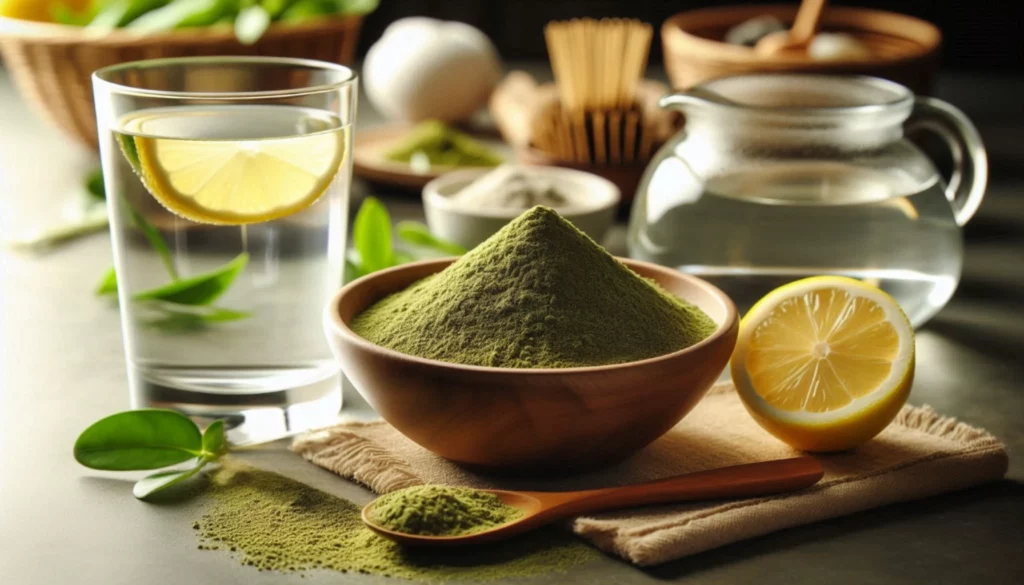
Some users mix kratom powder with lemon juice to enhance its effects, as the acidity may help extract alkaloids from the plant. However, lemon juice has a low pH, typically around 2 to 3, which is highly acidic. Regular exposure to acidic substances can weaken tooth enamel, making teeth more susceptible to erosion and sensitivity. Over time, this practice may lead to thinning enamel, increasing the risk of cavities and tooth damage. Users who combine kratom with lemon juice should be particularly mindful of their oral hygiene practices to mitigate these risks.
Kratom Tea and Capsules
Brewing kratom into tea or swallowing it in capsule form may have less direct contact with teeth compared to the toss and wash method. Tea, if unsweetened, poses a lower risk of decay than sugary beverages, but users should still rinse their mouths afterward to remove any residual particles. Capsules, which contain pre-measured kratom powder, minimize contact with teeth entirely, as they are swallowed whole. However, if capsules are taken frequently without adequate hydration, they may contribute to dry mouth, a condition that can harm oral health, as discussed later.
Potential Risks of Kratom on Dental Health
While kratom itself is not inherently harmful to teeth, certain side effects and consumption habits can pose risks to oral health. Below are some key concerns associated with kratom use.
Dry Mouth and Its Consequences
One of the most frequently reported side effects of kratom is dry mouth, or xerostomia. Saliva plays a crucial role in oral health by neutralizing acids, washing away food particles, and providing antimicrobial properties that control bacterial growth. When saliva production decreases, the mouth becomes a more hospitable environment for bacteria, increasing the risk of tooth decay, gum disease, and bad breath. Kratom’s stimulant properties, particularly at low doses, may contribute to dehydration, exacerbating dry mouth. Users who experience this side effect should prioritize hydration and consider using saliva substitutes or sugar-free gum to stimulate saliva flow.
Jaw Clenching and Teeth Grinding
Kratom’s opioid-like effects at higher doses can sometimes lead to jaw clenching or teeth grinding, also known as bruxism. This involuntary behavior can wear down tooth enamel, cause microfractures, or lead to jaw pain. Over time, bruxism may result in cracked or chipped teeth, increased tooth sensitivity, and even temporomandibular joint (TMJ) disorders. Users who notice jaw tightness or soreness after taking kratom should consult a dentist to assess potential damage and explore protective measures, such as a custom mouthguard.
Increased Cravings for Sugary Foods
Some users report that kratom, particularly at higher doses, can alter taste preferences or increase cravings for sweet foods and beverages. This effect may stem from kratom’s interaction with reward pathways in the brain, similar to how opioids can influence appetite. Consuming sugary snacks or drinks to satisfy these cravings can accelerate tooth decay, especially if oral hygiene is neglected. Users should be aware of dietary changes associated with kratom use and maintain a balanced diet to support oral health.
Potential for Staining
Kratom powder, especially when mixed with water or used in the toss and wash method, can leave a residue in the mouth. Some users have reported staining on teeth or oral tissues, particularly with frequent use of kratom powder or tea. While staining is primarily a cosmetic concern, it can indicate that kratom particles are lingering in the mouth, potentially contributing to bacterial growth if not addressed through proper oral hygiene.
Potential Benefits of Kratom for Oral Care
While much of the focus on kratom and dental health centers on risks, there are potential benefits worth exploring, particularly when kratom is used thoughtfully and in moderation.
Pain Relief for Dental Discomfort
Kratom’s analgesic properties, driven by its active alkaloids, make it a popular choice for managing pain, including dental discomfort. For individuals experiencing toothaches or post-extraction pain, kratom may offer temporary relief, potentially reducing reliance on traditional painkillers. However, kratom should not replace professional dental care, as it does not address the underlying cause of dental pain. Users considering kratom for dental pain should consult a dentist to ensure proper diagnosis and treatment.
Reduced Reliance on Opioids
Kratom is sometimes used as an alternative to opioid pain relievers, which have their own set of dental health risks. Opioids are known to cause severe dry mouth, increase sugar cravings, and lead to neglect of oral hygiene in cases of addiction. By using kratom as a harm reduction tool, some individuals may avoid these opioid-related dental issues. However, this benefit is contingent on responsible use and maintaining good oral hygiene practices.
Mood Enhancement and Stress Reduction
Dental anxiety is a common barrier to regular dental visits, leading to untreated oral health issues. Kratom’s mood-enhancing effects at low doses may help some users feel more relaxed, potentially making dental appointments less daunting. By alleviating anxiety, kratom could indirectly support better dental care adherence, though this benefit is highly individual and depends on the user’s response to kratom.
Practical Tips for Protecting Dental Health While Using Kratom
To minimize risks and maximize any potential benefits of kratom for oral health, users can adopt several practical strategies. These tips focus on maintaining a healthy oral environment and addressing kratom-specific concerns.
Prioritize Oral Hygiene
Consistent oral hygiene is the cornerstone of dental health for kratom users. Brush teeth at least twice daily with toothpaste to strengthen enamel and remove plaque. Floss daily to clean between teeth, where kratom particles or sugary residues may accumulate. Using an antimicrobial mouthwash can further reduce bacterial growth, especially after consuming kratom. For those using the toss and wash method, rinsing the mouth with water immediately after dosing can help clear residual powder and prevent bacterial buildup.
Mitigate Acidic Exposure from Lemon Juice
For users who mix kratom with lemon juice for potentiation, take steps to protect tooth enamel. Rinse the mouth with water immediately after consuming the mixture to neutralize acidity. Consider using a straw to minimize contact between the acidic liquid and teeth. Brushing teeth immediately after consuming acidic substances can damage softened enamel, so wait at least 30 minutes before brushing.
Stay Hydrated to Combat Dry Mouth
To counter kratom-induced dry mouth, drink plenty of water throughout the day. Keeping a water bottle handy during and after kratom use can help maintain saliva flow. Chewing sugar-free gum or using saliva-stimulating lozenges can also alleviate dry mouth symptoms. If dry mouth persists, consult a dentist for recommendations on saliva substitutes or other treatments.
Monitor for Bruxism and Seek Dental Advice
If jaw clenching or teeth grinding occurs during kratom use, consult a dentist to assess for signs of tooth wear or jaw issues. A custom-fitted mouthguard can protect teeth from damage during sleep or periods of intense kratom effects. Reducing kratom dosage or frequency may also help minimize bruxism, as higher doses are more likely to cause this side effect.
Limit Sugary Beverages and Snacks
To reduce the risk of tooth decay, avoid mixing kratom with sugary drinks like soda or juice. Opt for water or unsweetened tea instead. If cravings for sweets increase with kratom use, choose sugar-free alternatives or fruits like apples, which can help clean teeth naturally. Maintaining a balanced diet rich in calcium and vitamin D supports strong teeth and bones, countering any potential nutritional impacts of kratom use.
Schedule Regular Dental Checkups
Regular dental visits are critical for catching and addressing oral health issues early. Inform your dentist about kratom use, as it may influence treatment plans or anesthesia considerations. A dentist can provide tailored advice, such as fluoride treatments or sealants, to protect teeth from decay, especially for frequent kratom users.
Addressing Misconceptions About Kratom and Dental Health
Several misconceptions about kratom’s effects on teeth circulate among users. One common belief is that kratom directly causes tooth decay, similar to how methamphetamine leads to “meth mouth.” Unlike methamphetamine, which is highly acidic and destructive to teeth, kratom’s impact is more indirect, stemming from consumption habits and side effects like dry mouth.
Another misconception is that kratom inherently stains teeth. While staining can occur with frequent powder use, proper oral hygiene can mitigate this issue. By separating fact from fiction, users can approach kratom use with a clearer understanding of its dental implications.
Special Considerations for Kratom Users with Preexisting Dental Issues
Individuals with preexisting dental conditions, such as gum disease, cavities, or enamel erosion, may need to take extra precautions when using kratom. Dry mouth can exacerbate gum inflammation, while acidic mixtures like lemon juice can worsen enamel damage. Those with braces, dental implants, or other dental work should be cautious about kratom particles getting trapped in appliances, which could lead to bacterial growth. Consulting a dentist before consuming the best kratom in Canada may help create a care plan to protect vulnerable oral tissues.

Frequently Asked Questions About Kratom and Dental Health
Q: Does kratom directly cause tooth decay?
A: No, kratom does not directly cause tooth decay. However, side effects like dry mouth and consumption habits, such as mixing kratom with sugary drinks or acidic lemon juice, can increase the risk of cavities if oral hygiene is neglected. Brushing, flossing, and rinsing after kratom use can help prevent decay.
Q: Can kratom stain my teeth permanently?
A: Kratom powder or tea may cause temporary staining due to residual particles in the mouth, but this is not permanent. Regular brushing and professional dental cleanings can remove surface stains. Rinsing your mouth after consuming kratom reduces the likelihood of staining.
Q: How can I prevent enamel erosion if I mix kratom with lemon juice?
A: To protect enamel, rinse your mouth with water immediately after consuming kratom mixed with lemon juice to neutralize acidity. Use a straw to limit contact with teeth, and wait 30 minutes before brushing to avoid damaging softened enamel. Fluoride mouthwash can also strengthen enamel.
Q: Is kratom safer for dental health than opioids?
A: Kratom may pose fewer dental risks than opioids, which are linked to severe dry mouth and neglect of oral hygiene in cases of addiction. However, kratom’s side effects, like dry mouth and jaw clenching, still require careful management to protect oral health.
Q: Can kratom help with dental pain, and is it safe to use for this purpose?
A: Kratom’s pain-relieving properties may provide temporary relief for dental discomfort, such as toothaches. However, it does not treat the underlying cause and should not replace professional dental care. Consult a dentist to address the root issue and discuss safe pain management options.
Q: What should I tell my dentist about my kratom use?
A: Inform your dentist about your kratom use, including frequency and consumption method, as it may affect dental treatment plans or anesthesia. This transparency helps your dentist provide tailored advice, such as protective measures for dry mouth or bruxism.
Conclusion: Balancing Kratom Use with Oral Health
Kratom offers potential benefits for pain relief, mood enhancement, and opioid withdrawal support, but its impact on dental health requires careful attention. Risks like dry mouth, jaw clenching, and increased sugar cravings can contribute to oral health challenges if not addressed. Conversely, kratom’s analgesic properties and potential to reduce opioid reliance may offer indirect benefits for dental care.
By adopting mindful consumption habits, prioritizing oral hygiene, and staying proactive with dental checkups, users can enjoy kratom’s effects while safeguarding their smiles. Understanding the interplay between kratom and dental health empowers users to make informed choices, ensuring their oral care remains a priority alongside their wellness goals.
Disclaimer
The information provided in this blog about kratom and its potential effects on dental health is for informational purposes only and should not be considered medical, dental, or professional health advice. Kratom (Mitragyna speciosa) is not approved by Health Canada or other regulatory bodies for medical use, and its safety, efficacy, and long-term effects remain understudied. The use of kratom may carry health risks, including but not limited to dry mouth, jaw clenching, potential dependence, and interactions with medications or preexisting health conditions.
Individuals considering kratom for pain relief, mood enhancement, or other purposes should consult a qualified healthcare provider or dentist to discuss potential risks, benefits, and alternatives. Readers are encouraged to prioritize professional dental care and maintain rigorous oral hygiene practices to protect their oral health. Any decisions regarding kratom use are at the individual’s own risk, and users should be aware of local laws and regulations governing kratom in their region.
The author and publisher are not liable for any adverse effects, damages, or consequences resulting from the use of kratom or the application of information presented in this blog. Any decisions regarding kratom use are at the individual’s own risk, and users should be aware of local laws and regulations governing kratom in their region.