Kratom and The Clean Label Movement: What It Means
Faust
Kratom has sparked curiosity and debate in wellness circles, particularly within the clean label movement. As consumers increasingly demand transparency, purity, and natural ingredients in their products, kratom’s unique profile as a botanical with centuries of traditional use positions it as a compelling subject in this evolving landscape. The clean label movement emphasizes products free from artificial additives, with clear ingredient lists and ethical sourcing practices. Kratom, derived from the leaves of the Mitragyna speciosa tree, aligns with these values when responsibly produced, yet its place in this movement is nuanced, shaped by its cultural history, regulatory challenges, and growing popularity in Canada and beyond.
What Is Kratom?
Kratom, scientifically known as Mitragyna speciosa, is a tropical evergreen tree in the coffee family, thriving in the lush forests of Thailand, Malaysia, Indonesia, and other Southeast Asian regions. Its leaves have been used for centuries by local communities, often chewed fresh or dried and brewed into teas for their stimulating and soothing effects. The plant contains alkaloids, primarily mitragynine and 7-hydroxymitragynine, which interact with the body in ways that can produce varied effects depending on dosage and preparation. At lower doses, kratom is often described as energizing, enhancing focus and stamina, while higher doses may promote relaxation and pain relief.
In its traditional context, kratom was a tool for labourers to combat fatigue during long workdays and a remedy in folk medicine for ailments like muscle aches or digestive issues. Today, its appeal has spread globally, with users in Canada and elsewhere exploring it for wellness purposes, from managing stress to supporting energy levels. As a plant-based product, kratom naturally aligns with the clean label movement’s emphasis on minimally processed, natural ingredients, but its journey from forest to consumer involves layers of complexity that influence its clean label credentials.
The Clean Label Movement Explained
The clean label movement reflects a growing consumer desire for simplicity and authenticity in food, supplements, and wellness products. It’s not a strictly defined standard but a philosophy prioritizing products with recognizable ingredients, free from artificial preservatives, colours, or flavours. Transparency is key: consumers want clear labelling, ethical sourcing, and assurance that what they consume aligns with their values, whether that’s sustainability, health, or environmental consciousness.
This movement has reshaped industries, pushing brands to reformulate products and highlight natural origins. For example, a clean label product might boast a short ingredient list, non-GMO certifications, or organic sourcing. In the context of botanical supplements like kratom, the clean label movement demands purity in cultivation, harvesting, and processing, alongside honest communication about what the product contains and how it’s made.
Kratom’s potential to fit into this framework lies in its botanical nature and minimal processing when done traditionally. However, achieving clean label status requires navigating challenges like inconsistent sourcing, lack of standardized regulations, and ensuring product safety without synthetic additives.
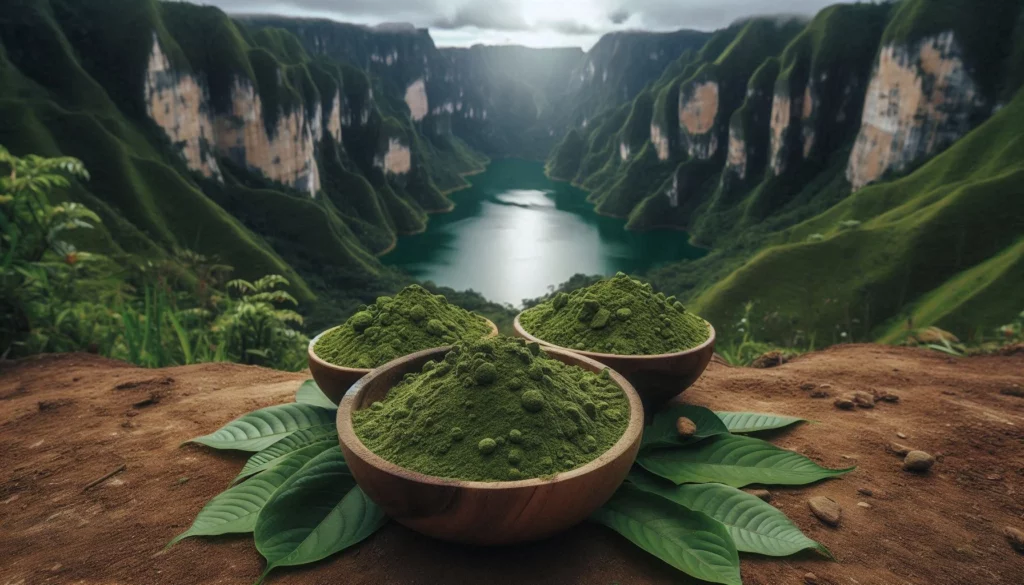
Kratom powder in rustic bowls with lush green leaves, framed by a stunning canyon landscape
Kratom’s Natural Roots and Clean Label Appeal
Kratom’s appeal in the clean label movement stems from its origins as a whole-plant product. In Southeast Asia, farmers historically harvested kratom leaves, dried them in the sun, and ground them into powder or brewed them into tea without chemical interventions. This simplicity resonates with clean label ideals, where minimal processing preserves the integrity of the plant’s natural compounds.
For consumers seeking alternatives to synthetic pharmaceuticals, kratom’s plant-based profile is a draw. Its alkaloids, derived directly from the leaf, offer effects without the need for artificial enhancements. When sourced from reputable farmers who avoid pesticides or synthetic fertilizers, kratom embodies the clean label preference for natural, unadulterated ingredients.
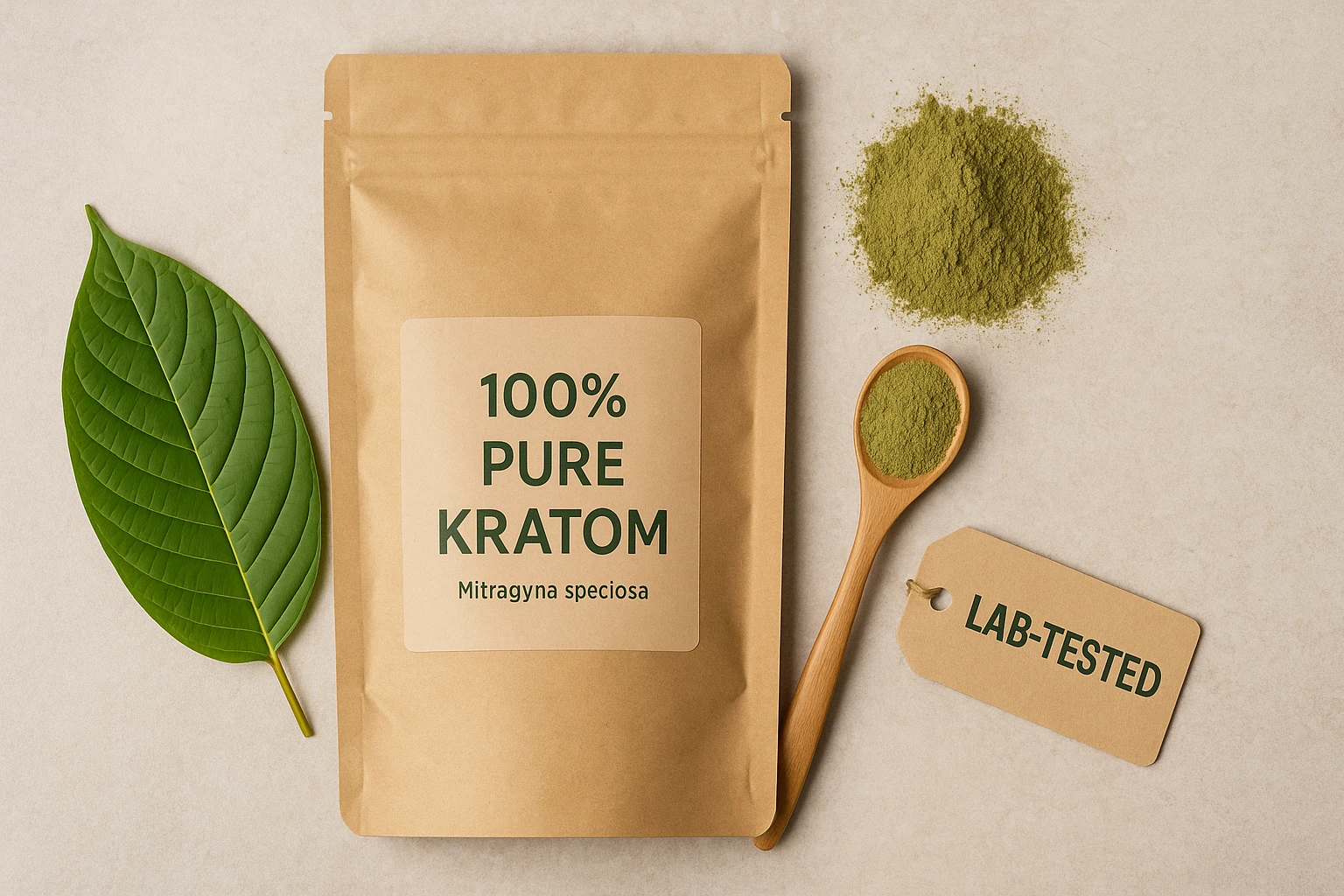
Moreover, kratom’s versatility in forms, such as powders, capsules, or teas, allows it to fit into wellness routines without complex formulations. A high-quality kratom powder, for instance, might list a single ingredient: Mitragyna speciosa. This straightforwardness appeals to those wary of multi-ingredient supplements with unpronounceable additives.
However, not all kratom products meet clean label standards. Variability in alkaloid content, potential contamination, and unethical sourcing practices can undermine its natural appeal. To align with clean label values, producers must prioritize sustainable farming, rigorous testing, and transparent labelling.
Challenges to Kratom’s Clean Label Status
Despite its natural origins, kratom faces significant hurdles in fully aligning with the clean label movement. One major challenge is the lack of standardized regulations, particularly in Canada, where kratom operates in a legal gray area. Health Canada has noted concerns about kratom’s safety, citing risks like contamination and inconsistent potency, which can conflict with clean label principles of reliability and transparency.
Contamination is a critical issue. In 2018, the U.S. Food and Drug Administration (FDA) reported salmonella outbreaks linked to kratom products, highlighting the risks of poor manufacturing practices. Heavy metals or pesticides from unregulated farms can also taint kratom, undermining its clean label potential. For kratom to meet clean label standards, producers must implement rigorous testing for contaminants and share results with consumers.
Another challenge is the variability in alkaloid content. Factors like soil conditions, harvest timing, and processing methods can alter the potency of kratom leaves, leading to inconsistent effects. Clean label consumers expect predictability, so vendors must invest in quality control to ensure uniformity across batches.
Ethical sourcing is equally important. The clean label movement values sustainability and fair labour practices, but some kratom is harvested under questionable conditions, with reports of deforestation or exploitative labour in Southeast Asia. Vendors committed to clean label principles must partner with farmers who prioritize environmental stewardship and fair wages.
Transparency and Labelling in Kratom Products
Transparency is a cornerstone of the clean label movement, and kratom vendors can meet this demand by providing detailed, honest labelling. A clean label kratom product should clearly state the strain, alkaloid profile, and sourcing details, such as the region of origin or farming practices. For example, a label might specify “100% organic Mitragyna speciosa from sustainable Indonesian farms” to build trust.
In Canada, where kratom is not approved as a dietary supplement, vendors must navigate careful language to avoid health claims that could trigger regulatory scrutiny. Instead, they can focus on educating consumers about the plant’s traditional uses and general effects, such as energy or relaxation, without making unverified medical claims. This approach aligns with clean label values by fostering informed decision-making.
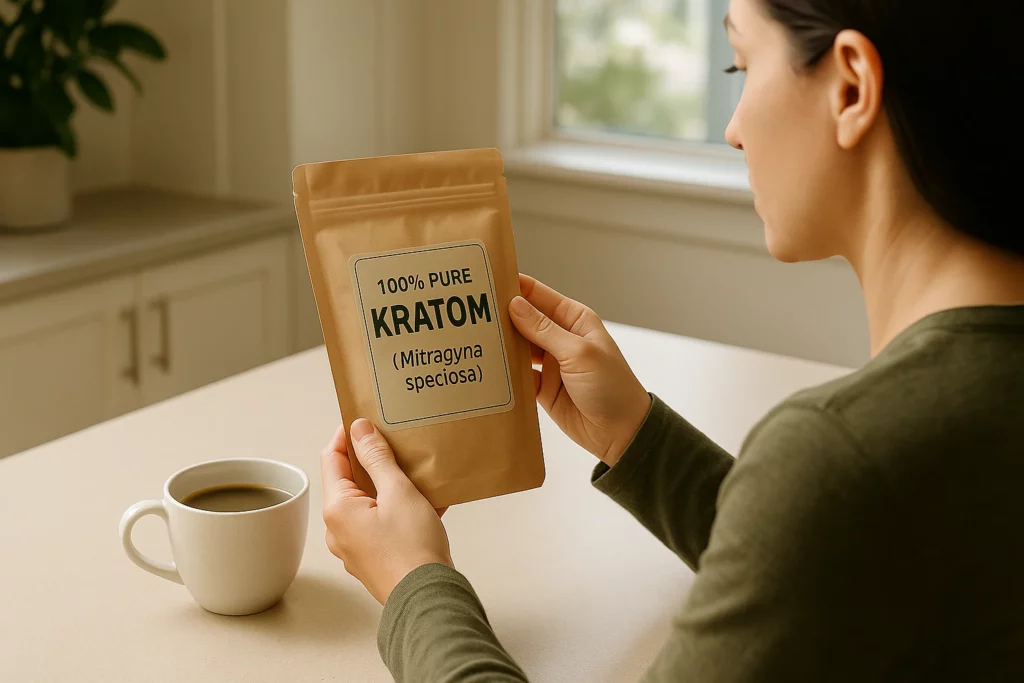
Person inspecting a sealed kratom pouch beside a coffee cup.
Sustainability and Ethical Sourcing
Sustainability is a growing concern in the clean label movement, and kratom’s environmental impact is a key consideration. The plant’s rising popularity has led to increased demand, putting pressure on Southeast Asian ecosystems. Unsustainable harvesting practices, such as clear-cutting forests, can degrade soil and harm biodiversity, conflicting with clean label values.
Ethical kratom vendors work to mitigate these issues by partnering with farmers who use sustainable methods, like selective harvesting or agroforestry, which preserve the land. Supporting fair trade practices also ensures that farmers and workers are fairly compensated, aligning with the movement’s emphasis on social responsibility.
Consumer Education and Informed Choices
The clean label movement empowers consumers to take control of their health by making informed choices, and kratom fits this ethos when paired with education. Many users are drawn to kratom for its potential to support wellness naturally, but without clear guidance, they may struggle to select safe, high-quality products.
Education starts with understanding kratom’s effects. For instance, red vein strains are often associated with relaxation, while green or white veins may enhance energy. Vendors can provide resources, such as blogs or guides, to explain these differences and suggest appropriate uses, helping consumers align their choices with their goals.
Consumers also need to know how to identify reputable vendors. Kratom should come from sources that prioritize quality control, ethical sourcing, and transparency. Checking for lab-tested products, reading reviews, and researching a vendor’s supply chain can help ensure a product meets clean label standards.
The Future of Kratom in the Clean Label Movement
Kratom’s future in the clean label movement hinges on addressing its challenges while amplifying its strengths. As consumer demand for natural, transparent products grows, kratom has the potential to carve out a niche as a plant-based wellness option. However, this requires industry-wide efforts to improve quality control, sustainability, and transparency.
Advocacy groups, like the Global Kratom Coalition, are pushing for regulations that ensure safety without stifling access. In some U.S. states, laws like the Kratom Consumer Protection Act set standards for labelling and age restrictions, offering a model Canada could consider. These frameworks support clean label goals by prioritizing consumer safety and informed choice.
Research will also play a role. While clinical studies are limited, ongoing efforts to understand kratom’s effects could provide data to guide safe use and regulatory decisions. For now, vendors and consumers must focus on quality, transparency, and education to align kratom with clean label values.
A farmer gathers kratom from a dense, sunlit jungle, showcasing sustainable harvesting practices.
FAQ
Q: What makes kratom a clean label product? A: Kratom can be considered a clean label product when it is minimally processed, free from artificial additives, and sourced transparently. High-quality kratom, such as pure Mitragyna speciosa powder, aligns with clean label values by offering a single-ingredient, plant-based product with clear labelling about its origins and processing.
Q: How does kratom’s regulatory status in Canada affect its clean label status? A: In Canada, kratom is not approved as a dietary supplement, which complicates its marketing. Vendors must focus on transparency and education, providing detailed sourcing and quality information without health claims, to meet clean label standards while complying with regulations.
Q: What should consumers look for in clean label kratom products? A: Consumers should seek products with clear labelling, third-party testing for purity, and ethical sourcing details. Reputable vendors provide lab results, specify the strain and origin, and avoid synthetic additives, ensuring alignment with clean label principles.
Q: How does sustainability relate to kratom in the clean label movement? A: Sustainability is central to the clean label movement. Kratom vendors should partner with farmers who use eco-friendly practices, like selective harvesting, and support fair trade to ensure the product aligns with the movement’s environmental and social responsibility values.
Q: Can kratom be part of a holistic wellness routine? A: Yes, kratom can support holistic wellness by offering natural, plant-based effects, such as energy or relaxation, depending on the strain. Responsible use, guided by clear dosing information, ensures it fits into a balanced, health-conscious lifestyle.
Conclusion: Kratom as a Bridge to Natural Wellness
Kratom’s place in the clean label movement is both promising and complex. Its natural origins, minimal processing, and historical use make it a candidate for those seeking authentic, plant-based wellness options. Yet, challenges like regulatory uncertainty, inconsistent quality, and sustainability concerns require careful attention to ensure it meets the movement’s high standards.
For Canadians exploring kratom, the clean label movement offers a framework for making informed choices. By prioritizing transparency, ethical sourcing, and quality assurance, consumers can embrace kratom as part of a holistic approach to wellness. As the industry evolves, kratom’s role in this movement will depend on collective efforts to uphold the values of purity, honesty, and responsibility that define clean label ideals.
Disclaimer
The information provided in this blog is for informational purposes only. It is not intended to offer medical advice, diagnosis, or treatment recommendations. Kratom, known scientifically as Mitragyna speciosa, is a botanical product that has not been approved by Health Canada or the U.S. Food and Drug Administration for use as a dietary supplement or for any medical purpose. Consumers should approach kratom with caution, as its safety and effectiveness have not been fully substantiated by clinical research.
Kratom use may involve risks, including side effects such as nausea, dizziness, or the potential for dependency with prolonged or excessive use. Some kratom products have been linked to contamination risks, including salmonella, heavy metals, or other impurities, which can pose health concerns. Individuals are strongly encouraged to consult a qualified healthcare professional before using kratom, particularly if they have existing medical conditions, are pregnant or breastfeeding, or are taking medications, as kratom may interact with certain drugs.
Consumers considering kratom are responsible for researching thoroughly, verifying product quality, and following recommended dosages. The authors and publishers of this blog are not liable for any adverse effects or consequences resulting from the use of kratom or reliance on the information presented in this blog.
On February 16, 2026, select provinces will observe regional holidays.
Canada Post will operate as normal and all shipments will be processed as usual.
FedEx will be closed in Prince Edward Island (Islander Day); Alberta, British Columbia, Ontario, Saskatchewan, and New Brunswick (Family Day); Manitoba (Louis Riel Day); and Nova Scotia (Heritage Day). FedEx shipments to these provinces will move the next business day.