


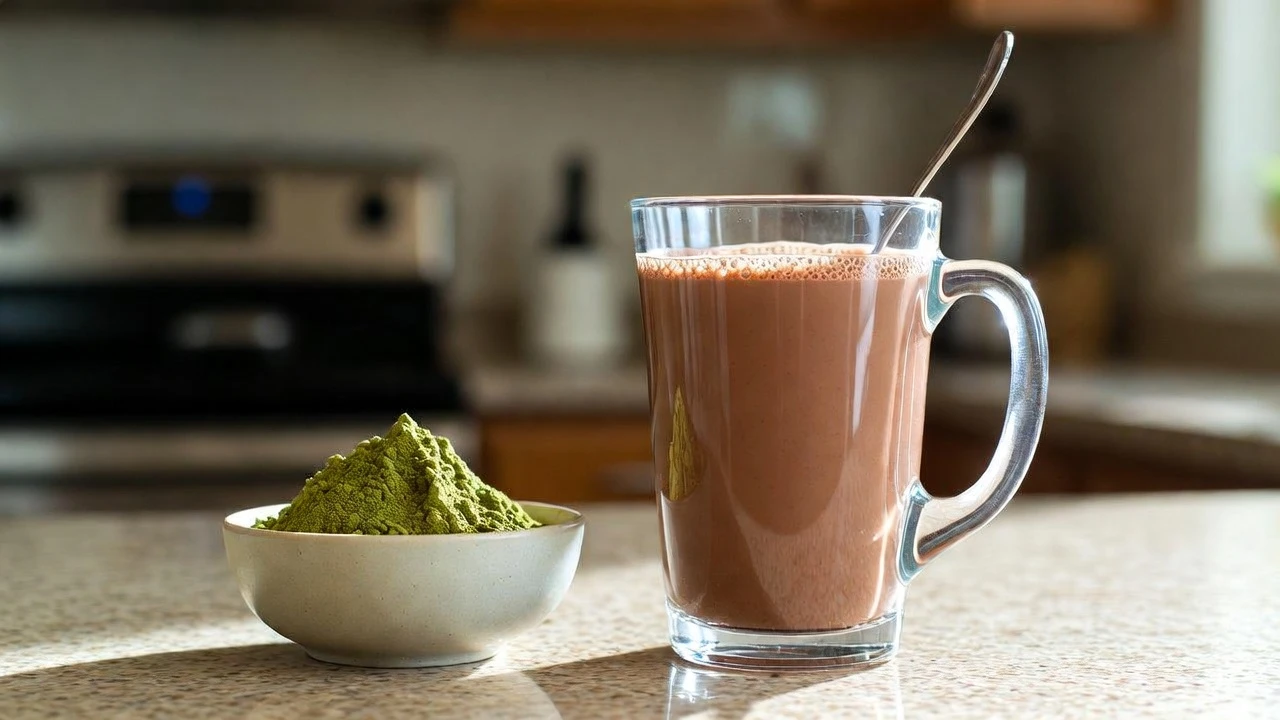

Many people who regularly use kratom powder struggle with its strong, earthy bitterness that can make consumption feel unpleasant or even off-putting. After experimenting with various liquids and methods, a surprising favourite has emerged among users: pairing kratom and chocolate milk. This simple combination is frequently praised as one of the most effective ways to mask the challenging taste, turning what might otherwise be a dreaded routine into something far more enjoyable and approachable. Users often describe it as the best flavour masker they have discovered after trying juices, teas, smoothies, and more.
Understanding Kratom’s Distinct Flavour Profile
Kratom powder derives from the dried leaves of the Mitragyna speciosa tree, native to Southeast Asia. The leaves contain a range of alkaloids that contribute to its effects, but they also produce a strong, natural bitterness combined with deep earthy undertones. Users commonly compare it to overbrewed green tea mixed with soil or dried herbs, often with a persistent, drying aftertaste that lingers on the tongue and in the throat. This astringency comes partly from tannins and other plant compounds, similar to what you find in strong black tea or unripe fruit.
For many, especially those new to kratom, this flavour creates an immediate barrier. Toss-and-wash methods or mixing with plain water highlight the issue most starkly. Over time, even regular users can experience palate fatigue, where the taste becomes harder to ignore rather than easier to tolerate. Finding reliable ways to mask or complement this profile becomes essential for consistent, positive routines.
The Science Behind Why Chocolate Milk Works So Well
Several factors combine to make chocolate milk particularly effective at reducing the perception of kratom’s bitterness. First, the cocoa in chocolate milk introduces its own set of flavour compounds, including theobromine and mild bitter notes from cacao. These interact with the tongue’s bitter receptors in a way that often harmonizes rather than clashes with kratom’s bitterness. The result is a blended taste profile instead of competing harshness.
Second, added sugar in most chocolate milk activates sweet receptors strongly, which can suppress bitter perception. Taste science shows that sweetness often overrides or dulls bitterness on the palate, creating a more balanced experience. Third, the fat content in milk plays a crucial role. Fats coat the mouth and tongue, forming a temporary barrier that slows the release of bitter compounds. Whole milk, with higher fat levels, tends to excel here compared to low-fat or skim versions. This coating effect also helps minimize the drying, puckering sensation tannins can cause.
Many users report that plain milk already softens kratom’s edge due to its proteins binding some tannins, but chocolate milk elevates this by adding dominant cocoa and sweetness. The creamy texture further suspends powder particles, reducing grittiness that thinner liquids allow to settle quickly.

Step-by-Step Guide to Preparing Kratom and Chocolate Milk
Achieving a smooth, clump-free mix takes little effort but benefits from the right technique.
- Choose your chocolate milk: Opt for 8 to 12 ounces depending on dose and preference. Whole milk versions generally mask best due to richness, but plant-based options like oat or almond chocolate milk work for dairy-free needs.
- Measure your kratom: Use your standard amount. Start conservatively if trying this method for the first time.
- Pour the milk into a glass, shaker bottle, or blender cup.
- Add the powder gradually while stirring vigorously with a spoon, whisk, or frother. Adding slowly prevents clumping.
- Blend or shake thoroughly: A 15 to 30 second blend creates the smoothest result. If no blender is available, shake in a sealed bottle for a minute.
- Rest briefly: Let it sit 30 to 60 seconds for foam to settle, then stir again.
- Drink promptly: Consume within a few minutes for optimal texture. A wide straw can help if any minor sediment remains.
This process takes under two minutes and requires no advanced tools, making it highly practical for daily use.
How It Compares to Other Popular Masking Approaches
Users experiment widely, and chocolate milk often emerges as a favourite for its balance of effectiveness, simplicity, and appeal. Citrus juices (orange, grapefruit, lemon) use acidity to cut bitterness and aid extraction for some, but the sharp tang can overwhelm or cause stomach discomfort. Fruit smoothies with bananas, berries, yogurt, or honey provide nutrition and variety, yet require more ingredients and time. Herbal teas or coffee offer ritualistic preparation, but herbal notes frequently linger alongside kratom’s earthiness.
Protein shakes or yogurt mixes deliver creaminess similar to milk, though they lack chocolate’s bold dominance. Chocolate milk wins for instant accessibility. Most households have it. Its treat-like quality shifts mindset from obligation to enjoyment. It avoids extremes of acidity or complexity while delivering reliable coverage.
Addressing Common Texture and Practical Concerns
Powder never fully dissolves, so slight sediment is expected. Chocolate milk’s viscosity keeps more particles suspended than water or juice. Blending minimizes grit. Straining through a fine mesh offers ultra-smooth results if preferred. For travel or busy days, pre-portion kratom and pair with single-serve chocolate milk cartons. Shake when ready. No tools needed. Some report better results with vigorous stirring or letting the mix sit briefly before drinking, allowing flavours to meld.
Community Insights and Real User Experiences
One of the strongest indicators of kratom and chocolate milk’s effectiveness comes from the sheer volume of enthusiastic endorsements across online communities. On platforms like Reddit’s kratom-focused subreddits, dedicated threads often emerge where users share their “aha” moments after discovering this combination. Many describe starting with frustration. They tried toss-and-wash with water, struggled through acidic juices, or forced down gritty smoothies, only to find chocolate milk transformative.
Common themes repeat across hundreds of posts and threads spanning years:
What Users Actually Report About Kratom and Chocolate Milk
- Drastic taste reduction: Users frequently report that chocolate milk “completely covers” or “eliminates” the earthy bitterness, with only faint herbal notes (if any) remaining, especially when using whole milk or richer varieties.
- Texture improvement: The creaminess helps suspend powder particles better than thinner liquids, leading to less grittiness or sediment compared to water or juice mixes.
- Game-changer for beginners: Newcomers often express relief after months of avoidance, calling it “life-changing” or “the best discovery” for making daily use tolerable without dread.
- Plant-based success stories: Almond, oat, soy, or coconut chocolate milk gets frequent praise for dairy-free users, with some noting it masks just as well (or better in lighter profiles) when the cocoa is strong.
- Chasing vs. full mixing: Some prefer mixing powder directly into chocolate milk, while others pre-mix with a splash of water then add milk to avoid clumps. Both approaches get strong recommendations.
- Long-term loyalty: Veterans who have tried dozens of methods (citrus, teas, smoothies) often return to this as their staple, reviving old threads years later to confirm it still holds up.
Honest feedback includes occasional caveats. A minority mention that extremely high doses can let subtle bitterness linger, prompting tweaks like longer blending or stronger chocolate intensity. Texture discussions highlight preferences for frothers or vigorous shaking to achieve near-perfect smoothness, though most accept minor sediment as a fair trade-off for superior flavour masking.
What stands out most is the longevity of this recommendation. Threads from years ago continue to get revived as newcomers ask for advice, with experienced users chiming in to affirm it remains a top choice. This grassroots persistence speaks volumes: when a method survives cycles of experimentation and gets passed down organically across communities, it earns a special place in user routines.
Seasonal adaptations add another layer. In warmer months, iced or blended versions become popular for refreshment, while cooler seasons favour hot chocolate-style preparations. These tweaks keep the base method fresh without abandoning its core appeal. Overall, the community consensus positions kratom and chocolate milk as reliable and forgiving. It is easy enough for beginners yet adaptable for experienced users. It shifts consumption from a chore to something almost anticipatory, fostering better consistency and enjoyment over months or years.

Frequently Asked Questions
Q: Does kratom and chocolate milk completely eliminate the bitter taste?
A: For most users, it significantly reduces or nearly eliminates the bitterness, leaving only faint herbal notes at best. Whole milk versions with strong cocoa tend to perform the best due to higher fat content and sweetness that overpower the earthy profile. Results vary by dose, strain, and personal taste sensitivity, but it is consistently ranked as one of the most effective everyday maskers.
Q: Is whole milk better than low-fat or plant-based chocolate milk for masking?
A: Yes, whole milk often edges out others because its higher fat content creates a thicker coating on the tongue and better suspends the powder, minimizing grittiness and drying sensations. Plant-based options like oat or almond chocolate milk work well for dairy-free users and still provide good coverage, though they may require more vigorous blending for smoothness.
Q: Can I heat kratom and chocolate milk, or should it stay cold?
A: Cold or room-temperature works reliably for taste masking and texture. Gentle warming (like for a hot chocolate style) is popular and enjoyable, but avoid boiling or very high heat, as extreme temperatures might affect the consistency or personal experience preferences. Many users prefer cold for quicker prep and refreshment.
Q: Will adding kratom to chocolate milk change how it affects me?
A: The masking method itself does not alter the fundamental experience, but the fats in milk can slow absorption slightly for a more gradual onset. This is similar to consuming with any fatty food or drink and is often seen as a positive by users who prefer smoother effects.
Q: Is this method suitable for beginners?
A: Absolutely. It is one of the most beginner-friendly options due to its simplicity, availability, and treat-like appeal. New users often report it removes the intimidation factor of trying kratom for the first time.
Q: How does kratom and chocolate milk compare to chasing with chocolate milk after toss-and-wash?
A: Full mixing usually masks better than chasing alone, as the powder integrates throughout the drink for even flavour distribution. Chasing can help if you prefer toss-and-wash, but direct mixing in chocolate milk tends to provide more complete coverage according to community feedback.
Conclusion
This combination succeeds through multilayered masking: flavour dominance, sweetness suppression, fat coating, and creamy suspension. It requires minimal effort yet delivers consistent palatability. For anyone seeking to make kratom consumption smoother and more sustainable, kratom and chocolate milk offers one of the most straightforward, enjoyable solutions widely shared and endorsed. Whether kept classic or customized, it transforms challenge into comfort, supporting enjoyable routines over the long term.
Disclaimer
This information is provided solely for educational purposes and is not intended as medical, health, or professional advice. Consult a qualified healthcare practitioner before using kratom or any herbal substance, particularly if you have existing medical conditions, are pregnant or breastfeeding, are taking prescription or over-the-counter medications (due to possible interactions), or have a history of substance use concerns. Seek immediate medical attention if you experience any adverse reactions. Individual responses to kratom vary widely, and what some users find tolerable may pose significant harm to others.
Kratom (Mitragyna speciosa) is not approved by Health Canada for any medical use, nor is it authorized as a safe or effective natural health product, dietary supplement, treatment, or general consumption item under the Natural Health Products Regulations or the Food and Drugs Act. Health Canada has issued multiple advisories and warnings regarding kratom, highlighting serious potential risks including liver injury, seizures, dependence and addiction, withdrawal symptoms, respiratory depression, cardiac effects, and in rare cases, fatalities.
These risks are often associated with high doses, contaminants, adulteration, or interactions with other substances. Reported adverse effects also include nausea, vomiting, constipation, dizziness, agitation, confusion, elevated blood pressure, and more. Kratom contains alkaloids that act on opioid receptors in the brain, carrying a risk of abuse, tolerance, dependence, and overdose-like symptoms with prolonged or excessive use. There is no established safe dosage, and product quality can vary significantly, with possible contamination by heavy metals, bacteria, Salmonella, or undeclared substances.
The author and publisher of this content are not liable for any injury, illness, adverse effects, damages, or losses, direct, indirect, incidental, or consequential, that may arise from the use, misuse, or reliance on any information provided here.