


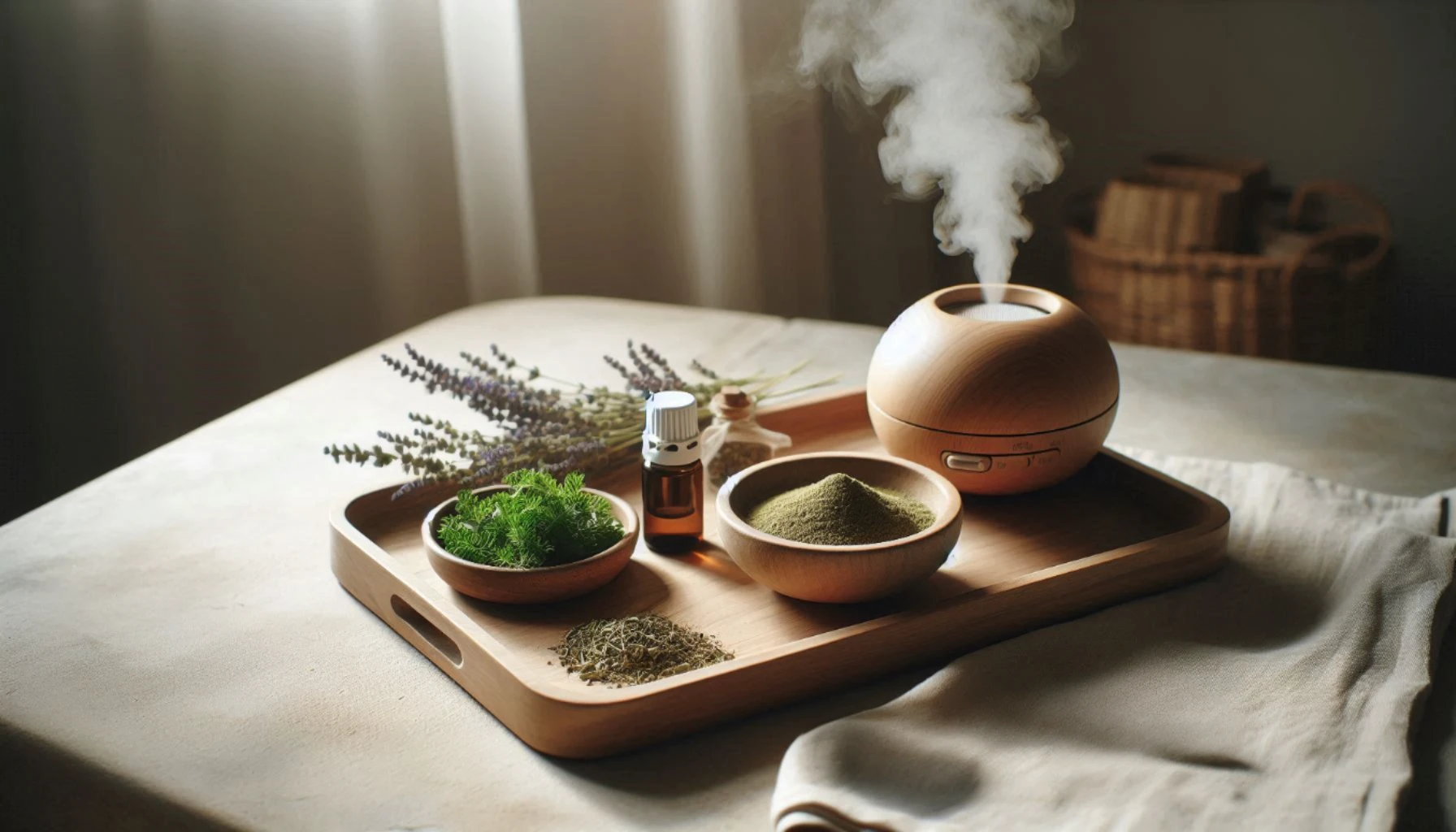

Blending kratom and aromatherapy offer a compelling combination for those seeking natural ways to enhance well-being. These two practices, rooted in botanical traditions, have gained attention for their potential to promote relaxation, focus, and balance. By thoughtfully pairing kratom with the soothing scents of essential oils, individuals can create personalized wellness routines.
This blog post focuses into the fascinating world of kratom and aromatherapy, exploring their individual benefits, how they complement each other, and practical ways to integrate them into daily life. Whether you’re new to these practices or a seasoned enthusiast, this guide provides clear, actionable insights to elevate your experience.
Understanding Kratom: A Natural Botanical
Kratom, native to Southeast Asia, has been used for centuries in traditional practices. The leaves of the Mitragyna speciosa tree contain alkaloids that interact with the body in unique ways, depending on the strain and dosage. Kratom is typically categorized into three main vein types: white, green, and red. Each offers distinct characteristics, making them suitable for different purposes.
White vein kratom is often associated with energy and focus. Users describe it as uplifting, ideal for starting the day or tackling tasks requiring mental clarity. Green vein kratom strikes a balance, offering mild stimulation alongside calmness, making it versatile for various settings. Red vein kratom is preferred for its relaxing properties, often used to unwind or support restful sleep.
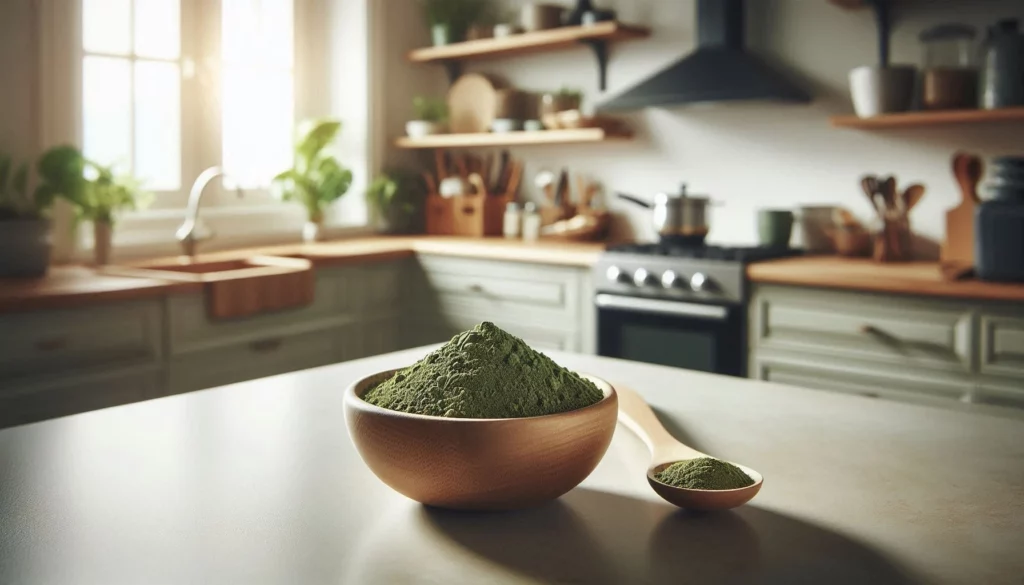
The effects of kratom vary based on individual factors like body chemistry and the method of consumption, such as teas, powders, or capsules. Its growing popularity in wellness circles stems from its natural origins and adaptability, allowing users to make adjustments to their experience and their needs.
The Art and Science of Aromatherapy
Aromatherapy, the practice of using essential oils extracted from plants, harnesses the power of scent to influence mood and well-being. These oils, derived from flowers, leaves, roots, or bark, contain volatile compounds that can stimulate the brain’s limbic system, which governs emotions and memory. When inhaled or applied topically, essential oils can evoke feelings of calm, invigoration, or focus.
Common essential oils include lavender for relaxation, peppermint for mental clarity, and eucalyptus for respiratory support. Aromatherapy can be practiced through diffusers, topical applications, or inhalation techniques, making it accessible for home use. Its appeal lies in its simplicity and ability to create immediate sensory experiences that enhance mental and emotional states.
Why Combine Kratom and Aromatherapy?
Kratom and aromatherapy share a common thread: both draw from nature to support holistic wellness. When used together, they can amplify each other’s effects, creating a synergistic experience. For example, pairing a calming kratom strain with a soothing essential oil can deepen relaxation, while combining an energizing strain with an uplifting scent can enhance focus. This combination allows for customization, letting users craft routines that align with their goals, whether it’s stress relief, productivity, or better sleep.
The sensory aspect of aromatherapy complements kratom’s physiological effects. While kratom works internally, essential oils engage the senses, creating a multi-dimensional approach to well-being. This synergy appeals to those who value natural, plant-based solutions and seek to elevate their daily rituals.
Pairing Kratom Strains with Essential Oils
To maximize the benefits of kratom and aromatherapy, thoughtful pairing is key. Each kratom strain has unique properties that align with specific essential oils, enhancing the overall experience. Below, we explore how to match white, green, and red vein kratom with complementary aromas.
White Vein Kratom and Aromatherapy
White vein kratom is known for its stimulating and mood-enhancing qualities. It’s often chosen for morning routines or moments requiring mental sharpness. To amplify its effects, pair it with invigorating essential oils that boost alertness and positivity.
Citrus oils, such as lemon or grapefruit, are excellent choices. Their bright, zesty scents can elevate mood and sharpen focus, aligning with white vein kratom’s energizing nature. Diffuse a few drops of lemon oil in your workspace to create an uplifting atmosphere while consuming white vein kratom. Alternatively, peppermint oil, with its crisp, cooling aroma, can enhance mental clarity and reduce fatigue, making it ideal for tasks requiring sustained attention.
For a balanced approach, consider blending citrus and peppermint oils. A diffuser blend of three drops of lemon and two drops of peppermint can create a refreshing environment that complements white vein kratom’s vibrant energy.
Green Vein Kratom and Aromatherapy
Green vein kratom offers a harmonious blend of energy and calmness, making it suitable for social settings or mid-day use. Its versatility calls for essential oils that promote balance and emotional stability.
Bergamot, a citrus oil with floral undertones, pairs beautifully with green vein kratom. Its uplifting yet grounding scent can enhance feelings of confidence and ease, perfect for social interactions or creative pursuits. Diffuse bergamot oil during a gathering to foster a warm, inviting atmosphere.
Another great option is rosemary oil, known for its herbaceous aroma and ability to support mental focus while reducing stress. Inhaling rosemary oil through a personal inhaler can provide a subtle boost when paired with green vein kratom, ideal for work or study sessions. For a balanced blend, combine three drops of bergamot with two drops of rosemary in a diffuser to create a serene yet focused ambiance.
Red Vein Kratom and Aromatherapy
Red vein kratom is prized for its soothing and calming effects, often used in the evening to unwind or prepare for rest. Pairing it with relaxing essential oils can deepen its tranquil qualities, promoting a sense of peace.
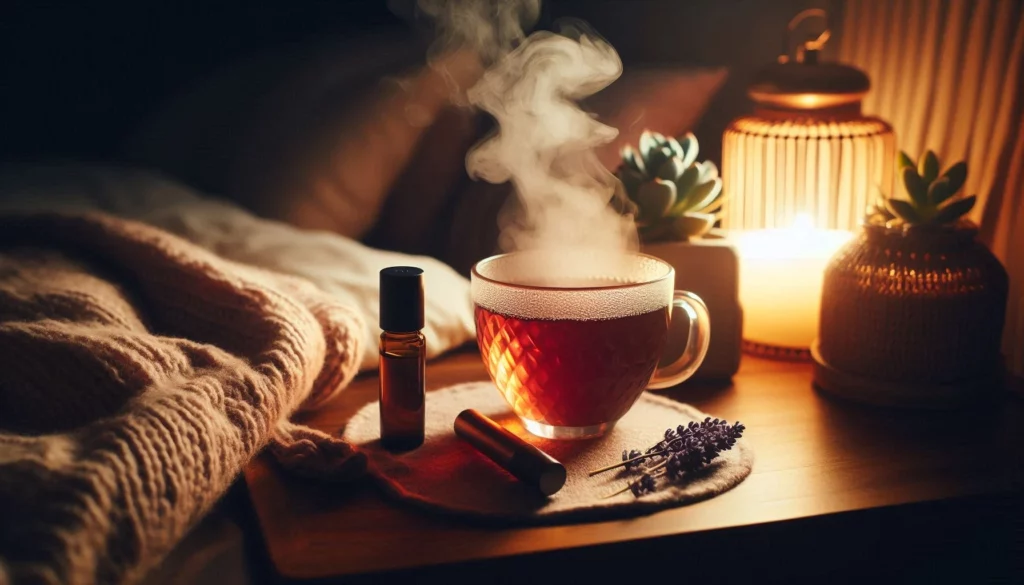
Lavender oil, renowned for its floral, calming scent, is a natural match for red vein kratom. Its ability to reduce tension and promote relaxation makes it ideal for evening rituals. Add a few drops of lavender oil to a warm bath or diffuse it in your bedroom to create a restful environment while course, there is no guarantee of specific results and the results can vary.
Frankincense oil, with its warm, resinous aroma, is another excellent choice. It supports emotional grounding and can enhance meditative practices. Blend two drops of lavender with one drop of frankincense in a diffuser for a deeply calming experience that complements red vein kratom’s soothing effects.
Safety Considerations for Kratom and Aromatherapy
While kratom and aromatherapy are natural, they require responsible use to ensure safety. For kratom, start with a low dose to assess your body’s response, as effects vary between individuals. Consult a healthcare professional, especially if you have underlying health conditions or take medications, to avoid potential interactions.
When using essential oils, always dilute them with a carrier oil for topical applications to prevent skin irritation. Conduct a patch test before widespread use. Avoid ingesting essential oils, as most are not safe for internal consumption. Use high-quality, pure essential oils from reputable sources to ensure safety and efficacy. Pregnant individuals, children, and those with respiratory conditions should consult a doctor before using essential oils. Store both kratom and essential oils in cool, dark places to maintain their potency. Keep them out of reach of children and pets to prevent accidental misuse.
Crafting a Personalized Experience
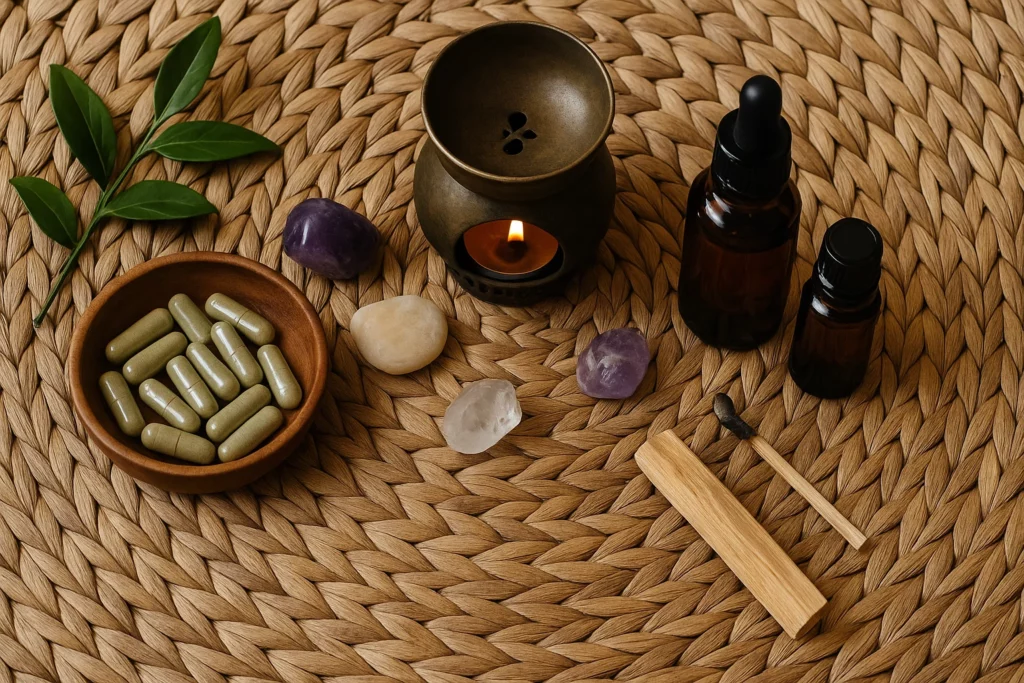
The beauty of combining kratom and aromatherapy lies in its flexibility. Each person’s needs and preferences are unique, so experimentation is key to finding the perfect pairing. Keep a journal to track how different kratom strains and essential oil blends affect your mood, energy, and overall well-being. Over time, you’ll discover combinations that resonate with your body and lifestyle.
Consider your environment when using these practices. A quiet, clutter-free space can enhance the sensory experience of aromatherapy, while a comfortable setting can make kratom consumption more enjoyable. Incorporate other wellness practices, such as meditation or gentle stretching, to create a holistic routine that nurtures both body and mind.
Exploring Beyond the Basics
For those eager to deepen their kratom and aromatherapy practice, consider exploring advanced techniques. Create custom essential oil blends tailored to specific kratom strains. For example, a blend of ylang-ylang and cedarwood can enhance red vein kratom’s calming effects, while a mix of eucalyptus and lime can complement white vein kratom’s energizing qualities.
You can also experiment with different aromatherapy tools, such as ultrasonic diffusers, nebulizers, or aromatherapy jewelry, to suit your lifestyle. For kratom, try preparing it in new ways, such as blending it into smoothies or brewing it as a tea with complementary herbs like chamomile or peppermint, to enhance flavor and experience.
The Cultural Roots of Kratom and Aromatherapy
Both kratom and aromatherapy have rich cultural histories that add depth to their modern use. Kratom has been a staple in Southeast Asian communities, where it was chewed or brewed into teas for its stimulating and soothing effects. Similarly, aromatherapy traces its roots to ancient civilizations like Egypt, China, and India, where plant extracts were used in rituals, medicine, and daily life.
Understanding these origins can foster a deeper appreciation for these practices. By honoring their traditional uses while adapting them to contemporary needs, users can create meaningful connections to these time-honored botanicals.
Building a Sustainable Practice
Sustainability is an important consideration when using kratom and essential oils. Opt for kratom sourced from ethical suppliers who prioritize sustainable harvesting and fair labour practices. Similarly, choose essential oils from companies that use environmentally responsible methods, such as organic farming or wildcrafting, to minimize ecological impact.
By making conscious choices, you can ensure that your kratom and aromatherapy practice aligns with values of environmental stewardship and social responsibility. This approach not only enhances your personal experience but also contributes to the preservation of these valuable natural resources.
FAQ: Kratom and Aromatherapy
Q: What is the main benefit of combining kratom and aromatherapy?
A: Combining kratom and aromatherapy enhances wellness by blending kratom’s physiological effects with the sensory benefits of essential oils. This synergy can amplify relaxation, focus, or energy, depending on the strain and oil pairing, creating a tailored, holistic experience.
Q: Can I use any essential oil with any kratom strain?
A: While you can experiment, pairing complementary oils with specific kratom strains maximizes benefits. For example, uplifting citrus oils work well with white vein kratom for energy, while calming lavender suits red vein kratom for relaxation.
Q: How do I safely start using kratom and aromatherapy together?
A: Begin with a low kratom dose and a single essential oil to gauge your body’s response. Use a diffuser or diluted topical application for aromatherapy, and consult a healthcare professional if you have health conditions or take medications.
Q: Which essential oil is best for beginners pairing with kratom?
A: Lavender is a great starting point due to its versatility and calming effects. It pairs well with red or green vein kratom for relaxation or balance and is widely available in high-quality forms.
Q: How often can I practice kratom and aromatherapy in my routine?
A: Frequency depends on your needs and tolerance. Using them 2-3 times a week, with breaks, helps maintain effectiveness and prevents overuse. Always monitor your body’s response and adjust accordingly.
Q: Are there any risks to combining kratom and aromatherapy?
A: When used responsibly, risks are minimal. However, improper kratom dosing or undiluted essential oils can cause side effects like nausea or skin irritation. Follow safety guidelines and source high-quality products.
Q: How do I choose high-quality kratom and essential oils?
A: Look for kratom from ethical suppliers with transparent sourcing and lab-tested products. For essential oils, choose pure, organic options from reputable brands that provide clear labeling and sourcing information.
Q: Is kratom and aromatherapy suitable for everyone?
A: Not necessarily. Pregnant individuals, children, or those with certain medical conditions should avoid or consult a doctor before use. Always consider personal health and sensitivities when starting.
Q: Can I blend multiple essential oils when using kratom?
A: Yes, blending oils can enhance the experience. For example, combining bergamot and rosemary with green vein kratom supports focus and balance. Start with simple blends and adjust ratios to suit your preferences.
Final Thoughts on Kratom and Aromatherapy
The combination of kratom and aromatherapy offers a powerful, natural way to support wellness. By pairing kratom’s diverse strains with carefully selected essential oils, you can create personalized rituals that enhance focus, relaxation, and emotional balance. Whether you’re energizing your morning with white vein kratom and citrus oils, balancing your day with green vein kratom and bergamot, or unwinding with red vein kratom and lavender, the possibilities are endless.
Approach this practice with mindfulness, curiosity, and respect for the plants’ origins. Start small, experiment thoughtfully, and prioritize safety to craft a routine that feels authentic to you. As you explore the synergy of kratom and aromatherapy, you’ll discover a world of sensory and botanical richness that elevates your daily life.
Disclaimer
The information provided in this blog post is for informational purposes only and is not intended as medical advice. The use of kratom and essential oils may carry health risks and is not suitable for everyone. Always consult a qualified healthcare professional before starting any new wellness practice, especially if you have pre-existing medical conditions, are pregnant, nursing, or taking medications, as kratom and essential oils may interact with certain health conditions or treatments.
Kratom and aromatherapy should be used responsibly. Improper use, such as excessive kratom dosing or undiluted essential oil application, may lead to adverse effects, including nausea, skin irritation, or other health concerns. Always follow recommended guidelines, use high-quality products from reputable sources, and conduct patch tests for essential oils to avoid allergic reactions. Essential oils should not be ingested unless under the guidance of a trained professional.
Individual responses to kratom and aromatherapy vary, and there is no guarantee of specific results. The safety and efficacy of these practices depend on proper use and personal health factors. Store kratom and essential oils safely, out of reach of children and pets, to prevent accidental misuse. This blog post does not endorse or promote the use of kratom or aromatherapy as a substitute for professional medical care. Always prioritize your health and safety by seeking guidance from a licensed healthcare provider for any medical concerns.