


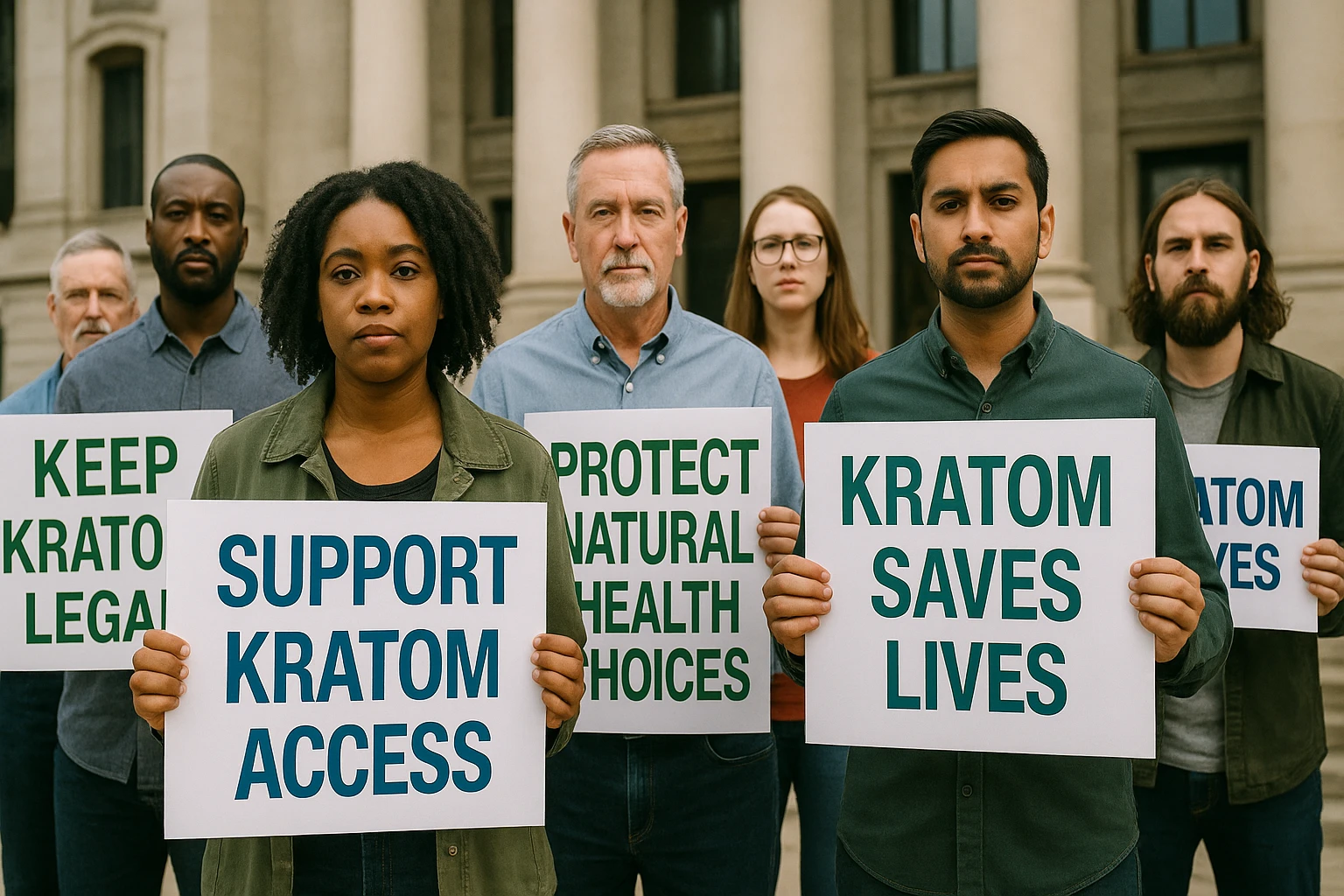

Kratom advocacy groups have become powerful voices in the ongoing conversation about Mitragyna speciosa. These organizations work tirelessly to protect access to kratom, promote responsible use, and influence policies that affect millions of users across North America. For those who rely on kratom for pain relief, anxiety management, or as an alternative to opioids, these groups are a beacon of hope in a complex regulatory landscape. Their efforts aim to ensure that kratom remains available while addressing concerns about safety, misinformation, and legal challenges.
The Rise of Kratom Advocacy Groups
Kratom, derived from the leaves of a tree in the coffee family, has gained a significant following in North America. An estimated 15 million people use it to manage ailments like anxiety, chronic pain and opioid withdrawal symptoms. Its growing popularity has drawn attention from regulators, health authorities, and pharmaceutical industries, leading to debates about its safety and legality.
Kratom advocacy groups have emerged as key players in this debate, bridging the gap between users, vendors, and policymakers. These organizations strive to educate the public, counter misinformation, and push for regulations that prioritize consumer safety without restricting access.
Advocacy for kratom is not a new phenomenon. In both Canada and the United States, grassroots movements have grown into structured organizations that engage with lawmakers, scientists, and communities. Their mission is clear: to protect the right to use kratom responsibly while ensuring that products meet quality standards. By engaging in dialogue and promoting evidence-based policies, these groups are shaping a future where kratom can be accessed safely and legally.
Kratom Advocacy Groups in Canada
In Canada, kratom exists in a legal gray area. While it is not listed as a controlled substance under the Controlled Drugs and Substances Act, Health Canada has raised concerns about its safety, leading to seizures of kratom products from retailers. Despite these challenges, advocacy groups are working to protect the plant’s availability and promote its responsible use. Below are some notable organizations leading the charge in Canada.
Canadian Kratom Association (CKA)
The Canadian Kratom Association (CKA) is a prominent advocate for kratom users and vendors in Canada. Recognizing the small but growing market for kratom, the CKA positions itself as a watchdog for the community. It provides legal and business support to vendors facing regulatory hurdles, such as investigations by health authorities. For instance, the CKA has helped businesses navigate cease-and-desist orders, ensuring that kratom remains accessible to those who depend on it for health reasons. The organization emphasizes the need for more research and community support to counter opposition from government bodies and pharmaceutical interests. By rallying users and vendors, the CKA aims to create a unified voice to influence policy and protect the kratom market.
Natural Health Products Research Society of Canada (NHPRS)
While not exclusively focused on kratom, the Natural Health Products Research Society of Canada plays a significant role in advocating for herbal products, including kratom. The NHPRS challenges Health Canada’s claims about kratom’s risks, calling for substantiated evidence before restrictive measures are imposed. The organization argues that kratom, with its centuries-long history of traditional use, deserves a fair evaluation rather than blanket prohibitions. By promoting research and engaging with regulators, the NHPRS seeks to ensure that kratom is regulated as a natural health product, allowing for safe and legal access.
Grassroots Movements and Online Communities
Beyond formal organizations, grassroots movements and online forums are vital to kratom advocacy in Canada. Platforms like Reddit and other social media spaces allow users to share experiences, discuss safe usage, and organize against potential bans. These communities often collaborate with formal advocacy groups to amplify their message, petitioning policymakers and raising awareness about kratom’s benefits. While less structured, these efforts demonstrate the passion and commitment of kratom users to protect their access to the plant.

Kratom Advocacy Groups in the United States
In the United States, kratom faces a patchwork of regulations, with some states banning it outright while others have passed laws to protect its use. The American Kratom Association (AKA) and other groups have been instrumental in navigating this complex landscape, advocating for consumer rights and responsible regulation. Below are key players in the U.S. advocacy scene.
American Kratom Association (AKA)
The American Kratom Association is the most prominent kratom advocacy group in the United States. Founded to preserve consumer access to kratom, the AKA engages with lawmakers, scientists, and the media to promote informed policies. One of its major achievements is the Kratom Consumer Protection Act (KCPA), which has been adopted in several states, including Utah, Georgia, Arizona, and South Dakota as of February 2025.
The KCPA establishes standards for product labeling, age restrictions, and lab testing, ensuring that kratom products are safe and unadulterated. The AKA also certifies vendors through its Good Manufacturing Practices (GMP) program, helping consumers identify high-quality products. By working with policymakers and countering efforts by agencies like the FDA to classify kratom as a Schedule I substance, the AKA has been a driving force in maintaining kratom’s legal status.
Botanical Education Alliance (BEA)
The Botanical Education Alliance complements the AKA’s efforts by focusing on education and industry support. Representing both consumers and businesses, the BEA advocates for quality standards and informed policymaking. It has played a key role in lobbying against state-level bans, emphasizing the economic impact of the kratom industry, which employs thousands and generates significant revenue.
The BEA’s grassroots campaigns encourage users to share their stories, humanizing the debate and highlighting kratom’s role in managing pain and opioid dependence. By fostering collaboration between industry stakeholders and policymakers, the BEA helps ensure that kratom remains a viable option for millions.
Kratom Trade Association (KTA)
The Kratom Trade Association focuses on uniting the kratom industry to promote quality standards and consumer freedom. Its mission is to support businesses while educating the public and policymakers about kratom’s benefits. The KTA advocates for science-based regulations, arguing that misconceptions about kratom often drive restrictive policies. By providing resources for manufacturers and retailers, the KTA helps ensure that products meet safety standards, reducing the risk of contamination or adulteration. Its grassroots advocacy efforts also empower consumers to engage with legislators, amplifying the industry’s voice in policy discussions.
The Broader Impact of Kratom Advocacy Groups
Kratom advocacy groups in both Canada and the United States share a common goal: to protect access to kratom while promoting its safe and responsible use. Their efforts have far-reaching implications, influencing public perception, regulatory frameworks, and the future of the kratom industry. Below are some key areas where these groups are making a difference.
Educating the Public and Countering Misinformation
One of the biggest challenges facing kratom is the spread of misinformation. Health authorities, such as Health Canada and the FDA, have raised concerns about kratom’s safety, citing risks like liver toxicity, seizures, and dependence. While these concerns are valid, advocacy groups argue that they are often overstated or lack context. For example, many reported kratom-related adverse events involve co-exposure to other substances, such as alcohol or opioids, which complicates attribution. Groups like the CKA and AKA work to provide accurate information, sharing user testimonials and advocating for more research to clarify kratom’s safety profile. By engaging with the media and online platforms, these organizations help dispel myths and foster informed discussions.
Influencing Policy and Regulation
Kratom advocacy groups play a critical role in shaping kratom’s legal landscape. In the United States, the AKA’s push for the KCPA has led to state-level regulations that balance consumer access with safety standards. In Canada, the CKA’s support for vendors facing regulatory crackdowns has helped maintain a small but resilient market. These groups engage with lawmakers, providing data, user stories, and expert opinions to advocate for policies that protect kratom’s availability. Their efforts have prevented outright bans in many regions, ensuring that users can continue to access the plant legally.
Supporting Research and Safety Standards
A lack of comprehensive research is one of the biggest hurdles for kratom’s acceptance. Advocacy groups are pushing for more studies to explore kratom’s potential benefits and risks. In the United States, the AKA collaborates with researchers to fund studies on kratom’s pharmacological effects, while in Canada, the NHPRS advocates for evidence-based evaluations of herbal products. Additionally, groups like the AKA and KTA promote Good Manufacturing Practices, ensuring that kratom products are tested for purity and free from contaminants. These standards build consumer trust and reduce the risk of adverse events, strengthening the case for kratom’s legitimacy.
Empowering Communities and Vendors
Kratom advocacy groups empower users and vendors by providing resources, legal support, and a platform to share their experiences. In Canada, the CKA has helped businesses stay operational despite regulatory pressures, while in the United States, the BEA and KTA support the industry’s economic contributions. Online communities also play a role, allowing users to connect, share knowledge, and advocate for their rights. By building a trustworthy community, these groups create a united front against restrictive policies and negative stereotypes.

Challenges Facing Kratom Advocacy Groups
Despite their successes, kratom advocacy groups face significant challenges. Regulatory bodies in both Canada and the United States remain skeptical of kratom, citing a lack of clinical evidence and potential risks. Health Canada’s seizures of kratom products and the FDA’s warnings about its safety create an uphill battle for advocates. Additionally, opposition from pharmaceutical companies, which view kratom as a competitor to prescription painkillers, adds another layer of complexity. These groups must navigate a polarized landscape, balancing the need for regulation with the desire to maintain access.
Public perception is another hurdle. While many users report positive experiences with kratom, media reports often focus on negative incidents, such as overdoses or adverse effects. Advocacy groups must work to shift this narrative, emphasizing kratom’s potential as a safer alternative to opioids while acknowledging the need for responsible use. Finally, the lack of unified regulation across regions makes advocacy more challenging, as groups must address different laws and attitudes in each jurisdiction.
The Future of Kratom Advocacy
Looking ahead, kratom advocacy groups will continue to play a pivotal role in shaping the plant’s future. As research progresses, these organizations will likely leverage new findings to strengthen their case for safe, regulated access. In Canada, groups like the CKA and NHPRS will push for clearer regulations, potentially aligning kratom with other natural health products. In the United States, the AKA and BEA will continue to advocate for the KCPA’s adoption in more states, creating a consistent framework for kratom regulation.
The rise of online communities and social media will also amplify advocacy efforts. By sharing stories and organizing campaigns, users can influence public opinion and pressure policymakers to consider kratom’s benefits. As more people turn to kratom for pain management and opioid withdrawal, advocacy groups will need to ensure that products remain safe and accessible, addressing concerns about quality and misinformation.
A Call for Collaboration
The work of kratom advocacy groups underscores the importance of collaboration between users, vendors, researchers, and policymakers. By working together, these stakeholders can create a future where kratom is recognized for its potential benefits while being subject to appropriate oversight. Consumers can support these efforts by staying informed, sharing their experiences, and engaging with advocacy organizations. Vendors, meanwhile, can adopt quality standards and work with groups like the AKA to ensure safe products. Policymakers must listen to the voices of users and advocates, balancing safety concerns with the need for access.

FAQ: Understanding Kratom Advocacy Groups
Q: What do kratom advocacy groups primarily focus on?
A: Kratom advocacy groups focus on protecting access to kratom, promoting responsible use, and advocating for fair regulations. They educate the public, counter misinformation, and work with policymakers to ensure kratom remains legally available while meeting safety standards.
Q: How do Canadian kratom advocacy groups differ from those in the USA?
A: Canadian groups, like the CKA, focus on navigating a legal gray area and supporting vendors against regulatory actions. U.S. groups, such as the AKA, emphasize state-level legislation like the KCPA and countering federal ban attempts, reflecting the countries’ different legal landscapes.
Q: Why is public education a key part of kratom advocacy?
A: Public education counters misinformation about kratom’s risks, often exaggerated by regulators or media. Advocacy groups share user experiences and push for research to highlight kratom’s benefits, fostering informed discussions and reducing stigma.
Q: How do advocacy groups support kratom vendors?
A: Groups like the CKA and KTA provide legal guidance, advocate for fair regulations, and promote quality standards like Good Manufacturing Practices. This support helps vendors operate legally and ensures consumers receive safe, high-quality products.
Q: Can individuals get involved with kratom advocacy groups?
A: Yes, individuals can join advocacy efforts by participating in online communities, sharing their stories, signing petitions, or contacting legislators. Many groups, like the BEA, encourage grassroots involvement to amplify their impact.
Q: What challenges do kratom advocacy groups face in 2025?
A: These groups face regulatory skepticism, opposition from pharmaceutical industries, and negative media portrayals. They must also address varying regional laws and push for research to legitimize kratom’s use, all while maintaining consumer access.
Conclusion
Kratom advocacy groups are at the forefront of a movement to secure a positive future for Mitragyna speciosa. In Canada, organizations like the Canadian Kratom Association and the Natural Health Products Research Society are fighting for fair regulations and informed policies. In the United States, the American Kratom Association, Botanical Education Alliance, and Kratom Trade Association are leading efforts to protect consumer rights and establish safety standards.
Together, these groups are educating the public, influencing policy, and supporting research to ensure that kratom remains a viable option for millions. Their work is a testament to the power of community-driven advocacy in navigating complex regulatory landscapes and shaping a brighter future for kratom users in 2025 and beyond.
Disclaimer
The information in this blog is for informational purposes only and is not medical, legal, or professional advice. Kratom (Mitragyna speciosa) is a botanical substance not fully evaluated or approved by regulatory bodies like Health Canada or the U.S. Food and Drug Administration for medical use. Its safety, efficacy, and long-term effects are not fully understood, and research is ongoing.
Consult a healthcare professional before using kratom for pain relief, anxiety, or opioid withdrawal. Pregnant or breastfeeding individuals and those with medical conditions or on medications should be cautious, as kratom’s effects in these groups are not well-studied. This essay does not recommend kratom for medical conditions. Seek guidance from a licensed medical professional for health-related concerns, as relying on kratom instead of professional care may pose risks.
Kratom’s legal status varies by region and may change. In Canada, it exists in a legal gray area with potential restrictions. In the U.S., legality differs by state, with some areas imposing bans or regulations. Readers must understand and comply with local laws. The author and publisher are not responsible for adverse effects, legal consequences, or other outcomes from kratom use or reliance on this information. Prioritize safety, consult professionals, and stay informed about the evolving regulatory and scientific landscape surrounding kratom.