


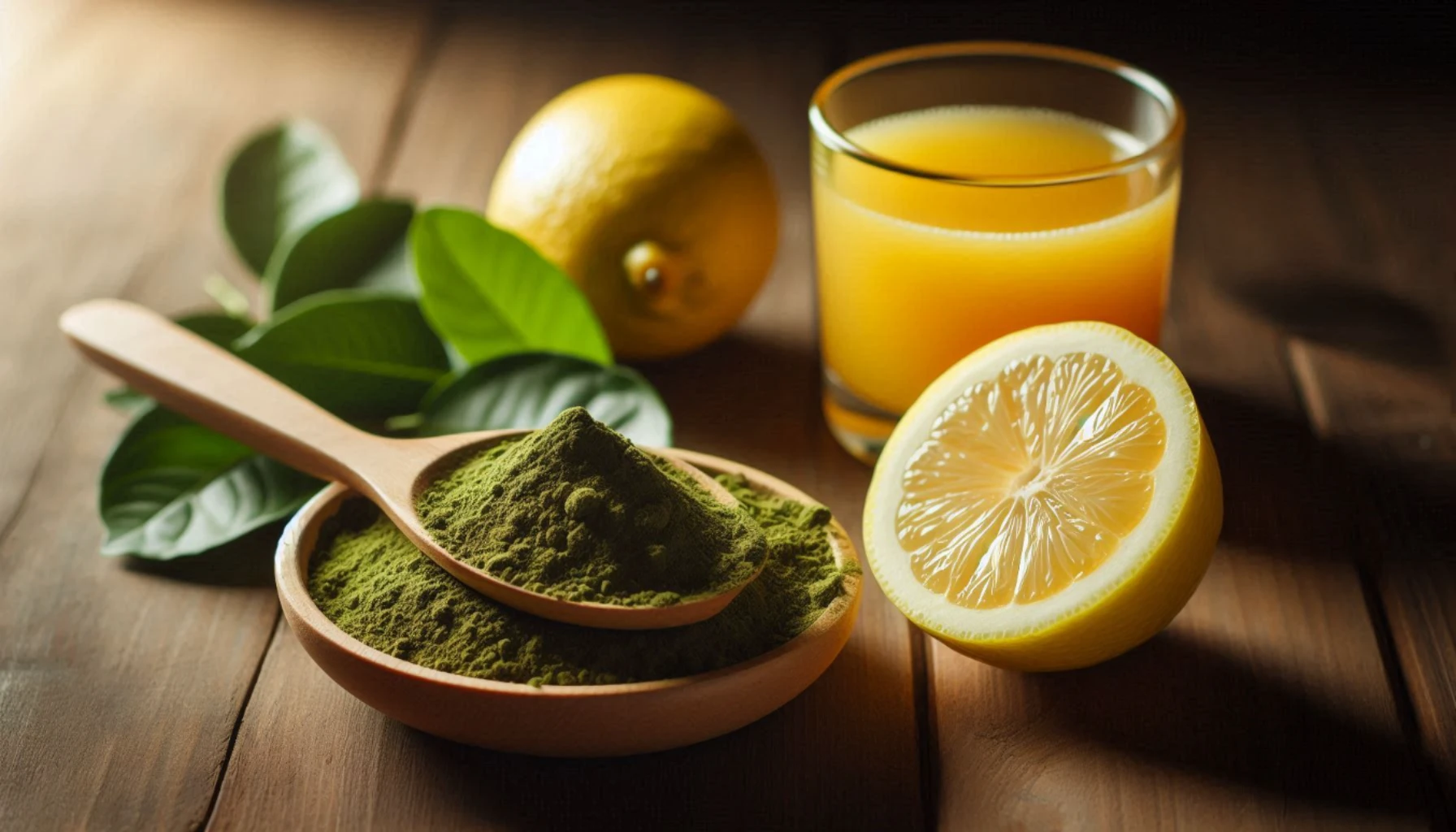

Kratom absorption is a topic that fascinates many who use this plant medicine, as it directly influences how effectively its compounds work in the body. The process of how kratom’s active alkaloids, such as mitragynine and 7-hydroxymitragynine, are absorbed can vary significantly from person to person. One key factor that often goes unnoticed is the acidity of the stomach. Does the pH level in your digestive system play a role in how well kratom works? The short answer is yes, but the full explanation is far more nuanced.
This blog will take a look into the intricate relationship between stomach acidity and kratom absorption, exploring the factors that affect bioavailability and offering insights into optimizing your experience with this botanical.
What Is Kratom Absorption?
To understand the role of stomach acidity, it’s essential to first grasp what kratom absorption means. Absorption refers to the process by which the active compounds in kratom, primarily its alkaloids, are taken up by the body and enter the bloodstream. Once absorbed, these compounds can interact with receptors in the brain and body, producing effects like relaxation, energy, or discomfort relief. Bioavailability, a related term, describes the proportion of these compounds that actually reach systemic circulation and remain active.
Kratom absorption begins in the digestive system, primarily in the stomach and small intestine. After ingestion, kratom’s alkaloids must dissolve, pass through the digestive tract’s barriers, and avoid being broken down by enzymes or stomach acid before they can enter the bloodstream. Several factors influence this process, including the form of kratom (powder, capsules, or tea), the timing of consumption, and, crucially, the environment of the stomach itself.
The Role of Stomach Acidity in Digestion
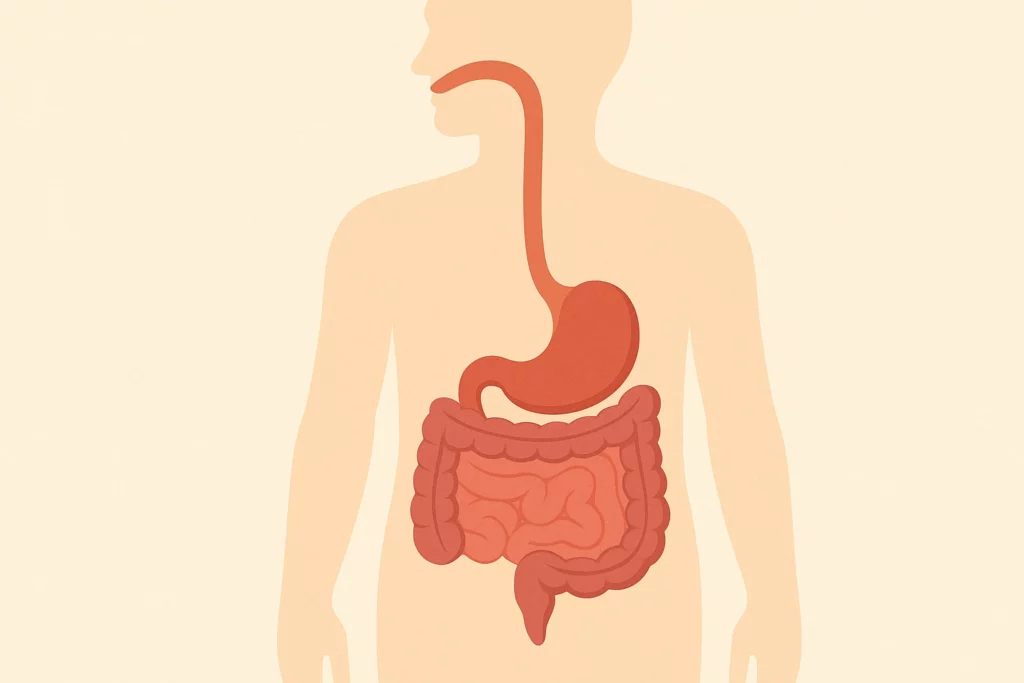
The stomach is a highly acidic environment, with a pH typically ranging from 1.5 to 3.5. This acidity is primarily due to hydrochloric acid, which helps break down food, kill pathogens, and activate digestive enzymes. While this acidic environment is essential for digestion, it can also affect how certain substances, including kratom’s alkaloids, are processed.
Stomach acidity influences the solubility and stability of compounds. Some substances dissolve better in acidic environments, while others may degrade or become less bioavailable. For kratom, the pH of the stomach can either enhance or hinder the dissolution of its alkaloids, which is the first step toward absorption. If the alkaloids don’t dissolve properly, they may pass through the stomach intact, reducing the amount available for absorption in the small intestine, where most nutrient uptake occurs.
How Stomach Acidity Affects Kratom Absorption
The relationship between stomach acidity and kratom absorption is complex. Kratom’s primary alkaloids, mitragynine and 7-hydroxymitragynine, are relatively stable in acidic environments, but their solubility can vary depending on the pH. In a highly acidic stomach, these alkaloids may dissolve more readily, allowing them to be released from the plant material and prepared for absorption in the small intestine. However, if the stomach is less acidic due to factors like medications, diet, or medical conditions, the dissolution process may be slower, potentially reducing bioavailability.
Another consideration is the speed at which kratom moves through the stomach. A highly acidic environment can stimulate gastric motility, meaning the stomach empties its contents into the small intestine more quickly. Since the small intestine has a larger surface area and a more neutral pH (around 6 to 7), it’s the primary site for alkaloid absorption. If kratom lingers too long in an overly acidic stomach, some alkaloids may begin to break down, reducing the amount available for absorption.
Conversely, a less acidic stomach, with a higher pH, may slow gastric emptying. This can delay the delivery of kratom’s alkaloids to the small intestine, potentially altering the timing and intensity of effects. For some, this delay might result in a slower onset of effects, while for others, it could lead to inconsistent experiences.
Factors That Influence Stomach Acidity
Several factors can alter the acidity of your stomach, which in turn can impact kratom absorption. Understanding these variables can help you optimize your kratom experience.
Diet and Food Intake
What you eat before or with kratom can significantly affect stomach acidity. Consuming kratom on an empty stomach typically results in faster absorption because there’s less material for the stomach to process, and the acidic environment can focus on dissolving the alkaloids. However, taking kratom with food, especially high-fat or protein-rich meals, can increase stomach pH temporarily, as the stomach produces less acid to digest these foods. This may slow the dissolution of kratom’s alkaloids and delay absorption.
Acidic foods or beverages, like citrus fruits or coffee, can enhance stomach acidity, potentially aiding the breakdown of kratom. On the other hand, alkaline foods, such as leafy greens or certain dairy products, may neutralize stomach acid, which could hinder alkaloid solubility.
Medications and Supplements
Certain medications, particularly proton pump inhibitors (PPIs) and antacids, are designed to reduce stomach acidity. PPIs, commonly used for acid reflux or ulcers, can raise stomach pH significantly, making the environment less acidic. This can slow the dissolution of kratom’s alkaloids, potentially reducing bioavailability. Antacids, which neutralize stomach acid, have a similar effect, though their impact is typically shorter-lived. Other supplements, like calcium or magnesium, can also alter stomach pH. If you take these alongside kratom, you might notice changes in how quickly or effectively the kratom takes effect.
Health Conditions
Medical conditions that affect stomach acid production can also play a role. For example, individuals with hypochlorhydria (low stomach acid) or achlorhydria (no stomach acid) may experience reduced kratom absorption due to slower alkaloid dissolution. Conditions like gastritis or Helicobacter pylori infections can either increase or decrease stomach acidity, leading to inconsistent kratom experiences.
Age and Metabolism
As we age, stomach acid production can naturally decline, which may affect kratom absorption. Older individuals might notice that kratom takes longer to produce effects or feels less potent. Metabolism also plays a role, as faster metabolisms may process kratom more quickly, while slower metabolisms could lead to prolonged effects.
Other Factors Affecting Kratom Bioavailability
While stomach acidity is a critical factor, it’s not the only one that influences kratom absorption. To fully understand bioavailability, it’s worth exploring other elements that can enhance or hinder the process.
Form of Kratom
The way kratom is consumed, whether as powder, capsules, or tea has a significant impact on absorption. Kratom powder, when mixed with water or juice, can dissolve more quickly in the stomach, leading to faster absorption. Capsules, on the other hand, must first dissolve in the stomach, which can delay the release of alkaloids. Kratom tea, made by steeping the leaves or powder, may extract some alkaloids during preparation, potentially altering their concentration and bioavailability.
Timing of Consumption
Taking kratom on an empty stomach generally leads to faster absorption, as there’s less competition from food or other substances. However, some people find that consuming kratom with a small amount of food reduces stomach discomfort while still allowing for decent absorption. The key is to avoid heavy meals that could slow gastric emptying.
Individual Physiology
Each person’s body is unique, and factors like genetics, liver enzyme activity, and gut health can influence how kratom is absorbed and metabolized. For example, the liver’s cytochrome P450 enzymes play a role in breaking down kratom’s alkaloids, and variations in these enzymes can lead to differences in bioavailability.
Hydration Levels
Staying hydrated is often overlooked but can affect kratom absorption. Dehydration can slow digestion and gastric emptying, potentially delaying the onset of effects. Drinking water with kratom not only helps with swallowing but also supports the digestive process.
Optimizing Kratom Absorption
Given the many factors that influence kratom absorption, there are several strategies you can try to enhance bioavailability and achieve a more consistent experience. While individual responses vary, these tips can help you make the most of your kratom use.
Consider Your Stomach Environment
Pay attention to what you eat or drink before taking kratom. If you’re aiming for faster absorption, try consuming kratom on an empty stomach or with a small, acidic beverage like orange juice. Avoid taking kratom immediately after a large meal, as this can slow digestion and reduce bioavailability. If you’re using medications like PPIs or antacids, be aware that they may alter stomach acidity. You might need to adjust the timing of your kratom consumption to account for these effects. For example, taking kratom several hours after an antacid may allow your stomach acid levels to normalize.
Choose the Right Form
Experiment with different forms of kratom to find what works best for you. If you prefer quick effects, kratom powder or tea might be more effective than capsules. If you find capsules more convenient, consider taking them with a slightly acidic drink to aid dissolution.
Stay Hydrated
Drinking plenty of water before and after taking kratom can support digestion and absorption. Proper hydration ensures that your stomach and intestines are functioning optimally, allowing alkaloids to move through the digestive tract efficiently.
Monitor Your Body’s Response
Since everyone’s physiology is different, it’s helpful to keep track of how kratom affects you under different conditions. Note whether you feel stronger effects when taking kratom on an empty stomach, with food, or at different times of day. This can help you identify patterns and optimize your routine.
Be Mindful of Health Conditions
If you have a condition that affects stomach acid production, such as acid reflux or hypochlorhydria, consult with a healthcare professional to understand how it might impact kratom absorption. They can provide guidance on managing your condition while using kratom.
Common Myths About Kratom Absorption
As with any plant medicine, myths and misconceptions will arise no matter what. Let’s address a few common ones to ensure you have accurate information.
Myth: More Kratom Always Means Better Effects
Taking larger amounts of kratom doesn’t necessarily increase absorption or effects. In fact, consuming too much can overwhelm the digestive system, leading to reduced bioavailability and potential side effects like nausea. The key is finding the right amount for your body, which allows for optimal absorption.
Myth: Stomach Acidity Doesn’t Matter
While stomach acidity is just one piece of the puzzle, it does play a significant role in kratom absorption. Ignoring factors like diet, medications, or health conditions can lead to inconsistent experiences.
Myth: All Kratom Forms Are Absorbed the Same Way
Different forms of kratom such as powders, capsules, or teas have distinct absorption profiles. Assuming they all work the same can lead to frustration if you’re not getting the desired effects.

Frequently Asked Questions About Kratom Absorption
Q: Does drinking coffee with kratom improve absorption?
A: Coffee is acidic and may enhance stomach acidity, which can help dissolve kratom’s alkaloids more quickly. This could lead to faster absorption and a synergy of effects, especially if taken on an empty stomach. However, coffee’s stimulant effects might interact with kratom, so monitor how your body responds.
Q: Can low stomach acid prevent kratom from working?
A: Yes, low stomach acid (hypochlorhydria) can slow the dissolution of kratom’s alkaloids, potentially reducing absorption and weakening effects. If you suspect low stomach acid, consult a healthcare professional for advice on managing it.
Q: Why do I feel kratom effects faster on an empty stomach?
A: An empty stomach allows kratom’s alkaloids to dissolve and move to the small intestine more quickly, where absorption is most efficient. Food can slow this process, delaying the onset of effects.
Q: Do antacids affect kratom absorption?
A: Antacids neutralize stomach acid, which may slow the dissolution of kratom’s alkaloids and reduce bioavailability. Taking kratom a few hours after an antacid can help minimize this effect.
Q: Is kratom tea better for absorption than powder?
A: Kratom tea may extract some alkaloids during preparation, potentially making them more readily available for absorption. However, the difference depends on preparation and individual response, so experiment to see what works for you.
Q: Can dehydration impact kratom’s effects?
A: Yes, dehydration can slow digestion and gastric emptying, delaying kratom absorption. Drinking water before and after taking kratom supports the digestive process and may enhance effects.
Conclusion
The acidity of your stomach does matter when it comes to kratom absorption, but it’s just one part of a larger equation. By paying attention to your diet, timing, and overall health, you can fine-tune your kratom experience to better suit your needs. Regardless of whether you’re new to kratom or a long-time user, understanding the factors that affect bioavailability empowers you to make choices that enhance its effects.
Experimenting with different approaches such as adjusting when and how you consume kratom can help you discover what works best for you. Keep in mind that everyone’s body is different, so what works for one person may not work for another. With patience and awareness, you can unlock the full potential of kratom’s alkaloids and enjoy a more consistent and satisfying experience.
Disclaimer
The information provided in this blog about kratom absorption is intended for informational purposes only. It is not a substitute for professional medical advice, diagnosis, or treatment. Kratom is a botanical substance that may carry health risks and is not regulated by the U.S. Food and Drug Administration (FDA) or Health Canada. Before using kratom, consult with a qualified healthcare professional, especially if you have pre-existing medical conditions, are pregnant or breastfeeding, are taking medications, or have concerns about potential interactions or side effects.
Factors such as stomach acidity, diet, and medications may influence kratom’s effects, but individual responses can differ significantly, and improper use may lead to adverse health outcomes, including nausea, dependency, or other serious side effects. Always exercise caution and follow local laws and regulations regarding kratom use. The authors and publishers of this blog are not liable for any consequences resulting from the use or misuse of the information provided.