




Kratom has gained widespread attention for its potential to support wellness, boost energy, and provide relief from discomfort. As more people explore its uses, questions about its safety and side effects naturally arise. One concern that often surfaces is whether someone can develop a kratom allergy. While allergic reactions to kratom are uncommon, they are not impossible, and understanding this possibility is crucial for anyone considering or currently using this plant-based supplement. Allergies are a complex and often unpredictable aspect of human health. They can develop in response to almost anything, including foods, medications, plants, or environmental factors like pollen.
What Is a Kratom Allergy?
An allergy is the body’s immune system reacting to a substance it perceives as harmful, even if that substance is generally safe. When someone has a kratom allergy, their immune system identifies compounds in kratom, such as its alkaloids, other phytochemicals, or contaminants, as threats. This triggers the release of histamine, a chemical that causes symptoms like itching, swelling, or difficulty breathing.
Kratom allergies are rare, affecting an estimated 1-4% of users, though exact numbers are hard to pin down due to limited research. Unlike side effects from overuse, such as nausea or dizziness, allergic reactions stem from an immune response rather than the body’s adjustment to the substance. These reactions can range from mild skin irritations to, in rare cases, severe symptoms requiring immediate medical attention.
Understanding the difference between an allergy and other reactions is key. For example, some users experience mild itching after taking kratom, which may not indicate a true allergy but rather a sensitivity to its alkaloids or a temporary histamine response. True allergies often involve multiple symptoms and can worsen with exposure, while sensitivities may remain mild and manageable.
Why Might Someone Develop a Kratom Allergy?
The reasons behind a kratom allergy are rooted in the complex interplay between the body’s immune system and the substances it encounters. Several factors can contribute to the development of an allergic reaction to kratom:
Alkaloid Sensitivity
Kratom contains over 40 alkaloids, with mitragynine and 7-hydroxymitragynine being the most prominent. These compounds interact with receptors in the brain and body, producing effects ranging from stimulation to relaxation. In rare cases, an individual’s immune system may recognize these alkaloids as foreign invaders, prompting an allergic response. The likelihood of this depends on the person’s unique physiology, as some may be more sensitive to specific alkaloids than others.
Contaminants in Kratom
Kratom is an unregulated substance in many regions, meaning its quality can vary widely. Contaminants like mold, bacteria, pesticides, or heavy metals can sometimes be present in low-quality kratom products. These impurities may trigger allergic reactions, particularly in individuals with pre-existing sensitivities to environmental allergens. For example, mold spores in poorly processed kratom could cause symptoms in someone allergic to mold, even if they tolerate pure kratom well.
Genetic Predisposition
Allergies often have a genetic component. If you have a family history of allergies to foods, medications, or plants, you may be more likely to develop a kratom allergy. Genetic factors can influence how your immune system responds to new substances, making some individuals more prone to hypersensitivity.
Cross-Reactivity with Other Allergens
Cross-reactivity occurs when the body mistakes a substance for another allergen it already reacts to. Since kratom belongs to the Rubiaceae family, which includes coffee plants, individuals allergic to coffee or related plants might experience cross-reactivity with kratom. This is rare but possible, particularly if the person has a history of plant-based allergies.
Dosage and Exposure
The amount of kratom consumed and the frequency of use can influence allergic reactions. Taking high doses or using kratom frequently may increase the likelihood of an immune response, as the body is exposed to larger quantities of its compounds. New users, in particular, may not realize their body is reacting until symptoms appear after repeated use.

Recognizing the Symptoms of a Kratom Allergy
Identifying a kratom allergy requires paying close attention to how your body responds after taking the herb. Symptoms can vary widely, from mild and manageable to severe and potentially dangerous. Here’s a breakdown of the most common signs to watch for:
Mild Symptoms
- Itching or Skin Irritation: One of the most frequently reported symptoms is itching, often accompanied by redness or flushing of the skin, particularly on the face, neck, or arms. This may feel like a mild prickling sensation or more persistent discomfort.
- Rashes or Hives: Raised, red patches or hives may appear on the skin, signaling an immune response. These can be localized or spread across larger areas of the body.
- Eye Redness or Watering: Some users report red or watery eyes after taking kratom. While this can sometimes result from the herb’s effects on blood vessels, persistent eye irritation may indicate an allergy.
- Mild Gastrointestinal Distress: Symptoms like nausea, stomach discomfort, or mild diarrhea can occasionally signal an allergic reaction, though these are more commonly associated with kratom overuse.
Moderate Symptoms
- Swelling: Swelling of the lips, face, or throat can occur in more pronounced allergic reactions. This may feel like puffiness or tightness in the affected areas.
- Sneezing or Runny Nose: Respiratory symptoms, such as a runny nose or frequent sneezing, may mimic hay fever and suggest an allergic response to kratom or its contaminants.
- Mild Breathing Difficulty: A feeling of tightness in the chest or slight difficulty breathing can indicate a moderate allergic reaction, though this should be monitored closely.
Severe Symptoms
- Anaphylaxis: Though extremely rare, anaphylaxis is a life-threatening allergic reaction that requires immediate medical attention. Symptoms include severe difficulty breathing, swelling of the throat, rapid heartbeat, and dizziness. Anyone experiencing these signs after taking kratom should seek emergency care immediately.
- Severe Respiratory Distress: In rare cases, kratom has been linked to acute respiratory distress syndrome (ARDS), a serious condition involving lung inflammation and breathing difficulties. This is more likely in cases of contaminated kratom or underlying health conditions.
Differentiating Allergies from Sensitivities or Side Effects
Not every adverse reaction to kratom is an allergy. Sensitivities, intolerances, or side effects from improper use can mimic allergic symptoms, leading to confusion. Here’s how to tell them apart:
- Allergies: These involve the immune system and often include symptoms like rashes, swelling, or breathing issues. They tend to worsen with repeated exposure and may require medical intervention.
- Sensitivities: These may cause mild discomfort, such as itching or nausea, without a full immune response. Sensitivities often improve with reduced doses or gradual exposure.
- Side Effects: These result from kratom’s pharmacological effects, not an immune reaction. Common side effects include nausea, dizziness, or constipation, often linked to high doses or mixing kratom with other substances.
For example, mild itching after taking kratom might stem from a histamine release triggered by its alkaloids, similar to how some medications cause temporary skin reactions. This doesn’t always mean a true allergy. However, if itching is accompanied by hives, swelling, or respiratory symptoms, an allergy is more likely.
Who Is at Risk for a Kratom Allergy?
While anyone could potentially develop a kratom allergy, certain factors increase the risk:
- History of Allergies: People with existing allergies to foods, medications, or plants are more likely to react to kratom.
- Pre-existing Skin Conditions: Conditions like eczema or psoriasis can make the skin more reactive, increasing the chance of rashes or irritation from kratom.
- Compromised Immune Systems: Individuals with autoimmune disorders or weakened immune systems may have heightened sensitivity to new substances.
- High-Dose Users: Taking large amounts of kratom or using it frequently can stress the body, potentially triggering an immune response.
- Users of Low-Quality Kratom: Poorly processed or contaminated kratom increases the risk of reactions, as impurities can act as allergens.
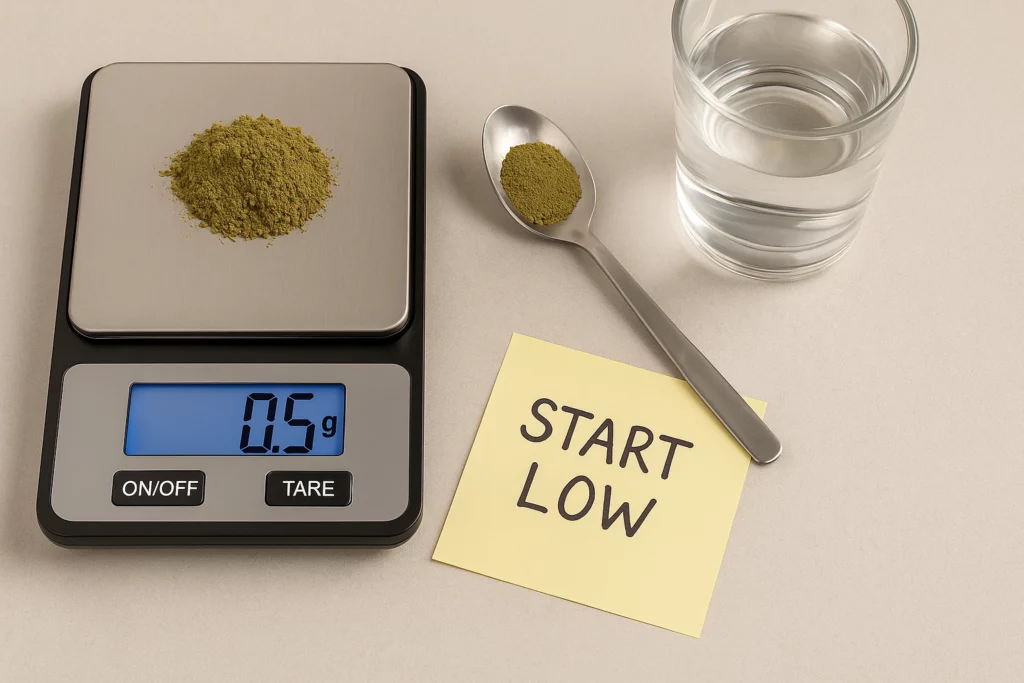
New users should be particularly cautious, as their bodies are still adapting to kratom’s compounds. Starting with a small dose, such as 0.5 grams, can help gauge how the body responds before increasing intake.
Managing and Preventing Kratom Allergies
If you suspect a kratom allergy or want to minimize the risk, there are practical steps you can take to stay safe while using this herb:
Start with a Low Dose
For first-time users, beginning with a small amount, like 0.5 to 1 gram, allows you to monitor your body’s response. Gradually increase the dose over time, watching for any signs of discomfort. This approach helps distinguish between allergies, sensitivities, and normal adjustments to kratom.
Choose High-Quality Kratom
Sourcing kratom from reputable suppliers who test for contaminants like mold, bacteria, or heavy metals can significantly reduce the risk of allergic reactions. Look for vendors who provide lab reports or certificates of analysis to ensure purity and quality when you buy kratom in Canada.
Stay Hydrated
Dehydration can exacerbate histamine release, which may worsen symptoms like itching or rashes. Drinking plenty of water before and after taking kratom can help mitigate these effects and support overall health.
Monitor Your Body
Keep a journal of your kratom use, noting the strain, dose, and any symptoms you experience. This can help identify patterns, such as whether certain strains or doses trigger reactions. For example, some users find that red vein kratom causes fewer issues than green or white vein varieties due to differences in alkaloid profiles.
Avoid Mixing Substances
Combining kratom with other substances, such as alcohol, medications, or supplements, can increase the likelihood of adverse reactions. If you’re taking medications, especially antihistamines or opioids, consult a healthcare provider before using kratom to avoid interactions that might mimic allergic symptoms.
Use Antihistamines Cautiously
For mild allergic symptoms like itching or rashes, over-the-counter antihistamines may provide relief. However, combining kratom with antihistamines like Benadryl can enhance sedation and pose risks, so this should only be done under medical supervision. Always wait to see if symptoms resolve naturally before taking additional substances.
Consult a Healthcare Professional
If you experience persistent or severe symptoms, stop using kratom immediately and seek medical advice. A doctor can perform allergy tests, such as skin prick tests or blood tests, to confirm whether kratom or its contaminants are the cause. They can also recommend alternative remedies if kratom is unsuitable for you.
Consider Strain Variation
Different kratom strains, including red, green, or white vein, have unique alkaloid profiles that may affect users differently. If you suspect an allergy to one strain, experimenting with another under controlled conditions might reduce symptoms. However, proceed cautiously and consult a professional if reactions persist.
Can You Build Tolerance to a Kratom Allergy?
In some cases, individuals with mild kratom allergies may develop tolerance through gradual exposure. This approach, known as desensitization, involves slowly increasing exposure to the allergen to reduce the immune system’s reactivity. However, this is not guaranteed to work for everyone and should only be attempted under medical supervision.
For example, someone with mild itching might start with a very low dose of kratom and monitor their symptoms over weeks, gradually increasing the amount if no reactions occur. If symptoms persist or worsen, continuing use is not advisable. For those with severe allergies, avoiding kratom altogether is the safest option.
The Role of Quality in Reducing Allergic Risks
The quality of kratom plays a significant role in its safety profile. Poorly processed or contaminated kratom is more likely to cause reactions, as impurities can act as allergens or irritants. Here’s how quality impacts allergic potential:
- Sourcing: Kratom from trusted regions, like Indonesia or Thailand, is often processed with stricter standards, reducing the risk of contaminants.
- Processing: Proper drying and storage prevent mold or bacterial growth, which can trigger allergies in sensitive individuals.
- Testing: Reputable suppliers test for heavy metals, pesticides, and microbial contaminants, ensuring a cleaner product.

Frequently Asked Questions About Kratom Allergies
Q: Can a kratom allergy develop over time, even if I’ve used it without issues before?
A: Yes, allergies can develop with repeated exposure, even if you’ve used kratom without problems in the past. This happens when the immune system becomes sensitized to kratom’s compounds, triggering a reaction after multiple uses. Monitoring for new symptoms, like itching or swelling, is important for long-term users.
Q: How can I tell if my symptoms are from a kratom allergy or something else?
A: A kratom allergy typically involves immune-related symptoms, such as hives, swelling, or breathing difficulties, that worsen with exposure. Non-allergic side effects, like nausea or dizziness, are often dose-related and don’t involve the immune system. If symptoms persist or include multiple signs, consult a doctor for allergy testing.
Q: Are certain kratom strains less likely to cause allergies?
A: Different strains, like red, green, or white vein, have varying alkaloid profiles, which may affect users differently. Some find red vein strains less likely to cause reactions, but there’s no guarantee. Testing small doses of different strains under medical guidance can help identify tolerable options.
Q: Can I continue using kratom if I have mild allergic symptoms?
A: Mild symptoms, like slight itching, may be manageable by reducing the dose or switching strains, but proceed cautiously. If symptoms persist or worsen, stop using kratom and seek medical advice to avoid escalating reactions.
Q: What should I do if I suspect my kratom is contaminated?
A: If you suspect contamination, stop using the product immediately. Look for signs like unusual odors, discoloration, or clumping, which may indicate mold or impurities. Purchase from suppliers who provide lab-tested products, and contact the vendor to report concerns.
Q: Can children or pets develop a kratom allergy?
A: Children and pets should not be exposed to kratom due to its potent effects and lack of safety data. Allergic reactions are possible in any individual, but the risks are higher in those with developing or sensitive systems. Keep kratom securely stored away from children and animals.
Conclusion
Developing a kratom allergy is rare but possible, and being informed is the first step to using this herb responsibly. By recognizing the signs of an allergic reaction, understanding its causes, and taking proactive measures, you can minimize risks and make informed decisions about your kratom use. Whether you’re a new user or a seasoned enthusiast, paying attention to your body’s signals and prioritizing quality can make all the difference.
If you suspect a kratom allergy, don’t ignore it. Mild symptoms may be manageable with adjustments, but severe reactions require immediate action. By staying vigilant and seeking professional advice when needed, you can explore kratom’s potential benefits while keeping safety first. This guide aims to provide clarity and confidence, helping you navigate the world of kratom with a clear understanding of its risks and how to address them. Your health and well-being are paramount, and knowledge is your best ally in achieving both.
Disclaimer
The information provided in this blog is for educational and informational purposes only and should not be considered medical advice. Kratom is an unregulated substance in many regions, and its safety, efficacy, and potential risks, including allergic reactions, have not been fully studied or approved by health authorities such as the U.S. Food and Drug Administration (FDA) or Health Canada. Individual responses to kratom can vary widely, and allergic reactions, while rare, can range from mild to life-threatening.
Always consult a qualified healthcare professional before using kratom, especially if you have pre-existing medical conditions, allergies, or are taking medications or other substances. If you experience symptoms such as difficulty breathing, swelling, or severe skin reactions after using kratom, seek immediate medical attention. The use of kratom carries inherent risks, including but not limited to allergic reactions, interactions with other substances, and potential contamination in unregulated products.
Neither the author nor the publisher assumes responsibility for any adverse effects resulting from the use of kratom or reliance on the information provided. Users are encouraged to exercise caution, source high-quality products from reputable vendors, and prioritize their health and safety by staying informed and vigilant.