


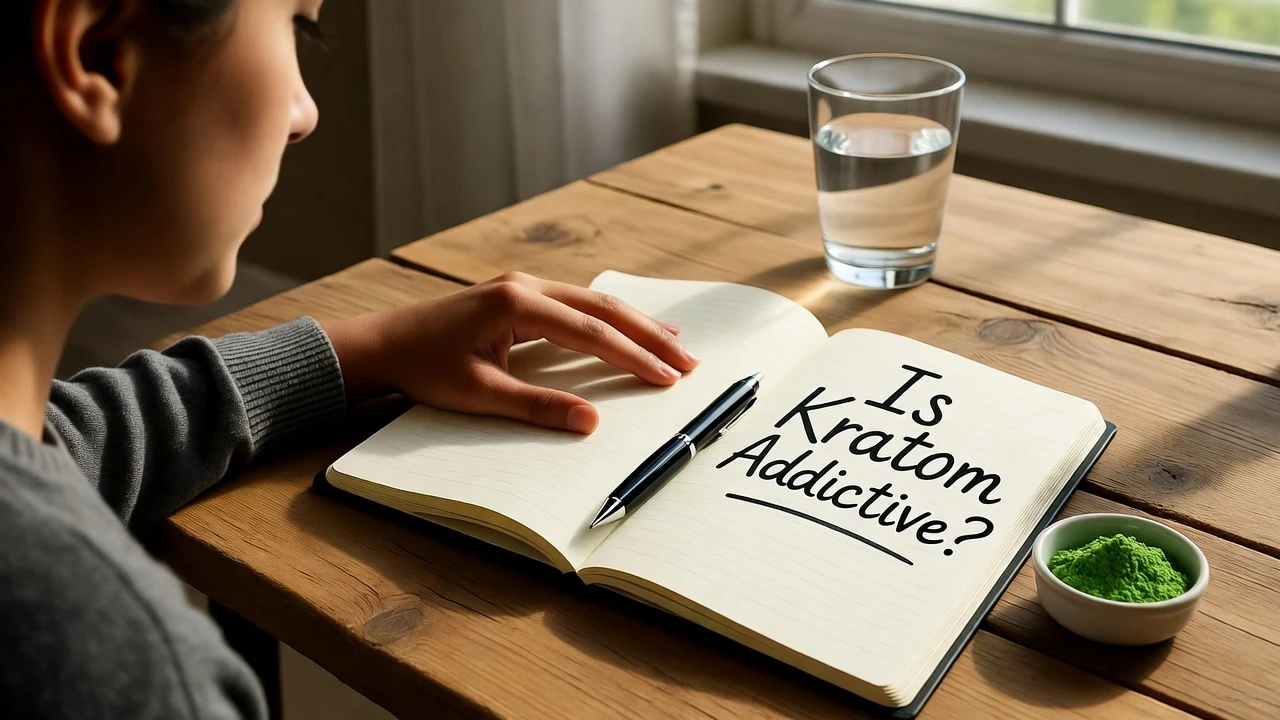

For years, people have turned to kratom, a tropical leaf from Southeast Asia, for its potential to ease discomfort, boost energy, or simply help them unwind after a long day. But with growing popularity comes growing concern. A question that sits at the heart of one of the most heated conversations in the world of plant-based wellness: is kratom addictive? Reports of dependence, withdrawal symptoms, and even calls for regulation have left many wondering if this natural substance carries the same risks as opioids or stimulants?
The truth, as with most things in life, isn’t black and white. Kratom interacts with the body in complex ways, and its potential for addiction depends heavily on how it’s used, how much, and by whom. In this blog, we’ll walk through the evidence, the experiences, and the science behind the debate without hype, without fearmongering, and without pretending we have all the answers. What we do have is a clear-eyed look at what we know so far.
What Does “Addictive” Actually Mean?
Before diving into kratom specifically, it’s worth pausing to define our terms. Addiction isn’t just about craving something or using it regularly. Clinically, substance use disorder (the modern term for addiction) involves a pattern of behavior where a person continues to use a substance despite significant negative consequences. These can include health problems, relationship issues, work troubles, or an inability to cut back even when they want to.
Then there’s dependence, which is related but distinct. Physical dependence happens when the body adapts to a substance and experiences withdrawal symptoms when it’s removed. You can be dependent without being addicted; think of someone who takes prescription painkillers exactly as directed and experiences mild withdrawal if they stop suddenly. Tolerance, another key concept, occurs when the body needs more of a substance to achieve the same effect over time.
With kratom, all three, addiction, dependence, and tolerance, come up in discussions. But they don’t apply equally to everyone.
How Kratom Works in the Body
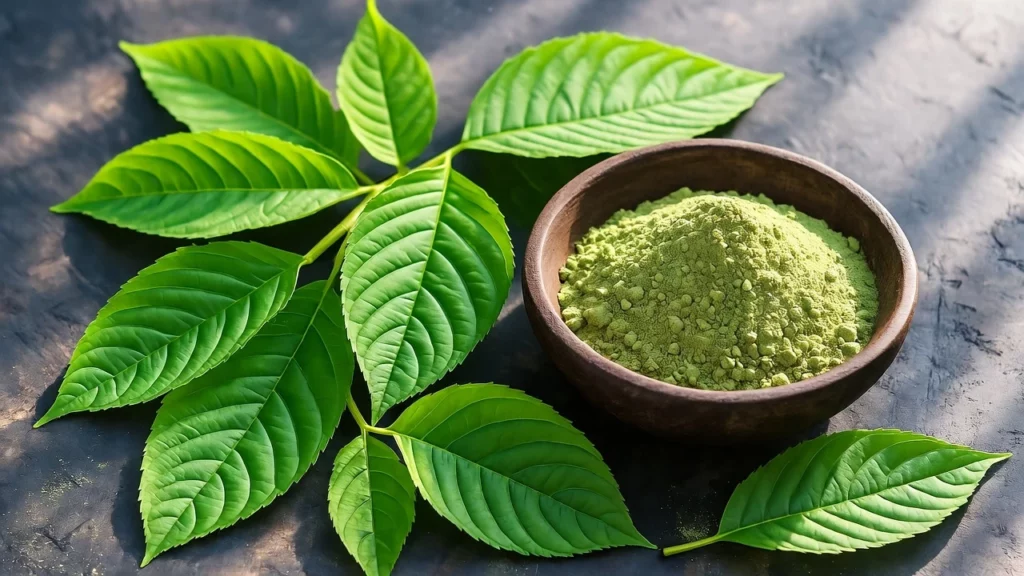
Kratom contains dozens of active compounds, but two stand out: mitragynine and 7-hydroxymitragynine. These alkaloids bind to opioid receptors in the brain, particularly the mu-opioid receptors, which are the same targets for drugs like morphine or oxycodone. This is why kratom can produce pain-relieving effects at higher doses and stimulating effects at lower ones.
But here’s where it gets interesting: kratom isn’t an opioid in the traditional sense. It’s not derived from opium, and its effects are partial agonism, meaning it activates those receptors but not as strongly or completely as full opioids. This partial action is one reason some researchers believe kratom may carry less risk of respiratory depression, a dangerous side effect that makes opioids like fentanyl so deadly.
That said, any substance that interacts with opioid receptors has the potential to create dependence. The brain learns to expect those interactions, and over time, it may adjust its own chemistry to compensate. When the substance is removed, the system can go into a kind of rebound, leading to withdrawal.
The Case for Concern: Dependence and Withdrawal
Let’s not sugarcoat it: some people do experience withdrawal when they stop using kratom after regular, heavy use. Common symptoms include irritability, anxiety, muscle aches, insomnia, runny nose, and cravings. These are similar to mild opioid withdrawal but generally less severe than what someone coming off heroin or oxycodone might face.
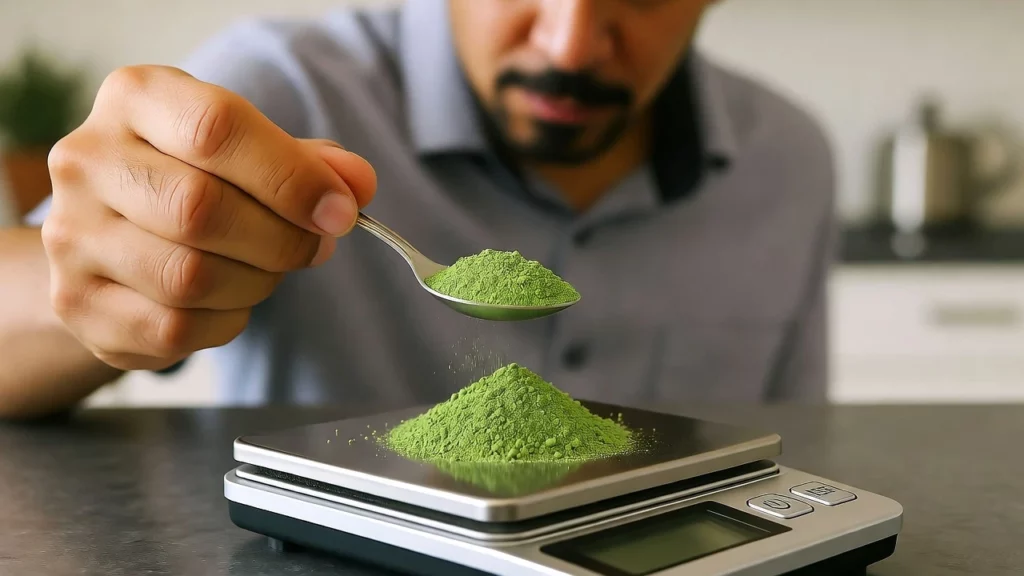
How common is this? It varies. People who use kratom daily, especially in high doses (more than 5-10 grams multiple times a day), are more likely to notice withdrawal. Those who use it occasionally, say once or twice a week in moderate amounts, rarely report significant issues when they take a break.
The duration of use matters too. Someone who’s been taking kratom for years is more likely to have built up physical dependence than someone who’s used it for a few weeks. This isn’t unique to kratom; it’s true for caffeine, nicotine, and many prescription medications.
Tolerance: When More Becomes Necessary
Another red flag in the addiction conversation is tolerance. Regular kratom users often report that they need to increase their dose over time to get the same effects. This is especially true for the sedative or pain-relieving properties at higher doses.
For example, someone might start with 2-3 grams and feel relaxed and comfortable. After months of daily use, they might find themselves at 8-10 grams to achieve the same result. This escalation can be a warning sign, not necessarily of addiction, but of the body adapting to the presence of the substance.
The good news? Many users find that taking regular breaks, a practice sometimes called “tolerance reset,” can bring their effective dose back down. A week or two off kratom often restores sensitivity, allowing lower amounts to work again. This suggests that while tolerance builds, it’s not necessarily permanent or progressive in the same way it can be with stronger opioids.
Psychological Cravings and Habit Formation
Physical dependence is only part of the picture. For some, the bigger challenge is psychological. Kratom can become a crutch, something people reach for when stressed, bored, or in pain. Over time, the brain associates kratom with relief, and the habit loop strengthens.
This isn’t unique to kratom. People form psychological attachments to all kinds of things: coffee in the morning, a cigarette after dinner, scrolling on their phone before bed. The difference with kratom is that it affects brain chemistry in ways that can make those associations stronger.
Some users describe a mental fog or low mood when they don’t take kratom, even if they don’t have physical withdrawal symptoms. This could be the brain adjusting to lower stimulation of opioid receptors, or it could simply be the absence of a routine they’ve grown accustomed to. Either way, it can make quitting feel harder than it physically needs to be.
Who Is Most at Risk?
Not everyone who tries kratom will develop problems. Certain factors seem to increase the likelihood of dependence or compulsive use:
- History of substance use disorders. People who’ve struggled with alcohol, opioids, or other drugs in the past may be more vulnerable. Their brains are already wired to seek out rewarding substances.
- Mental health challenges. Anxiety, depression, chronic pain, and PTSD can drive people to self-medicate with kratom. While it might help in the short term, relying on any substance to manage emotions carries risks.
- High doses and frequent use. The more you take and the more often you take it, the greater the chance of dependence. This is basic pharmacology.
- Polysubstance use. Combining kratom with alcohol, benzodiazepines, or other depressants can amplify risks and complicate withdrawal.
On the flip side, people who use kratom sporadically, in low to moderate doses, and with clear intentions (like occasional pain relief or mood support) tend to have fewer issues.
Comparing Kratom to Other Substances
To put kratom’s risks in perspective, it’s helpful to compare it to substances we already understand.
- Caffeine: Most people can drink coffee daily without serious problems, but heavy users can experience withdrawal headaches, fatigue, and irritability. Kratom withdrawal is generally more intense but follows a similar pattern.
- Nicotine: Highly addictive, with both physical and psychological components. Kratom seems less “sticky” for most users, but some do report strong cravings.
- Prescription opioids: Much higher risk of overdose, severe dependence, and life-threatening withdrawal. Kratom appears safer in this regard, though not risk-free.
- Alcohol: Can cause severe physical dependence and withdrawal (delirium tremens). Kratom withdrawal is rarely medically dangerous.
These comparisons aren’t perfect, but they highlight that kratom sits somewhere in the middle of the addiction risk spectrum, more concerning than caffeine but less than heroin.

Harm Reduction Strategies for Responsible Kratom Use
Using kratom doesn’t have to mean risking dependence. With intention and awareness, many people integrate it into their lives without issue. Below are seven evidence-informed practices that can significantly reduce the chances of tolerance, withdrawal, or compulsive use.
Start Low and Go Slow
The foundation of safe use begins with dosage. Many new users make the mistake of taking too much too soon, chasing effects they’ve read about online. But kratom’s impact varies widely based on body weight, metabolism, tolerance to similar substances, and even stomach contents.
A common starting point is 1 to 2 grams of dried leaf powder. This low dose often produces mild stimulation and mood elevation without overwhelming the system. Wait at least 45 minutes before considering more. Effects build gradually. Increasing by no more than 0.5 to 1 gram at a time helps you find your personal sweet spot without overshooting into sedation or nausea. This approach not only minimizes side effects but also delays tolerance. The less you expose your opioid receptors to, the longer they stay sensitive.
Take Regular Breaks
One of the most effective ways to prevent physical dependence is to avoid daily exposure. Just as muscles need rest to grow stronger, your brain benefits from periods without kratom.
Many experienced users follow a 5-on, 2-off schedule. They use kratom up to five days in a row, then take two full days off. Others prefer 3 to 4 days per week maximum. During off days, focus on natural energy sources: sunlight, movement, hydration, and nutrient-dense meals. These breaks serve two purposes. They reset receptor sensitivity and give you a chance to assess how you feel without kratom. If you notice irritability, low energy, or strong cravings on off days, it’s a signal to extend your break or reduce frequency.
Track Your Use
Memory is unreliable, especially when habits form gradually. Keeping a simple log, whether in a notebook, phone app, or spreadsheet, creates accountability and pattern recognition.
Record:
- Date and time of dose
- Amount in grams
- Strain (if known)
- Reason for use (pain, focus, relaxation, etc.)
- Effects experienced
- Any side effects
After a few weeks, review your log. Are doses creeping up? Are you using it for emotional reasons more often? Is it becoming part of your wind-down routine every night? Objective data cuts through denial. It turns vague feelings into clear trends, empowering you to adjust before use becomes problematic.
Avoid Daily Use
Daily use is the single biggest predictor of dependence. When kratom becomes part of your morning ritual or evening unwind, the brain starts expecting it. Over time, what began as a choice can feel like a need.
Reserve kratom for specific situations:
- Severe pain days
- High-stress work deadlines
- Occasional sleep support
- Post-workout recovery
Treat it like a tool, not a supplement. Just as you wouldn’t take ibuprofen every day preventively, avoid preemptively dosing with kratom “just in case” you feel off.
Stay Hydrated and Nourished
Kratom is dehydrating. It can suppress appetite, cause constipation, and lead to dehydration. All of these amplify discomfort during use and especially during breaks.
Counter this proactively:
- Drink at least 2 to 3 liters of water daily
- Eat high-fiber foods (vegetables, oats, chia seeds)
- Include electrolyte sources (coconut water, bananas, spinach)
- Consider a daily magnesium supplement (glycinate or citrate form) to ease muscle tension and support bowel regularity
Proper nutrition and hydration don’t just reduce side effects. They support overall resilience, making it easier to take breaks or taper if needed.
Build a Support System
Accountability matters. Tell at least one trusted person about your kratom use. This could be a partner, friend, or online community member who understands harm reduction.
Share your goals:
- “I want to keep use under 4 days a week.”
- “I’m taking a 10-day break starting Friday.”
- “I’m tapering from 15g to 8g over two weeks.”
External perspective helps. They can notice changes in mood or behavior you might miss. And if you ever want to stop, having someone to check in with makes the process less isolating.
Explore Non-Substance Alternatives
The most sustainable path to wellness reduces reliance on any single tool. Build a diverse toolkit for managing pain, stress, energy, and mood.
Consider:
- Movement: Yoga, walking, resistance training
- Mindfulness: Meditation, breathwork, journaling
- Therapy: CBT, somatic experiencing, trauma-informed care
- Supplements: Turmeric, omega-3s, ashwagandha, L-theanine
- Lifestyle: Consistent sleep, morning sunlight, social connection
When you have multiple ways to feel good, kratom becomes one option among many, not the only one.
What Happens When People Try to Quit?
Most people who stop kratom after moderate use report mild discomfort that resolves within a few days to a week. Symptoms peak around day 3 and then gradually fade. For heavier users, withdrawal can last longer, up to 10-14 days, with lingering fatigue or mood issues for a few weeks. Natural aids like exercise, hydration, over-the-counter pain relievers, and supplements such as magnesium or L-theanine can ease the process.
In rare cases, people with very high-dose, long-term use may benefit from medical supervision when quitting, especially if they have co-occurring health issues. Tapering, gradually reducing the dose over weeks, is often recommended over going cold turkey.
Is Kratom Addictive? The Balanced Answer
So, back to the original question: is kratom addictive?
The most honest answer is: it can be, but it’s not inherently or inevitably so. Like alcohol, cannabis, or even exercise, kratom has the potential for problematic use in some people under some circumstances. The risk increases with higher doses, more frequent use, and certain personal vulnerabilities. For many, kratom remains a tool they use occasionally without dependence. For others, it becomes a habit that’s hard to break. The difference often comes down to intention, awareness, and self-control.
If you’re considering kratom or already using it, the key is informed, mindful use. Know the risks, listen to your body, and don’t hesitate to reach out for support if use starts to feel out of control. Addiction is a spectrum, not a switch. Kratom sits on that spectrum, closer to coffee for some and closer to opioids for others. Where it lands for you depends on choices, not destiny.
Frequently Asked Questions
Q: Is kratom addictive like opioids?
A: No, not in the same way. Kratom binds to opioid receptors but acts as a partial agonist, meaning it activates them less intensely than drugs like oxycodone or heroin. This generally results in milder withdrawal and lower risk of life-threatening dependence. However, regular high-dose use can still lead to physical dependence and tolerance.
Q: Can you quit kratom cold turkey?
A: Yes, most people can. Withdrawal is uncomfortable but rarely dangerous. Symptoms usually peak within 3 days and resolve within 7–10 days. Heavy, long-term users may prefer tapering to reduce discomfort.
Q: Does kratom show up on drug tests?
A: Standard 5-panel or 10-panel drug tests do not detect kratom. Specialized tests exist but are uncommon and expensive. Kratom use won’t trigger a false positive for opioids.
Q: Is it safe to mix kratom with coffee or alcohol?
A: Coffee is generally safe in moderation. Alcohol, however, increases sedation and dehydration risks and may worsen withdrawal if you stop both at once. Avoid combining with benzodiazepines, opioids, or other depressants.
Q: How do I know if I’m becoming dependent?
A: Watch for these signs: needing higher doses for the same effect, feeling anxious or irritable without it, using it to cope with emotions, or planning your day around dosing. Tracking use in a journal helps spot patterns early.
Q: Can kratom help with opioid withdrawal?
A: Some people report using low-dose kratom to ease opioid withdrawal symptoms. While anecdotal evidence exists, there’s no clinical consensus on safety or efficacy. Always consult a doctor before using kratom as a substitute.
Q: Is red vein kratom more addictive than white or green?
A: Not necessarily. Red vein is more sedating and may lead to faster tolerance in high doses, but addiction risk depends more on frequency and amount than strain. All types affect opioid receptors.
Conclusion
The debate over kratom’s addictive potential won’t be settled anytime soon. As more people use it and more research emerges, our understanding will evolve. For now, the evidence suggests caution without panic. Approach kratom with respect, not fear. Understand that any substance powerful enough to help is powerful enough to harm if misused. Stay educated, stay moderate, and stay in touch with how it affects you personally.
Disclaimer
The information presented in this blog is for educational and informational purposes only and is not intended to serve as medical advice, diagnosis, or treatment. Kratom (Mitragyna speciosa) is an unregulated herbal substance with variable potency, purity, and alkaloid content, and its use carries potential health risks, including physical dependence, tolerance, withdrawal symptoms such as anxiety, irritability, muscle aches, insomnia, and cravings, gastrointestinal issues, dehydration, liver toxicity in rare cases, and interactions with other substances or medications.
Individual responses to kratom can vary widely based on factors like dosage, frequency, duration of use, personal health history, concurrent mental health conditions, and polysubstance involvement. Certain populations, such as those with a history of substance‑use disorders, liver or kidney disease, cardiovascular or psychiatric conditions, or who are pregnant, breastfeeding, or under 18, may face heightened risks and should avoid kratom entirely.
Always consult a qualified healthcare professional before starting, stopping, or modifying kratom use, especially if you are taking prescription medications, managing chronic conditions, or experiencing adverse effects. In cases of dependence or withdrawal, seek medical supervision for safe tapering or management; abrupt cessation can lead to discomfort or, in extreme instances, complications requiring professional intervention. The author and publisher assume no liability for any outcomes resulting from the use or misuse of kratom based on this content.