Is Fermented Tea with Kratom Safe? Exploring 3 Key Factors
Faust
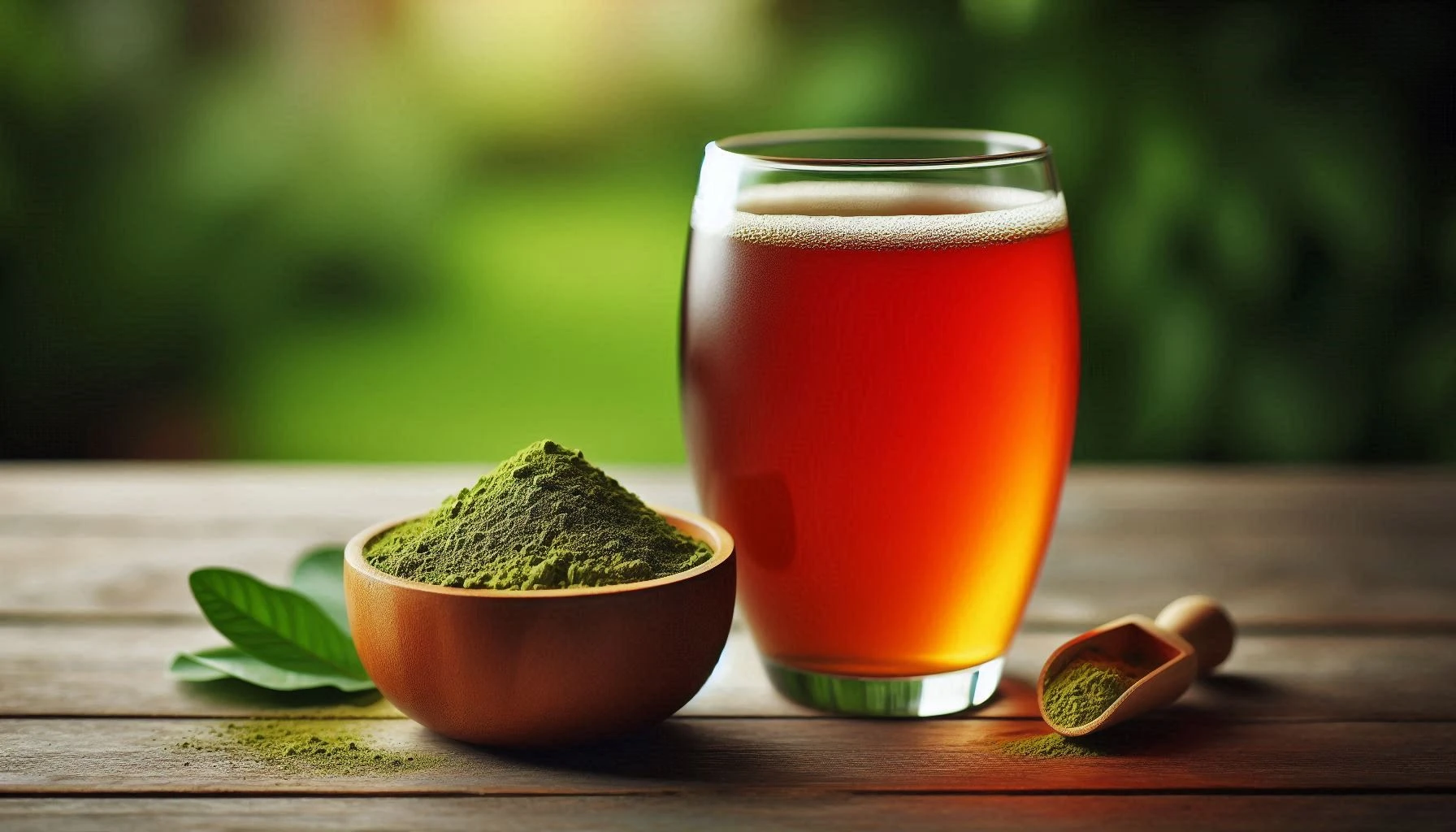
Fermented tea with kratom has sparked curiosity among those exploring natural remedies and herbal supplements. Both fermented teas, like kombucha, and kratom, a plant native to Southeast Asia, have gained popularity for their potential effects on energy, mood, and well-being. But combining these two raises questions about safety, interactions, and how they might affect the body. This blog dives into the nuances of mixing fermented teas, such as kombucha, with kratom, offering a clear and balanced perspective for those considering this combination.
What Are Fermented Teas?
Fermented teas are beverages created through a microbial fermentation process, where bacteria and yeast transform the tea’s components, often enhancing its flavour and purported health benefits. The most well-known example is kombucha, a tangy drink made from sweetened tea fermented with a symbiotic culture of bacteria and yeast (SCOBY). Other fermented teas include jun, a honey-based variation, and certain herbal infusions that undergo similar processes.
The fermentation process produces compounds like organic acids, probiotics, and small amounts of alcohol (typically less than 0.5% in commercial kombucha). These teas are often praised for supporting gut health, boosting energy, and providing antioxidants. However, their bioactive compounds can interact with other substances, including herbs like kratom, which makes understanding their composition critical.
Understanding Kratom
Kratom, derived from the leaves of the Mitragyna speciosa tree, is a botanical used for centuries in Southeast Asia. Traditionally, workers chewed the leaves or brewed them into tea for their stimulant effects at low doses and sedative effects at higher doses. The plant contains alkaloids, primarily mitragynine and 7-hydroxymitragynine, which interact with opioid receptors in the brain, producing effects ranging from increased alertness to relaxation or pain relief, depending on the dose.
In Western countries, kratom is often consumed as a powder, capsule, or tea, with users seeking benefits like pain management, mood enhancement, or relief from opioid withdrawal symptoms. However, its legal status varies, and regulatory bodies like the FDA have raised concerns about its safety, citing risks such as dependency, liver toxicity, and interactions with other substances.
Why Combine Fermented Tea with Kratom?
The idea of combining fermented tea with kratom often stems from their shared consumption as beverages. Kratom tea, made by steeping kratom leaves or powder in hot water, is a common preparation method. Some users wonder if mixing kratom with a fermented tea like kombucha could enhance flavour, improve digestion, or amplify effects. For example, kombucha’s tangy taste might mask kratom’s bitterness, making it more palatable. Others may hope the probiotics in fermented teas could aid digestion, as kratom can sometimes cause stomach discomfort.
However, combining these substances isn’t just about taste or convenience. Their active components could interact in ways that affect their potency, safety, or how the body processes them. Let’s explore the potential benefits and risks of this combination, starting with what might make it appealing.
Green kratom powder in a handmade bowl, accented with leaves against a stunning mountain landscape at dusk.
Potential Benefits of Combining Fermented Tea with Kratom
While there’s no direct research on mixing fermented tea with kratom, we can consider their individual effects to hypothesize potential benefits. Kombucha’s probiotics may support gut health, which could be helpful for kratom users who experience nausea or constipation, common side effects at higher doses. The mild caffeine content in fermented teas (from the tea base) might complement kratom’s stimulant effects at low doses, potentially enhancing alertness or focus.
Additionally, fermented teas contain antioxidants, which could theoretically counteract oxidative stress in the body. Some kratom users report feeling fatigued after prolonged use, and the energy-boosting properties of kombucha might offer a mild counterbalance. The hydration from drinking tea could also help mitigate dehydration, a side effect sometimes linked to kratom use.
However, these potential benefits are speculative and depend on individual responses, dosages, and the specific products used. Without studies, we must weigh these against the risks, which are more substantial and better documented.
Three Key Risks of Mixing Fermented Tea with Kratom
Combining fermented tea with kratom introduces several risks, primarily due to their bioactive compounds and how they interact with the body. Below, we outline three critical concerns to consider.
1. Potential for Increased Side Effects
Kratom’s effects vary by dose, with low doses (1-5 grams) acting as a stimulant and higher doses (5-15 grams) producing sedative, opioid-like effects. Fermented teas, while generally milder, contain compounds like caffeine, organic acids, and trace alcohol, which could amplify or alter kratom’s effects. For example, the caffeine in kombucha might intensify kratom’s stimulant properties, leading to jitteriness, increased heart rate, or anxiety in sensitive individuals.
More concerning is the potential for gastrointestinal upset. Kratom can cause nausea, constipation, or stomach irritation, particularly at higher doses. Kombucha’s acidity and carbonation might exacerbate these issues, leading to discomfort or digestive distress. For individuals with sensitive stomachs, this combination could be particularly problematic.
2. Risk of Interactions with Other Substances
Both fermented teas and kratom can interact with other substances, including medications or alcohol, increasing the risk of adverse effects. Kratom’s alkaloids are metabolized by the liver, and some compounds in fermented teas, like caffeine or organic acids, could influence liver enzyme activity. This might alter how quickly or slowly kratom is processed, potentially leading to stronger or prolonged effects.
For example, combining kratom with a fermented tea containing trace alcohol (common in home-brewed kombucha) could enhance sedative effects, especially at higher kratom doses. This combination might increase the risk of drowsiness, respiratory depression, or confusion, particularly if other central nervous system depressants, like alcohol or benzodiazepines, are involved. Users taking medications metabolized by the liver, such as certain antidepressants or antipsychotics, should be especially cautious, as kratom may affect how these drugs are processed.
3. Lack of Regulation and Product Variability
Neither kratom nor fermented teas like kombucha are tightly regulated in many countries, including Canada. This lack of oversight means product quality, potency, and purity can vary widely. Kratom products may contain contaminants like heavy metals or bacteria, especially if sourced from unreliable vendors. Similarly, kombucha can harbor harmful microbes if not properly fermented or stored, particularly in home-brewed versions.
When combining these two, the risk of consuming a contaminated or inconsistent product increases. For instance, a kratom tea mixed with kombucha might mask signs of spoilage, making it harder to detect an unsafe product. Additionally, the alkaloid content in kratom can vary between strains and batches, and kombucha’s caffeine or alcohol content can differ, making it difficult to predict the combined effect.
Practical Considerations for Safe Use
If you’re considering combining fermented tea with kratom, several precautions can help minimize risks. First, start with small amounts of each. For kratom, begin with a low dose (1-2 grams) to assess your tolerance, especially if you’re new to it. Similarly, choose a commercial kombucha with consistent quality and low alcohol content to avoid unexpected interactions.
Second, pay attention to timing. Drinking kombucha and kratom tea simultaneously might increase the likelihood of stomach upset. Consider consuming them separately, with a gap of at least an hour, to monitor how each affects you. This approach also helps you identify which substance might be causing any adverse effects.
Third, choose high-quality products from reputable sources. Look for kratom vendors that provide lab testing results for contaminants and alkaloid content. For kombucha, opt for commercially produced brands that adhere to food safety standards. Avoid home-brewed kombucha unless you’re confident in its preparation, as improper fermentation can lead to contamination.
Finally, consult a healthcare professional, especially if you have pre-existing conditions like liver disease, heart issues, or mental health disorders. Kratom’s potential to interact with medications or exacerbate certain conditions makes medical guidance crucial.
Hand jotting notes in a wellness journal, accompanied by kombucha, coffee, and water on a table
How Fermented Tea with Kratom Affects the Body
To understand the safety of combining fermented tea with kratom, it’s helpful to consider how each affects the body. Kratom’s alkaloids primarily target opioid receptors, influencing mood, pain perception, and energy levels. At low doses, it stimulates the release of dopamine and serotonin, creating a sense of alertness and sociability. At higher doses, it activates mu-opioid receptors, leading to sedation and euphoria.
Fermented teas, on the other hand, affect the body through their probiotics, caffeine, and organic acids. Probiotics may support gut microbiota, potentially aiding digestion, while caffeine provides a mild stimulant effect. Organic acids, like acetic acid in kombucha, contribute to its tangy flavour and may influence gut pH, which could affect how kratom is absorbed.
When combined, these substances might interact in unpredictable ways. For example, kombucha’s acidity could alter the stomach’s pH, potentially affecting kratom’s absorption rate. This might lead to faster or slower onset of effects, depending on individual physiology. Additionally, the combined stimulant effects of low-dose kratom and kombucha’s caffeine could overstimulate the nervous system, leading to symptoms like rapid heartbeat or anxiety.
Who Should Avoid This Combination?
Certain individuals should exercise extra caution or avoid combining fermented tea with kratom altogether. These include:
Pregnant or breastfeeding individuals: Kratom use during pregnancy has been linked to withdrawal symptoms in newborns, and the safety of kombucha’s trace alcohol or caffeine content is unclear for this group.
People with liver conditions: Kratom has been associated with rare cases of liver toxicity, and kombucha’s organic acids might stress the liver further in susceptible individuals.
Those with mental health disorders: Kratom can exacerbate anxiety or mood disorders in some users, and kombucha’s caffeine could amplify these effects.
Individuals taking medications: Kratom’s potential to interact with drugs metabolized by the liver makes it risky to combine with fermented teas, which may also affect liver enzymes.
Alternatives to Combining Fermented Tea with Kratom
If the risks of mixing fermented tea with kratom outweigh the potential benefits for you, consider alternatives that achieve similar goals. For a stimulating effect, plain green or black tea can provide a caffeine boost without the complexities of fermentation. For gut health, probiotic supplements or yogurt offer a controlled dose of beneficial bacteria without the variability of kombucha.
For those using kratom for pain relief or relaxation, other herbal teas like chamomile or valerian root might provide calming effects without the risks associated with kratom’s opioid-like properties. Always research the safety and interactions of any new herbal supplement before use.
Cultural Context and Traditional Use
In Southeast Asia, kratom has a long history of use in traditional settings, often brewed as a tea or chewed fresh. Fermented teas, while less common in kratom’s native regions, are part of global herbal traditions, with kombucha tracing its roots to East Asia. Combining these two might seem like a modern innovation, but it reflects a broader trend of blending traditional remedies with contemporary wellness practices.
Understanding this context can help users approach the combination with respect for its origins while recognizing the modern challenges of regulation and safety. Traditional kratom use often involved fresh leaves, which have a different alkaloid profile than the concentrated powders available today. Similarly, traditional fermented teas were likely less standardized than commercial kombucha, highlighting the importance of modern quality control.
Listening to Your Body
One of the most important aspects of using fermented tea with kratom is paying attention to your body’s signals. Everyone’s physiology is different, and what feels fine for one person might cause discomfort for another. Start with small amounts, monitor your reactions, and avoid combining with other substances like alcohol or medications without professional guidance.
Common signs to watch for include nausea, dizziness, rapid heartbeat, or unusual fatigue. If you experience any of these, stop using the combination and seek medical advice if symptoms persist. Keeping a journal of your experiences can help you track how different doses or preparations affect you, providing valuable insights for future use.
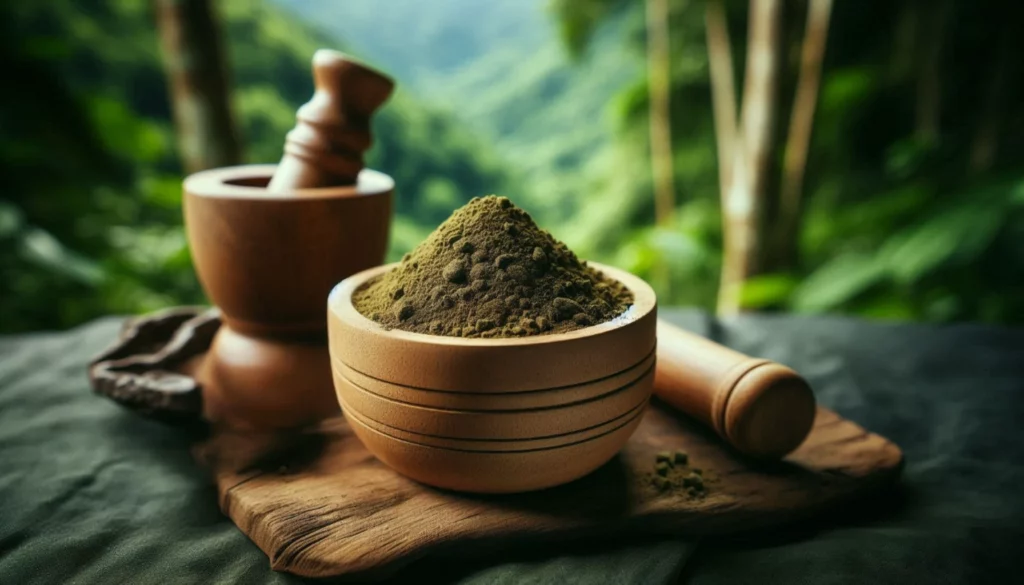
Kratom powder in a carved wooden bowl, paired with a mortar and pestle against a thriving forest background
FAQ
Q: Can fermented tea with kratom improve the taste of kratom? A: Yes, the tangy, effervescent flavor of fermented teas like kombucha can mask kratom’s bitter taste, making it more palatable. However, the acidity of kombucha might irritate the stomach when mixed with kratom, so start with small amounts to test your tolerance.
Q: Does the caffeine in fermented teas affect kratom’s effects? A: The caffeine in fermented teas may enhance kratom’s stimulant effects at low doses, potentially increasing alertness or jitteriness. This interaction varies by individual, so monitor how your body responds and avoid combining high doses of both.
Q: Is it safe to drink home-brewed kombucha with kratom? A: Home-brewed kombucha carries a higher risk of contamination or inconsistent alcohol content compared to commercial brands. When mixing fermented tea with kratom, opt for store-bought kombucha from reputable sources to reduce safety risks.
Q: How long should I wait between drinking kombucha and kratom? A: To minimize digestive discomfort, consider waiting at least an hour between consuming fermented tea and kratom. This allows your body to process each separately, making it easier to identify any adverse reactions.
Q: Can fermented tea with kratom cause dehydration? A: Kratom can sometimes cause mild dehydration, while kombucha is hydrating. However, the combination doesn’t guarantee hydration, especially if kombucha’s caffeine or alcohol content is high. Drink water alongside to stay hydrated.
Q: Should I consult a doctor before trying fermented tea with kratom? A: Yes, especially if you have health conditions, take medications, or are pregnant. A healthcare professional can assess potential risks based on your medical history and guide safe use.
Conclusion
Mixing fermented tea with kratom is a topic that blends curiosity with caution. While both substances have their own followings and potential benefits, combining them introduces complexities that require careful consideration. The risks of increased side effects, interactions with other substances, and product variability highlight the need for informed decision-making. By understanding the effects of each, starting with small amounts, and prioritizing quality, you can better navigate this combination.
Whether you’re drawn to the tangy fizz of kombucha or the versatile effects of kratom, the key is to approach their use with respect for their potency and an awareness of your body’s needs. As interest in natural remedies grows, so does the responsibility to use them wisely. This guide aims to equip you with the knowledge to make safe and informed choices, ensuring your exploration of fermented tea with kratom is both enjoyable and responsible.
Disclaimer
The information provided in this blog about combining fermented tea with kratom is for informational purposes only and should not be considered medical advice. Both fermented teas, such as kombucha, and kratom are bioactive substances that can affect the body in complex ways, and their combination has not been thoroughly studied. Potential risks include gastrointestinal discomfort, interactions with medications, and unpredictable effects due to product variability. Kratom, in particular, carries risks of dependency, liver toxicity, and adverse interactions with other substances, as noted by regulatory bodies like Health Canada.
Individuals with pre-existing health conditions, such as liver or heart issues, mental health disorders, or those who are pregnant or breastfeeding, should avoid this combination unless approved by a healthcare professional. Always consult a qualified medical provider before using kratom or combining it with fermented teas, especially if you take medications or have underlying health concerns.
The safety and efficacy of these substances can vary based on individual physiology, product quality, and dosage. Neither the author nor the publisher assumes responsibility for any adverse effects resulting from the information presented in this blog. Proceed with caution, prioritize high-quality products, and monitor your body’s responses to ensure safe use.
On February 16, 2026, select provinces will observe regional holidays.
Canada Post will operate as normal and all shipments will be processed as usual.
FedEx will be closed in Prince Edward Island (Islander Day); Alberta, British Columbia, Ontario, Saskatchewan, and New Brunswick (Family Day); Manitoba (Louis Riel Day); and Nova Scotia (Heritage Day). FedEx shipments to these provinces will move the next business day.