


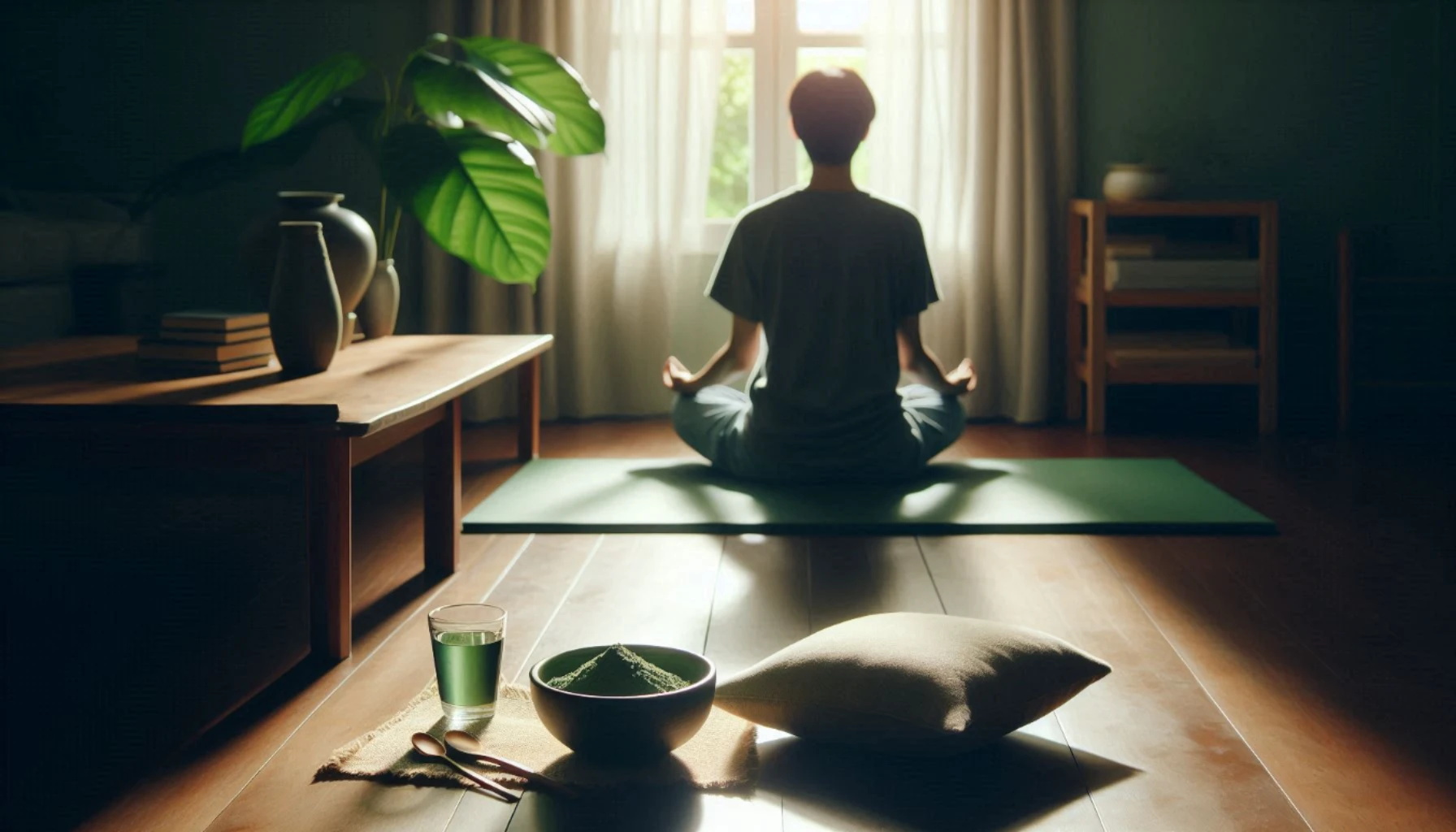

The practice of combining kratom with guided breathwork offers a unique pathway to enhance mental clarity, emotional balance, and physical relaxation. This synergy taps into the natural properties of kratom, a plant-based substance derived from the Mitragyna speciosa tree, and the structured techniques of breathwork, which involve intentional breathing patterns to promote well-being. Together, they create a holistic experience that can deepen self-awareness and foster a sense of calmness. This blog explores how these two practices can be thoughtfully integrated, providing practical insights for those interested in exploring this wellness approach.
Understanding Kratom and Its Role in Wellness
Kratom has been used for centuries in traditional practices for its diverse effects. The leaves contain alkaloids, primarily mitragynine and 7-hydroxymitragynine, which interact with the body’s systems to produce outcomes ranging from increased energy to relaxation, depending on the strain and dosage. When considering kratom with guided breathwork, the choice of strain matters. Red vein kratom, with its soothing properties, is often preferred for sessions aimed at reducing stress or enhancing meditation. However, individual responses vary, and understanding one’s intentions for the session is key.
Kratom’s effects are dose-dependent. Lower doses, typically 1-3 grams, may provide mild stimulation, while moderate doses, around 3-5 grams, lean toward relaxation. Higher doses are generally not recommended for breathwork due to potential sedation, which could hinder active participation in breathing exercises. Always start with a small amount to assess tolerance, especially when combining with another practice.
The Foundations of Guided Breathwork
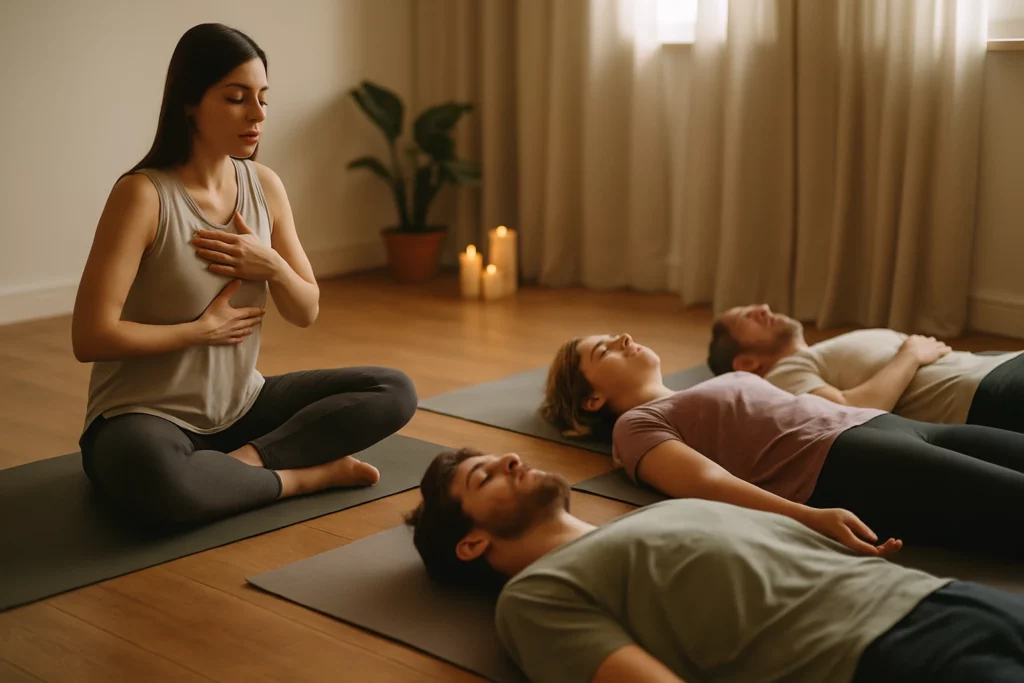
Guided breathwork involves structured breathing techniques led by a facilitator or through recorded instructions. Unlike casual breathing, these sessions use specific patterns to influence the nervous system, promote relaxation, or release emotional tension. Common methods include diaphragmatic breathing, box breathing, and holotropic breathwork, each with distinct purposes.
Diaphragmatic breathing, or belly breathing, encourages deep, slow breaths to activate the parasympathetic nervous system, which governs rest and recovery. Box breathing, often used by athletes and military personnel, involves equal counts for inhaling, holding, exhaling, and pausing. Holotropic breathwork, a more intense practice, uses rapid, cyclical breathing to access altered states of consciousness, often for emotional release or spiritual exploration.
In the context of kratom with guided breathwork, diaphragmatic or box breathing are ideal starting points. These methods are accessible, gentle, and complement kratom’s calming effects without overwhelming the practitioner. A trained facilitator can tailor the session to the individual’s goals, ensuring a safe and effective experience.

Why Combine Kratom with Guided Breathwork?
The integration of kratom with guided breathwork creates a synergistic effect that amplifies the benefits of both practices. Kratom’s ability to promote relaxation or focus can prepare the mind and body for breathwork, making it easier to engage with the practice. Meanwhile, breathwork enhances kratom’s effects by oxygenating the body and regulating the nervous system, potentially leading to a more profound experience.
One key benefit is stress reduction. Kratom’s calming strains can ease physical tension, allowing individuals to settle into a breathwork session with greater ease. The rhythmic breathing then sustains this relaxed state, helping to quiet mental chatter. For those who struggle with restlessness during meditation or mindfulness practices, this combination can serve as a bridge to deeper focus.
Another advantage is emotional release. Breathwork is known for its ability to surface and process suppressed emotions. When paired with kratom’s mood-lifting properties, individuals may feel more open to exploring these emotions without feeling overwhelmed. This can be particularly valuable in therapeutic settings, where guided breathwork is used to address anxiety or past trauma.
Physical benefits also emerge. Kratom may alleviate discomfort, making it easier to sit or lie down for extended breathwork sessions. Breathwork, in turn, improves circulation and reduces muscle tension, creating a feedback loop of relaxation. Together, they support a holistic sense of well-being.
Preparing for a Kratom and Breathwork Session
Thoughtful preparation is essential when combining kratom with guided breathwork. The goal is to create a safe, intentional space that maximizes the benefits of both practices. Here are key steps to consider.
1. Choose the Right Environment
Select a quiet, comfortable space free from distractions. Dim lighting, soft music, or natural sounds can enhance the atmosphere. Ensure the area is well-ventilated, as breathwork relies on ample oxygen. A cushioned mat or chair can support physical comfort during the session.
2. Select an Appropriate Kratom Strain
As mentioned, red vein kratom is often ideal for relaxation-focused breathwork, while green vein strains suit sessions requiring mental clarity. Research the strain’s effects and start with a low dose, typically 1-2 grams, to gauge its impact. Avoid combining kratom with other substances, as this can complicate the experience.
3. Set Clear Intentions
Before beginning, reflect on the purpose of the session. Are you seeking stress relief, emotional clarity, or spiritual connection? Setting an intention helps guide the experience and aligns the effects of kratom and breathwork. Write down your goal or share it with a facilitator if working in a group.
4. Consult a Professional
If new to either practice, seek guidance from a trained breathwork facilitator or a knowledgeable source on kratom use. A facilitator can design a session that complements kratom’s effects, ensuring safety and effectiveness. They can also provide modifications for beginners or those with health concerns.
5. Hydrate and Eat Lightly
Kratom is best taken on an empty or lightly filled stomach for optimal absorption, but avoid dehydration. Drink water before and after the session, as breathwork can be physically demanding. A small snack, like fruit, can provide energy without causing sluggishness.
Structuring a Kratom and Breathwork Session
A well-structured session ensures a balanced and meaningful experience. Below is a sample framework for integrating kratom with guided breathwork, adaptable to individual needs.
Step 1: Kratom Consumption (15-30 Minutes Before)
Take your chosen kratom dose, typically in powder form mixed with water or as a capsule. Allow 15-30 minutes for the effects to begin, as this aligns with the start of the breathwork session. Use this time to relax, stretch, or journal your intentions.
Step 2: Opening the Session (5-10 Minutes)
Begin with a brief grounding exercise, such as light stretching or a body scan meditation. If guided by a facilitator, they may lead a discussion or visualization to set the tone. This step helps transition into the breathwork practice and allows kratom’s effects to settle.
Step 3: Guided Breathwork (20-40 Minutes)
Engage in the chosen breathwork technique. For beginners, a 20-minute diaphragmatic breathing session is a gentle starting point. The facilitator may guide you through slow, deep breaths, encouraging awareness of the breath’s rhythm. If using box breathing, follow a 4-4-4-4 pattern: inhale for four seconds, hold for four, exhale for four, and pause for four. Kratom’s calming effects can make it easier to stay present during this phase.
Step 4: Integration and Reflection (10-15 Minutes)
After the breathwork, spend time reflecting on the experience. Journaling can help process emotions or insights that arose. If in a group, a facilitator may lead a sharing circle. This phase allows the combined effects of kratom and breathwork to solidify, fostering a sense of closure.
Step 5: Post-Session Care
Drink water to rehydrate and consider a light snack to stabilize energy levels. Avoid jumping into demanding tasks immediately, as the body and mind may need time to recalibrate. Resting or engaging in gentle movement, like walking, can extend the session’s benefits.

Safety Considerations for Kratom with Guided Breathwork
Safety is paramount when combining kratom with guided breathwork. Both practices, while generally well-tolerated, require mindfulness to avoid adverse effects.
Kratom Safety
Start with a small dose (1-2 grams) to assess tolerance, especially if new to kratom. Overuse can lead to nausea or dizziness, which may disrupt breathwork. Source kratom from reputable vendors who test for purity and contaminants. Poor-quality kratom can pose health risks. Do not combine kratom with alcohol, sedatives, or other substances, as this can amplify effects unpredictably. Consult a healthcare provider if you have medical conditions, such as heart issues or liver concerns, as kratom may interact with certain systems.
Breathwork Safety
Breathwork can be intense, especially holotropic styles. Avoid if pregnant, or if you have cardiovascular issues, epilepsy, or severe respiratory conditions, unless cleared by a doctor. Breathwork may surface strong emotions. Work with a facilitator if exploring deep emotional release, especially if addressing trauma. Over-breathing can cause lightheadedness or tingling. Follow the facilitator’s guidance and stop if discomfort arises.
Combined Considerations
The calming effects of kratom can mask fatigue during breathwork, leading to overexertion. Listen to your body and take breaks if needed. A trained guide can monitor the session, ensuring the combination of kratom and breathwork remains balanced and safe. Avoid daily sessions to prevent kratom tolerance or breathwork burnout. Space sessions at least a few days apart to maintain sensitivity to both practices.
Enhancing the Experience with Mindfulness
To deepen the integration of kratom with guided breathwork, incorporate mindfulness techniques. Mindfulness involves non-judgmental awareness of the present moment, which complements both practices. During the breathwork session, focus on the sensation of each breath, noticing how kratom’s effects influence your body and mind. If thoughts arise, gently return to the breath without frustration.
After the session, practice mindful observation of your surroundings. Notice colours, sounds, or textures in your environment to ground yourself. This extends the session’s benefits, helping you carry a sense of calm into daily life. Over time, regular mindfulness practice can enhance your sensitivity to kratom and breathwork, making each session more impactful.
Exploring Different Breathwork Styles
As you grow comfortable with kratom and guided breathwork, experiment with various breathing techniques to diversify the experience. Each style offers unique benefits that can align with different kratom strains and intentions.
Alternate nostril breathing, a yogic practice, balances the nervous system by alternating breaths between nostrils. Pair it with green vein kratom for mental clarity during morning sessions. The 4-7-8 breathing technique, where you inhale for four seconds, hold for seven, and exhale for eight, promotes deep relaxation and pairs well with red vein kratom for evening wind-downs. Transformational breathwork, a dynamic practice combining continuous breathing with bodywork, is ideal for emotional release but should be approached cautiously under guidance due to its intensity.
Each style requires practice to master, so start with short sessions and gradually increase duration. A facilitator can recommend styles based on your goals and experience level.
Building a Long-Term Practice
Integrating kratom with guided breathwork is most effective as part of a consistent wellness routine. Rather than relying on occasional sessions, aim for regular practice to build familiarity and deepen results. Start with one or two sessions per week, adjusting based on your schedule and energy levels.
Track your experiences in a journal, noting the kratom strain, dose, breathwork style, and outcomes. This helps identify patterns and refine your approach. For example, you might find that a specific strain enhances focus during box breathing but feels too stimulating for diaphragmatic sessions. Over time, this data informs a personalized practice.
Engage with a community, such as breathwork groups or online forums, to share insights and learn from others. While kratom use may not be universal in these circles, discussing breathwork techniques can inspire new ideas. Always respect local regulations and cultural attitudes toward kratom when sharing.
The Broader Context of Plant Medicine and Breathwork
The combination of kratom with guided breathwork fits into a larger movement toward natural wellness practices. Plant medicines, like cacao, kratom, or adaptogenic herbs, are increasingly paired with mindfulness techniques to support holistic health. Breathwork, with its roots in ancient traditions like yoga and shamanism, aligns with this trend by offering a non-invasive way to enhance mental and physical well-being.
This integration reflects a growing interest in personalized health strategies. Unlike one-size-fits-all approaches, combining plant medicines with practices like breathwork allows individuals to customize their wellness journey. It empowers people to explore their inner landscape, addressing stress, emotions, or spiritual questions in a way that feels authentic.
FAQ
Q: How does kratom with guided breathwork benefit beginners?
A: For newcomers, this combination eases entry into mindfulness practices. Kratom’s calming effects reduce initial anxiety, while guided breathwork provides structure, helping beginners stay focused and relaxed during sessions.
Q: Which kratom strain is best for breathwork sessions?
A: Red vein kratom is ideal for relaxation-focused breathwork, promoting calm. Green vein strains work well for sessions needing mental clarity. Always start with a low dose to find what suits your goals.
Q: Can kratom with guided breathwork help with emotional release?
A: Yes, breathwork can surface emotions, and kratom’s mood-enhancing properties create a safe space to process them. A facilitator’s guidance ensures emotional exploration remains balanced and supportive.
Q: What precautions should I take before combining these practices?
A: Consult a healthcare provider if you have medical conditions, source high-quality kratom, and avoid mixing with other substances. Work with a trained facilitator to ensure a safe, tailored experience.
Q: How often should I practice kratom with guided breathwork?
A: Aim for one to two sessions per week to build consistency without building tolerance to kratom or overexerting through breathwork. Adjust based on your body’s response and goals.
Conclusion
The practice of integrating kratom with guided breathwork offers a powerful tool for those seeking balance and self-discovery. By thoughtfully combining kratom’s natural effects with the structured techniques of breathwork, individuals can unlock deeper relaxation, focus, and emotional clarity. The key lies in preparation, safety, and intention, ensuring each session is both effective and enjoyable.
As you explore this practice, start small, seek guidance, and listen to your body. Over time, the synergy of kratom and breathwork can become a cornerstone of your wellness routine, fostering a greater connection to yourself and the world around you. Whether you’re new to these practices or a seasoned practitioner, the journey of combining kratom with guided breathwork invites curiosity, growth, and transformation.
Disclaimer
The information in this blog about combining kratom with guided breathwork is for informational purposes only and is not intended as medical, health, or safety advice. Kratom and guided breathwork are not approved by regulatory authorities, such as Health Canada, for treating, preventing, or curing any medical condition. Their effects vary widely among individuals and may involve risks, especially when combined.
Kratom contains alkaloids that may interact with the body’s systems, potentially causing side effects like nausea, dizziness, constipation, or, in rare cases, more serious complications. Long-term or excessive use may lead to dependence, tolerance, or adverse health effects. Individuals with pre-existing conditions, such as heart, liver, kidney, or respiratory issues, or those taking medications, should consult a qualified healthcare professional before using kratom.
Guided breathwork, particularly intense forms like holotropic breathing, may be unsuitable for those with cardiovascular conditions, epilepsy, severe respiratory issues, pregnancy, or mental health disorders, as it can trigger physical or emotional distress. Consult a licensed healthcare provider before engaging in kratom use or guided breathwork to discuss potential risks, interactions, and suitability based on your health history. The authors and publishers of this article are not liable for any adverse effects, injuries, or consequences resulting from the use of the information provided.