


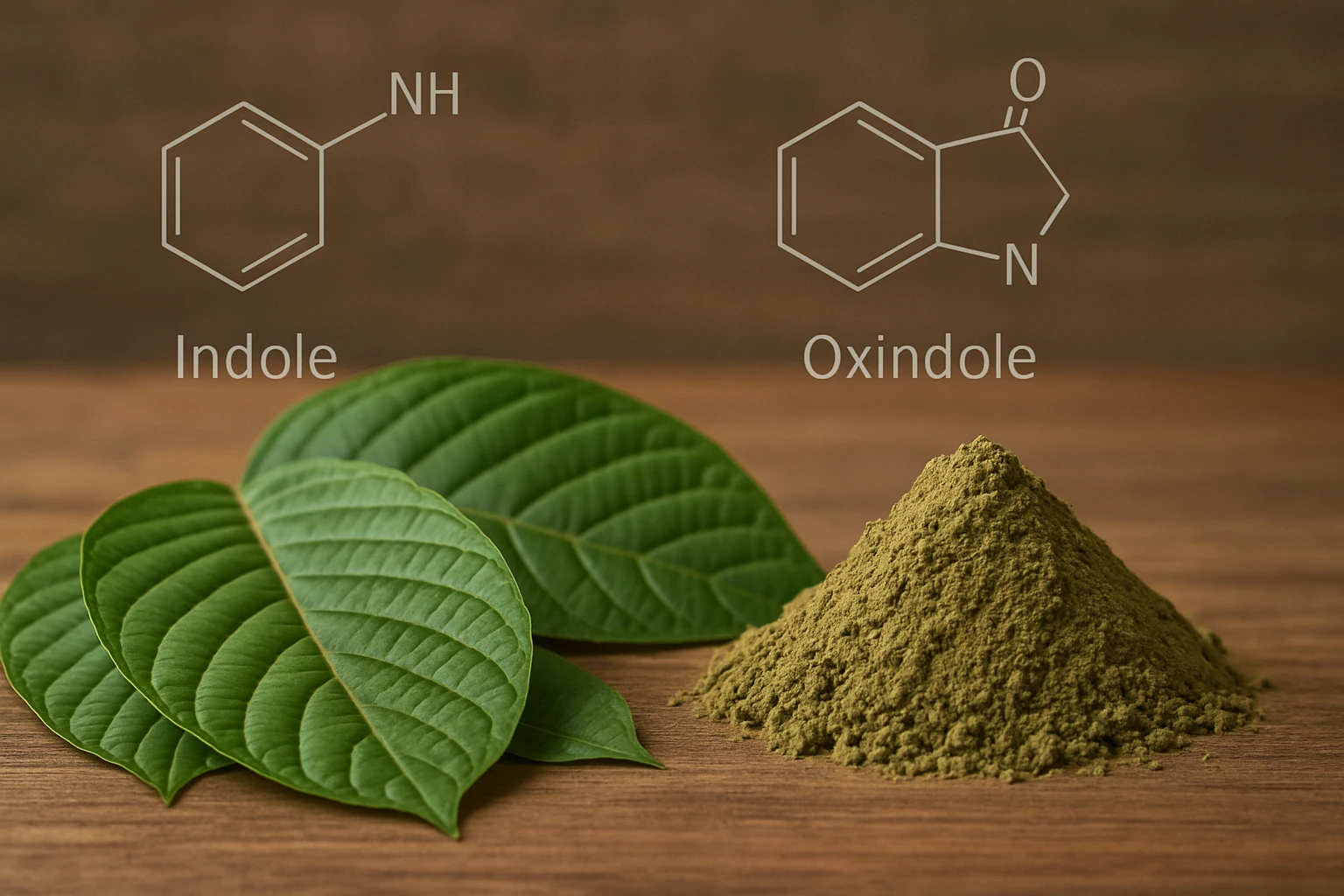

Kratom has captured the attention of many for its complex and varied effects. At the heart of this plant’s intriguing properties lie its alkaloids, particularly the indole and oxindole alkaloids. These chemical compounds are responsible for the diverse physiological responses that kratom users report, ranging from increased energy to relaxation. Understanding the role of indole and oxindole alkaloids in kratom’s effects offers a window into why this plant is so unique.
What Are Alkaloids and Why Do They Matter?
Alkaloids are naturally occurring compounds found in various plants, often serving as their chemical defense mechanisms. In kratom, these compounds interact with the human body in ways that produce distinct effects. The indole and oxindole alkaloids are two critical classes of these molecules in kratom, each with unique structural features that influence how they interact with receptors in the brain and body. While kratom contains over 50 alkaloids, the interplay between indole and oxindole types creates a spectrum of effects that make the plant stand out.
Indole alkaloids, named for their indole ring structure, are the more abundant group in kratom. They are known for their ability to engage with various receptors, contributing to the plant’s stimulating and soothing properties. Oxindole alkaloids, a less common but equally significant group, feature a modified structure that can lead to different interactions within the body. Together, these compounds create a dynamic balance, shaping kratom’s reputation as a versatile botanical.
The Chemistry Behind Indole Alkaloids
To appreciate the role of indole alkaloids, it’s helpful to understand their chemical makeup. An indole alkaloid contains a core indole ring, a five-membered nitrogen-containing ring fused to a six-membered benzene ring. This structure is common in many bioactive compounds, including those found in other plants like yohimbe and rauwolfia. In kratom, the indole alkaloids are primarily responsible for the plant’s interaction with opioid receptors, though their effects extend beyond this system.
The most prominent indole alkaloid in kratom is well-known, but others, such as corynantheidine, mitraciliatine, and isopaynantheine, also play significant roles. These compounds vary slightly in their molecular configurations, particularly at specific carbon positions, which alters how they bind to receptors. For instance, corynantheidine has been noted for its ability to act as a partial agonist at certain receptors, meaning it activates them but not to the full extent of other compounds. This partial activity can lead to subtler effects, which may contribute to kratom’s nuanced profile.
The structural diversity of indole alkaloids allows kratom to produce a range of responses depending on dosage, strain, and individual physiology. At lower doses, these compounds often promote alertness and focus, likely due to their interaction with adrenergic and serotonergic pathways. At higher doses, their engagement with opioid receptors can lead to relaxation and pain relief, though the mechanisms are distinct from traditional opioids.
Oxindole Alkaloids: A Complementary Force
Oxindole alkaloids, while less abundant in kratom, are equally fascinating. These compounds are derived from indole alkaloids through an oxidative rearrangement, resulting in a lactam moiety, a cyclic amide structure, that differentiates them chemically. This structural change alters their pharmacological properties, making oxindole alkaloids a key player in kratom’s overall effects.
Notable oxindole alkaloids in kratom include corynoxine, corynoxine B, and speciofoline. These compounds tend to have a higher affinity for certain opioid receptors compared to their indole counterparts. For example, corynoxine has shown a strong binding affinity to mu-opioid receptors, acting as a full agonist in some studies. This means it can fully activate these receptors, potentially contributing to kratom’s pain-relieving properties. However, the presence of oxindole alkaloids in varying concentrations across kratom strains adds complexity to the plant’s effects.
Unlike indole alkaloids, oxindole alkaloids may also influence other systems, such as the adrenergic system, which regulates energy and alertness. This dual action enhances kratom’s versatility, allowing it to produce both stimulating and calming effects depending on the alkaloid profile of a given strain. The interplay between indole and oxindole alkaloids creates a synergistic effect, where the combined action of these compounds is greater than the sum of their individual contributions.

How Indole and Oxindole Alkaloids Shape Kratom’s Effects
The effects of kratom are often described as dose-dependent, with low doses providing stimulation and higher doses promoting relaxation. Indole and oxindole alkaloids are central to this duality. At lower doses, indole alkaloids like corynantheidine may interact with adrenergic receptors, boosting energy and focus. These interactions mimic the effects of mild stimulants, increasing heart rate and alertness without the jitteriness associated with caffeine.
As the dose increases, the opioid receptor activity of both indole and oxindole alkaloids becomes more pronounced. Oxindole alkaloids, in particular, may contribute to a stronger sense of calm and pain relief due to their full agonist activity at mu-opioid receptors. This shift in effect is not solely due to the quantity of alkaloids but also their relative proportions in a given kratom strain. For instance, strains with higher oxindole content may lean toward sedation, while those rich in indole alkaloids may favor stimulation.
The variability in alkaloid content across kratom strains is influenced by factors like plant age, growing conditions, and processing methods. This variability explains why different strains produce distinct effects, even when consumed at similar doses. For example, a strain grown in a nutrient-rich soil under specific climatic conditions may have a higher concentration of oxindole alkaloids, leading to a more pronounced relaxing effect.
The Role of Receptor Interactions
To understand how indole and oxindole alkaloids produce their effects, it’s essential to consider their interactions with receptors in the body. The human brain contains a complex network of receptors, including opioid, adrenergic, and serotonergic types, each playing a role in regulating pain, mood, and energy. Indole and oxindole alkaloids engage with these receptors in unique ways, contributing to kratom’s multifaceted profile.
Mu-opioid receptors, which are primarily associated with pain relief and euphoria, are a key target for both types of alkaloids. Indole alkaloids like corynantheidine act as partial agonists, meaning they activate these receptors to a limited extent. This partial agonism may result in milder effects compared to traditional opioids, potentially reducing the risk of adverse effects. Oxindole alkaloids can act as full agonists, producing a stronger response at these receptors. This difference in receptor activation helps explain why kratom can produce both subtle and pronounced effects depending on the strain and dose.
Beyond opioid receptors, indole alkaloids also interact with adrenergic receptors, which are involved in the body’s “fight or flight” response. These interactions contribute to the stimulating effects reported by users, such as increased focus and sociability. Oxindole alkaloids, while less studied in this context, may also influence adrenergic pathways, adding to the complexity of kratom’s effects.
Serotonergic pathways, which regulate mood and emotional well-being, are another area of interest. Some indole alkaloids may modulate serotonin receptors, potentially contributing to kratom’s reported mood-enhancing properties. While research on these interactions is still emerging, they highlight the polypharmacological nature of kratom’s alkaloids, meaning they act on multiple systems simultaneously.
The Importance of Alkaloid Balance
One of the most compelling aspects of kratom is the balance between its indole and oxindole alkaloids. This balance is not static; it varies depending on the strain, growing conditions, and even the time of harvest. For example, a young kratom plant may have a different alkaloid profile than a mature one, leading to variations in effect. Similarly, environmental factors like soil composition and climate can influence the relative concentrations of these compounds.
This variability underscores the importance of understanding alkaloid profiles when selecting a kratom strain. A strain with a higher proportion of indole alkaloids may be better suited for those seeking energy and focus, while one with more oxindole alkaloids might appeal to those looking for relaxation or pain relief. Users often experiment with different strains to find the one that best matches their needs, a process guided by the unique interplay of indole and oxindole alkaloids.

Factors Influencing Alkaloid Content
The concentration of indole and oxindole alkaloids in kratom is not fixed. Several factors influence the alkaloid profile of a given plant, including:
- Plant Age: Younger plants may produce different alkaloid ratios compared to mature ones, with some evidence suggesting that older plants have higher oxindole content.
- Growing Conditions: Soil quality, sunlight exposure, and rainfall can all affect alkaloid production. For instance, nutrient-rich soil may enhance the synthesis of certain alkaloids.
- Harvest Timing: The time of year a kratom plant is harvested can alter its alkaloid composition, with seasonal changes impacting the balance of indole and oxindole compounds.
- Processing Methods: Drying and fermentation techniques can influence alkaloid stability and concentration. For example, sun-drying may preserve certain alkaloids better than indoor drying.
These factors contribute to the diversity of kratom strains available, each with its own unique alkaloid profile and effects. Understanding these influences can help users make informed choices about which strain might suit their preferences.
Comparing Indole and Oxindole Alkaloids
To clarify the distinct roles of indole and oxindole alkaloids, consider their key differences:
- Structural Differences: Indole alkaloids feature a basic indole ring, while oxindole alkaloids have a lactam moiety due to oxidative rearrangement. This structural change alters their receptor interactions.
- Receptor Affinity: Oxindole alkaloids often show stronger binding to mu-opioid receptors, acting as full agonists, while indole alkaloids may act as partial agonists or interact with other systems like adrenergic receptors.
- Effect Profile: Indole alkaloids are more associated with stimulation at lower doses, while oxindole alkaloids contribute to sedation and pain relief at higher doses.
- Concentration Variability: Indole alkaloids are typically more abundant in kratom, but oxindole alkaloids can dominate in certain strains, leading to varied effects.
These differences highlight the complementary nature of the two alkaloid classes, working together to create kratom’s unique effects.
The Future of Kratom Alkaloid Research
As interest in kratom grows, so does the focus on its alkaloids. Researchers are increasingly exploring the potential of indole and oxindole alkaloids, not only for their role in kratom’s effects but also for their broader applications. Advances in analytical techniques, such as high-resolution mass spectrometry, are allowing scientists to better characterize these compounds and understand their interactions with the body.
Future research may uncover new alkaloids or reveal more about how existing ones contribute to kratom’s effects. For example, the discovery of enzymes that convert indole alkaloids into oxindole forms could shed light on how kratom’s effects vary between individuals. Such findings could also inform the development of standardized kratom products with consistent alkaloid profiles, improving reliability for users.

Frequently Asked Questions About Indole and Oxindole Alkaloids
Q: How do indole and oxindole alkaloids differ from other kratom alkaloids?
A: Indole and oxindole alkaloids are two distinct classes of compounds in kratom, defined by their chemical structures. Indole alkaloids have a core indole ring, contributing to both stimulating and relaxing effects, while oxindole alkaloids feature a lactam moiety, often linked to stronger pain-relieving properties. Unlike other alkaloids in kratom, these two groups work synergistically to create a balanced effect profile, influencing multiple receptor systems like opioid and adrenergic pathways.
Q: Can the effects of indole and oxindole alkaloids vary between individuals?
A: Yes, individual responses to indole and oxindole alkaloids can differ due to factors like body chemistry, tolerance, and metabolism. The alkaloids’ interactions with receptors vary in intensity, and personal factors, such as sensitivity to opioid or adrenergic stimulation, can influence whether a user experiences more energy or relaxation from the same strain.
Q: Why do some kratom strains feel more stimulating while others are more relaxing?
A: The balance of indole and oxindole alkaloids in a strain determines its effect profile. Strains with higher indole alkaloid content tend to promote energy and focus due to their interaction with adrenergic receptors. Conversely, strains richer in oxindole alkaloids may lean toward relaxation and pain relief because of their stronger binding to mu-opioid receptors.
Q: Are indole and oxindole alkaloids found in other plants besides kratom?
A: Yes, indole and oxindole alkaloids are present in other plants used in traditional medicine, such as yohimbe, rauwolfia, and certain species of Uncaria. However, the specific combinations and concentrations found in kratom are unique, contributing to its distinct effects compared to other botanicals.
Q: How can I choose a kratom strain based on its indole and oxindole alkaloid content?
A: While exact alkaloid content may not be listed, researching strain characteristics can help. Strains labeled as “white” or “green” often have higher indole alkaloid levels, favoring stimulation, while “red” strains may contain more oxindole alkaloids, promoting relaxation. Choosing lab-tested products from reputable sources can provide insight into a strain’s profile.
Conclusion: The Power of Kratom’s Alkaloids
The indole and oxindole alkaloids in kratom are the key to its remarkable versatility. From their structural differences to their unique receptor interactions, these compounds work together to create a spectrum of effects that have captivated users for centuries. Whether you’re drawn to kratom for its energizing properties or its potential for relaxation, the interplay of these alkaloids shapes the experience in profound ways.
By exploring the chemistry, receptor interactions, and variability of indole and oxindole alkaloids, we gain a deeper appreciation for kratom’s complexity. This knowledge empowers users to make informed choices, experiment thoughtfully, and engage with this fascinating plant in a way that respects its rich chemical heritage. As research continues to unfold, the story of kratom’s alkaloids promises to reveal even more about their potential and the remarkable plant they call home.
Disclaimer
The information provided about kratom and its indole and oxindole alkaloids is for educational and informational purposes only and should not be considered medical advice. Kratom is a botanical plant that has not been approved by regulatory authorities, such as Health Canada, for any medical use. The effects of kratom, including those attributed to its alkaloids, can vary significantly between individuals due to factors such as dosage, strain, individual physiology, and potential interactions with other substances or medications.
Kratom use carries potential risks, including but not limited to side effects such as nausea, dizziness, dependency, or adverse reactions, particularly when used in high doses or combined with other substances. Long-term use may lead to health concerns, and the safety of kratom has not been fully established through rigorous clinical research. Individuals considering kratom use should consult a qualified healthcare professional to discuss potential risks, especially if they have pre-existing medical conditions, are pregnant or breastfeeding, or are taking medications.
The legal status of kratom varies by region, and users are responsible for ensuring compliance with local laws. Neither the author nor the publisher assumes liability for any adverse effects or consequences resulting from the use of kratom or reliance on the information presented. Always prioritize safety and informed decision-making when exploring kratom or any other supplement.