




As more people explore kratom and its benefits, keeping a kratom journal becomes an invaluable tool to track your experience, understand its effects, and refine your usage for optimal results. A kratom journal is more than a simple log; it’s a personal guide that helps you navigate your journey with this botanical, ensuring you use it safely and effectively. No matter your experience level with kratom, documenting your experience offers clarity and insight into how this plant medicine fits into your life.
Why Keep a Kratom Journal?
Documenting your kratom use is a powerful way to personalize your experience. Every individual responds to kratom differently due to factors like body chemistry, lifestyle, and goals. A journal helps you identify patterns, preferences, and effects, enabling you to tailor your usage to your unique needs. For example, you might discover that a specific strain energizes you in the morning but disrupts your sleep if taken later in the day. Without a record, these nuances can be hard to pinpoint.
Journaling also promotes mindfulness. By reflecting on how kratom affects your mood, energy, or focus, you become more attuned to your body’s signals. This awareness fosters a responsible approach, helping you avoid overuse and maintain balance. In Canada, where kratom is legal but not regulated as a health product, tracking your experience ensures you’re using it thoughtfully, aligning with your wellness goals. Moreover, a kratom journal serves as a reference for future use.
Choosing the Right Format for Your Kratom Journal
The first step in starting a kratom journal is deciding on its format. The right format depends on your lifestyle and preferences, as it should be easy to maintain and accessible when you need it. Here are three popular options:
Digital Journals
Digital journaling is ideal for those who prefer convenience and organization. Apps like Notion, Evernote, or even a simple spreadsheet on Google Sheets allow you to create customizable templates. You can organize entries by date, strain, or effect, and search for specific details later. Digital journals are portable, secure, and easy to update, making them perfect for tech-savvy users or those always on the go. Many apps also allow you to add notes, tags, or even photos of your kratom products for reference.
Physical Notebooks
A physical notebook offers a tactile, distraction-free way to journal. Choose a small, dedicated notebook that’s easy to carry, such as a pocket-sized journal or a planner with sections for daily entries. Writing by hand can feel more personal and encourage reflection. You can customize your notebook with dividers or color-coded sections to track different aspects of your kratom use, such as strain types or effects. This format suits those who enjoy the ritual of writing and prefer a tangible record.
Hybrid Approach
If you can’t decide between digital and physical, a hybrid approach combines the best of both. For instance, you might jot quick notes in a notebook during the day and transfer them to a digital spreadsheet weekly for better organization. This method ensures you capture immediate thoughts while maintaining a searchable, long-term record. It’s a flexible option for those who want the benefits of both systems.
Whichever format you choose, ensure it feels intuitive and sustainable. The goal is to make journaling a seamless part of your routine, not a chore.

What to Track in Your Kratom Journal
A well-structured kratom journal captures key details to help you understand your experience fully. Below are essential elements to include in each entry, ensuring your journal is comprehensive and useful.
Date and Time
Recording the date and time of each kratom use is crucial. This helps you identify patterns, such as how effects vary depending on the time of day. For example, taking kratom on an empty stomach in the morning might produce different results than consuming it after dinner. Noting the time also helps you track how long effects last, which can vary from 20 minutes to several hours depending on the strain and dose.
Strain and Vendor
Kratom comes in various strains, each with distinct effects. Red vein strains, like Red Bali, are often associated with relaxation, while green strains, such as Green Maeng Da, offer balanced energy and focus. White strains, like White Borneo, are typically energizing. Document the specific strain and its source to compare quality and consistency across vendors. This is especially important in Canada, where kratom is sourced from Southeast Asia and quality can vary.
Dosage and Preparation Method
Accurately measuring your dosage is critical for safety and effectiveness. Note the amount in grams, using a digital scale for precision. A beginner might start with 1-2 grams, while experienced users may take 4-6 grams. Also, record how you prepared the kratom, whether as a tea, tossed and washed, or in capsules as preparation impacts absorption and effects. For instance, tea might act faster on an empty stomach, while capsules may have a delayed onset.
Effects and Duration
Describe how the kratom affects you physically, mentally, and emotionally. Did it boost your energy, ease discomfort, or promote calm? Be specific about the intensity and duration of effects. For example, you might note that 2 grams of Green Malay provided mild focus for three hours. Tracking these details helps you identify which strains align with your goals, whether it’s productivity, relaxation, or mood enhancement.
Context and Environment
Your environment and state of mind influence how kratom affects you. Note factors like whether you took it on an empty stomach, your stress level, or the setting (e.g., at home or work). For instance, taking kratom during a busy workday might feel different than using it during a quiet evening. This context helps you understand external influences on your experience.
Side Effects or Challenges
While kratom is generally well-tolerated, some users experience side effects like nausea, dizziness, or the “wobbles” (a jittery feeling). Record any adverse effects, no matter how minor, along with the dose and strain. This helps you identify patterns and adjust your usage to minimize discomfort. For example, you might find that higher doses of a white strain cause restlessness, prompting you to lower the amount.
Personal Reflections
Include a section for personal thoughts or goals. Why did you take kratom that day? Were you seeking focus for a project or relaxation after a long day? Reflecting on your intentions helps you assess whether kratom met your expectations and how it fits into your broader wellness routine. Over time, these reflections reveal how kratom supports your lifestyle.
Building a Consistent Journaling Habit
Consistency is key to making your kratom journal effective. Here are strategies to integrate journaling into your routine:
Set a Schedule
Choose a specific time to update your journal, such as right after taking kratom or at the end of the day. Consistency builds a habit, making it easier to maintain detailed records. If you’re busy, even a quick five-minute entry can suffice, as long as you capture the essentials.
Use Prompts or Templates
To streamline the process, create a template with fields for date, strain, dosage, effects, and reflections. Digital apps often have pre-built templates, or you can design one in a notebook. Prompts like “How did I feel 30 minutes after taking kratom?” or “What was my mood before and after?” ensure you cover all relevant details.
Start Small
If journaling feels overwhelming, begin with basic entries, like strain and dosage, and gradually add more details. Over time, you’ll find it easier to include comprehensive notes as the habit becomes second nature.
Review Periodically
Set aside time weekly or monthly to review your journal. Look for patterns, such as which strains work best for specific purposes or whether certain doses consistently cause side effects. This reflection helps you refine your kratom use and make informed purchases from trusted vendors.
Practical Tips for Long-Term Success
To make your kratom journal a lasting part of your routine, consider these strategies:
- Keep It Accessible: Store your notebook or app where you use kratom, like your kitchen or workspace, to encourage regular entries.
- Be Honest: Record both positive and negative experiences to get a complete picture. This honesty helps you make informed adjustments.
- Celebrate Milestones: Acknowledge progress, like discovering your ideal strain or maintaining a consistent routine for a month. This keeps you motivated.
- Stay Educated: Use your journal to note new information about kratom, such as tips from Pharmakeia’s blog or community insights, to deepen your knowledge.
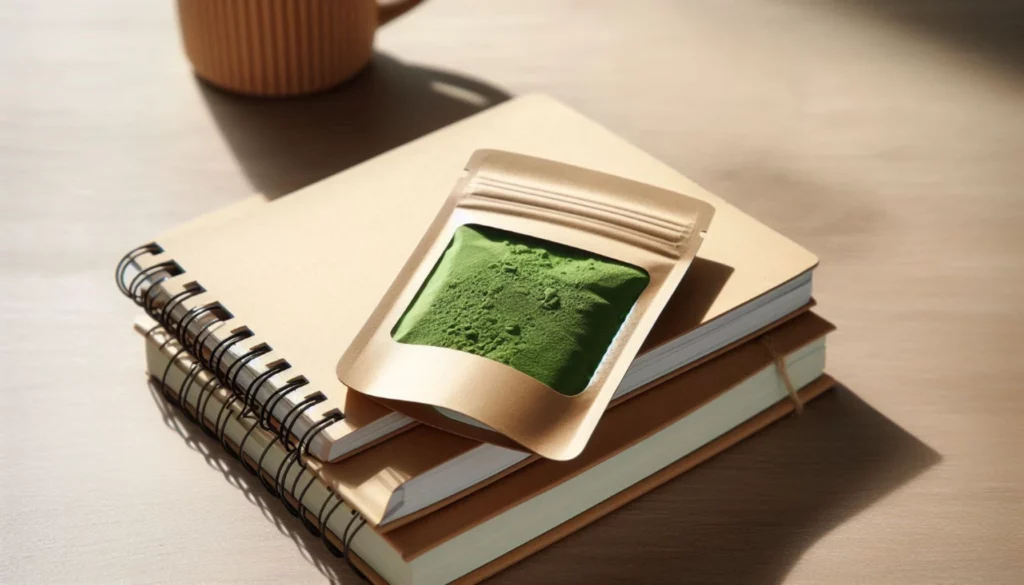
Sourcing Quality Kratom in Canada
The quality of kratom significantly impacts your experience, and your journal can help you evaluate vendors. In Canada, reputable e-commerce stores like Pharmakeia prioritize lab-tested, organic kratom sourced from Southeast Asia. Note the vendor in your journal to track consistency and quality. For example, you might record that Pharmakeia’s Green Malay is fresher and more potent than another supplier’s, helping you make informed purchasing decisions.
When choosing a vendor, look for transparency, such as lab reports confirming purity and the absence of contaminants. Your journal can include a section for vendor notes, like shipping speed or packaging quality, ensuring you consistently source high-quality kratom.
Addressing Common Challenges
Journaling helps you troubleshoot challenges in your kratom journey. If you experience side effects, your records can pinpoint the cause, perhaps a dose was too high or a strain didn’t suit you. For instance, if you note nausea after 5 grams of White Borneo, you might try lowering the dose to 3 grams next time. Similarly, if a strain feels ineffective, your journal might reveal you took it with food, slowing absorption.
Another challenge is navigating the variability of kratom batches. As a natural product, kratom’s alkaloid content can vary due to growing conditions. Your journal helps you adapt by comparing batches and adjusting dosages accordingly.
Integrating Journaling with Your Lifestyle
Your kratom journal should fit seamlessly into your daily life. If you’re a busy professional, quick digital entries on your phone might work best. If you enjoy reflective practices, a nightly journaling session with a cup of tea can become a calming ritual. Tailor the process to your personality and schedule to ensure it feels natural and enjoyable. Over time, your journal will reveal how kratom supports your unique goals.

FAQ
Q: Why should I start a kratom journal if I’m new to kratom?
A: A kratom journal helps beginners understand how different strains and dosages affect them, making it easier to find what works best. It promotes safe, mindful use by tracking effects, preferences, and any side effects, especially important in Canada where kratom is unregulated as a health product.
Q: How often should I update my kratom journal?
A: Update your journal each time you use kratom to capture real-time details. If daily entries feel overwhelming, aim for at least 2-3 entries per week, focusing on key details like strain, dosage, and effects. Consistency builds a reliable record over time.
Q: Can I use a kratom journal to track other plant medicines?
A: Yes, your kratom journal can include other plant medicines, like ashwagandha or ginseng. Note how these botanicals interact with kratom to create a holistic record of your wellness routine.
Q: What should I do if I forget to journal right after taking kratom?
A: If you miss an immediate entry, jot down notes as soon as possible, relying on memory for details like dosage and effects. To prevent forgetting, set a reminder or keep your journal accessible where you typically use kratom.
Q: Is a digital or physical kratom journal better for long-term use?
A: It depends on your preferences. Digital journals (e.g., apps like Notion) are searchable and portable, ideal for long-term organization. Physical notebooks offer a tactile experience and suit those who enjoy writing. A hybrid approach can balance both benefits.
Q: How can I protect my privacy when keeping a kratom journal?
A: For digital journals, use password-protected apps or encrypted files. For physical journals, store them in a private, secure place. Avoid sharing sensitive details publicly, especially in Canada, where kratom’s legal status requires discretion.
Q: Can a kratom journal help me avoid side effects?
A: Absolutely. By tracking dosages, strains, and side effects, you can identify triggers, like high doses causing nausea. For example, if 5 grams of White Thai causes dizziness, your journal might prompt you to lower the dose to 3 grams next time.
Q: How long should I keep my kratom journal?
A: Continue journaling as long as you use kratom to maintain a comprehensive record. Even if you take breaks, keeping past entries allows you to reference what worked well, making it easier to resume or adjust your routine later.
Q: What if I don’t notice any patterns in my kratom journal?
A: If patterns aren’t clear, review your entries for consistency in details like dosage, preparation, or context (e.g., food intake). Try experimenting with different strains or doses and note the results. Over time, patterns often emerge with regular tracking.
Conclusion: Your Kratom Journal as a Path to Insight
Starting a kratom journal is a simple yet profound way to enhance your experience with this unique plant. By tracking strains, dosages, effects, and reflections, you gain clarity on what works for you, fostering a mindful and responsible approach. In Canada, where kratom’s legal status requires careful navigation, a journal ensures you use it thoughtfully, aligning with your wellness goals.
As you embark on this practice, let your journal be a space for curiosity and growth. Whether you’re exploring Pharmakeia’s high-quality kratom or experimenting with new strains, your records will guide you toward a personalized, effective routine. Start today, and let your kratom journal become a trusted companion on your journey to well-being.
Disclaimer
The information provided in this blog is intended for informational purposes only and should not be construed as medical advice, diagnosis, or treatment. Kratom (Mitragyna speciosa) is not approved by Health Canada or the U.S. Food and Drug Administration (FDA) as a health product or for any medical use. The effects, safety, and risks of kratom use are not fully studied or regulated, and its consumption may carry potential health risks, including but not limited to nausea, dizziness, constipation, dependency, or other adverse effects.
Always consult a qualified healthcare professional before using kratom or any other botanical substance, especially if you have pre-existing medical conditions, are pregnant or breastfeeding, are taking medications, or have concerns about potential interactions or side effects. The use of kratom may not be suitable for everyone, and individual responses to kratom can vary widely based on factors such as dosage, strain, preparation method, and personal health.
The suggestions for keeping a kratom journal are intended to promote mindful and responsible tracking of personal experiences and are not a substitute for professional medical guidance. Neither the author nor publisher assume liability for any adverse effects, injuries, or consequences resulting from the use of kratom or the application of information provided in this blog. Always prioritize safety, start with low doses, and discontinue use if you experience negative effects. If you have concerns about kratom use, seek guidance from a healthcare provider to make informed decisions about your wellness.