


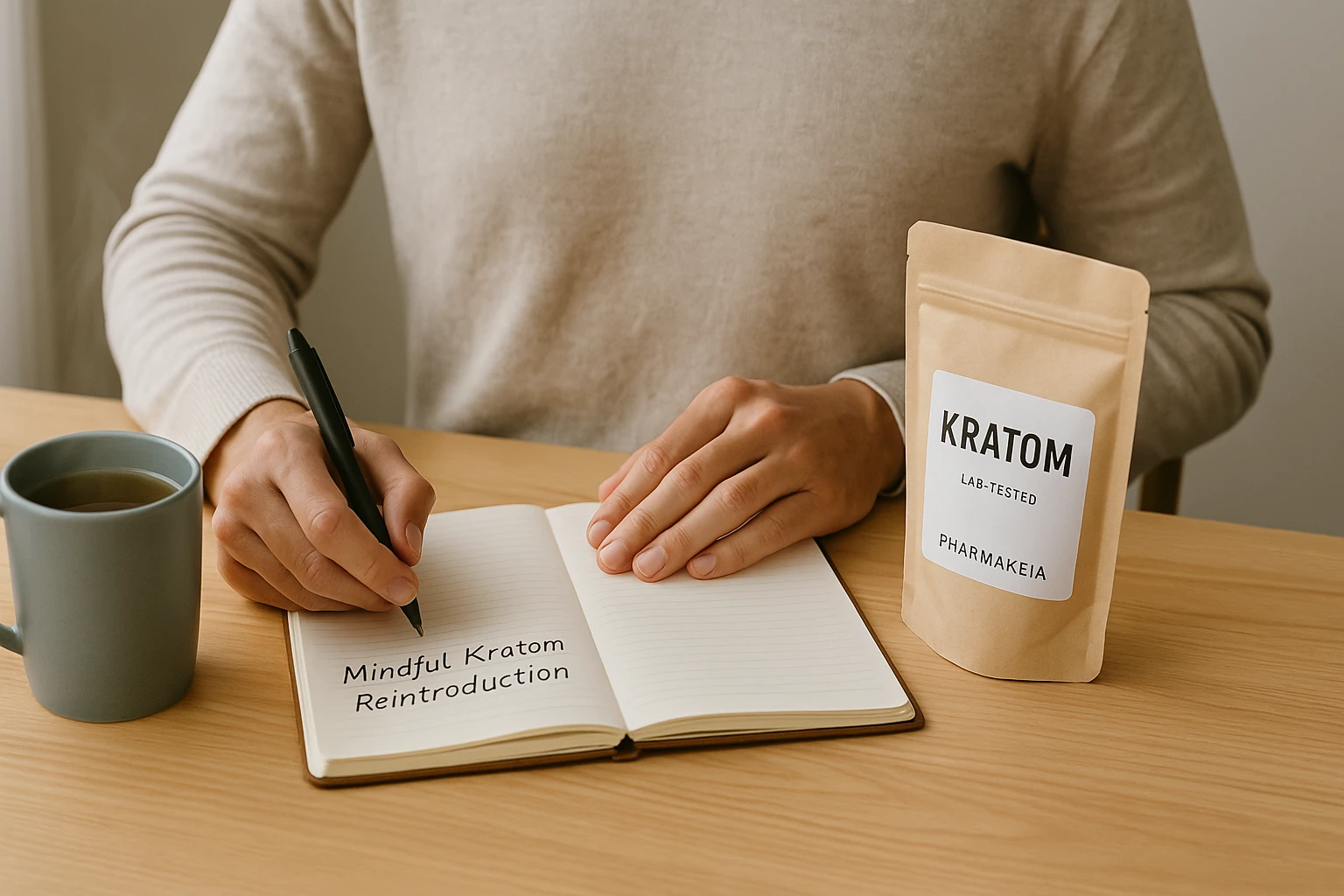

If you are returning to kratom after a prolonged break, whether due to personal choice, health considerations, or a desire to reset, the process of reintroduction demands care and intention. Your body’s response to kratom may have shifted during your hiatus, presenting a fresh opportunity to explore its effects with renewed sensitivity. However, resuming without a plan could lead to discomfort or an overwhelming experience. This blog offers a clear, practical roadmap to reintroduce kratom thoughtfully, ensuring a safe and positive return tailored to your needs.
The Importance of a Thoughtful Reintroduction
After a long break, your body’s tolerance to kratom’s alkaloids has likely decreased. This heightened sensitivity can amplify the benefits, allowing smaller doses to deliver the desired effect. However, it also increases the risk of side effects like nausea, dizziness, or the “wobbles,” a term kratom users use to describe feeling unsteady or overstimulated. A thoughtful approach helps you avoid these issues and rediscover what works best for you.
Your reasons for returning to kratom may have evolved since your last experience. You might aim to manage physical discomfort, boost productivity, or unwind after a stressful day. Defining your intentions will shape your choices, from selecting a strain to determining an appropriate dose. Additionally, your current health, stress levels, and diet can influence how kratom affects you, so assessing your physical and mental state is essential. For instance, if you have started new medications or altered your lifestyle, these changes could impact how your body processes kratom, making a cautious reintroduction critical.
Choosing the Right Strain and Starting Dose
Selecting the right strain is crucial when you reintroduce kratom, as each strain delivers unique effects based on its vein colour and origin. Red vein strains, such as Red Bali or Red Borneo, are popular for their calming effects, making them ideal for evening use or for those seeking relief from stress or physical discomfort. Green vein strains, like Green Malay or Green Maeng Da, provide a balanced mix of energy and relaxation, suitable for daytime use when you want a gentle lift without sedation.
White vein strains, such as White Thai or White Maeng Da, are selected for their stimulating effects, perfect for enhancing focus or boosting a busy morning. If you are unsure where to start, a green strain offers a versatile entry point.
Body weight can influence dosing. Individuals with higher body mass may need slightly more to achieve the same effects, but this does not justify starting with a high dose. Begin with 1 to 2 grams, increasing by 0.5 to 1 gram in later sessions if the effects feel too subtle. Timing matters as well. Taking kratom on an empty stomach can intensify effects, while consuming it after a light meal may yield smoother results. Limit yourself to one dose per day during the first week to reintroduce kratom safely, and keep doses below 5 grams to preserve sensitivity. Tracking your strain, dose, and effects in a journal can help you identify what works best.
Consumption Methods for a Smooth Transition
The method you choose to consume kratom can shape your reintroduction experience, especially since its bitter taste or unfamiliar onset time may feel new after a break. The toss and wash method involves placing powder in your mouth and washing it down with water or juice. This approach is quick but can be challenging due to the taste. To make it easier, use a flavoured beverage like orange juice or mix the powder with a spoonful of yogurt. Brewing kratom tea is another option: simmer 1 to 2 grams in water for 10 to 15 minutes, strain, and add honey or lemon to enhance the flavour. Tea provides slower absorption, which can be gentler during reintroduction.
Capsules are ideal for those who value convenience, precise dosing, and avoiding kratom’s taste. They take 30 to 60 minutes to take effect, so avoid redosing too soon. You can also mix kratom powder into smoothies, applesauce, or protein shakes, though this may slightly delay the onset. Regardless of the method, ensure your kratom comes from a trusted source like Pharmakeia, which offers lab-tested products for purity. Avoid combining kratom with substances like caffeine or alcohol during reintroduction, as these can unpredictably alter its effects.
Monitor your body’s response after each dose. Mild side effects, such as nausea or dizziness, often signal a dose that is too high or a strain that does not suit you. If this happens, lower your dose, stay hydrated, and consider trying a different strain. Persistent side effects warrant a break and consultation with a healthcare professional. By experimenting with consumption methods and staying attentive, you can find an approach that feels comfortable and effective.
Maintaining Sensitivity and Preventing Tolerance
A long break likely reset your tolerance to kratom, allowing lower doses to deliver the desired effects. To preserve this sensitivity, adopt strategies that prevent tolerance from building quickly. Rotating strains is effective. Using White Maeng Da one day, Green Malay the next, and Red Borneo after that keeps your experience varied and reduces the risk of “stagnant strain syndrome,” where a single strain loses effectiveness. Switch strains every few days rather than relying on one consistently.
Limiting frequency is equally important. During reintroduction, use kratom once daily or every other day to allow your body to adjust. Over time, you can decide if more frequent use aligns with your needs, but moderation early on preserves kratom’s potency. Periodic breaks, such as 1 to 2 days off each week or a longer pause every few months, further prevent tolerance buildup. During these breaks, focus on hydration, exercise, and a balanced diet to support your body’s natural balance.
Your journal can be a valuable tool, helping you track patterns and refine your approach. If a strain feels less effective, try a new one or take a short break. By staying mindful of your usage, you can enjoy kratom’s benefits without needing to increase your dose over time.
Navigating Canada’s Legal and Safety Landscape
Kratom’s legal status in Canada requires careful consideration when you reintroduce it. Although not a controlled substance, Health Canada does not approve kratom for human consumption, so it is sold for research or botanical purposes. This regulatory ambiguity underscores the importance of choosing a vendor like Pharmakeia, which provides lab-tested kratom free of contaminants like heavy metals or pathogens. Verify certificates of analysis to confirm product safety and ask about sourcing practices, which should involve ethical growers in regions like Indonesia.
Stay informed about potential regulatory changes, as Health Canada monitors kratom due to safety and misuse concerns. Subscribing to updates from reputable vendors or engaging with trusted online communities can keep you informed. If you take medications, particularly those affecting the liver’s CYP3A4 enzyme, such as certain antifungals or antidepressants, consult a healthcare professional, as these can interact with kratom’s alkaloids. By prioritizing safety and quality, you can reintroduce kratom with confidence.

Integrating Kratom into Your Lifestyle
Once you have successfully reintroduced kratom, aim to integrate it into your life in a way that supports your wellness without becoming a daily necessity. Set clear boundaries for when and why you use kratom, perhaps reserving it for high-stress days, creative projects, or physical discomfort. This intentional approach prevents overuse and keeps your experience meaningful. Pairing kratom with healthy habits, such as regular exercise, adequate sleep, and a nutrient-rich diet, can enhance its effects and minimize side effects like dehydration.
Connecting with the kratom community through forums, social media, or vendor blogs can provide fresh ideas and support. You may discover new strains, consumption methods, or tips from others’ experiences. If concerns about dependence arise, note that kratom’s risk is lower than that of traditional opioids but not nonexistent. Using low doses, rotating strains, and taking breaks significantly reduces this risk. If you remain concerned, a healthcare professional can offer personalized guidance.
Crafting a Personalized Kratom Experience
Reintroducing kratom is a personal journey, shaped by your unique physiology, goals, and lifestyle. What worked before your break may not suit you now, so stay open to experimentation. A strain that once energized you might feel too intense, or a dose that was ideal might need adjustment. Continue using your journal to document how different strains, doses, and methods affect you, along with external factors like stress or diet. These insights will help you find your “sweet spot,” the combination that delivers the desired effects without discomfort.
Trust your intuition throughout this process. If something feels off, whether it is a side effect or a strain that does not resonate, make adjustments. You might try a new consumption method, switch to a different vein colour, or take a short break. The kratom community can inspire creativity. Some users incorporate kratom into herbal teas or mindfulness rituals to enhance its calming effects. By staying adaptable and attentive, you can create a kratom experience that feels uniquely tailored to you.

FAQ
Q: How long should I wait before increasing my dose when I reintroduce kratom?
A: Wait at least 24 hours after your first dose to assess its effects before considering an increase. This allows you to understand how your body responds to the initial 1 to 2 grams. If the effects feel too mild, increase by 0.5 to 1 gram in your next session. Gradual adjustments prevent discomfort and help you find an effective dose without overshooting.
Q: Can I reintroduce kratom if I’m taking other supplements or medications?
A: Certain supplements or medications, especially those affecting the liver’s CYP3A4 enzyme, can interact with kratom’s alkaloids. Common examples include antifungals, antidepressants, or grapefruit-derived supplements. Consult a healthcare professional before reintroducing kratom to ensure safety, particularly if your medication regimen has changed since your last use.
Q: What should I do if I experience nausea during reintroduction?
A: Nausea often indicates a dose that is too high or a strain that does not suit you. Reduce your dose by 0.5 to 1 gram, stay hydrated, and try taking kratom after a light meal to ease absorption. If nausea persists, switch to a different strain, such as a green vein, and pause use for a day or two. Consult a doctor if symptoms continue.
Q: How can I tell if the kratom I’m using is high quality?
A: High-quality kratom comes from vendors who provide lab-tested products with certificates of analysis verifying purity and the absence of contaminants like heavy metals or pathogens. Avoid vendors with vague claims or limited testing information.
Q: Is it safe to reintroduce kratom daily, or should I space out my use?
A: During reintroduction, limit use to once daily or every other day to maintain sensitivity and prevent tolerance buildup. Daily use can lead to reduced effectiveness over time. After the first week, assess your needs, but incorporate regular breaks, such as 1 to 2 days off weekly, to sustain long-term benefits.
Q: Can I use the same strain I used before my break, or should I try something new?
A: You can start with a familiar strain, but your body’s response may differ after a break. If the strain feels too intense or ineffective, experiment with a different vein colour.
Conclusion
Reintroducing kratom after a long break offers a chance to reconnect with this versatile botanical in a way that meets your current needs. By starting with low doses, selecting the right strain, and listening to your body, you can create a rewarding and sustainable experience. At Pharmakeia, we are committed to providing high-quality, lab-tested kratom to support your journey. Whether you seek energy, relief, or calm, this blog empowers you to reintroduce kratom with confidence, care, and curiosity. Proceed step by step, remain mindful, and enjoy rediscovering kratom’s potential.
Disclaimer
The information provided in this blog is informational purposes only and is not intended as medical advice, diagnosis, or treatment. Kratom (Mitragyna speciosa) is not approved by Health Canada for human consumption and is sold in Canada for research or botanical purposes only. The effects, safety, and potential risks of kratom use have not been fully evaluated by regulatory authorities, and its use may carry health risks.
Before reintroducing kratom, consult a qualified healthcare professional, especially if you have pre-existing medical conditions, are pregnant or breastfeeding, are taking medications, or are using other supplements. Kratom may interact with certain medications, particularly those metabolized by the liver’s CYP3A4 enzyme, such as antifungals, antidepressants, or other prescription drugs, potentially leading to adverse effects. Disclose all medications and supplements to your healthcare provider to avoid harmful interactions.
Possible side effects of kratom include nausea, dizziness, constipation, dehydration, and, in rare cases, more serious effects such as increased heart rate or dependence with prolonged use. Using kratom in high doses or combining it with substances like alcohol, caffeine, or other drugs may increase the risk of adverse reactions. If you experience persistent or severe side effects, discontinue use immediately and seek medical attention.
The author and publisher of this blog are not responsible for any adverse effects, injuries, damages, or other consequences resulting from the use of kratom or the application of the information provided herein. Always source kratom from reputable vendors who provide lab-tested products with certificates of analysis to ensure purity and safety. Stay informed about kratom’s legal status in Canada, as regulations may change.