



For those exploring kratom’s effects or facing potential drug testing, understanding its presence in the body is essential. Derived from the Mitragyna speciosa tree, this plant medicine is valued for its potential to enhance energy or ease discomfort. A key question for users is how long kratom stays in your system, as detection times vary based on several factors. This blog highlights the duration kratom remains in the body, the tests used to detect it, and the variables that influence these timelines, offering clear insights to help you navigate this topic with confidence.
What Is Kratom?
Kratom comes from the leaves of the Mitragyna speciosa tree, native to Southeast Asia, where it has been used traditionally for centuries. Its active compounds, mitragynine and 7-hydroxymitragynine, interact with the body to produce effects ranging from stimulation at low doses to relaxation at higher ones. Available in forms like powders, capsules, or teas, kratom is often used for improved focus, energy boosts, or discomfort relief. Understanding how long kratom stays in your system is vital for users, particularly those concerned about drug testing or managing their usage responsibly.
Unlike many substances, kratom is not typically included in standard drug screenings, but specialized tests can detect its alkaloids. The duration it remains in the body depends on how it’s processed, which varies based on individual factors. This section sets the foundation for exploring kratom’s metabolism and detection. Kratom’s popularity has grown globally, with users drawn to its potential benefits. However, questions about its detectability arise, especially in contexts like employment or legal settings. Knowing the basics of kratom’s effects and presence in the body helps users make informed decisions.
How Kratom Is Metabolized in the Body
To understand how long kratom stays in your system, it’s important to know how the body processes it. When ingested, kratom’s alkaloids are absorbed through the digestive tract into the bloodstream. The liver metabolizes these compounds, primarily mitragynine, into metabolites that are excreted through urine, sweat, and feces. The secondary alkaloid, 7-hydroxymitragynine, is present in smaller quantities but is more potent and may influence detection windows.
Mitragynine has an estimated half-life of 23 to 24 hours, meaning it takes about a day for half the substance to be cleared. However, trace amounts may remain detectable for longer, especially with frequent use. Individual differences in metabolism, health, and other factors affect this process, making it a key consideration for how long kratom stays in your system.
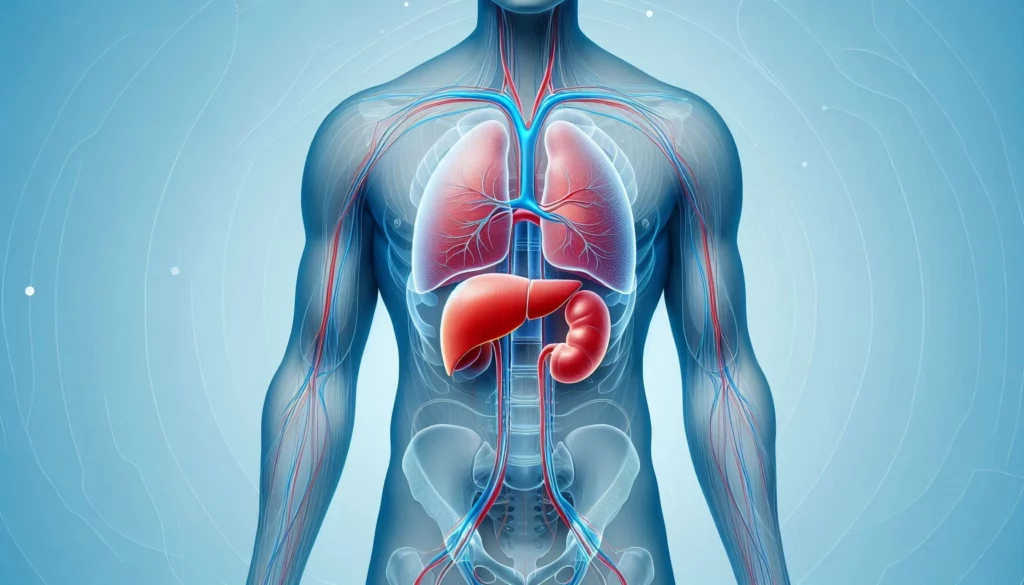
The liver’s role in breaking down kratom is central. It converts alkaloids into water-soluble metabolites, which the kidneys filter out. This process varies in efficiency, influenced by factors like liver health and hydration, which we’ll explore later. Metabolism also depends on the body’s overall efficiency. For instance, a healthy liver processes substances more effectively than one under stress. This variability underscores why detection times differ among users, setting the stage for a deeper look at testing methods.
Detection Windows for Kratom
The time kratom stays in your system varies depending on the testing method. While standard drug panels don’t typically screen for kratom, specialized tests can identify its alkaloids or metabolites. Below are the common testing methods and their detection windows.
Urine Tests
Urine tests are the most common method for detecting kratom, as they can identify its metabolites with specialized screening. Generally, kratom stays in your system and is detectable in urine for 5 to 7 days after last use. For frequent or high-dose users, this window may extend to 9 days or more, depending on the test’s sensitivity and individual metabolism. Urine tests are chosen for their non-invasive nature and ability to detect recent use. The presence of metabolites, rather than the alkaloids themselves, extends the detection window, making urine tests the go-to for kratom screening.
Blood Tests
Blood tests are less common due to their invasiveness and shorter detection period. Mitragynine is typically detectable in blood for 24 to 48 hours after use. Heavy use may extend this slightly, but blood tests are rarely used outside clinical or research settings due to their limited window and cost. Blood tests are more precise for detecting recent use but are impractical for routine screening. Their short detection window makes them less relevant for most users concerned about how long kratom stays in their system.
Saliva Tests
Saliva tests for kratom are uncommon but can detect alkaloids for up to 24 hours after use. These tests are less reliable for long-term detection because kratom clears quickly from oral fluids, making them a rare choice for screening. The limited use of saliva tests is due to their short detection window and lower sensitivity compared to urine tests. They may be used in specific scenarios but are not a primary method for kratom detection.
Hair Tests
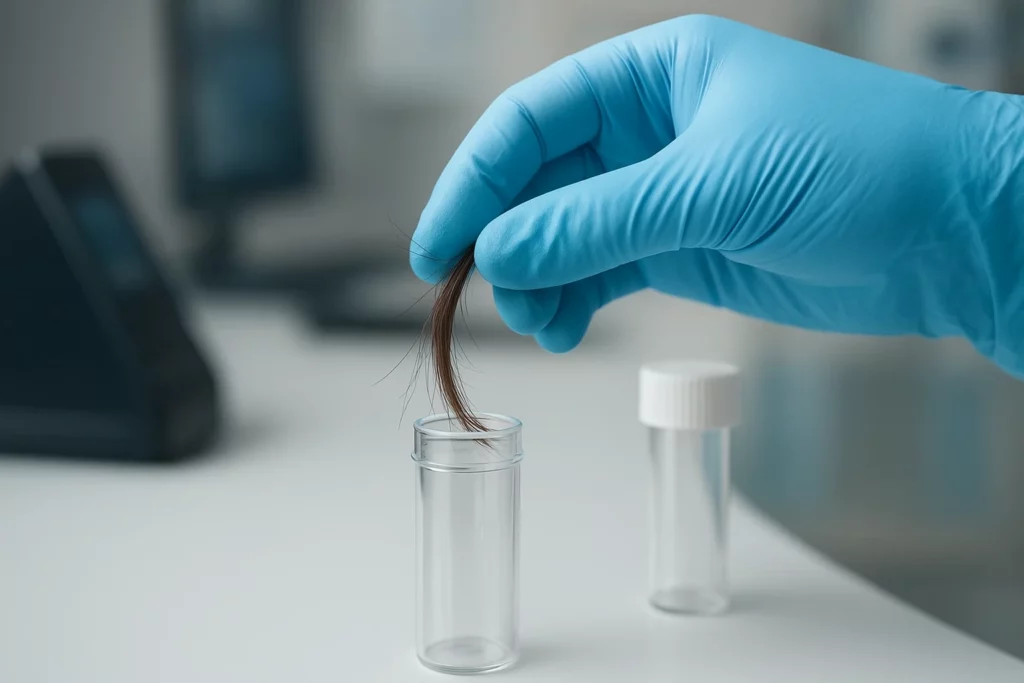
Hair tests offer the longest detection window, potentially identifying kratom use for up to 90 days. Alkaloids or their metabolites can be embedded in hair follicles, with detection depending on the hair sample’s length and usage frequency. However, hair tests are costly and not typically used for kratom screening. Hair tests are more common in forensic or long-term monitoring contexts. For kratom users, they are less relevant due to their rarity and expense, but they highlight the potential for long-term detection.
Factors That Affect How Long Kratom Stays in Your System
Several variables influence how long kratom stays in your system, impacting both its effects and detectability. Understanding these factors helps users predict clearance times and make informed choices.
Dosage and Frequency of Use
The amount and frequency of kratom consumption significantly affect its duration in the body. A single, low dose (1 to 3 grams) may clear within a few days, while regular or high-dose use (5 to 15 grams daily) can lead to alkaloid accumulation, extending detection times. Chronic users may find kratom stays in their system for over a week in urine tests, compared to occasional users who clear it faster. For example, someone taking kratom once a week may have a shorter detection window than a daily user. This accumulation effect is critical for understanding testing risks.
Individual Metabolism
Metabolism varies widely, affecting how quickly kratom is processed. Factors like age, liver function, and overall health play a role. Younger individuals or those with faster metabolisms may eliminate kratom more rapidly, while older people or those with liver impairments may retain it longer. This variability makes personalized predictions essential. Liver health is particularly important, as it’s the primary organ for metabolizing kratom. Conditions affecting the liver, like fatty liver disease, can slow clearance, extending detection times.
Body Composition and Hydration
Body fat percentage and hydration levels impact kratom’s duration. Kratom’s alkaloids are fat-soluble, meaning they can accumulate in fatty tissues, potentially prolonging detection in individuals with higher body fat. Adequate hydration supports kidney function, aiding metabolite excretion through urine and potentially shortening clearance time. Hydration doesn’t drastically alter detection but supports the body’s natural processes. Dehydration, conversely, may slow excretion, subtly extending how long kratom stays in your system.
Kratom Strain and Form
Different kratom strains and forms vary in alkaloid content, affecting how long kratom stays in your system. Red vein strains, for instance, often contain higher levels of 7-hydroxymitragynine, which may persist longer. Concentrated forms like extracts have higher alkaloid doses, potentially extending detection compared to powders or teas. For example, a user taking a potent extract may have a longer detection window than someone using a standard green vein powder. Althought extracts are not considered a safe option due to the method of extraction and higher concertration of mitragynine, this variability adds complexity to predicting clearance times.
Method of Consumption
How kratom is consumed influences its absorption and elimination. Taking it on an empty stomach may lead to faster absorption and clearance, while consuming it with food can slow digestion, potentially prolonging its presence. Brewing kratom as a tea may alter absorption compared to capsules or powders. These differences are subtle but can affect how quickly kratom’s effects manifest and how long it remains detectable. Users should consider their consumption method when planning usage.
Duration of Kratom’s Effects vs. Detection Time
Kratom’s effects differ from how long it stays in your system. Effects typically begin within 15 to 30 minutes of ingestion and last 3 to 6 hours, depending on the dose and strain. Low doses (1 to 5 grams) often produce energizing effects, while higher doses (5 to 15 grams) may be calming. These effects fade long before kratom is fully cleared, meaning you could test positive on a specialized test days after feeling its impact.
For example, a user might feel kratom’s effects for 4 hours but have detectable metabolites in urine for up to 7 days. This distinction is critical for managing usage and testing expectations. The difference between effect duration and detection time often surprises users. It highlights the importance of planning usage around potential testing scenarios, especially for those in sensitive professions.
Why Knowing How Long Kratom Stays in Your System Matters
Understanding how long kratom stays in your system is relevant for workplace drug testing, legal situations, or medical evaluations. While kratom is legal in many regions, including parts of Canada, its status varies, and some employers or institutions may use specialized tests. Knowing detection times helps users plan usage, especially if testing is anticipated.
This knowledge also supports responsible use. For example, pausing kratom to manage tolerance, prepare for a medical procedure, or avoid detection requires understanding clearance times. It empowers users to align their usage with personal and external requirements. In legal contexts, kratom’s status can influence testing policies. Users should stay informed about local regulations to navigate potential restrictions or screening requirements effectively.

Supporting the Body’s Natural Clearance Process
While kratom stays in your system until naturally cleared, certain habits may support this process. Drinking plenty of water promotes kidney function, aiding metabolite excretion through urine. A balanced diet with fruits, vegetables, and fiber supports liver health, crucial for metabolizing kratom. Regular exercise can enhance circulation and metabolism, though it won’t drastically accelerate clearance.
If concerned about detection, stop kratom use at least 7 to 10 days before a potential test, especially for urine or hair tests. Chronic users may need longer to ensure complete clearance. These practices don’t guarantee faster clearance but align with overall health, potentially optimizing the body’s ability to process and eliminate kratom.
Common Misconceptions About Kratom Detection
Several myths surround kratom detection. One common misconception is that kratom triggers positive results on standard opioid drug tests. While its alkaloids interact with opioid receptors, they are chemically distinct from substances like morphine or oxycodone, so they’re unlikely to cause a false positive unless a specialized test is used.
Another myth is that excessive water or detox products can instantly clear kratom. Hydration supports natural detoxification, but it won’t eliminate kratom overnight, especially for regular users. Commercial detox products are often unverified and may not deliver promised results. These misconceptions can lead to confusion, making accurate information critical for users navigating testing or responsible use.
Additional Factors Influencing Kratom’s Duration
Beyond the primary factors, other elements can subtly affect how long kratom stays in your system. Genetic variations in liver enzymes may influence how quickly some individuals metabolize kratom, though this is less common. Product quality also matters; lower-quality kratom with fewer alkaloids may clear faster, while high-potency products may linger longer.
Environmental factors like stress or diet consistency can play a minor role. Stress may slow metabolism, while a consistent diet supports stable liver function. These nuances highlight the importance of personalized awareness when using kratom. Product sourcing also matters. Buying the best kratom in Canada from reputable sources tends to have consistent alkaloid profiles, while lower-quality products may vary, affecting clearance times unpredictably.
Frequently Asked Questions About Kratom’s Duration
To address common user queries and enhance understanding, here are answers to frequently asked questions about how long kratom stays in your system.
Q: Can kratom show up on a standard drug test?
A: No, kratom is not typically included in standard drug panels, which screen for substances like opioids, marijuana, or amphetamines. Only specialized tests designed to detect mitragynine or its metabolites will identify kratom, making it unlikely to trigger a false positive for other substances.
Q: How long should I stop using kratom before a drug test?
A: For urine tests, stopping kratom 7 to 10 days before is generally sufficient for most users, though chronic users may need up to 14 days. For blood tests, 2 to 3 days may suffice, while hair tests require longer abstinence due to their 90-day detection window.
Q: Does the type of kratom strain affect how long it stays in your system?
A: Yes, strains with higher alkaloid content, like red vein kratom, may linger longer due to elevated levels of 7-hydroxymitragynine. High-potency forms also extend detection compared to standard powders or teas.
Q: Can hydration speed up kratom clearance?
A: Hydration supports kidney function and metabolite excretion, which may slightly shorten clearance time. However, it won’t drastically reduce how long kratom stays in your system, especially for frequent users.
Q: Is occasional kratom use detectable for less time than regular use?
A: Yes, occasional use (e.g., once or twice a week) typically results in shorter detection windows, often 3 to 5 days in urine, compared to 7 to 9 days or more for daily users, due to less alkaloid accumulation.
Q: Can lifestyle factors like exercise help clear kratom faster?
A: Exercise may support metabolism and circulation, potentially aiding clearance, but its impact is minimal. Hydration and a healthy diet are more effective in supporting the body’s natural detoxification processes.
Q: Does body weight affect how long kratom stays in your system?
A: Yes, individuals with higher body fat may retain kratom longer, as its alkaloids are fat-soluble and can accumulate in fatty tissues, extending detection times compared to those with lower body fat.
Final Thoughts on Kratom’s Duration
The duration of how long kratom stays in your system is shaped by multiple factors, from dosage and frequency to metabolism and testing methods. Its effects may last a few hours, but its alkaloids can remain detectable for days or even months, depending on the test. This blog has provided a comprehensive overview, covering detection windows, influencing factors, practical tips, and answers to common questions that you may not have known before.
Whether you’re using kratom for its potential benefits or navigating a scenario where detection is a concern, understanding how long kratom stays in your system empowers you to make informed choices. Stay mindful of your usage patterns, local regulations, and your body’s unique response to ensure a safe and confident experience with this plant medicine.
Disclaimer
The information provided in this blog is for informational and educational purposes only and should not be considered medical, legal, or professional advice. Kratom (Mitragyna speciosa) is a plant medicine with effects that can vary widely based on individual factors, dosage, and usage patterns. Its safety and efficacy have not been fully evaluated by regulatory bodies like Health Canada, and its use may carry health risks, including potential side effects such as nausea, dizziness, dependency, or interactions with other substances or medications.
Always consult a qualified healthcare professional before using kratom, especially if you have pre-existing medical conditions, are pregnant or breastfeeding, or are taking medications. Drug testing policies and kratom’s legal status vary by region, and users are responsible for understanding local regulations. The detection times and factors discussed are estimates based on available data and may differ for each individual.
Neither the author nor the publisher assumes liability for any adverse effects, legal consequences, or other outcomes resulting from kratom use or reliance on this information. Use kratom responsibly and at your own risk, prioritizing your health and safety.