


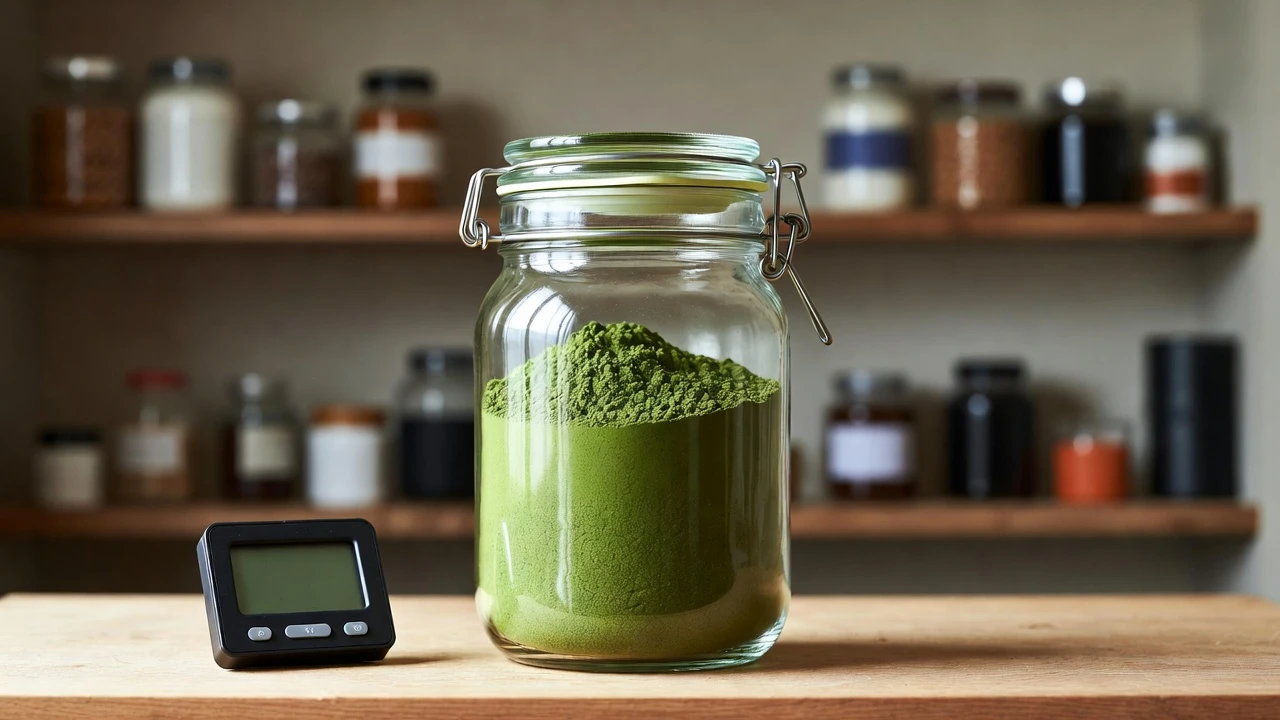

Many people keep a supply of kratom powder on hand for regular personal use. This product stays highly sensitive to its surroundings long after processing and packaging. Among all the environmental factors that can influence its condition over time, the level of humidity inside your home stands out as one of the most powerful and frequently overlooked threats. High moisture in indoor air rarely makes itself obvious right away. Instead, it works slowly and quietly, gradually changing the texture, appearance, aroma, and overall quality of stored kratom powder.
Learning how these changes happen and what steps can prevent them helps ensure your supply remains usable and enjoyable for much longer.
What Humidity Really Means in a Home Setting
Humidity measures the amount of water vapour present in the air. People usually discuss it in terms of relative humidity (RH), which indicates how close the air is to being fully saturated at the current temperature. In most Canadian homes, indoor relative humidity typically ranges between 30% and 60%. This range varies depending on the season, geographic region, heating or cooling systems, and everyday household activities.
During Canadian winters, forced-air heating and wood stoves frequently lower indoor humidity below 30%, creating very dry conditions. Summers, particularly in provinces such as Ontario, British Columbia, or the Maritimes, often raise relative humidity well above 50 to 60% when warm, moist air enters the home. These seasonal shifts matter because stored kratom powder responds directly to changes in the surrounding air.
Why Kratom Powder Absorbs Moisture So Readily
Kratom powder is hygroscopic by nature, which means it naturally attracts and retains water molecules from the surrounding air. The fine grinding process produces an enormous surface area across millions of tiny particles, each capable of capturing moisture. Even when the powder appears and feels completely dry, elevated relative humidity allows it to slowly draw in atmospheric water vapour through passive exposure.
This absorption process does not require direct contact with liquid water or any kind of spill. It occurs gradually whenever the air holds more moisture than the powder itself contains. Over days or weeks, the cumulative effect becomes both visible and tangible.
Visible and Tactile Changes: Clumping and Caking
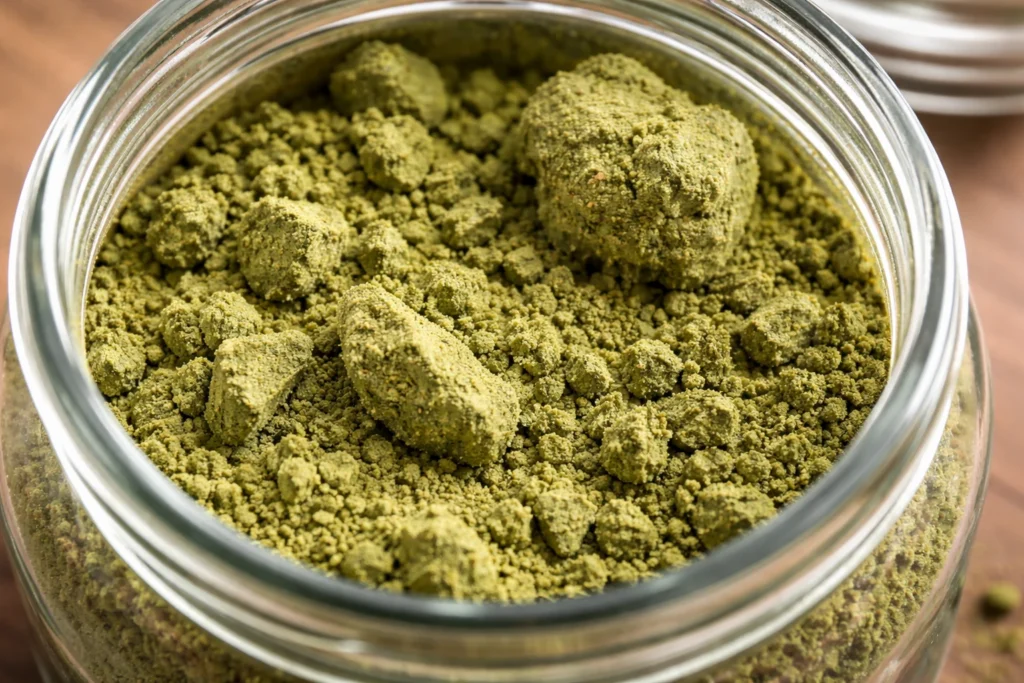
One of the earliest and most noticeable signs of humidity exposure appears in the powder’s texture. Fresh, properly dried stored kratom powder pours smoothly, much like fine flour or powdered sugar. As moisture content increases, the individual particles begin to adhere to one another.
At moderate humidity levels, small, soft clumps form that break apart easily with light pressure or a gentle shake. Continued exposure hardens these clumps into larger, denser cakes that feel solid and resist breaking. In more advanced cases, the entire contents of a container can solidify into a single compacted mass. These texture changes make accurate dosing more difficult and can lead to uneven mixing when the powder is blended into beverages or filled into capsules. The shift in consistency serves as a reliable early warning that environmental conditions need adjustment.
The Serious Risk: Mold Growth and Spoilage
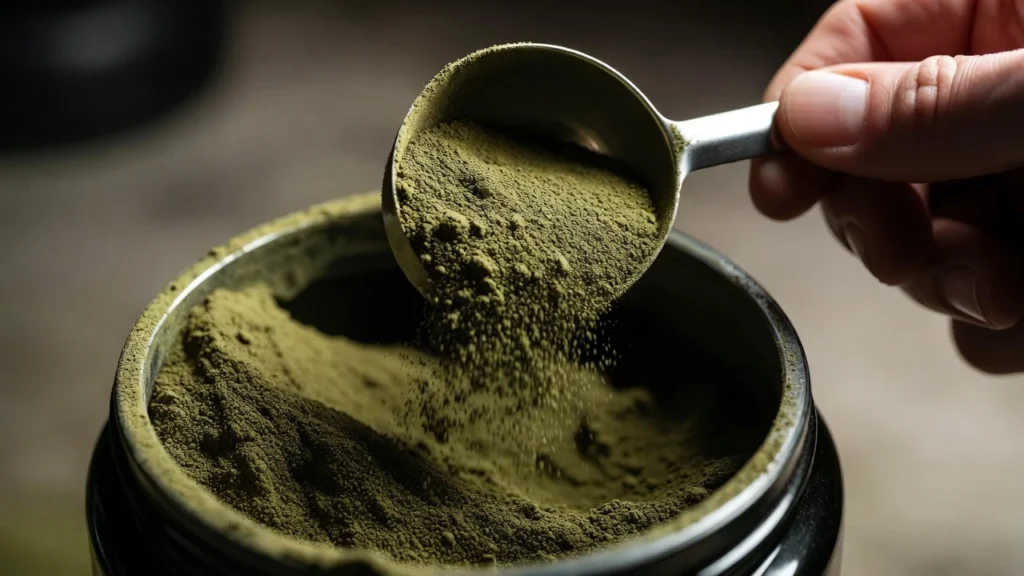
Mold poses the most serious consequence of prolonged high humidity. Mold spores float naturally throughout household air, but they remain inactive without sufficient moisture. When stored kratom powder absorbs enough water vapour, typically when its equilibrium moisture content rises above roughly 12 to 15%, it crosses the threshold where mold can begin to grow and spread.
Early mold growth sometimes appears as faint white fuzz, small greenish patches, or darker spots hidden within clumps. As the mold progresses, affected areas develop a characteristic musty, sour, or fermented odour that stands out from the powder’s natural earthy aroma. Once established, mold spreads quickly through the batch via airborne spores and direct contact. At that point, the material becomes unsuitable for use, and removing visible mold does not eliminate hidden growth or potential mycotoxins.
Gradual Loss of Potency and Alkaloid Stability
The primary alkaloids in kratom stay relatively stable when kept in low-moisture, cool, and dark conditions. However, water acts as a catalyst for several degradation pathways. Moisture enables hydrolysis reactions that slowly break down molecular structures. It also accelerates oxidation processes, even in the absence of strong light exposure. In some cases, minor microbial activity occurs without visible mold and still alters the chemistry over time.
Many users notice that powder stored in humid conditions begins to feel weaker after several months. The effects may seem less consistent, or larger amounts become necessary to achieve familiar results. This decline develops gradually, which makes it harder to detect without a direct comparison.
Color Shifts as a Visual Clue
Fresh kratom powder displays vibrant, strain-specific colours, ranging from bright to deep greens in many varieties to reddish-browns in others. Humidity-driven changes often dull these hues noticeably. Greens frequently fade to olive or yellowish tones, while reds and browns darken or take on a muddy appearance. These visual shifts result partly from oxidation and partly from minor chemical changes that moisture helps facilitate. Although colour alone does not determine usability, it offers another straightforward signal that storage conditions have not been ideal.
Common Household Danger Zones for Humidity
Bathrooms
Bathrooms frequently experience steam from showers, baths, and hot water, which creates repeated spikes in relative humidity.
Kitchens
Kitchens release significant moisture through cooking vapours, boiling kettles, dishwashers, and open pots.
Basements
Basements tend to stay naturally cooler and damper, with many Canadian basements maintaining relative humidity above 50 to 60% throughout the year.
Areas near exterior doors or windows
These spots introduce outdoor humidity whenever doors or windows open, especially during rainy periods.
Laundry rooms or indoor drying spaces
Wet fabrics release substantial moisture into the air, dramatically raising local relative humidity.
Seemingly safe spots that can still be risky
Even locations like bedroom nightstands or living-room shelves can become problematic during extended humid summer weather or when windows remain open in rainy conditions.
How Temperature and Humidity Interact
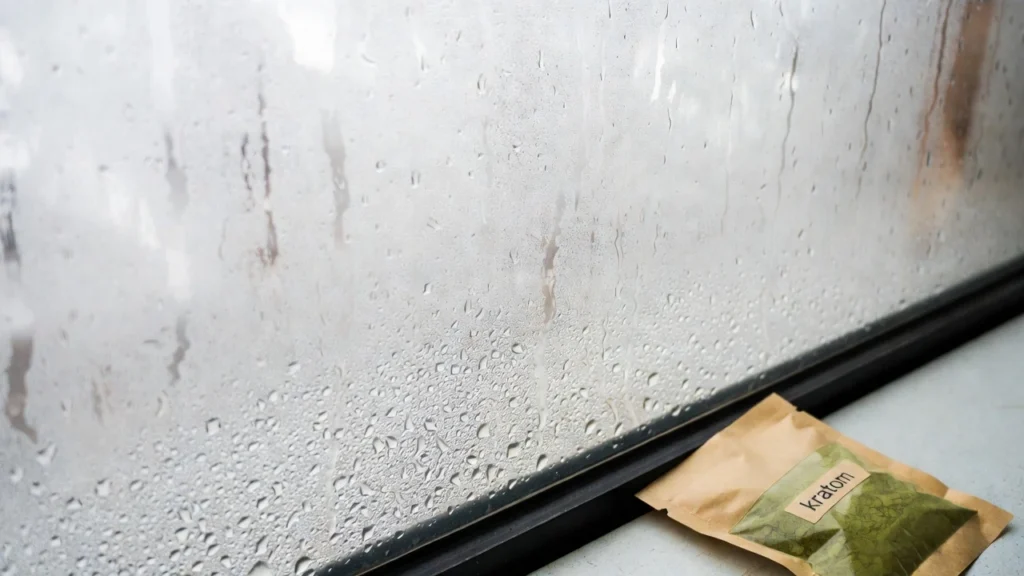
Temperature and humidity share a close relationship. Warmer air holds much more water vapour before reaching saturation, so the same absolute moisture content produces lower relative humidity at higher temperatures. Cooler air reaches saturation more quickly, which raises relative humidity and increases the chance of condensation.
A common storage error occurs when someone moves a sealed container from a cool basement to a warm kitchen without allowing time for acclimation. As the cold container warms rapidly, moisture condenses on the inner walls, much like droplets form on a cold drink on a hot day. This condensation directly wets the powder. Preventing this issue simply requires patience: allow containers to reach room temperature before opening them.
Ideal Storage Conditions for Longevity
General recommendations for storing dried botanicals long-term suggest keeping relative humidity between 30% and 45%, with levels definitely staying below 60%. Temperatures should remain cool and stable, ideally between 15°C and 22°C (59°F to 72°F), while avoiding any heat sources. Minimal light exposure helps as well, which is why dark or opaque containers provide additional protection. These parameters align closely with guidelines used for coffee beans, dried mushrooms, medicinal herbs, and other moisture-sensitive powders.
Practical Steps to Protect Your Supply
Effective protection combines reliable containers, thoughtful location choices, and a few inexpensive tools.
- Use airtight containers: Glass mason jars with rubber-ring lids offer excellent sealing. Metal tins designed for food storage with press-fit or gasket closures work equally well. Vacuum-sealed bags suit longer-term portions but are less convenient for daily access. Avoid thin plastic bags, screw-top jars without proper seals, or anything that allows gradual air exchange.
- Add desiccants for extra protection: Food-grade silica gel packets are inexpensive and highly effective. Place one or two inside each container (never in direct contact with the powder). Indicator packets change colour when saturated, signaling when to replace them. Oxygen absorbers can pair with desiccants to reduce oxidation, though humidity control remains the priority.
- Choose the right storage location: Keep containers in interior closets, pantries, or dedicated drawers away from exterior walls, heating vents, windows, and appliances that produce steam or heat.
- Monitor humidity levels: A basic digital hygrometer (often under $15) shows the actual relative humidity in your storage spot. Track readings over a week. If levels consistently exceed 50%, add a small dehumidifier to the room or move the supply elsewhere.
- Adopt good daily habits: Scoop powder only with clean, dry tools. Open containers briefly and reseal immediately after use. Keep storage areas away from houseplants (which release moisture) and aquariums (which maintain high local humidity).
Frequently Asked Questions
Q: How can I tell if my stored kratom powder has absorbed too much moisture?
A: Look for several clear indicators. The powder may form soft or hard clumps that do not break apart easily when stirred or shaken. You might notice a duller or shifted colour compared to when it was fresh, such as greens turning yellowish or reds becoming muddy. A musty, sour, or off smell that differs from the usual earthy aroma is another strong sign. Persistent clumping combined with any unusual odor usually means moisture has become an issue.
Q: Is it safe to use stored kratom powder that has clumped but shows no visible mold?
A: Soft, easily broken clumps from brief moderate humidity exposure are often still safe if the powder smells normal and shows no other warning signs. However, if the clumps are hard, persistent, or accompanied by any off odour, discoloration, or powdery residue inside the container, it is better to discard the batch. Hard caking frequently indicates higher or longer-term moisture levels that increase the risk of hidden microbial activity.
Q: Can I rescue stored kratom powder that has become slightly clumped by drying it out?
A: In cases of very mild clumping with no mold, off odours, or colour changes, some people gently spread a small amount thinly on parchment paper in a very low-humidity room with good airflow and let it air-dry for a day or two. This approach carries risks, however, because uneven drying or unnoticed early mold can remain. For most users, replacing the affected supply is safer and more reliable than attempting to salvage it.
Q: Do silica gel packets really make a big difference in humid Canadian summers?
A: Yes, they provide meaningful protection during periods when indoor relative humidity regularly exceeds 50 to 60%. A single food-grade packet inside an airtight container absorbs excess moisture from the trapped air, helping maintain a drier micro-environment around the powder. Replace the packets every few months or when the indicator colour changes to ensure continued effectiveness, especially in coastal or southern regions during warmer months.
Q: How long can stored kratom powder realistically last in a properly humidity-controlled home environment?
A: With airtight containers, silica gel packets, a stable cool location (15 to 22°C), and relative humidity kept below 45%, many users report consistent quality for 12 to 24 months or longer. The exact duration depends on the initial dryness of the powder, how often the container is opened, and minor seasonal fluctuations. Regular visual and olfactory checks help confirm it remains in good condition.
Final Thoughts: Small Habits, Big Results
Humidity often feels like a minor or abstract concern until a container reveals clumped, discoloured, or off-smelling powder. Fortunately, preventing these outcomes requires only modest effort. Airtight containers, strategic placement, occasional monitoring, and desiccants when needed form a straightforward system that works well.
By paying attention to your home’s humidity patterns, especially during Canada’s humid summers and damp shoulder seasons, you can maintain stored kratom powder in near-original condition for many months. Consistent application of these simple practices transforms a potentially fragile product into one that remains reliable and fresh with every use.
Disclaimer
The information is provided here is for educational purposes only and pertains solely to the proper storage and preservation of fine, dry botanical powders such as kratom (Mitragyna speciosa). It is not intended to promote, encourage, or endorse the use, consumption, or ingestion of kratom or any similar products for any purpose, including personal, recreational, or therapeutic use. Kratom is not approved or authorized by Health Canada as a natural health product, dietary supplement, food, or drug for human consumption, and no kratom-containing products have received official approval for sale or use in Canada.
Health Canada has repeatedly advised against consuming kratom due to potential serious health risks, including but not limited to nausea, vomiting, seizures, liver toxicity, rapid heartbeat, respiratory depression, dependence, addiction, and other adverse effects. The use of kratom carries significant health and safety concerns, and individual responses can vary widely based on factors such as dosage, frequency, personal health conditions, concurrent medications, or pre-existing medical issues.
This content does not constitute medical advice, diagnosis, or treatment recommendations. Anyone considering or currently using kratom or any botanical product should consult a qualified healthcare professional before doing so, and immediately seek medical attention if experiencing unusual symptoms. Always prioritize safety, verify product sources for quality and purity, and adhere to all applicable laws and regulations. The author and any associated parties disclaim all liability for any reliance on, or consequences arising from, the information provided herein.