




A fascinating topic that spans a wide range of perspectives is how different age groups experience kratom. This versatile plant medicine has found its way into many communities across Canada and worldwide. It is grown primarily in Southeast Asia and has, in recent years, piqued the interest of numerous consumers interested in plant-based options. Some people explore kratom due to curiosity, while others see it as a part of their personal wellness practices. Regardless of the motivation, it is important to understand that what resonates for one age group may be distinctly different from another.
Age plays a significant role in shaping how kratom is perceived and used. Younger adults may gravitate toward convenient options that fit into their fast-paced routines, while those further along in their careers or personal lives might incorporate kratom more intentionally as part of a structured regimen. Older adults, on the other hand, may prioritize quality, consistency, and a more refined approach to their consumption. Understanding these generational differences provides valuable insight into why kratom appeals to such a broad audience and how its various forms align with different lifestyles.
Common Forms of Kratom: Powder, Capsules, and Tea
Kratom Powder
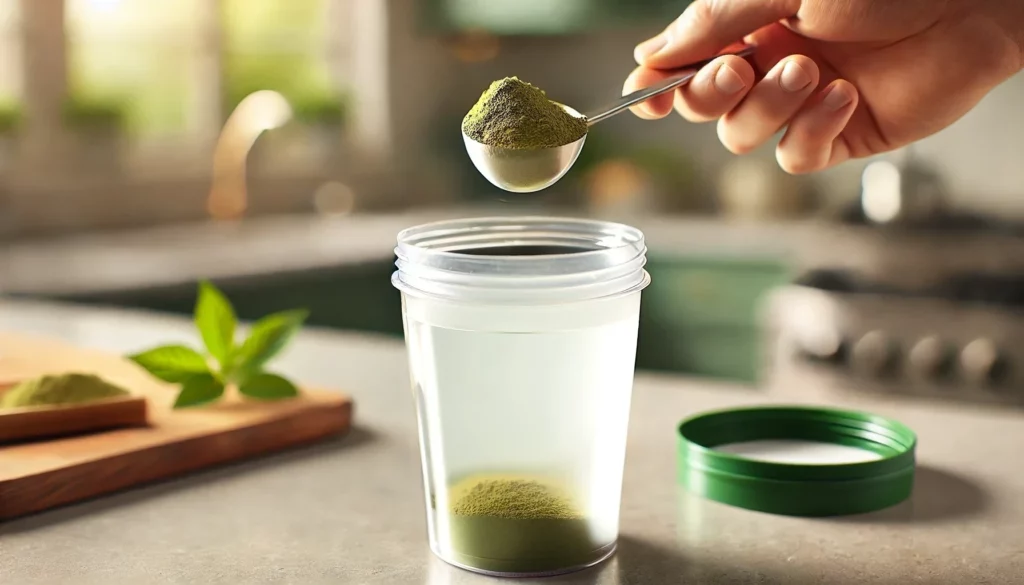
Kratom powder is arguably the most recognizable form available on the market. Typically ground from dried kratom leaves, this powder is known for its versatility. Users often measure out a specific amount and combine it with water, juice, or even smoothies. Because of its fine consistency, kratom powder can be easily blended into various beverages or homemade recipes, giving it an advantage in flexibility.
Many people also appreciate that it can be more cost-effective than other forms, making it attractive to those on tighter budgets or managing finances carefully. The customizable nature of powder allows for precise measuring, enabling users to adjust portions based on individual preference. Beyond mixing it with liquids, some incorporate kratom powder into meals, shakes, or desserts as a way to mask its naturally bitter taste.
Kratom Capsules
Kratom capsules encapsulate the powdered leaves in small, convenient shells. This format appeals especially to those who find kratom’s flavour off-putting, since capsules help bypass the bitterness. People with active schedules or those who value discretion often gravitate toward capsules, as they can be transported easily and taken quickly without drawing attention. The pre-measured content of each capsule also simplifies a consistent routine, which is beneficial for newcomers or anyone wanting a more standardized approach.
Kratom Tea
Kratom tea has historical roots in Southeast Asia, where local communities traditionally brew fresh or dried leaves. Today, this practice continues to captivate those who appreciate a meditative element in their daily routine. Preparing a warm cup of kratom tea can become part of a soothing habit, offering a moment of calm in an otherwise busy day. While the tea can still carry a bitter profile, adding natural sweeteners, lemon juice, or blending it with other herbal infusions can create a more pleasant flavour. Some enthusiasts also enjoy sharing tea with others, whether in-person or through online gatherings, to exchange observations and discuss the varying taste profiles.
Each of these three forms of kratom hold a distinct appeal. The choice often depends on personal lifestyle, taste preference, and the level of convenience one seeks. With a general understanding of these forms, we can see how each form of kratom has it’s own unique characteristics.
The Different Varieties of Kratom Veins
White, green, and red kratom veins stem primarily from the colour of the leaf’s veins before the drying and grinding process begins. These variations can influence many aspects, including overall composition and individual user preferences. Understanding what sets each variety apart can help you decide which might be best suited to your routine.
White Vein Kratom
White vein kratom typically comes from leaves harvested at an earlier stage of development, where the veins are lighter in colour. This variety is often associated with a brighter, more uplifting character. Though each person’s experience is shaped by factors like personal body chemistry and lifestyle, white vein kratom is frequently chosen by individuals seeking a mild, daytime-friendly option.
Green Vein Kratom
Green vein kratom is commonly considered a balanced option, falling between white and red varieties in its overall impression. Many people describe green vein kratom as a moderate choice for everyday use, since it can be more versatile than its counterparts. For those who are newer to kratom or looking for something that fits well into multiple aspects of daily life, green vein kratom often appeals to a broad audience.
Red Vein Kratom
Red vein kratom is generally made from leaves harvested at a later stage, characterized by darker veins. It is sometimes described as having a deeper or richer nature, making it a popular choice for individuals who prefer a more pronounced profile. As always, personal preference plays a crucial role, and trying different red vein strains can help you pinpoint the one that best aligns with your lifestyle.
How Different Age Groups Experience Kratom
Age 18 to 25
Individuals between 18 and 25 are in a phase of exploration and self-discovery. College life, early career beginnings, or both typically spark a curiosity about new products, and kratom is no exception. In Canada, legal regulations generally require individuals to be at least 18 years old to purchase kratom, aligning with broader standards on herbal product regulation. This age group is often juggling multiple responsibilities, from coursework to internships, which makes convenience a top priority. Capsules may be especially appealing due to their quick and discreet usage. Some younger adults also find the bitterness of powdered kratom challenging, so they look for flavoured beverages or easy-to-swallow formats.
Online communities can further shape experiences for this demographic. Social media platforms, specialized forums, and peer-reviewed articles are frequently shared among younger adults seeking advice. Many adopt a gradual approach, starting with conservative amounts of kratom to gauge personal comfort. By experimenting carefully, they discover which form and routine resonates best.
Some people in this age range report feeling a mild yet noticeable sense of alertness or motivation when incorporating kratom into their routines. These effects, while not universally experienced, can support the high-energy demands of their day-to-day commitments.
Age 26 to 33
Late 20s and early 30s often come with heightened career and personal responsibilities. The scheduling of daily routines often becomes more structured, whether it revolves around full-time work, building a family, or both. Kratom capsules or powders can be preferred in this age bracket because they fit easily into a morning or midday routine, offering a straightforward option for those on tight schedules. The awareness of moderation also becomes more pronounced. People in this range may be more deliberate about how kratom aligns with their broader health plans.
Some prefer to incorporate kratom tea into their lifestyle, experimenting with different infusions. Internet-savvy consumers rely on reputable online vendors like Pharmakeia for product details, reviews, and lab results, ensuring that they make informed decisions about sourcing and quality. Overall, consistency and practicality are major influences at this stage, guiding individuals to incorporate kratom seamlessly into day-to-day life.
At this stage, kratom can provide a measured sense of balance that complements work or family responsibilities. Many report that it helps maintain a steady momentum throughout busy schedules without being overwhelming.

Age 34 to 41
By the mid-30s to early 40s, many adults have refined their tastes and developed specific preferences through consistent life routines. This age bracket typically faces a range of obligations, such as established careers, family responsibilities, and possibly a variety of social commitments. Those who discovered kratom earlier may have settled into routines that accommodate both their schedules and their taste preferences.
A holistic approach to well-being is often seen here. People might pair kratom use with mindful eating, regular exercise, or other wellness practices. Time management remains critical, but kratom tea can be enjoyed as a relaxing addition to an evening routine, providing a moment of calm in an otherwise busy schedule. This group frequently engages in both online and local gatherings, workshops, or events focused on wellness, sharing knowledge and insights with like-minded individuals.
Some people in this demographic appreciate a moderate sense of relaxation or clarity that kratom may offer, aligning well with mindful routines. This subtle enhancement can support the desire for consistent well-being and personal growth.
Age 42 to 50
Adults in their 40s are typically well-established in daily routines, yet they might be experiencing transitions related to older children, career changes, or fresh personal goals. Convenience remains a driving factor for many in this age range, so capsules continue to be beloved by those needing an easy, discreet option.
Meanwhile, an interest in natural solutions can guide some individuals to explore the ritualistic aspects of kratom powder or tea. Quality standards take on even greater importance, as consumers often investigate product transparency, purity, and ethical sourcing. They are likely to refer to credible research and consult multiple resources before selecting a vendor or specific product. By now, personal experience with various supplements and wellness practices gives them a strong foundation from which to make informed decisions.
A number of individuals in this group might find that kratom supports a balanced daily rhythm, complementing changing lifestyle goals. Its flexibility allows users to adapt their intake based on evolving wellness priorities and personal experiences.
Age 50s and Beyond
For those 50 and older, daily life may revolve around fostering a sense of comfort and longevity. Some have used kratom for years and simply refine their routines as they get older. Others might be exploring kratom for the first time with a cautious but open mindset. A consistent, stable schedule is typical, making it easy to incorporate rituals like brewing a warm cup of kratom tea. Adjusting portion sizes becomes especially relevant, as individual sensitivities can change over time. Smaller portions or milder variants might be preferred, and closer attention is often paid to overall balance and comfort.
Many older adults consult a wide range of sources, including healthcare professionals, reputable websites, or friends who have personal experiences. Verified lab results and strong customer support from vendors are also key considerations. In this way, they strive to sustain a lifestyle that emphasizes well-being, contentment, and informed decision-making.
People in their 50s and beyond sometimes note a subtle comforting effect, which may pair nicely with existing routines aimed at preserving vitality. Careful attention to portion sizes and product quality can foster a sense of confidence in maintaining a steady, beneficial practice.
Simple Ways to Make Your Kratom Experience Better
No matter your age group, there are practical ways to elevate your kratom routine. If you are new to kratom or trying a new strain, starting with a smaller portion and gradually adjusting allows you to find what feels balanced for your individual needs. Staying hydrated is a straightforward yet crucial habit, as regular water intake helps maintain overall health.
Experimenting with different flavour profiles can be a rewarding step. Adding a splash of lemon or a bit of honey to kratom tea or powder-based beverages can soften the naturally bitter taste. Creating a routine that aligns with your daily schedule also ensures consistency and convenience. Many people pair kratom with their morning or evening ritual, keeping supplies in an easily accessible spot.
Combining kratom use with broader healthy habits can further enhance your experience. Good nutrition, physical activity, enough rest, and simple mindfulness exercises like meditation or gentle stretches form a strong foundation for overall wellness. Taking notes or maintaining a small journal can help you observe patterns and identify which forms or time of day work best for you.
FAQ
Q: How does Canadian law influence access to kratom?
A: In Canada, you must be at least 18 or older to purchase kratom from reputable sources. Regulations can vary by province or municipality, so it’s important to verify local guidelines. Staying informed about legal updates and buying from trustworthy vendors ensures a safer experience.
Q: Which form of kratom is most suitable for first-time users?
A: Beginners often gravitate toward kratom powder for their convenience and measured content. However, experimenting with capsules or tea in small amounts can also help you discover which method aligns best with your taste and daily routine.
Q: Are there any tips for integrating kratom into a busy schedule?
A: Planning ahead is key. Prepare capsules or mix a measured portion of powder the night before. If you prefer tea, consider steeping it in a travel mug so you can enjoy it on-the-go. Consistency and organization can make a big difference in maintaining a balanced routine.
Q: How do I decide among different kratom vein varieties?
A: The choice between white, green, and red vein kratom often comes down to individual goals and personal response. White veins tend to be lighter in character, green offers a balanced impression, and red varieties are often chosen by those looking for something more robust. Trying them in smaller quantities can help you pinpoint your preference.
Q: Can older adults explore kratom if they’re new to it?
A: Absolutely. It’s advisable to start slowly and pay close attention to portion sizes and any sensitivities. Consulting healthcare professionals, reading reputable resources, and choosing lab-tested kratom from reliable vendors are all good steps to ensure a positive experience.

Conclusion
How different age groups experience kratom varies widely due to factors such as lifestyle demands, personal taste, and shifting priorities across the decades. Young adults often value convenience and experimentation, while those building careers and families are apt to prioritize balanced routines. In later years, established habits and a focus on mindful living guide the choices people make about kratom, including which forms to use and how frequently.
A thorough understanding of these different perspectives illuminates why kratom powder, capsules, or tea may be more appealing at certain stages of life. By introducing kratom thoughtfully, starting small, staying hydrated, and selecting forms that align with personal goals, users of all ages can enjoy a more rewarding experience. Combining this approach with credible research and guidance from reliable vendors creates a supportive foundation for making the most of this intriguing plant. Over time, as each person’s needs evolve, their kratom regimen can adapt accordingly, reflecting the dynamic nature of well-being and personal preferences.
Disclaimer
This blog is for informational purposes only and does not provide medical, legal, or professional advice. Kratom is not approved by Health Canada or the FDA for medical treatment, and individual experiences may vary. Consult a healthcare professional before use, especially if you have health conditions, take medications, are pregnant, or breastfeeding. Use kratom responsibly and in moderation. Avoid combining it with alcohol, prescription drugs, or other substances. Ensure you purchase from reputable vendors that provide lab-tested products to avoid contamination.