


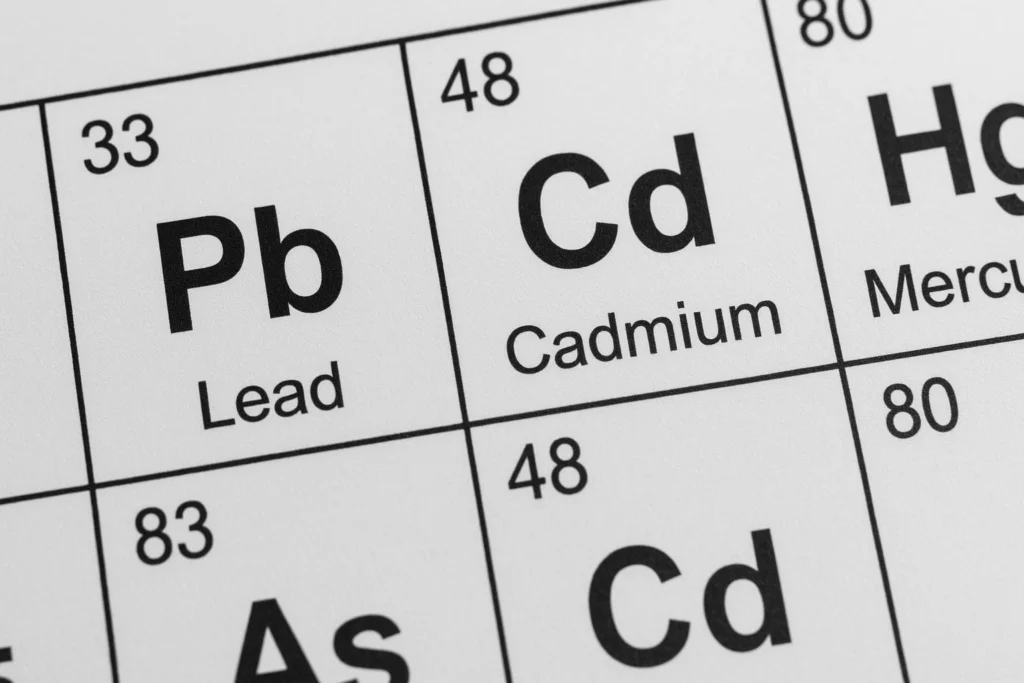
In today’s world of plant medicines and herbal supplements, one concern keeps coming up again and again: heavy metals. Lead, arsenic, cadmium, and mercury can find their way into even the most trusted botanicals, often at levels too small to taste or see but large enough to matter over months and years of regular use.
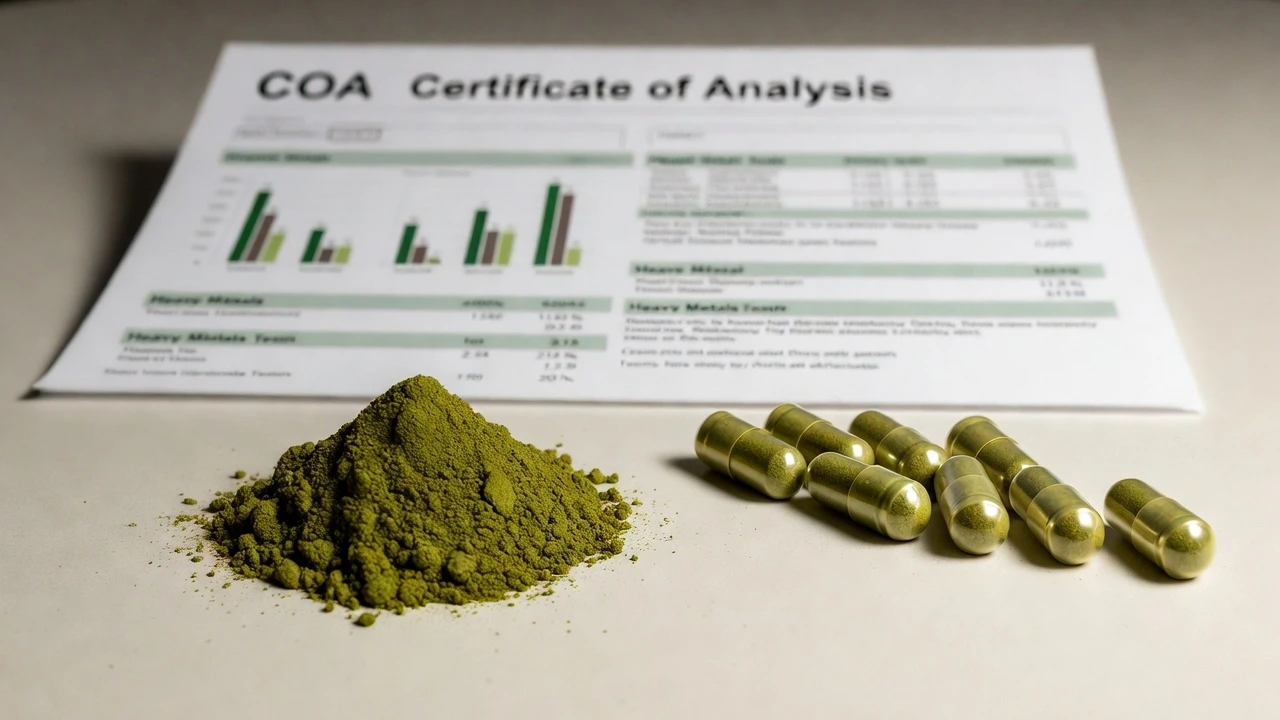
The single best defence any consumer has is the Certificate of Analysis, commonly called a COA. This laboratory report tells you precisely what was found in a specific batch. When you know how to read the heavy metals section properly, you can separate genuinely clean products from the rest in under two minutes. This guide walks you through every detail you need to become confident and self-reliant.
How Heavy Metals End Up in Herbs in the First Place
Plants are nature’s sponges. They pull water and nutrients from the soil through their roots, and whatever else is dissolved in that water or bound to those soil particles comes along for the ride. In regions with a history of mining, factories, or intensive farming, the ground can hold elevated levels of lead or cadmium for decades. Volcanic soils common in parts of Indonesia naturally contain higher arsenic. Phosphate fertilizers, used on countless crops worldwide, are a major source of cadmium buildup.
Once the plant is harvested, new risks appear. Stainless-steel drying racks or grinding equipment can shed tiny amounts of nickel or chromium if they are worn. Poorly maintained storage silos sometimes contribute trace contamination. Even ocean freight containers have occasionally been implicated when old paint flakes off interior walls. Reputable suppliers control every step, but the only way to know for certain that a particular batch stayed clean is independent laboratory testing. That is where the COA becomes non-negotiable.
What a Certificate of Analysis Actually Is
A COA is an official document produced by an accredited third-party laboratory after it has run a series of standardised tests on a submitted sample. It is not an in-house sheet printed by the seller. It comes from scientists who have no financial stake in the results.
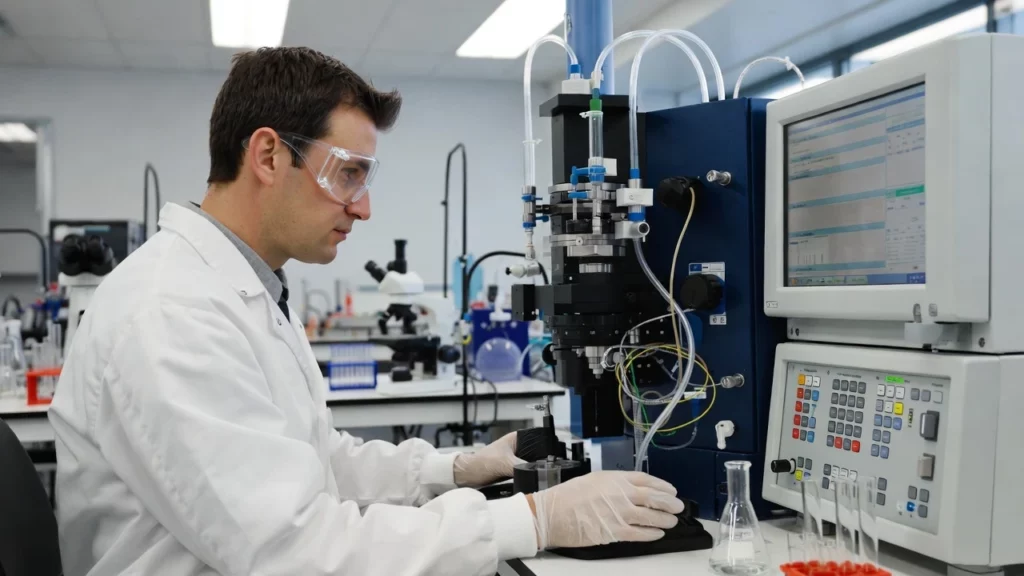
For heavy metals, the lab uses extremely sensitive equipment (usually Inductively Coupled Plasma Mass Spectrometry, or ICP-MS) capable of detecting contaminants down to parts per billion. The final report lists the exact concentration of each metal found, the units used, the detection limits of the test, and whether the batch passed or failed the chosen safety standard.
The Anatomy of a Heavy Metals Section on a COA
Every legitimate COA follows a predictable layout. At the top you will find the lab name, address, and accreditation, the client name, sample description, unique batch/lot number, and the dates the sample was received and tested. The heavy metals results appear in a clear table titled “Heavy Metals,” “Elemental Impurities,” or “Contaminants,” with columns for the metal, result, units, LOQ, specification, and pass/fail status.
The Four Heavy Metals You Will See on Almost Every COA
- Lead (Pb): Comes from old industrial pollution and sometimes processing facilities.
- Arsenic (As): Naturally high in certain volcanic regions; the inorganic form is far more concerning.
- Cadmium (Cd): Strongly linked to phosphate fertilisers and accumulates in leafy material.
- Mercury (Hg): Usually from coal plants or mining; fortunately the lowest of the four in most botanicals.
Some labs now add nickel and chromium, but the core four above are universal.
Understanding Units and Detection Limits
Results are reported in parts per million (ppm), which is the same as micrograms per gram (µg/g). One ppm means one microgram of metal in one gram of herb.
You will see three common notations:
- A plain number (e.g., 0.18 ppm). Accurately measured.
- “< 0.05 ppm” or “ND”. Either absent or below the lab’s reliable detection limit.
- “Trace” or “BQL”. Present but too low to quantify exactly.
The Limit of Quantification (LOQ) on modern equipment is usually 0.01–0.05 ppm. Anything reported as “< LOQ” is effectively negligible for daily adult use.
The Most Important Safety Standards Compared
| Metal | AHPA daily limit | California Prop 65 daily limit | USP Oral PDE | Typical EU maximum in dried herbs |
|---|---|---|---|---|
| Lead | 6 µg/day | 0.5 µg/day | 5 µg/day | 0.2–3 ppm |
| Arsenic | 10 µg/day | 10 µg inorganic/day | 15 µg/day | Varies |
| Cadmium | 4.1 µg/day | 4.1 µg/day | 5 µg/day | 0.2–1 ppm |
| Mercury | 2 µg/day | 0.3 µg/day | 3 µg/day | 0.1 ppm |
Always do the quick math: ppm × grams per day = micrograms of exposure per day.
Step-by-Step: How to Read Any Heavy Metals COA in Under Two Minutes
Learning to evaluate a Certificate of Analysis quickly is easier than most people think. Once you follow this sequence a couple of times, the entire process takes well under two minutes and becomes completely automatic.
Start with the Basics. Is This Even a Real Third-Party Report?
The first thing you always do is confirm the document actually comes from an independent, accredited laboratory. Look at the top of the page for a proper lab name, and physical address. You should also see the date the sample was received and the date testing was completed. If the report was created in-house by the seller or any of those details are missing, stop right there and request a legitimate third-party COA.
Next, match the batch or lot number on the report to the exact number printed on the package or product page you are considering. The numbers must be identical down to the last character. A mismatch simply means the report does not belong to the item in front of you. Finally, check how fresh the test is. Anything completed in the last 12 months is excellent; 18–24 months is the absolute maximum most careful consumers accept.
Dive into the Heavy Metals Results and Do the Simple Math
Now scroll to the heavy metals table, usually labelled “Heavy Metals,” “Elemental Impurities,” or “Contaminants.” Make sure all four core metals are present: lead, arsenic, cadmium, and mercury. If even one is missing, the testing is incomplete. Look closely at the numbers and units (almost always ppm). Pay special attention to any “<” symbols or “ND” (not detected). Those mean the metal is either absent or present only in amounts too tiny to measure accurately. That is exactly what you want to see.
Take ten seconds to do the one calculation that matters: multiply the reported ppm by the number of grams you actually use in a day. That gives you your true daily exposure in micrograms. For example, 0.25 ppm of lead in a 2-gram serving equals just 0.5 micrograms of lead per day, well within even the strictest standards.
Compare your calculated exposure to whichever benchmark you trust most. Many people use California Proposition 65 because it is among the toughest, while others are perfectly comfortable with AHPA or USP limits. While you still have the report open, give it a quick visual scan for anything odd: blurry text, mismatched fonts, pixelation around the numbers, or missing lab contact details. Those are immediate signs the document may have been altered.
Red Flags That Should Make You Walk Away
- Only two or three metals tested instead of the full panel
- Results listed only as “Pass/Fail” with no actual numbers
- Test date older than 24 months
- Visible editing artefacts or inconsistent fonts
- Lab name that does not appear on any accreditation registry
Practical Targets for Truly Clean Herbal Products
- Lead under 0.5 ppm (ideally under 0.2 ppm)
- Total arsenic under 0.2 ppm
- Cadmium under 0.3 ppm
- Mercury under 0.05 ppm or not detected
Many of the best suppliers routinely deliver results five to ten times lower.
Ways to Gently Support Your Body’s Natural Heavy-Metal Detoxification
Even with the cleanest herbs, trace amounts of heavy metals accumulate over time from food, water, air, and past exposures. The good news: you can meaningfully support your body’s own detoxification systems with safe, evidence-based daily habits.
1. Key protective nutrients
These minerals and vitamins compete with heavy metals for absorption and help escort them out:
- Selenium – 200–400 µg/day (strongly binds mercury)
- Zinc – 15–30 mg/day (blocks cadmium and lead)
- Vitamin C – 1–3 g/day in divided doses (boosts glutathione and urinary excretion)
- Adequate calcium, magnesium, and iron (if deficient)
2. Raise glutathione naturally
Glutathione is the body’s primary heavy-metal binder.
- Undenatured whey protein
- N-acetylcysteine (NAC) 600–1 200 mg/day
- Milk thistle (silymarin)
- Cruciferous vegetables, Broccoli, Brussels sprouts, cauliflower
3. Gentle gut binders
Taken on an empty stomach, these prevent metals from being reabsorbed:
- Modified citrus pectin
- Alginate (from kelp)
- Broken-cell-wall chlorella (third-party tested)
- Activated charcoal
4. Daily elimination support
- 2–3 L clean water daily
- 1–3 bowel movements per day (use soluble fiber or magnesium if needed)
- Regular exercise + sweating (infrared or traditional sauna 20–30 min, 3–5×/week)
Important safety note
Never self-administer strong pharmaceutical chelators (DMPS, DMSA, high-dose EDTA). Aggressive chelation without proper testing and medical supervision can redistribute metals into the brain and cause serious harm. Always work with an experienced practitioner if you suspect significant toxicity.
For a complete step-by-step protocol, exact dosing, lab-testing recommendations, and 70+ scientific references, read the full companion guide on heavy metal toxicity.
Frequently Asked Questions About Heavy Metals and COAs
Q: Is every herbal product tested for heavy metals?
A: No. Testing is voluntary in most countries, including Canada. Reputable vendors test every batch; many others test rarely or never. That is why you should never buy without seeing a current third-party COA.
Q: What does “ND” or “< 0.05 ppm” really mean?
A: It means the metal was either completely absent or present in such tiny amounts that even the most sensitive equipment could not reliably measure it. For practical purposes, it is as close to zero as you can get.
Q: Which safety standard is the strictest?
A: California Proposition 65 is generally the toughest for daily exposure, especially for lead (0.5 µg/day). Many careful consumers use Prop 65 as their personal benchmark even if they live elsewhere.
Q: Can heavy metals be removed from a contaminated batch?
A: No. Once a plant has absorbed them, the metals are bound into the material. The only solution is to reject the batch and source cleaner material.
Q: How often should a vendor test for heavy metals?
A: Every single batch. Growing conditions, weather, and processing can vary, so one clean test does not guarantee the next harvest will be the same.
Q: Are some regions naturally cleaner than others?
A: Yes. Areas far from industry and with low volcanic activity tend to have lower baseline levels. However, only a COA proves it for the specific batch you are buying.
Q: Is organic certification enough to guarantee low heavy metals?
A: Unfortunately not. Organic rules focus on pesticides and fertilisers, not environmental heavy metals. Many organic products still require separate heavy-metal testing.
Q: Can I trust a COA that is more than a year old?
A: Only if the product has been stored perfectly sealed and cool. Most experienced buyers insist on tests less than 12 months old for complete peace of mind.
The Bigger Picture
Every time you insist on seeing a current, full-panel, third-party COA before buying, you send a clear message to the entire supply chain. Over the past few years, average heavy metals levels in popular botanicals have dropped dramatically precisely because educated buyers started walking away from incomplete or questionable reports.
Mastering this one skill gives you control that no amount of marketing claims can ever replace. Take a few minutes today to pull up a COA from a product you use and run through the steps above. Within a week, reading these reports will feel as natural as checking an ingredient list, and you will never again wonder whether the herbs you rely on are truly safe.
Disclaimer
The information provided in this blog is for educational and informational purposes only and is not intended to serve as medical advice, diagnosis, or treatment. Heavy metals such as lead, arsenic, cadmium, and mercury are known toxins, and chronic exposure, even at low levels, may pose serious health risks, including neurological damage, kidney dysfunction, cardiovascular effects, developmental harm, and increased cancer risk.
While Certificates of Analysis (COAs) and the safety limits referenced herein (California Proposition 65, AHPA, USP, EU standards, etc.) can help consumers make more informed choices, no herbal product or dietary supplement can be guaranteed to be 100% free of heavy metals or completely risk-free with long-term use. The absence of detectable heavy metals in a single batch does not eliminate potential risk from other contaminants, interactions, or improper use of the botanical itself.
Always consult a qualified healthcare professional, such as a physician, naturopathic doctor, clinical herbalist, or toxicologist, before starting or continuing any herbal supplement regimen, especially if you are pregnant, nursing, taking medications, have a medical condition, or are giving herbs to children. Self-interpretation of laboratory results or safety standards does not replace professional medical judgment. If you suspect heavy-metal toxicity or experience symptoms such as unexplained fatigue, cognitive difficulties, gastrointestinal issues, or neurological changes while using herbal products, seek medical evaluation and testing promptly.