


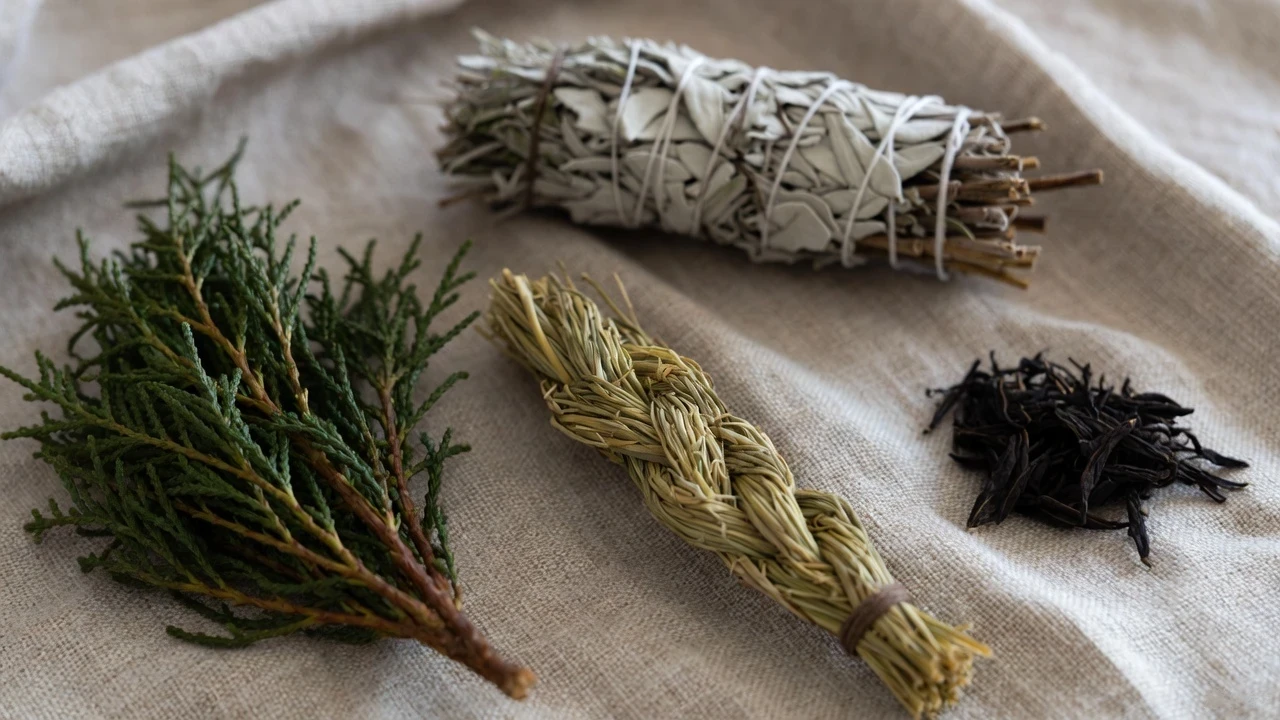

Native American tribes have long revered certain plants as sacred, weaving them into the heart of their spiritual and cultural practices. These herbs hold a special place, as they are deeply rooted in tradition, are more than mere flora; they are powerful symbols of connection to the earth, the divine, and the community. Across various tribes, these herbs are used in ceremonies, healing rituals, and daily life, embodying a profound respect for nature’s gifts.
The Cultural Significance of the Four Sacred Herbs
Native American tribes across North America have long viewed plants as sacred allies. Among the many herbs used, four stand out as particularly significant: sage, sweetgrass, cedar, and tobacco. These are often referred to as the four sacred herbs, though specific plants and their roles can vary slightly between tribes. For example, the Lakota, Ojibwe, and Navajo may emphasize different aspects of these herbs, but their reverence remains universal. Each herb is believed to carry unique spiritual properties, serving as a bridge between the physical and spiritual worlds.
These herbs are integral to ceremonies such as smudging, prayer offerings, and healing rituals. They are seen as gifts from the Creator, entrusted to humanity to promote balance and harmony. Understanding the four sacred herbs requires recognizing their role not just as physical substances but as embodiments of cultural values like respect, gratitude, and interconnectedness.
Sage: The Purifier
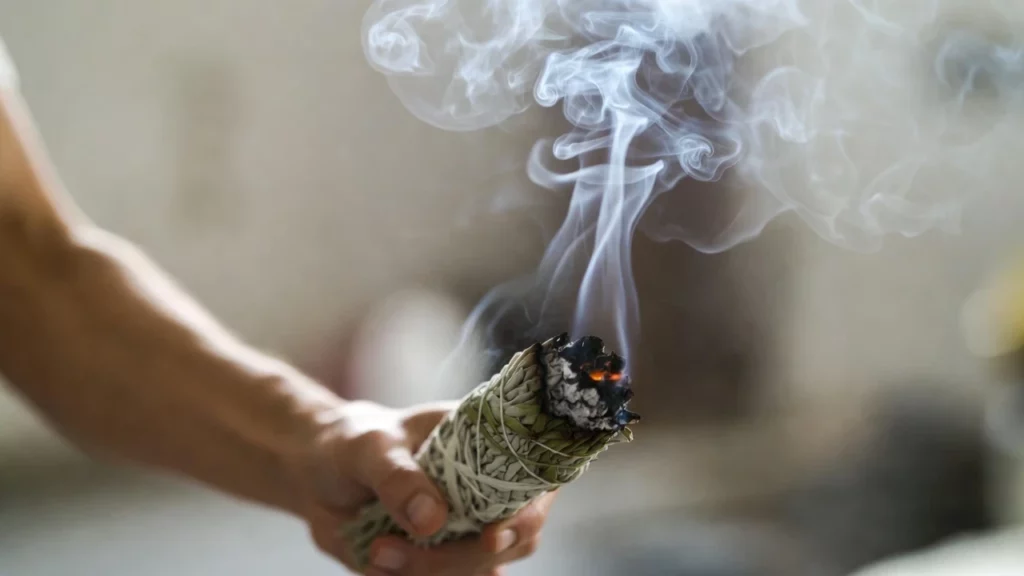
Sage, particularly white sage, is perhaps the most widy recognized of the four sacred herbs. Its silvery-green leaves release a pungent aroma when burned, a scent believed to cleanse spaces, objects, and people of negative energies. In many tribes, sage is used in smudging ceremonies, where its smoke is wafted over individuals or areas to purify and prepare them for sacred work.
For the Navajo, sage is often used to bless homes or ceremonial spaces, ensuring protection from harmful influences. The Lakota incorporate sage into sweat lodge ceremonies, where it helps participants release emotional or spiritual burdens. Beyond its cleansing properties, sage is also valued for its medicinal uses, such as soothing sore throats or aiding digestion, though its spiritual role remains paramount.
The act of burning sage is not merely functional; it is a ritual of intention. Practitioners often offer prayers or express gratitude while smudging, reinforcing their connection to the earth and the divine. This reverence underscores why sage is a cornerstone of Native American spiritual practice.
Sweetgrass: The Inviter of Positive Spirits
Sweetgrass, with its long, fragrant blades, is another of the four sacred herbs cherished for its spiritual potency. Often braided before use, sweetgrass is burned to invite positive energies and spirits into a space. Its sweet, vanilla-like scent contrasts with the sharper aroma of sage, symbolizing a balance between cleansing and welcoming.
Among the Anishinaabe (Ojibwe), sweetgrass is considered a sacred gift that strengthens community bonds. It is often used in ceremonies to honour life’s milestones, such as births or marriages. The braid itself carries symbolism, with its three strands representing mind, body, and spirit, or sometimes love, kindness, and honesty. Burning sweetgrass after sage in a smudging ritual is a common practice, as it fills the purified space with blessings.
Sweetgrass also holds practical significance. Some tribes weave it into baskets or mats, blending utility with spirituality. Its gentle energy makes it a favourite for daily prayers, where its smoke is believed to carry words to the Creator. This herb’s role highlights the Native American emphasis on harmony and positivity in all aspects of life.
Cedar: The Protector
Cedar, often in the form of its fragrant branches or bark, is the third of the four sacred herbs. It is revered for its protective qualities, believed to ward off illness and negative forces. Cedar is frequently used in homes, hung above doorways or burned to create a shield of spiritual safety.
For the Haudenosaunee (Iroquois), cedar is a symbol of strength and endurance, reflecting the resilience of their people. In coastal tribes like the Salish, cedar trees are considered sacred in their entirety, with their wood, bark, and leaves used in everything from canoe-building to spiritual rituals. When burned, cedar’s smoke is said to purify and protect, often used in tandem with sage or sweetgrass.
Cedar’s versatility extends to its practical applications. Infusions of cedar leaves were historically used to treat ailments like colds or joint pain, though these uses were always approached with respect for the plant’s sacred nature. Its presence in ceremonies reinforces the idea of protection not just for individuals but for entire communities, fostering a sense of collective well-being.
Tobacco: The Communicator
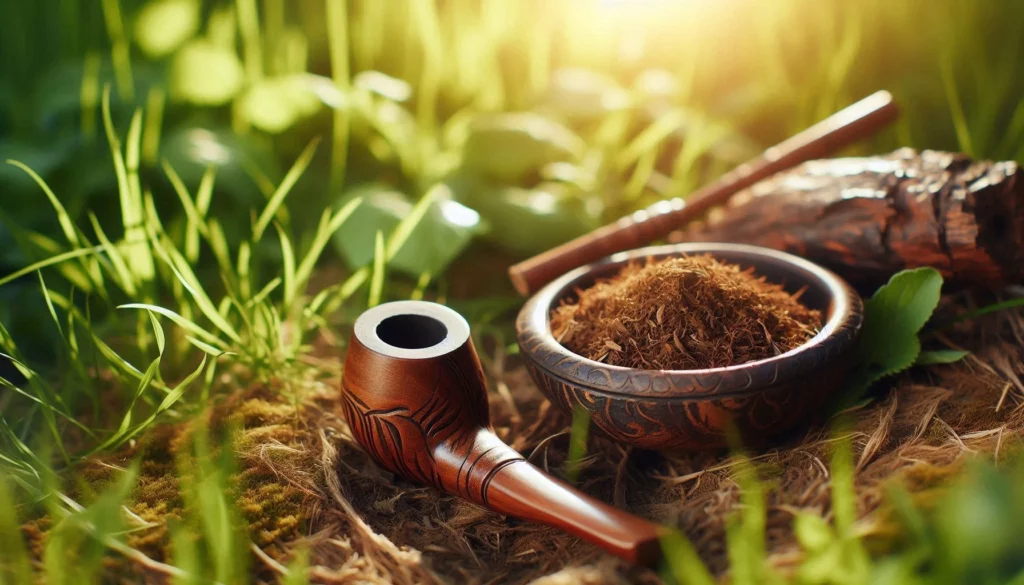
Tobacco, the final of the four sacred herbs, holds a unique place in Native American spirituality. Unlike the commercial tobacco associated with modern smoking, sacred tobacco is typically a pure, unprocessed form of the Nicotiana plant, often Nicotiana rustica. It is used as an offering to the Creator, spirits, or ancestors, serving as a means of communication across realms.
In many tribes, tobacco is sprinkled onto the ground, placed in sacred pipes, or offered during prayers. For the Lakota, the sacred pipe ceremony, or Chanupa, is a profound ritual where tobacco smoke carries prayers to the heavens. The Cherokee might offer tobacco during harvest ceremonies, giving thanks for the earth’s bounty. Its use is always intentional, accompanied by words of gratitude or requests for guidance.
Tobacco’s role emphasizes respect and reciprocity. It is never used casually, and its preparation is often a ritual in itself. This herb reminds practitioners of their responsibility to approach the spiritual world with humility and clarity, reinforcing the interconnectedness of all life.
Regional Variations and Tribal Perspectives
While sage, sweetgrass, cedar, and tobacco are widely recognized as the four sacred herbs, their uses and significance can differ across tribes. These variations reflect the diversity of Native American cultures, each shaped by its unique environment and history.
Tribal Diversity in Herb Practices
The specific roles of the four sacred herbs often depend on a tribe’s cultural and spiritual traditions. For example, the Apache may emphasize sage in purification rituals distinct from those of the Lakota, who integrate it into sweat lodge ceremonies. Similarly, the Cheyenne might blend other local plants with the four sacred herbs, adapting their practices to their spiritual needs. This diversity underscores the richness of Native American traditions, where each tribe’s practices are a unique expression of their relationship with the land and the divine.
Geographic Influences on Herb Selection
Geographic availability also influences which plants are used. Tribes in the Great Plains, for example, have abundant access to sweetgrass, while desert-dwelling tribes like the Hopi may rely more heavily on sage. Coastal tribes, such as the Salish, often incorporate cedar extensively, reflecting the prominence of cedar forests in their region. These environmental factors shape not only the choice of herbs but also the rituals surrounding them, highlighting the deep connection between Native American spirituality and the natural world.
The Role of Oral Traditions
Understanding these variations requires acknowledging the importance of oral traditions. Knowledge about the four sacred herbs is often passed down through stories, songs, and ceremonies, rather than written texts. This oral transmission preserves the herbs’ spiritual significance while allowing each tribe to adapt their practices to their specific needs and beliefs. For instance, a Lakota elder might share stories of tobacco’s sacred role in pipe ceremonies, while a Navajo teacher might emphasize sage’s protective qualities, each narrative enriching the cultural tapestry of their people.
The Spiritual Philosophy Behind the Four Sacred Herbs
The four sacred herbs are more than tools for ritual; they embody a worldview that sees all life as interconnected. Native American spirituality emphasizes balance, respect, and gratitude, and these herbs serve as tangible reminders of those values. When used in ceremony, they create a space where the physical and spiritual worlds meet, creating a sense of unity and purpose.
Each herb’s role, purification, invitation, protection, and communication, complements the others, creating a holistic approach to spiritual practice. This balance reflects the broader Native American philosophy of living in harmony with the earth. The herbs are not exploited but respected, harvested with care, and used with intention. This approach challenges modern consumerist attitudes and offers a model of sustainability and reverence.
The use of the four sacred herbs also underscores the importance of community. Ceremonies involving these plants are often collective, bringing people together to pray, heal, or celebrate. Whether in a sweat lodge, a pipe ceremony, or a simple smudging ritual, the herbs facilitate shared experiences that strengthen cultural identity and spiritual bonds.
Modern Appreciation and Ethical Considerations
Today, the four sacred herbs are gaining wider recognition outside Native American communities, particularly in wellness and spiritual circles. This growing interest reflects a desire to connect with nature and spirituality, but it also raises important ethical questions. The commercialization of these herbs, particularly white sage, has led to overharvesting in some regions and threatens their availability for traditional users. Similarly, the use of sacred practices without cultural understanding risks appropriation and can undermine the herbs’ significance.
To engage with the four sacred herbs respectfully, consider the following guidance rooted in respect and reciprocity:
- Learn the Cultural Context: Understand the spiritual and historical significance of the four sacred herbs by exploring Native American perspectives. This knowledge boosts appreciation and prevents misuse of sacred traditions.
- Source Ethically: Choose sustainably harvested herbs, ideally from Indigenous-led businesses or local growers. For example, growing your own sage or sweetgrass can reduce pressure on wild populations.
- Avoid Commodification: Treat the herbs as sacred, not as trendy wellness products. Use them with intention, honouring the rituals and values they represent.
- Support Indigenous Communities: Engage with Native-led initiatives, such as workshops or businesses, to learn and contribute to the preservation of these traditions.
Education is key to furthering appreciation without exploitation. By understanding the stories, values, and practices behind the four sacred herbs, individuals can honor their significance and respect the cultures that have stewarded them for generations. This approach aligns with the Native American emphasis on reciprocity and ensures that the herbs’ sacredness is preserved for future generations.
Frequently Asked Questions About the Four Sacred Herbs
Q: What are the four sacred herbs used by Native American tribes?
A: The four sacred herbs are sage, sweetgrass, cedar, and tobacco. Each holds a unique spiritual role, such as purification, inviting positive energies, protection, or communication with the divine.
Q: Why are the four sacred herbs considered sacred?
A: These herbs are seen as gifts from the Creator, embodying spiritual properties that connect people to the earth and the divine. Their use in ceremonies reflects values like respect, gratitude, and harmony.
Q: Can non-Native people use the four sacred herbs?
A: Yes, but it’s vital to approach them with respect. Learn their cultural significance, source them ethically, and use them with intention to honour Native American traditions.
Q: How do different tribes use the four sacred herbs?
A: Practices vary by tribe. For example, the Lakota use tobacco in pipe ceremonies, while the Navajo emphasize sage for purification. These differences reflect each tribe’s unique traditions.
Q: Where can I learn more about the four sacred herbs?
A: Seek resources from Native American elders, cultural centers, or Indigenous-led workshops. Oral traditions and community teachings offer the most authentic insights.
Conclusion: A Legacy of Wisdom
The four sacred herbs, sage, sweetgrass, cedar, and tobacco, offer a window into the rich spiritual traditions of Native American tribes. Each herb carries a unique role, from cleansing and protecting to inviting and communicating, yet together they form a cohesive system of balance and reverence. Their use in ceremonies and daily life reflects a deep respect for the earth and a commitment to living in harmony with all creation.
Exploring the four sacred herbs invites us to reflect on our own relationship with nature and spirituality. Their enduring significance reminds us that wisdom lies not in consumption but in connection, gratitude, and respect. As we learn about these sacred plants, we are invited to carry forward their lessons and admiration the legacy of the tribes who have cherished them for centuries.
Disclaimer
The information provided about the four sacred herbs is intended for educational and informational purposes only. It is not intended as medical advice, diagnosis, or treatment. The use of these herbs, whether through burning, ingestion, or other methods, may carry health and safety risks. For example, inhaling smoke from burning herbs can irritate the respiratory system, particularly for individuals with asthma, allergies, or other respiratory conditions.
Some herbs, such as tobacco or cedar, may be toxic if ingested or used improperly, and their preparation or use should be approached with caution. Always consult a qualified healthcare professional before using any herbs for medicinal purposes, especially if you are pregnant, nursing, or have pre-existing medical conditions. Additionally, ensure proper ventilation when burning herbs to avoid fire hazards or exposure to excessive smoke.
Cultural practices involving these herbs should be undertaken with respect and proper guidance from knowledgeable practitioners, preferably within Native American communities, to avoid misappropriation or misuse. The author and publisher are not responsible for any adverse effects or consequences resulting from the use of the information or practices described.