


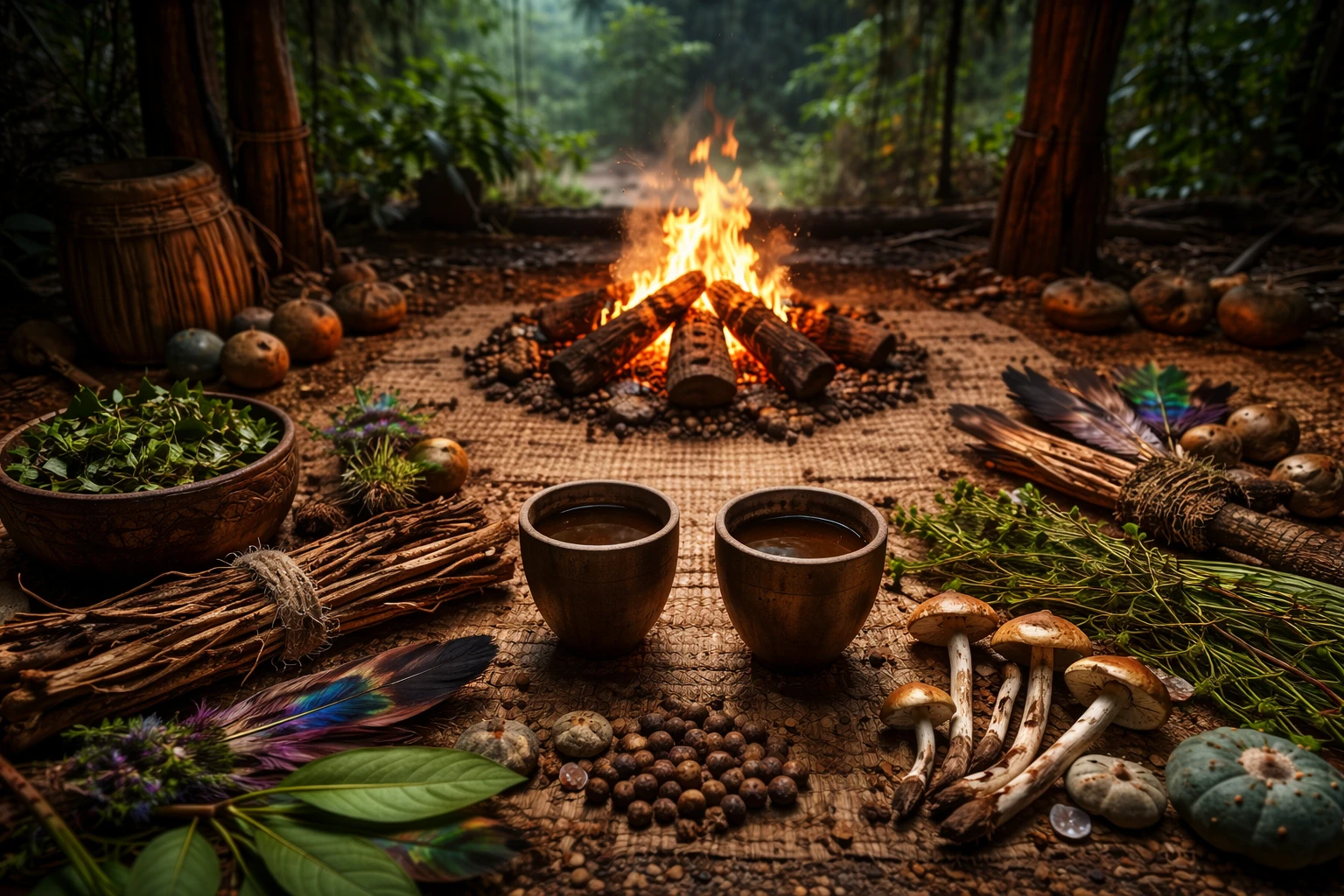

Entheogens represent a unique category of psychoactive substances, primarily derived from plants and fungi, that have been used throughout human history to facilitate spiritual, mystical, and transcendent experiences. The term “entheogen,” coined in 1979 by a group of scholars including R. Gordon Wasson, Carl A.P. Ruck, Jonathan Ott, and others, comes from ancient Greek roots meaning “generating the divine within.” It was introduced as a more respectful and accurate alternative to terms like “hallucinogen,” which carries connotations of delusion, or “psychedelic,” which became associated with 1960s counterculture.
Entheogens emphasize the sacred context in which these substances are traditionally employed, often in ritual or shamanic settings to evoke a sense of communion with the divine or deeper aspects of consciousness. Unlike broader categories of mind-altering substances, entheogens are specifically those used to induce states perceived as spiritually significant. They differ from recreational drugs by their intentional application in cultural or religious practices, where the goal is insight, healing, or connection rather than mere alteration of perception. This distinction highlights how entheogens have played a central role in human spirituality, appearing in diverse traditions worldwide.
Origins of the Term and Its Importance
The concept of entheogens gained modern traction through scholarly efforts to reframe psychoactive plants in a cultural and spiritual light. Prior to the 1970s, substances inducing altered states were often labeled negatively, implying pathology or escapism. The introduction of “entheogen” sought to restore dignity to their role in shamanism and religion, acknowledging that many cultures viewed them as sacred tools for accessing hidden knowledge or divine presence.
This shift in terminology reflects a broader recognition that human engagement with altered consciousness is not a modern invention but a timeless aspect of spiritual exploration. Entheogens, in this view, generate experiences of unity, awe, and revelation that align with mystical traditions across the globe.
Entheogens in Ancient Traditions
One of the most intriguing examples comes from ancient Greece, where the Eleusinian Mysteries, a secretive initiation rite lasting nearly two millennia, involved a beverage called kykeon. Scholars like Wasson, Ruck, and Albert Hofmann proposed that this potion contained ergot, a fungus with psychoactive properties similar to LSD, which Hofmann himself discovered. Participants reported profound visions of death and rebirth, tied to the myths of Demeter and Persephone. These experiences were said to transform initiates’ views on life and mortality, offering a glimpse of immortality.
In the Vedic traditions of ancient India, the mysterious substance known as soma was praised in hymns as a divine elixir granting immortality and poetic inspiration. While its exact identity remains debated, some evidence points to it being a psychoactive plant or fungus, used in rituals to invoke heightened awareness and connection to the gods.
Across Mesoamerica, psilocybin-containing mushrooms, referred to by the Aztecs as teonanácatl or “flesh of the gods,” were central to divination and healing ceremonies. Archaeological and ethnographic records show their use among the Maya and Aztecs for communing with deities and gaining prophetic insights.
Indigenous Uses Around the World
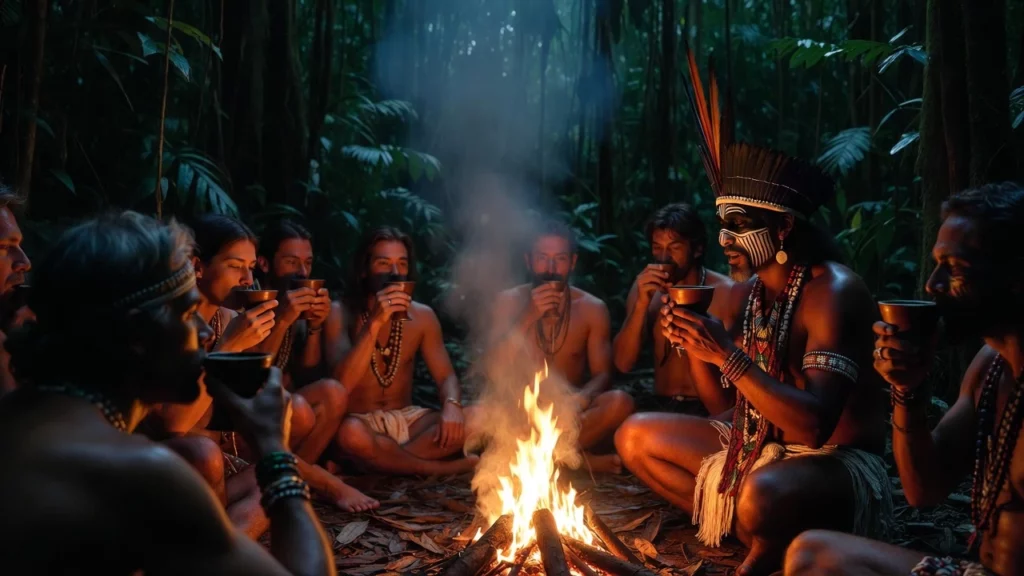
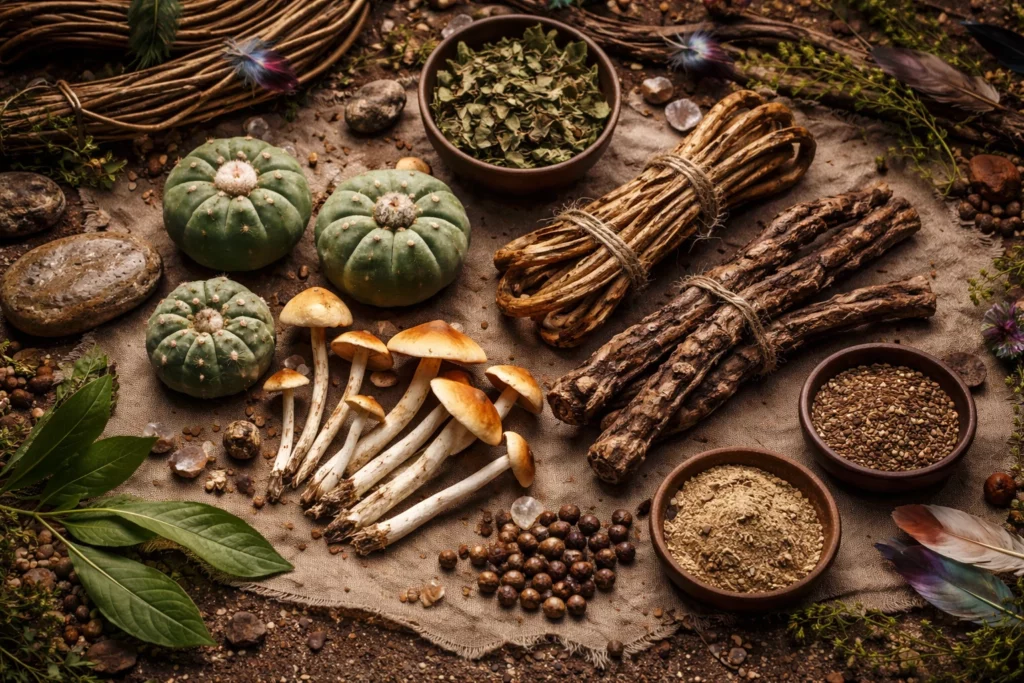
In the Amazon basin, ayahuasca, a brew typically made from the Banisteriopsis caapi vine and Psychotria viridis leaves, has been employed by indigenous groups for thousands of years. Shamans use it to diagnose illnesses, communicate with plant spirits, and guide community healing. The experience often involves vivid visions interpreted as journeys into spiritual dimensions.
Peyote, a small cactus containing mescaline, holds a sacred place among many North American indigenous peoples, particularly in the traditions that evolved into the Native American Church. Consumed in all-night ceremonies, it facilitates prayer, vision quests, and communal bonding, with participants describing encounters with ancestral spirits.
In Africa, the Bwiti tradition of Gabon incorporates iboga, a root bark rich in ibogaine, for initiation rites that involve intense introspection and visions believed to reveal one’s life purpose and ancestral lineage. Salvia divinorum, used by Mazatec healers in Mexico, provides brief but powerful dissociative states, often for divinatory purposes. Known as “ska pastora” or shepherdess’s herb, it is chewed or smoked to access guidance from spiritual entities.
Even substances like tobacco and cannabis have served entheogenic roles in various contexts. In some indigenous American traditions, tobacco is a powerful mediator with the spirit world, while cannabis appears in ancient Scythian rituals and certain Hindu practices associated with Shiva.
Shamanism and the Role of Entheogens
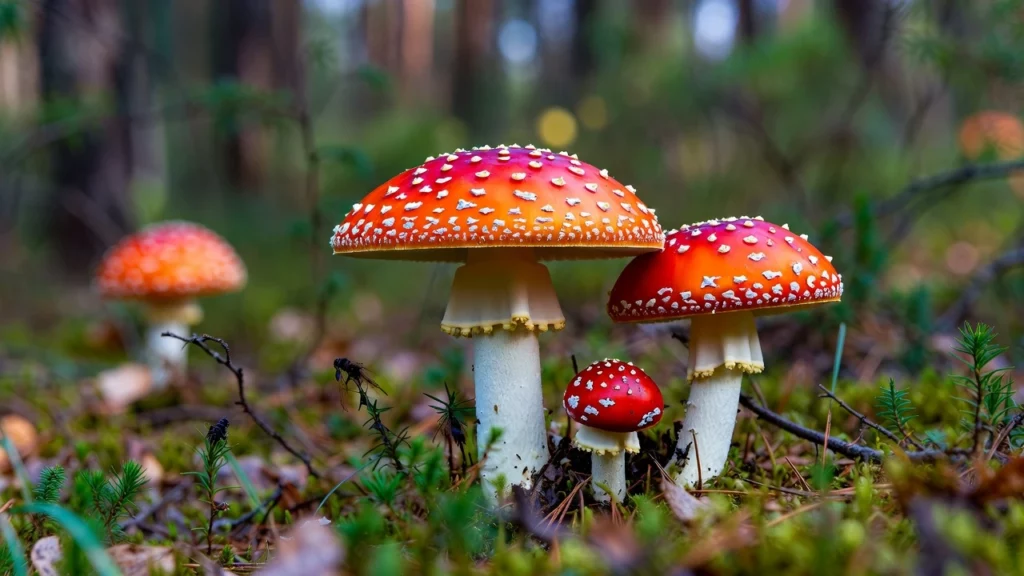
Shamanism, one of the oldest spiritual practices, frequently incorporates entheogens as tools for the shaman to enter trance states. These practitioners act as intermediaries between the human and spirit worlds, using altered consciousness for healing, guidance, and maintaining cosmic balance. The Siberian origins of the word “shaman” are linked to the use of Amanita muscaria, the fly agaric mushroom, which induces vivid dream-like visions.
In many cultures, entheogens are seen as “plant teachers” that impart wisdom directly. The shaman’s journey often involves navigating challenging visions to retrieve knowledge or soul fragments for healing others. This underscores the communal rather than individual nature of these experiences in traditional settings.
Distinctions from Other Psychoactives
Entheogens stand apart from general psychedelics or hallucinogens by their contextual use. While a substance like LSD can produce similar effects, its synthetic nature and modern recreational associations differentiate it from plant-based entheogens rooted in ritual. The emphasis on set, setting, and intention in traditional use highlights how entheogens create meaningful spiritual encounters rather than random alterations.
Modern Perspectives and Revival
In the 20th century, figures like Wasson brought attention to indigenous mushroom ceremonies in Mexico, sparking renewed interest in entheogens. His work, along with collaborations on the Eleusinian Mysteries, helped revive scholarly and public discourse on their historical significance. Today, entheogens continue in syncretic religions like Santo Daime and União do Vegetal, which incorporate ayahuasca into Christian-influenced ceremonies. There is also growing appreciation for their role in personal spiritual exploration outside formal religion.
The experiences induced by entheogens often include ego dissolution, feelings of interconnectedness, and profound insights into existence. Participants across cultures describe encounters with archetypal entities, luminous realms, or a sense of universal oneness. These align with mystical reports from non-drug practices like meditation, suggesting entheogens tap into innate human capacities for transcendence.
Cultural Variations and Common Themes
Despite geographical differences, common threads emerge: preparation through fasting or purification, guidance by experienced facilitators, and integration of visions into daily life. In Polynesia, kava serves a milder entheogenic function in social and ceremonial bonding. In Andean traditions, San Pedro cactus ceremonies focus on heart-opening and connection to nature. These variations illustrate how entheogens adapt to cultural needs while serving similar purposes of healing and revelation.
Contemporary Relevance
In today’s world, entheogens prompt questions about consciousness and religion’s origins. They remind us that spirituality often arises from direct experience, not dogma alone. Respectful engagement with entheogens honours millennia of human ingenuity in partnering with nature for inner exploration. The story of entheogens is one of continuity from ancient fireside rituals to modern reflections. They continue to illuminate paths toward understanding the profound mysteries of existence.
Entheogens and the Enduring Role in Human Spirituality
While many entheogenic traditions faced periods of intense suppression through colonial expansion, missionary efforts, and modern legal restrictions, they have demonstrated remarkable resilience and continuity. Rather than vanishing, these practices have adapted, evolved, and in some cases expanded through syncretic forms that blend indigenous roots with other spiritual influences, ensuring their survival into the present day.
Resilience Amid Historical Suppression
Entheogenic traditions often endured significant challenges. Colonial authorities frequently viewed these practices as threats to imposed religious or social orders, leading to prohibitions, forced conversions, and cultural erasure. Later, 20th-century drug laws in many countries further restricted access to sacred plants. Yet these measures did not eradicate the traditions. Instead, communities preserved knowledge through oral transmission, discreet ceremonies, and careful stewardship of plant sources, allowing the practices to persist underground or in remote areas until conditions permitted more open expression.
Syncretic Religions and Ayahuasca in South America
In South America, ayahuasca-centered traditions provide a clear example of adaptation and endurance. Originating in indigenous Amazonian shamanism, the brew became central to syncretic religions that emerged in Brazil during the mid-20th century. Groups such as Santo Daime, founded in the 1930s, and União do Vegetal, established in the 1960s, incorporated ayahuasca into structured ceremonies that combine elements of Folk Catholicism, Spiritism, African animism, and native vegetalismo.
These religions emphasize moral teachings, communal singing, and disciplined ritual formats, allowing ayahuasca to serve as a sacrament for spiritual insight and ethical living. Both have grown beyond Brazil, establishing communities in Europe, North America, and elsewhere, where they maintain their sacred focus amid diverse cultural settings.
Legal recognitions in Brazil since the 1980s, and court victories affirming religious use in other countries, including the U.S. Supreme Court’s unanimous ruling in 2006 for União do Vegetal under the Religious Freedom Restoration Act, have supported this continuity, allowing these groups to operate peacefully and expand while respecting local laws.
The Native American Church and Peyote Continuity
Similarly, in North America, the Native American Church has sustained peyote use as a cornerstone of its ceremonies for over a century. Formed in the late 19th century amid cultural disruptions, the church developed all-night prayer meetings that unite participants from various tribes in communal healing, vision-seeking, and connection to ancestral ways.
Peyote facilitates encounters with spiritual guidance, reinforcing values of humility, responsibility, and harmony with creation. Despite ongoing challenges, including habitat loss in Texas due to development, over-harvesting, and environmental pressures, the church continues its practices through advocacy for land protection, sustainable harvesting, and efforts to preserve wild populations. These efforts reflect a commitment to safeguarding not just the plant but the entire ceremonial framework that has endured through generations.
Broader Patterns and Implications for Spirituality
Such adaptations illustrate broader patterns in entheogenic traditions worldwide. Facing external forces, practitioners have woven new threads into ancient fabrics, creating living expressions of spirituality that respond to changing times without losing core intent. Anthropologists and historians of religion note that these syncretic forms often arise where indigenous knowledge meets other belief systems, resulting in resilient structures that transmit wisdom across eras.
This endurance underscores entheogens’ place in the evolution of human spirituality. Across cultures, they have long served as catalysts for direct encounters with the sacred, experiences that shape myths, ethics, and communal bonds. In their modern continuations, whether through structured religious ceremonies or revitalized indigenous protocols, entheogens continue to reflect humanity’s persistent quest for transcendence, interconnectedness, and meaning. They remind us that spiritual traditions are not static relics but dynamic pathways that adapt while honoring their origins, offering enduring lessons about the depth and unity possible in human consciousness.
Broader Implications for Human Experience
Entheogens highlight the interplay between biology and spirituality. Their effects on perception reveal how thin the veil between ordinary and extraordinary can be. In many traditions, they are not ends in themselves but catalysts for deeper ethical living and community cohesion. As knowledge of entheogens spreads, so does recognition of their potential to foster empathy and ecological awareness. Visions often emphasize interconnectedness with nature, reinforcing stewardship roles in indigenous worldviews.
Frequently Asked Questions
Q: What exactly does the word “entheogen” mean?
A: The term “entheogen” is derived from ancient Greek and translates to “generating the divine within.” It refers to plant-based or fungal substances used in sacred, ritualistic contexts to facilitate spiritual or mystical experiences, distinguishing them from recreational or medical uses of similar compounds.
Q: How is an entheogen different from a psychedelic or hallucinogen?
A: While the effects may overlap, the key difference lies in context and intent. Entheogens are defined by their traditional use in religious, shamanic, or ceremonial settings to evoke a sense of the sacred or divine. Terms like “psychedelic” often carry modern cultural associations with the 1960s counterculture, and “hallucinogen” can imply delusion or pathology, whereas “entheogen” emphasizes respectful, spiritually oriented applications.
Q: Are entheogens only plants, or can they include other substances?
A: The term primarily applies to naturally occurring psychoactive plants and fungi used in traditional sacred contexts. While synthetic compounds can produce similar effects, entheogens are typically understood as plant-derived or fungal substances with deep historical and cultural significance in spiritual practices.
Q: Were entheogens used in every culture throughout history?
A: Not every culture, but evidence of entheogenic use appears across many continents and time periods, from ancient Greece and India to the Americas, Africa, Siberia, and parts of Polynesia. Their presence reflects a widespread human tendency to seek transcendent experiences through plant allies in ritual settings.
Q: Is the use of entheogens still practiced today?
A: Yes, many traditions continue in adapted forms. Indigenous groups maintain ancestral practices, while syncretic religions such as Santo Daime, União do Vegetal, and the Native American Church incorporate entheogens into structured, legally recognized ceremonies. These living traditions demonstrate ongoing cultural continuity.
Q: Why do some people view entheogens as important for understanding spirituality?
A: Entheogens have historically provided direct, profound encounters with what participants describe as the sacred or divine. Scholars in anthropology and religious studies suggest these experiences may have influenced the development of myths, rituals, ethics, and even the origins of religious thought by offering vivid insights into interconnectedness, mortality, and the nature of consciousness.
Q: Can anyone use entheogens for spiritual purposes?
A: Traditional and contemporary entheogenic practices almost always occur within specific cultural, communal, or religious frameworks, often with experienced guides and strict protocols. Respectful engagement requires understanding and honoring the originating traditions rather than approaching these substances casually or in isolation.
Integration and Lasting Impact
Post-experience integration is key in traditional uses, where visions inform art, mythology, and social norms. This ensures experiences translate into wisdom rather than fleeting sensations. Entheogens have inspired countless myths: the Greek ambrosia, Norse mead of poetry, or Amazonian tales of plant spirits. They weave into the fabric of cultural narratives.
Ultimately, entheogens invite contemplation of consciousness itself. They challenge materialist views by providing glimpses of non-ordinary reality, often leading to lasting shifts in perspective. Whether through the intense visions of iboga or the gentle revelations of certain mushrooms, these substances have facilitated humanity’s quest for meaning.
Disclaimer
The information presented in this blog is provided for educational and informational purposes only and is not intended as medical, therapeutic, or legal advice. Entheogens are powerful psychoactive compounds that can induce profound alterations in consciousness, perception, and emotional states. While they have been used safely in traditional ritual contexts for millennia under experienced guidance, their use carries significant health and safety risks, particularly in unsupervised, recreational, or non-traditional settings.
Physically, entheogens may cause acute effects such as nausea, vomiting, diarrhea, increased heart rate and blood pressure, headaches, dizziness, or changes in body temperature. Certain substances pose heightened cardiovascular risks, including QT interval prolongation, arrhythmias, bradycardia, or potentially fatal cardiac events, especially in individuals with pre-existing heart, liver, or kidney conditions. Long-term physical effects are not fully understood due to limited research, and overuse or improper sourcing may lead to additional complications.
Entheogens are not suitable for everyone and are contraindicated in many cases, including pregnancy, breastfeeding, certain medical conditions, or concurrent use of interacting medications. Their legal status varies widely by jurisdiction; many are classified as controlled substances, and unauthorized use, possession, or distribution may result in legal consequences.
Anyone considering entheogen use, for spiritual, therapeutic, or any other purpose, should consult qualified healthcare professionals, undergo thorough medical and psychiatric screening, and only engage in such experiences under the supervision of trained, experienced facilitators in a safe, supportive environment with proper preparation, harm reduction measures, and post-experience integration support.
The author and publisher of this content disclaim any liability for any loss, damage, injury, or adverse consequence, whether direct or indirect, that may arise from the use of, reliance on, or misinterpretation of the information provided herein; readers assume full responsibility for their own decisions and actions regarding these substances.