


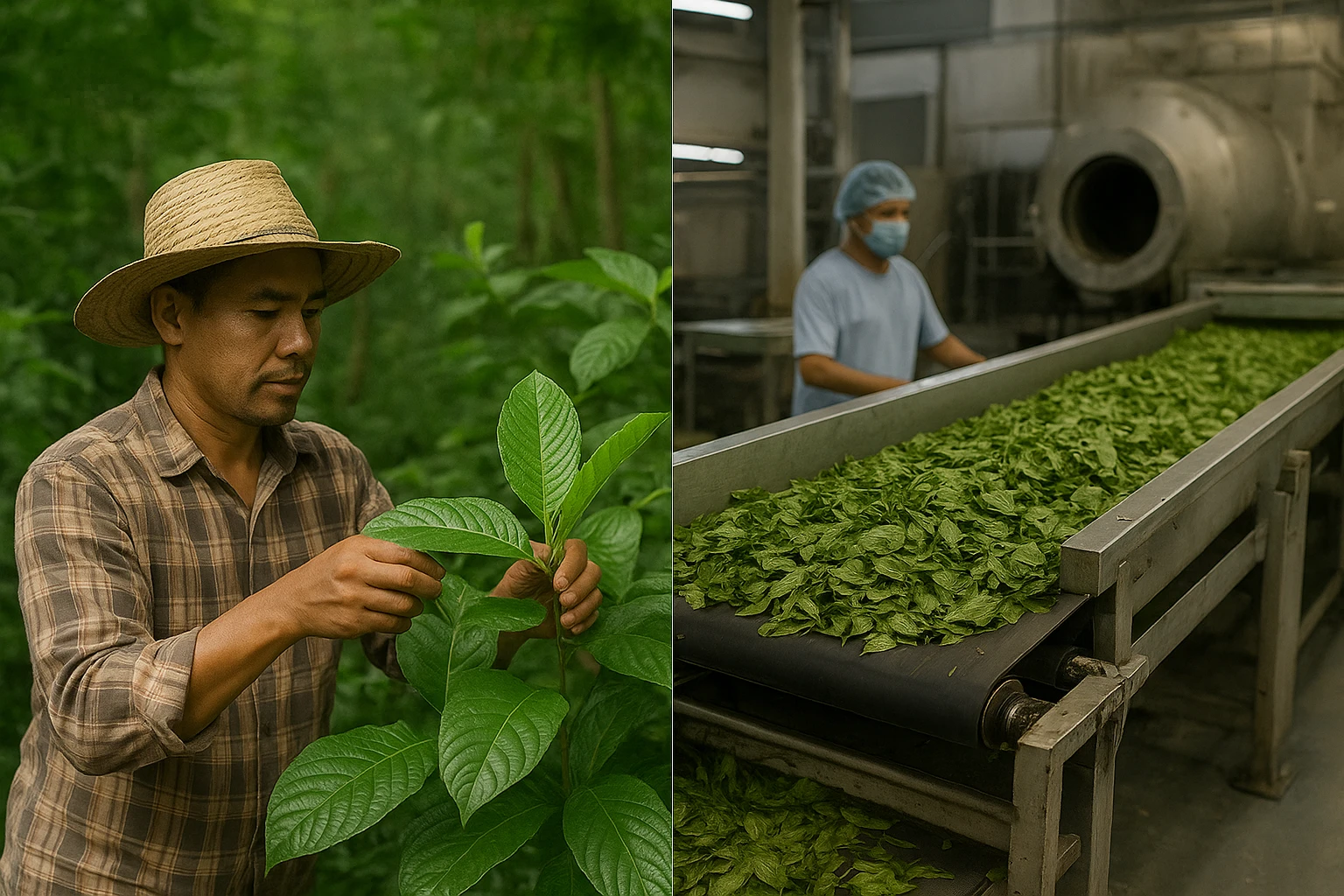

The economics of small-batch kratom versus mass-market production reveal a fascinating interplay of quality, cost, and consumer preference. Kratom has surged in popularity as a natural botanical. Its rise has sparked diverse production methods, each with distinct economic implications. Small-batch kratom, crafted with artisanal precision, stands in contrast to the high-volume, mechanized processes of mass-market production. Understanding these differences offers insight into why some consumers gravitate toward boutique vendors while others opt for widely available, budget-friendly options.
The Foundations of Small-Batch Kratom Production
Small-batch kratom production is rooted in craftsmanship. Producers often work in limited quantities, prioritizing quality over volume. This approach begins with the careful selection of leaves, typically harvested from mature trees in regions like Indonesia, Malaysia, or Thailand. Farmers handpick leaves at peak alkaloid content, ensuring potency and consistency. The process is labour-intensive, relying on skilled workers who understand the plant’s nuances.
Drying and processing in small batches are equally meticulous. Leaves are often shade-dried or processed in controlled environments to preserve their natural properties. Grinding is done with precision to maintain texture and quality. This hands-on approach allows producers to monitor every step, reducing the risk of contamination and ensuring a premium product.
The economic implications of this method are significant. Small-batch production requires higher labour costs due to the time and expertise involved. Farmers and artisans command wages that reflect their skill, and the limited scale means fewer economies of scale. Equipment costs, while lower than industrial setups, still add up for specialized drying or grinding tools. Additionally, small-batch producers often invest in sustainable practices, such as ethical sourcing or fair-trade partnerships with local farmers, which further elevate costs.
Yet, these expenses translate into a higher price point that appeals to discerning consumers. Small-batch kratom often commands premium prices due to its perceived quality and exclusivity. For producers, the challenge lies in balancing these costs with market demand, as their output is inherently limited. This creates a niche market where trust and reputation are paramount.
Mass-Market Kratom: The Power of Scale
In contrast, mass-market kratom production leverages scale to drive down costs and maximize output. Large-scale operations often source leaves from multiple farms, sometimes across different countries, to ensure a steady supply. Harvesting is typically mechanized, with machines stripping leaves quickly to meet high demand. This reduces labour costs but can compromise leaf quality, as less attention is paid to individual plant maturity.
Processing in mass-market production relies on industrial facilities. Leaves are dried in large batches, often using high-heat methods to expedite the process. Grinding and packaging are automated, allowing for rapid production and distribution. These efficiencies enable mass-market producers to offer kratom at lower prices, making it accessible to a broader audience.
Economically, mass-market production benefits from economies of scale. Bulk purchasing of raw materials reduces per-unit costs, and automation minimizes labour expenses. Large producers can negotiate favourable contracts with suppliers and distributors, further driving down costs. However, this approach often sacrifices quality control. Variations in leaf quality, potential contamination, and inconsistent alkaloid profiles can occur when prioritizing volume over precision.
Mass-market kratom appeals to price-sensitive consumers and retailers looking to stock affordable products. However, the lower price point often comes with trade-offs, including reduced potency or less transparency about sourcing. For producers, the focus is on capturing market share through volume, which can lead to fierce competition and thinner profit margins.

Cost Structures: A Comparative Analysis
The cost structures of small-batch and mass-market kratom production highlight their divergent priorities. For small-batch producers, labour is the primary expense. Skilled farmers, harvesters, and processors require fair compensation, and the time-intensive nature of artisanal methods adds to payroll costs. Sourcing high-quality leaves from specific regions or farms also increases expenses, as does investing in sustainable practices like organic farming or fair-trade agreements.
Equipment costs for small-batch operations are modest but targeted. Producers may use specialized drying racks or small-scale grinders designed for precision. Packaging, often done by hand, requires materials that reflect the premium nature of the product, such as resealable pouches or eco-friendly containers. Marketing expenses are also significant, as small-batch producers rely on building a loyal customer base through education, transparency, and storytelling.
Mass-market producers, on the other hand, face higher upfront costs for industrial equipment. Automated drying systems, large-scale grinders, and packaging lines require substantial investment. However, these costs are offset by the ability to produce large volumes quickly. Raw material costs are lower due to bulk purchasing, but quality control measures, if implemented, can add expenses. Many mass-market producers skimp on testing or certifications to keep costs down, which can lead to issues with product consistency.
Distribution costs also differ. Small-batch producers often sell directly to consumers through online platforms or specialty retailers, incurring shipping and e-commerce fees. Mass-market producers supply large retailers, wholesalers, or even gas stations, benefiting from established distribution networks but facing pressure to keep prices low. These dynamics shape the profitability of each approach, with small-batch producers aiming for higher margins on lower volumes and mass-market producers banking on high sales to offset slim margins.
Quality and Consumer Perception
Quality is a defining factor in the economics of kratom production. Small-batch kratom is often marketed as a premium product, with producers emphasizing handpicked leaves, traditional methods, and rigorous quality control. This appeals to consumers who value potency, purity, and ethical sourcing. The artisanal approach allows producers to experiment with unique strains or blends, catering to niche preferences and fostering brand loyalty.
Mass-market kratom, while more affordable, often faces skepticism about quality. The use of mechanized harvesting and processing can lead to inconsistent alkaloid content or contamination risks. Some mass-market products have been found to contain additives or lower-quality leaves, which can erode consumer trust. However, reputable mass-market producers invest in testing and certifications to counter these concerns, though this increases costs and narrows their price advantage.
Consumer perception plays a critical role in pricing and demand. Small-batch kratom’s higher price is justified by its perceived superiority, much like craft beer or artisanal coffee. Consumers willing to pay a premium often seek transparency, such as detailed sourcing information or lab results. Mass-market kratom, conversely, targets budget-conscious buyers who prioritize affordability over exclusivity. The trade-off is that mass-market products may struggle to build the same level of trust or loyalty.
Sustainability and Ethical Considerations
Sustainability is another key economic factor. Small-batch kratom producers often prioritize eco-friendly practices, such as working with farmers who avoid deforestation or use organic methods. These practices increase costs but resonate with environmentally conscious consumers. Fair-trade partnerships, which ensure farmers receive equitable pay, further elevate expenses but enhance brand reputation.
Mass-market production, by contrast, often prioritizes efficiency over sustainability. Large-scale harvesting can strain local ecosystems, especially if farmers clear land to meet demand. While some mass-market producers adopt sustainable practices, many focus on cost-cutting, which can lead to environmental degradation or exploitation of local labour. Consumers increasingly demand transparency, forcing even large producers to address these concerns to maintain market share.
The economic impact of sustainability is twofold. For small-batch producers, it’s a selling point that justifies higher prices but requires investment in ethical sourcing. For mass-market producers, adopting sustainable practices can increase costs, potentially reducing their competitive edge. However, as consumer awareness grows, sustainability is becoming a necessity rather than a luxury, influencing long-term profitability for both.

The Role of Technology and Innovation
Technology plays a pivotal role in shaping the economics of kratom production. Small-batch producers use technology selectively, often focusing on tools that enhance quality control, such as lab testing for alkaloid content or contamination. Some invest in e-commerce platforms to reach consumers directly, leveraging digital marketing to build brand awareness. These investments, while costly, are essential for competing in a crowded market.
Mass-market producers rely heavily on automation to reduce costs. Advanced drying systems, automated grinders, and packaging lines enable high-volume production with minimal labour. However, innovation in mass-market production often focuses on efficiency rather than quality, which can lead to consumer skepticism. Some large producers are beginning to adopt technologies like blockchain to trace sourcing or advanced testing to ensure purity, but these come with significant costs.
The economic trade-off is clear: small-batch producers invest in technology to enhance quality and trust, while mass-market producers use it to drive efficiency. Both approaches require careful budgeting to balance innovation with profitability.
Consumer Education and Market Growth
Consumer education is a critical factor in the economics of kratom. Small-batch producers often invest heavily in educating their customers, offering detailed information about strains, sourcing, and usage. This builds trust and justifies higher prices but requires resources for content creation, such as blogs, videos, or social media campaigns. These efforts can lead to a loyal customer base, driving repeat purchases and word-of-mouth referrals.
Mass-market producers may also engage in education but often focus on accessibility rather than depth. Their marketing emphasizes affordability and availability, targeting a broader audience. However, without robust education, they risk alienating consumers who seek transparency or are wary of low-cost products. As the kratom market grows, both segments must invest in education to maintain consumer confidence and drive demand.
The global kratom market is projected to grow significantly, driven by increasing interest in natural wellness products. Small-batch producers can capitalize on this by positioning themselves as premium, trustworthy brands. Mass-market producers, meanwhile, must balance affordability with quality to capture a larger share of this expanding market. The economic challenge lies in aligning education efforts with production costs and consumer expectations.

Frequently Asked Questions
Q: What is the main difference between small-batch and mass-market kratom?
A: Small-batch kratom focuses on quality, using artisanal methods like handpicked leaves and controlled processing, resulting in higher costs and prices. Mass-market kratom prioritizes volume, using mechanized harvesting and automated processing to offer lower prices, often with less attention to quality.
Q: Why does small-batch kratom cost more than mass-market kratom?
A: Small-batch kratom incurs higher labour costs due to skilled, hands-on work and sustainable sourcing practices. Limited production scale also means fewer cost savings, leading to premium pricing for higher quality.
Q: How does production scale affect kratom quality?
A: Small-scale production allows meticulous quality control, ensuring potent, consistent products. Large-scale production may compromise quality due to mechanized processes and less selective sourcing, though reputable producers mitigate this with testing.
Q: Are sustainable practices common in kratom production?
A: Small-batch producers often prioritize sustainability, like organic farming or fair-trade partnerships. Mass-market producers may adopt sustainable practices, but cost-cutting priorities can lead to less eco-friendly methods.
Q: How do regulations impact SMALL-BATCH and mass-market kratom producers?
A: Regulations challenge both, but small-batch producers, with their focus on transparency and quality, may adapt more easily to strict standards. Mass-market producers prioritizing low costs may face issues meeting regulatory requirements.
Q: Can small-batch kratom compete with mass-market brands in the long term?
A: Yes, by targeting niche markets valuing quality and ethics, small-batch kratom can thrive. However, they must balance costs and scale to compete with the broader reach and lower prices of mass-market brands.
Conclusion
The economics of small-batch kratom versus mass-market production reveal a tale of two philosophies. Small-batch producers prioritize quality, craftsmanship, and sustainability, commanding higher prices for a niche market. Mass-market producers leverage scale and efficiency to offer affordable products, capturing a broader audience but facing challenges in quality control and consumer trust. Both approaches have unique strengths and challenges, shaped by costs, market dynamics, and consumer preferences.
For consumers, the choice between small-batch and mass-market kratom comes down to priorities: quality and exclusivity versus affordability and accessibility. For producers, the decision to pursue one path over the other involves navigating trade-offs between cost, scale, and reputation. As the kratom industry evolves, understanding these economic dynamics will be key to making informed choices.
Disclaimer
The information provided in this blog is intended for educational and informational purposes only and should not be construed as medical advice, diagnosis, or treatment. Kratom (Mitragyna speciosa) is a botanical product that has not been approved by Health Canada or other regulatory bodies for any medical use. Consumers should exercise caution, as kratom may pose health risks, including potential side effects such as nausea, dizziness, dependency, or interactions with medications.
The safety and efficacy of kratom have not been fully studied, and its use may be subject to legal restrictions in certain regions. Individuals considering kratom should consult a qualified healthcare professional to discuss potential risks, benefits, and appropriateness for their specific health conditions. Neither the author nor publisher assumes responsibility for any adverse effects resulting from the use of kratom or decisions made based on this content. Always verify the legality, quality, and sourcing of kratom products before purchase or consumption, and prioritize informed decision-making to ensure personal safety and well-being.