


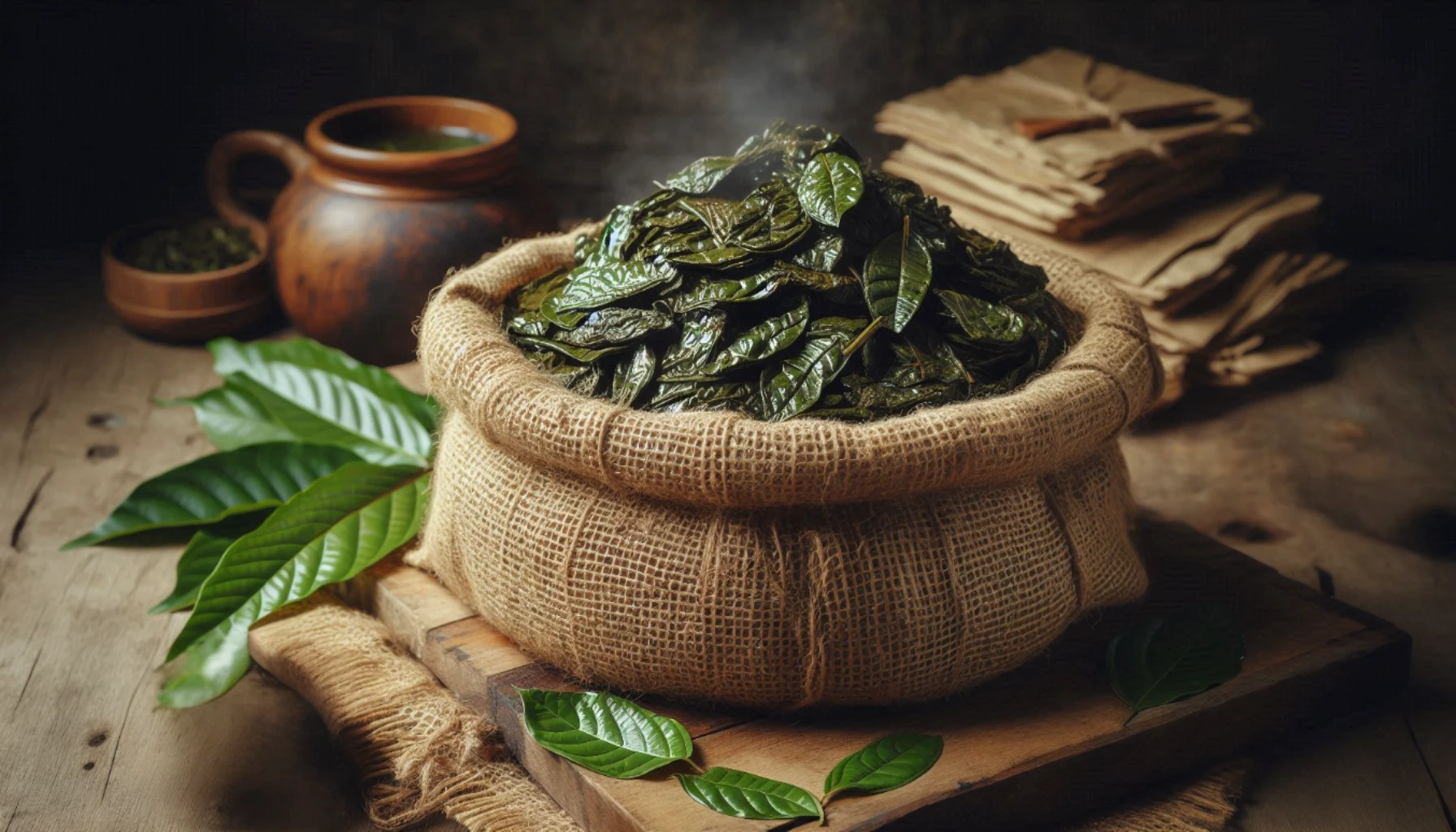

Drying kratom leaves is a critical step in preparing this plant for use, directly influencing its chemical makeup and effects. The process transforms fresh, green leaves into the powdered form many recognize, but not all drying methods produce the same results. Each technique, from sun-drying to indoor drying, affects the alkaloid profiles, the compounds responsible for kratom’s unique properties. Understanding these methods offers insight into why different kratom products vary in their characteristics, helping users make informed choices about what suits their needs.
These compounds are sensitive to environmental factors during drying, such as light, temperature, and humidity. By exploring the science behind drying techniques, we can better appreciate how these factors shape the final product.
The Role of Alkaloids in Kratom
Before embarking onto drying methods, it’s worth understanding why alkaloids matter. Alkaloids are naturally occurring compounds in kratom leaves that interact with the body. Mitragynine, the most abundant alkaloid, and 7-hydroxymitragynine, present in smaller amounts, are the primary drivers of kratom’s effects. Other alkaloids, like speciogynine and paynantheine, also play roles, though their contributions are less studied. The balance and concentration of these compounds determine the characteristics of a kratom batch, which can vary significantly based on how the leaves are processed after harvest.
Drying kratom leaves is not just about removing moisture; it’s about preserving or altering these alkaloids. Factors like heat, light exposure, and air circulation can degrade or transform these compounds, leading to differences in the final product. Let’s explore the main drying methods and how they influence these chemical profiles.
Sun-Drying: Harnessing Nature’s Elements
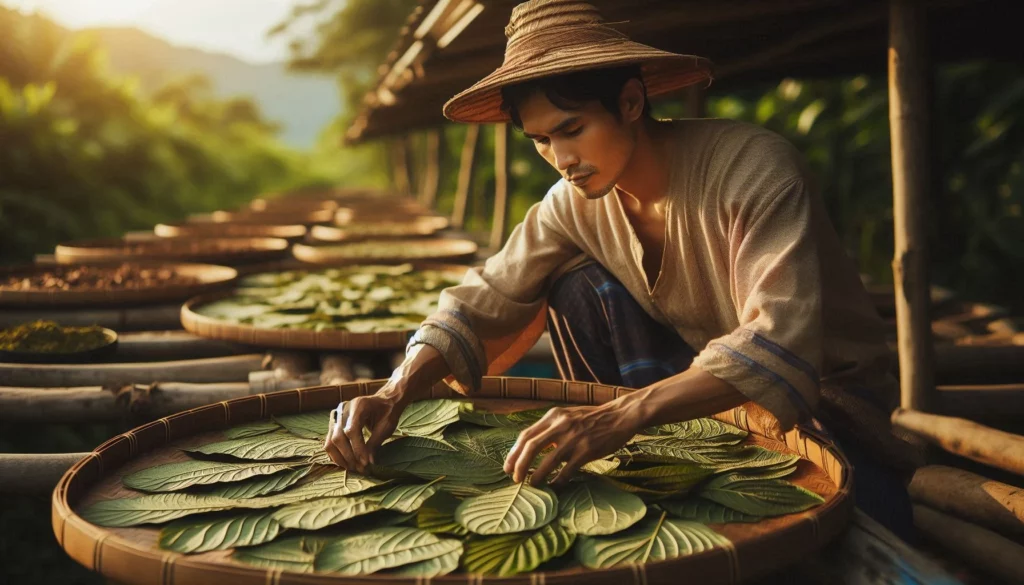
Sun-drying is one of the oldest and most traditional methods for drying kratom leaves. After harvesting, leaves are spread out under direct sunlight, typically on mats or racks, to dry naturally over several days. This method relies on the sun’s heat and ultraviolet (UV) rays to evaporate moisture, but it also exposes leaves to environmental variables like temperature fluctuations and humidity.
The process begins with freshly picked leaves, which are cleaned to remove dirt or debris. They are then laid out in a single layer to ensure even drying. In regions like Indonesia or Thailand, where kratom is commonly grown, the tropical climate provides ample sunlight, but weather conditions can be unpredictable. Rain or high humidity can slow drying, potentially leading to mold growth if not carefully monitored.
Sun-drying impacts alkaloid profiles in unique ways. The exposure to UV light can cause photochemical reactions, particularly affecting mitragynine. Prolonged sunlight exposure may reduce mitragynine levels while increasing the presence of oxidative byproducts, which can alter the leaf’s properties. This is partly due to oxidation processes that occur under sunlight, which can enhance certain secondary alkaloids.
However, sun-drying has its challenges. Inconsistent weather can lead to uneven drying, and excessive heat may degrade heat-sensitive alkaloids. Farmers must carefully monitor the process, turning leaves to prevent scorching and ensuring they dry thoroughly to avoid spoilage. Despite these challenges, sun-drying remains popular for its simplicity and low cost, particularly among small-scale farmers.
Indoor Drying: Precision and Control
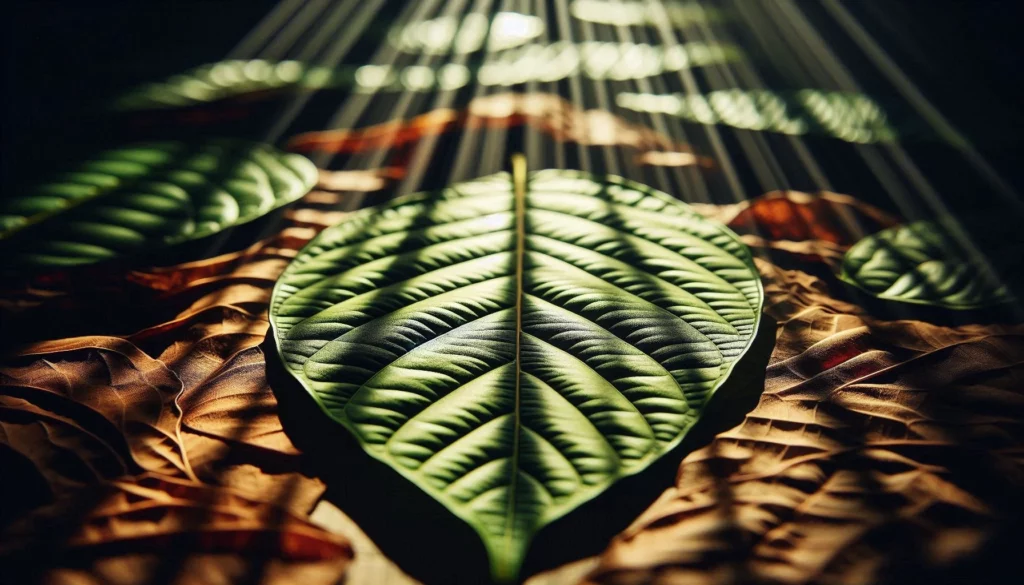
Indoor drying offers a more controlled alternative to sun-drying, allowing producers to manage environmental factors like temperature, humidity, and light exposure. This method typically involves placing kratom leaves in a well-ventilated room or a specialized drying facility. Fans, dehumidifiers, or heaters may be used to regulate conditions, ensuring consistent results.
The process starts similarly to sun-drying, with leaves cleaned and spread out on racks or trays. The key difference is the absence of direct sunlight. Instead, leaves dry in shaded or dark conditions, which minimizes UV-induced changes to alkaloids. Indoor drying can take anywhere from a few days to a week, depending on the equipment used and the desired moisture content.
By controlling temperature and humidity, indoor drying preserves alkaloid profiles more predictably than sun-drying. Mitragynine, for example, is less likely to degrade in the absence of intense light and heat. This method is often associated with green vein or white vein kratom, which tend to retain higher levels of mitragynine and exhibit lighter colors due to reduced oxidation. The controlled environment also reduces the risk of mold or bacterial growth, making it a preferred choice for producers prioritizing consistency and quality.
However, indoor drying requires more resources, such as electricity and equipment, which can increase production costs. The setup also demands expertise to optimize conditions, as improper ventilation or excessive heat can still affect alkaloids. Despite these challenges, indoor drying is favoured by larger operations seeking uniformity in their products.
Fermentation: A Specialized Drying Approach
Fermentation is a less common but significant method that combines drying with a controlled microbial process. In this technique, fresh kratom leaves are often piled, bagged, or placed in a moist environment to encourage natural fermentation before or during drying. This process is sometimes used to produce specific types of kratom, such as “red vein” varieties, though it differs from standard sun-drying.
During fermentation, leaves are exposed to moisture and warmth, which triggers enzymatic and microbial activity. This can alter alkaloid profiles by promoting the breakdown or transformation of compounds like mitragynine into derivatives such as 7-hydroxymitragynine. The result is a product with a distinct chemical makeup, often described as having a smoother or more robust profile.
After the fermentation phase, leaves are typically dried using sun-drying or indoor methods. The combination of fermentation and drying creates a unique alkaloid balance, often with higher levels of secondary alkaloids. However, fermentation requires careful monitoring to prevent over-fermentation, which can lead to spoilage or undesirable changes in the leaves.
This method is labour-intensive and requires expertise to balance moisture and temperature effectively. It’s typically used by experienced producers aiming to create specialized products. The resulting kratom often has a darker colour and a more complex alkaloid profile, appealing to users seeking specific effects.
Oven-Drying: Speed and Scale
Oven-drying is a modern approach that uses artificial heat to dry kratom leaves quickly. Leaves are placed in industrial ovens or drying chambers set to specific temperatures, typically between 100°F and 140°F (38°C to 60°C). This method is designed for efficiency, drying large quantities of leaves in hours rather than days.
The controlled heat of oven-drying minimizes exposure to light and humidity, preserving alkaloids that might degrade under sunlight. However, the high temperatures can be a double-edged sword. If not carefully calibrated, heat can degrade heat-sensitive alkaloids like mitragynine, reducing their concentration. Producers must balance speed with quality, ensuring temperatures remain low enough to maintain the leaf’s chemical integrity.
Oven-drying is often used by large-scale producers who prioritize efficiency and consistency. The method produces uniform results, with leaves retaining a consistent colour and texture. However, the energy costs and equipment investment make it less accessible for small farmers. Additionally, some argue that oven-dried kratom lacks the nuanced profiles of traditionally dried leaves, as the rapid process may limit certain chemical transformations.
Freeze-Drying: Preserving Freshness
Freeze-drying is a less common but innovative method for drying kratom leaves. In this process, fresh leaves are frozen to lock in their chemical composition, then placed in a vacuum chamber where moisture is removed through sublimation (turning ice directly into vapour). This technique is highly effective at preserving alkaloids, as it avoids heat and light exposure entirely.
The freeze-drying process begins with cleaning and freezing the leaves, often within hours of harvest to maintain freshness. The leaves are then placed in a freeze-dryer, where low pressure and cold temperatures remove moisture without altering the cellular structure. This results in a product that closely resembles the fresh leaf’s alkaloid profile, with minimal degradation of compounds.
Freeze-dried kratom is often marketed as a premium product due to its high alkaloid retention and vibrant colour, typically resembling green vein kratom. However, the process is expensive and requires specialized equipment, making it rare in the kratom industry. It’s typically used by producers targeting niche markets or those emphasizing purity and potency.
Factors Influencing Drying Outcomes
Beyond the method itself, several factors influence how drying kratom leaves affects alkaloid profiles. The leaf’s age at harvest plays a role; mature leaves tend to have higher alkaloid concentrations, while younger leaves may be more delicate and prone to degradation. The climate and region where kratom is grown also matter, as soil composition and weather patterns can affect the plant’s chemical makeup before drying begins.
The skill of the producer is equally critical. Experienced farmers know how to adjust drying conditions to achieve desired results, whether it’s rotating leaves during sun-drying or calibrating temperatures in an oven. Even small variations, like the timing of harvest or the duration of drying, can lead to noticeable differences in the final product.
Environmental and Cultural Context
The choice of drying method is often tied to the cultural and environmental context of kratom-growing regions. In rural areas of Southeast Asia, sun-drying is common due to its low cost and reliance on natural conditions. Larger operations, particularly those exporting kratom, may invest in indoor or oven-drying facilities to meet demand for consistent products. Understanding these contexts sheds light on why certain methods dominate in different areas and how they contribute to the diversity of kratom available today.

FAQ
Q: Why do different drying methods change alkaloid profiles?
A: Alkaloids like mitragynine and 7-hydroxymitragynine are sensitive to environmental factors such as light, heat, and moisture. Sun-drying exposes leaves to UV light, which can degrade mitragynine and promote oxidative byproducts. Indoor drying preserves alkaloids by controlling these factors, while fermentation encourages microbial activity that transforms alkaloids.
Q: Can drying kratom leaves at home produce similar results to commercial methods?
A: Drying kratom leaves at home is possible but challenging to replicate commercial results. Home sun-drying or indoor drying with fans can work, but controlling variables like humidity and temperature is difficult without specialized equipment. Commercial methods, like oven-drying or freeze-drying, rely on precise conditions to optimize alkaloid retention, which is hard to achieve at home.
Q: Which drying method preserves the most alkaloids?
A: Freeze-drying is the most effective at preserving alkaloids, as it avoids heat and light, which can degrade compounds like mitragynine. By freezing leaves and removing moisture through sublimation, freeze-drying maintains the leaf’s original chemical profile. However, indoor drying is also effective for preserving alkaloids, particularly when conditions are carefully controlled to minimize degradation.
Q: How long does it take to dry kratom leaves using different methods?
A: Drying times vary by method. Sun-drying typically takes 3-7 days, depending on weather conditions. Indoor drying can take 2-7 days, depending on ventilation and humidity control. Fermentation may add a few days to the process before final drying. Oven-drying is the fastest, often completed in hours, while freeze-drying can take 1-2 days due to the freezing and sublimation process.
Q: Are there risks associated with improper drying of kratom leaves?
A: Yes, improper drying can lead to several issues. High humidity or poor ventilation during sun-drying or indoor drying can cause mold or bacterial growth, rendering leaves unusable. Excessive heat in oven-drying can degrade alkaloids, altering the leaf’s properties. Over-fermentation can spoil leaves, and inadequate monitoring in any method can result in uneven drying or loss of quality.
Conclusion
Drying kratom leaves is a pivotal process that shapes the plant’s alkaloid profiles and, ultimately, its effects. From the traditional simplicity of sun-drying to the precision of indoor drying, the efficiency of oven-drying, the complexity of fermentation, and the innovation of freeze-drying, each method offers unique benefits and challenges.
By understanding how these techniques influence alkaloids like mitragynine and 7-hydroxymitragynine, users can better appreciate the diversity of kratom products and make informed choices. As the industry evolves, continued exploration of drying methods will likely lead to even more refined and consistent results, deepening our understanding of this remarkable plant.
Disclaimer
The information provided in this blog is for informational purposes only. It is not intended to serve as medical advice, diagnosis, or treatment recommendations. Kratom (Mitragyna speciosa) is a botanical substance that may have varying effects on individuals, and its safety, efficacy, and long-term health impacts are not fully understood or universally agreed upon by medical professionals or regulatory authorities.
Potential risks associated with kratom use may include, but are not limited to, nausea, dizziness, dependency, liver toxicity, or interactions with other medications or substances. Always consult a qualified healthcare professional before using kratom or any herbal supplement, especially if you have pre-existing medical conditions, are pregnant or breastfeeding, or are taking medications. The author and publisher are not liable for any adverse effects, health issues, or legal consequences that may arise from the use or processing of kratom.