The use of plant medicines spans cultures and centuries, providing remedies straight from the earth’s vast pharmacy. For those who can access fresh herbs, roots, or flowers through foraging, cultivation, or local markets, the opportunity to harness their healing power is profound. However, fresh plant material is fleeting, prone to spoilage if not processed correctly.
Drying and preserving plant medicines offers a solution, allowing enthusiasts to capture the essence of these botanicals for sustained use. This process safeguards their therapeutic qualities, enhances convenience, and bridges the gap between seasonal abundance and year-round availability.
Understanding how to dry and preserve plant medicines is a skill that elevates their utility. Freshly gathered plants brim with volatile oils, antioxidants, and other bioactive elements, yet these can fade rapidly without intervention. By applying the right techniques, one can stabilize these compounds, creating a reliable stockpile of natural remedies. There is a myriad of benefits of this practice that has been lost throughout the generations. From traditional air drying to modern vacuum sealing, each approach caters to different plant types and circumstances.
The Advantages of Drying and Preserving Plant Medicines
Beyond safety, drying concentrates the plant’s active ingredients. As moisture evaporates, the proportion of essential oils, alkaloids, and flavonoids increases relative to the plant’s weight. A pinch of dried leaves, for instance, might rival a handful of fresh ones in potency, streamlining preparation and storage. This efficiency is invaluable for those crafting remedies in small batches or managing limited space.
Preservation also liberates plant medicines from seasonal constraints. Many plants flourish only during specific months or in particular climates, limiting fresh access. By drying and preserving them, you create a pantry of remedies available anytime, anywhere. This consistency is an advantage for individuals who depend on certain botanicals for chronic conditions, ensuring a steady supply regardless of external factors.
Waste reduction is another compelling advantage. Harvests often yield more than one can use immediately, especially in peak growing seasons. Rather than discarding excess, drying and preserving plant medicines transforms surplus into a lasting asset. This sustainable practice honors the plant’s lifecycle and maximizes its contribution to human health.
Storage and portability improve significantly with dried material. Fresh plants demand refrigeration or careful handling to prevent bruising, whereas dried ones fit neatly into jars, pouches, or capsules. This compactness makes them ideal for travel, emergency preparedness, or sharing with others, enhancing their practicality in daily life.
Finally, the process deepens one’s bond with nature. Engaging in drying and preserving plant medicines echoes ancestral traditions, fostering respect for the plants and their origins. It’s a hands-on way to preserve not just the material, but the knowledge tied to it. With these benefits established, let’s explore the drying methods.
Techniques for Drying Plant Medicines
Air Drying
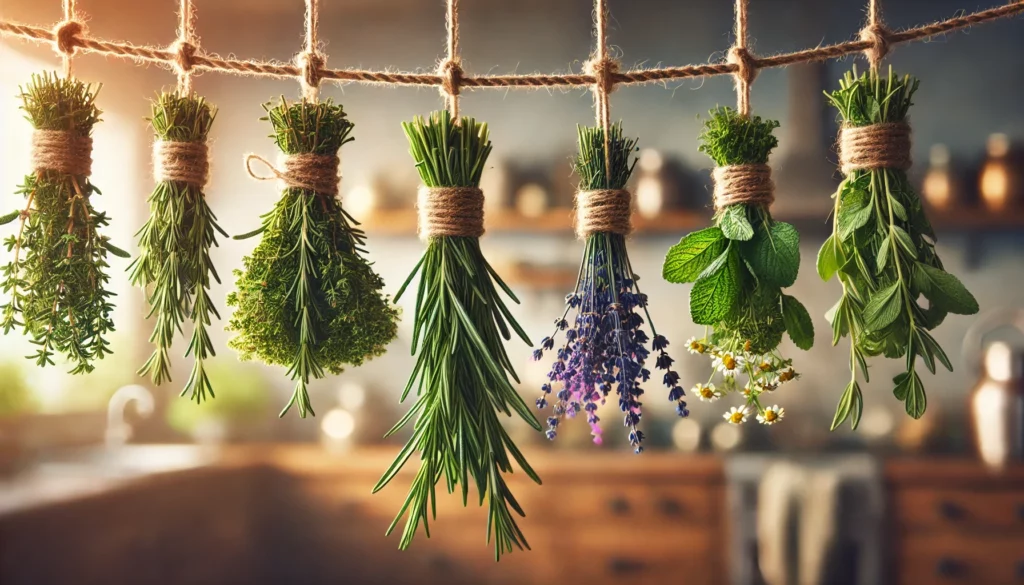
Air drying is a time-honored approach that leverages natural airflow. Harvest plants at their peak, ideally in the morning after dew lifts but before sunlight saps their oils. Tie small bundles of stems with leaves or flowers using string, keeping them loose for circulation. Hang them upside down in a warm, dry, well-ventilated area, shielded from direct sun to protect delicate compounds.
This method suits leafy herbs like basil, oregano, or lemon balm, drying them crisp within one to three weeks. Roots or thicker parts may take longer, so test for brittleness to confirm readiness. Air drying requires no energy and preserves aroma beautifully, though it demands patience and a stable environment to avoid humidity-related issues.
Oven Drying
Oven drying accelerates the process with controlled heat. Set your oven to its lowest temperature, typically 100°F to 150°F (38°C to 65°C), to avoid cooking the plants. Spread the material thinly on a parchment-lined baking sheet, avoiding overlap. Place it in the oven and periodically open the oven door to release any moisture, checking every 15 to 30 minutes.
This technique excels for dense roots like ginger or berries like elderberry, finishing in a few hours. It’s quick but requires care to prevent overheating, which can diminish potency or flavour. Oven drying suits those short on time, though it consumes energy and may subtly alter the plant’s profile compared to slower methods.
Dehydrator Drying
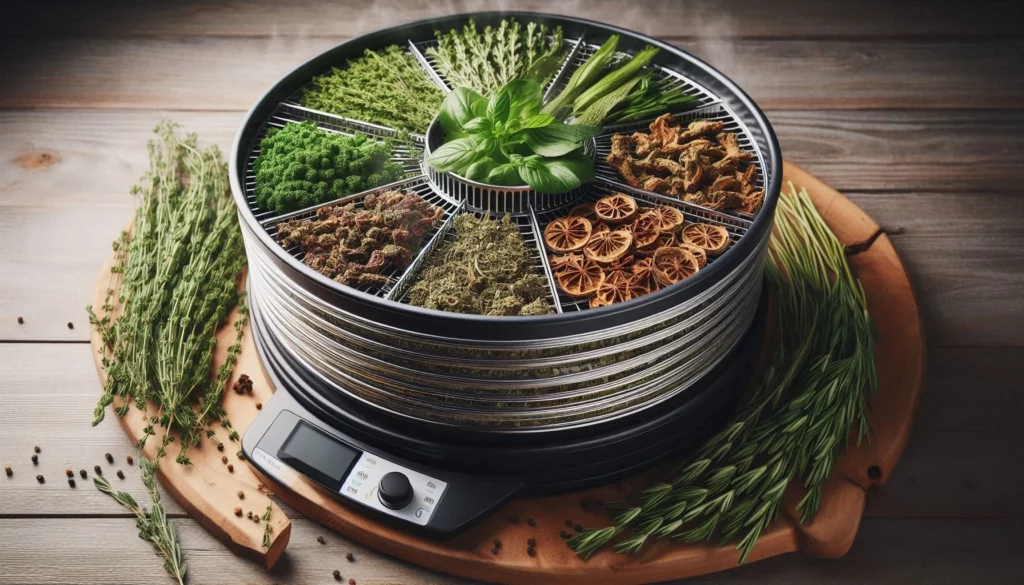
A food dehydrator offers precision and uniformity, ideal for consistent results. Adjust the temperature to 95°F to 115°F (35°C to 46°C), and arrange the plant material on trays without crowding. The built-in fan circulates warm air, drying leaves, flowers, or roots evenly over several hours to a day, depending on thickness.
This method shines with fragile flowers like lavender or chamomile, retaining colour and bioactivity effortlessly. The initial investment in a dehydrator pays off with its reliability across climates, making it a top choice for frequent users. It’s less dependent on weather than air drying, ensuring success in diverse conditions.
Solar Drying
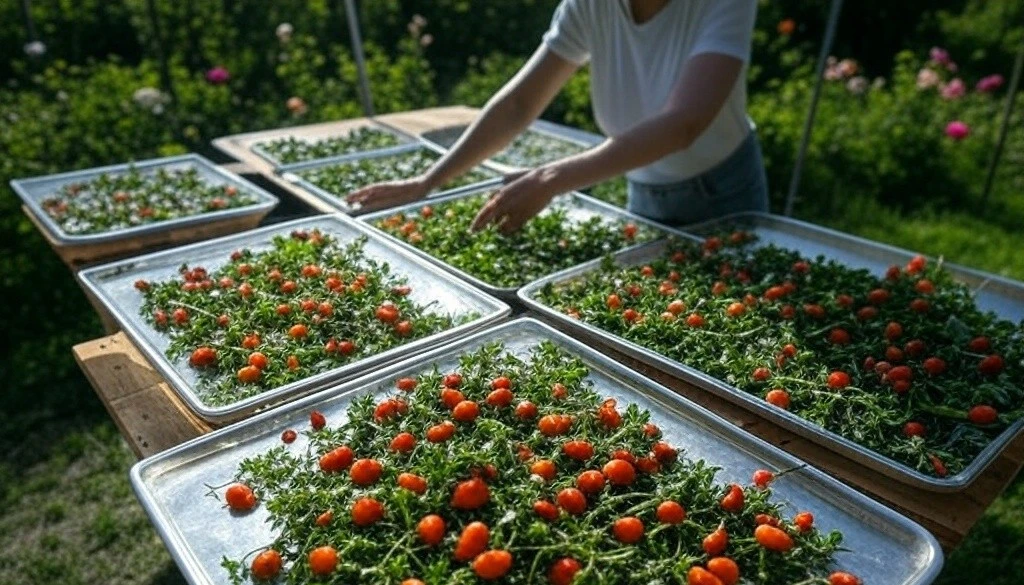
Solar drying taps into sunlight’s abundance for an eco-friendly option. Build a basic solar dryer with a wooden frame topped with glass or plastic, raised for airflow beneath. Lay plants on a mesh screen inside, setting the unit in full sun. Stir or rotate the material daily for even drying.
Best for hardy plants like rosemary or thyme in dry, sunny regions, this method is sustainable and cost-free. It takes several days and requires pest protection, but the natural process appeals to those prioritizing environmental impact. Solar drying balances tradition with practicality for the right setting.
Strategies for Preserving Plant Medicines
Preserving plant medicines builds on drying, focusing on storage to shield against light, air, and moisture. These techniques ensure longevity and efficacy. Here are the most effective options.
Glass Jar Storage
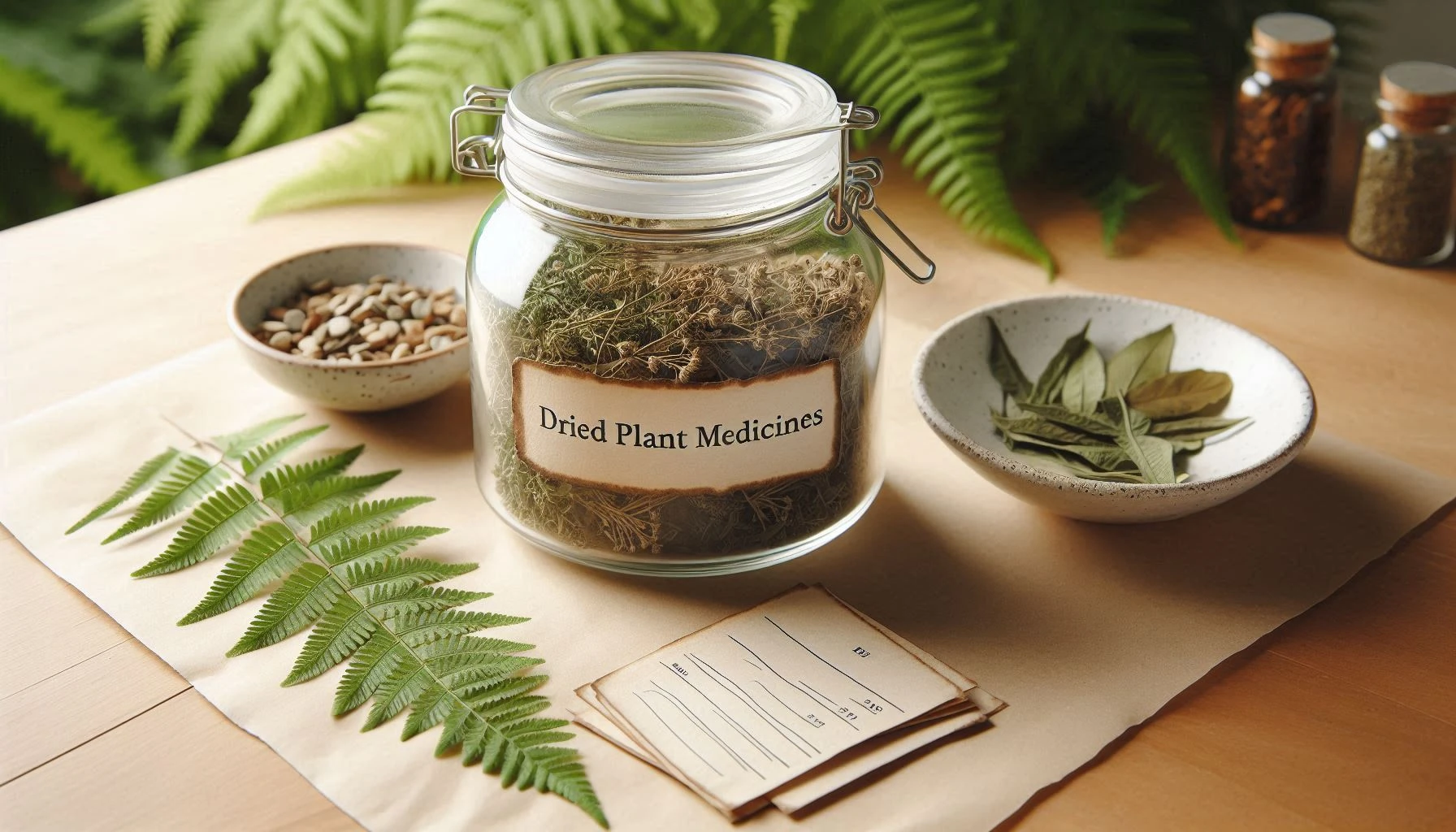
Storing dried plant medicines in glass jars is a classic choice. Opt for dark amber or cobalt jars to block light, which degrades sensitive compounds. Fill them loosely to avoid crushing, then seal tightly with a lid. Keep them in a cool, dark spot like a pantry, away from heat.
This method fits most dried herbs, from leaves to seeds, and prevents moisture if sealed well. A silica gel packet can absorb lingering humidity. Glass jars are affordable and reusable, though they’re breakable and less portable than alternatives.
Vacuum Sealing
Vacuum sealing eliminates air to prevent oxidation. Place dried material in a vacuum-seal bag, avoiding powders that might clog the machine. Use a vacuum sealer to remove air and seal, then store in a dark, cool place.
Perfect for long-term storage of precious plants like echinacea root, this method excels at maintaining quality. It requires equipment and isn’t ideal for frequent access, but the compact, airtight bags stack easily. Vacuum sealing offers top-tier protection for serious preservationists.
Freezing
Freezing halts all degradation by suspending activity. Pack dried material into freezer-safe bags or containers, expelling air before sealing. Label with dates and types, then store at 0°F (-18°C) or below. It preserves indefinitely, though a year is optimal.
This suits oily plants like dill or fennel, preventing pest issues too. It demands freezer space and energy, and thawing must be controlled to avoid moisture. Freezing is excellent for those with limited dry storage or extreme climates.
Powdering and Encapsulation
Grind dried plant medicines into powder with a mortar or grinder, then store in airtight containers or encapsulate into capsules. Keep these in a cool, dark place, ideally with a desiccant.
Great for roots like ashwagandha or leaves like moringa, this method boosts versatility for teas or supplements. It increases surface area, so airtightness is key to avoid oxidation. Powdering takes effort but offers convenience and longevity.
Tools and Equipment for Drying and Preserving
The right tools enhance efficiency and outcomes. For drying, basic supplies include twine for air drying, baking sheets for ovens, or a dehydrator for precision and solar drying may need a custom frame. Preservation calls for glass jars, vacuum sealers, freezer bags, or a grinder for powdering. Investing in quality versions of these, like a durable dehydrator or UV-resistant jars, ensures consistent success. Start simple and scale up as your needs grow.
Troubleshooting Common Issues
Mold during air drying signals excessive humidity, so enhance ventilation with fans or open windows, or switch to a dehydrator for faster, controlled drying. Overheating in ovens or microwaves weakens potency by evaporating oils, so reduce the temperature to a gentle setting and check every few minutes to preserve quality. Moisture in stored jars suggests either incomplete drying or a faulty seal, so confirm the material is fully crisp before storage and use tight-fitting lids.
Pests in storage indicate contamination from harvest or an unsealed container, which freezing can resolve by killing off insects or larvae. Tackle these challenges swiftly to ensure your plant medicines remain safe, potent, and ready for use.
Historical Context of Drying and Preserving
Drying and preserving plant medicines traces back millennia. Ancient Egyptians sun-dried herbs for mummification and medicine, while Indigenous peoples air-dried roots over fires. Medieval apothecaries stored dried botanicals in clay pots, refining techniques still used today. Chinese herbalists, around 200 CE, shade-dried ginseng to preserve its properties, as noted in early texts. Aztecs solar-dried cacao leaves on stone platforms, supporting their medicinal traditions.
By the 17th century, European sailors adopted Caribbean sun-drying of guava leaves for scurvy prevention during voyages. These practices, shaped by climate and need, evolved into today’s methods, blending ancient wisdom with modern tools. These practices evolved from necessity, adapting to local climates and resources. Understanding this lineage underscores the timeless value of preserving nature’s gifts, linking modern methods to a rich past.
FAQ
Q: What plants are best suited for beginners to dry and preserve?
A: For those new to the process, start with hardy, forgiving plants like peppermint, rosemary, or chamomile. These have straightforward drying needs and are less prone to spoilage. Peppermint dries quickly with air or a dehydrator, rosemary withstands various methods due to its robust structure, and chamomile’s small flowers teach precision without overwhelming complexity. Once comfortable, you can experiment with more delicate or resinous plants.
Q: How can I tell if my plant material is fully dried and safe to store?
A: Fully dried plant material should feel crisp and brittle to the touch, with no flexibility or dampness. Leaves should crumble easily between your fingers, and roots should snap rather than bend. If there’s any softness or a musty smell, drying is incomplete, risking mold during storage.
Q: How do I revive dried plant medicines that seem to have lost their aroma?
A: If aroma fades, potency may have diminished, and reviving it fully isn’t possible. However, you can maximize what remains by crushing or powdering the material just before use to release trapped compounds. Store any unused portion in a vacuum-sealed bag or freezer to slow further degradation.
Q: Are there any plants that shouldn’t be dried or preserved using these methods?
A: Plants with high water content, like aloe vera leaves or fresh mushrooms, don’t dry well with standard techniques due to their gel-like or fleshy nature. These require specialized processes, such as freeze-drying or immediate processing into gels or extracts. Research specific plants beforehand, as some, like certain succulents, lose medicinal value entirely when dried.
Q: What’s the most cost-effective method for someone on a tight budget?
A: Air drying stands out as the most budget-friendly option, requiring only string and a suitable space. Solar drying follows closely if you can build a simple frame with repurposed materials. Both rely on natural resources rather than electricity or equipment, making them accessible without sacrificing quality, provided your climate cooperates.
Q: Can I combine drying methods for the same batch of plants?
A: Combining methods is feasible and sometimes practical. For example, you might start with air drying to remove most moisture slowly, then finish with an oven or dehydrator for speed if weather turns humid. Ensure each phase is monitored to avoid uneven results, and adjust based on the plant’s response to maintain consistency.