


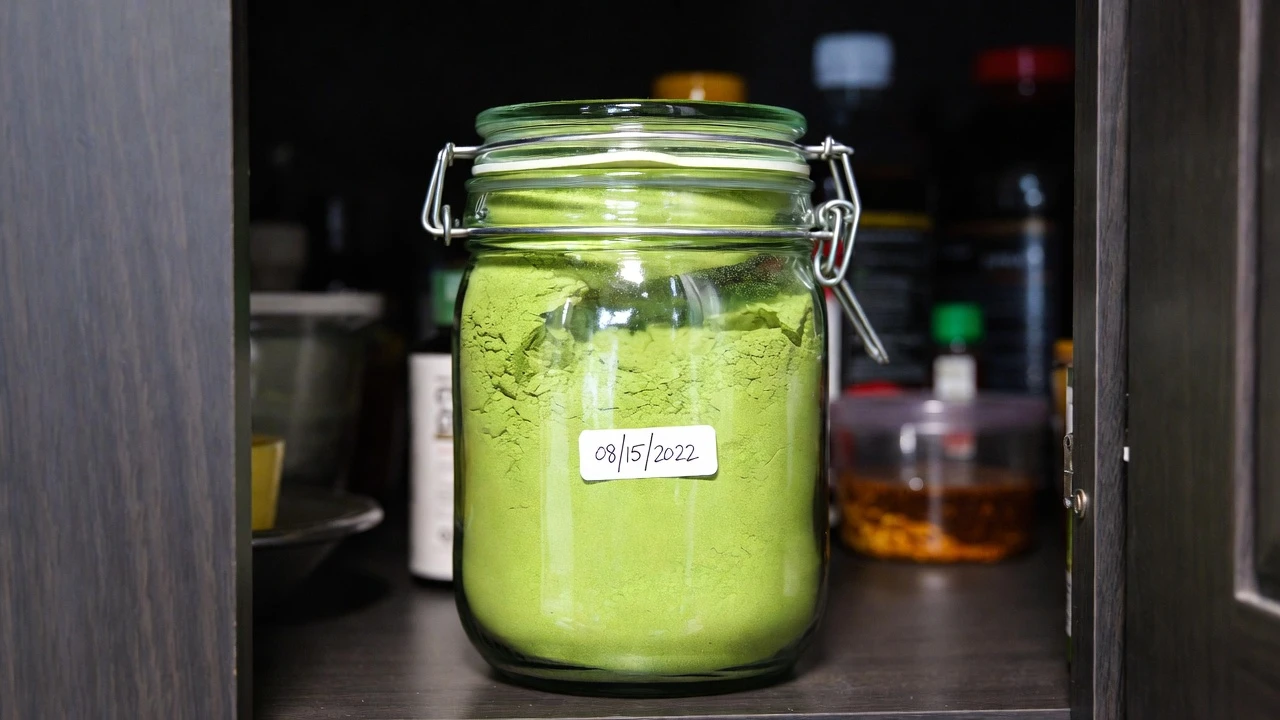

Many people who use kratom regularly often wonder, “Can kratom lose potency during extended storage?” The short answer is yes, it can gradually diminish in strength over time, but the rate of this change depends heavily on how it is handled and stored. Kratom contains active compounds known as alkaloids, primarily mitragynine and smaller amounts of 7-hydroxymitragynine. These alkaloids are responsible for the plant’s unique properties, and like many natural plant-based substances, they are sensitive to environmental conditions.
When fresh, kratom leaves or powder hold their highest concentration of these alkaloids right after harvesting and processing. However, natural degradation begins slowly from that point onward. This process is not sudden; it happens gradually as the compounds interact with elements in the surroundings. Understanding this helps users make informed decisions about buying in bulk or keeping supplies on hand for months or even years.
Why Kratom Loses Potency: The Main Culprits
The primary reason kratom loses potency is the breakdown of its alkaloids through oxidation, a chemical reaction that occurs when the material is exposed to oxygen. Oxidation alters the molecular structure of mitragynine and other compounds, reducing their ability to produce the desired effects. This is similar to how an apple browns when left out in the air; the change is natural but accelerates under certain conditions.
Light plays a significant role as well. Ultraviolet rays from sunlight or even bright indoor lighting can break down sensitive plant compounds over time. This is why many herbal products fade in colour or weaken when left on a sunny windowsill. For kratom, prolonged light exposure leads to a noticeable decline in alkaloid integrity, resulting in duller appearance and weaker performance.
Heat is another key factor that speeds up degradation. Higher temperatures increase the speed of chemical reactions, causing alkaloids to break down faster. Storing kratom in warm areas, such as near a heater, in a hot attic, or inside a vehicle during summer, can significantly shorten its viable lifespan. Even moderate warmth over extended periods contributes to this effect.
Moisture presents a different kind of threat. Excess humidity not only promotes the growth of mold or bacteria, which can render the product unsafe, but it also facilitates hydrolysis, a process where water molecules interact with alkaloids and diminish their stability. Damp conditions turn powder clumpy and alter its texture, often signaling the start of quality loss.
The Resilience of Properly Stored Kratom
On the positive side, kratom is relatively resilient compared to some other botanicals. When kept under ideal conditions, it can maintain much of its original strength for one to three years or longer. User experiences shared across communities indicate that carefully stored batches from several years ago still deliver satisfactory results, with minimal perceptible differences.
Different forms of kratom age at varying rates. Powder, being finely ground with a large surface area, is more vulnerable to air and oxidation than whole or crushed leaves. Capsules offer some protection because the casing limits oxygen exposure. Extracts and concentrates may behave differently due to their processing, but they still benefit from the same careful handling.
Expected Potency Changes Over Extended Periods
While kratom demonstrates impressive stability when stored properly (airtight, cool, dark, and dry), some gradual changes can occur over very long timelines. Experiences vary, but community reports and vendor observations provide a general picture of what to expect.
After About 1 Year
Most users notice little to no difference in effects. Properly sealed powder or capsules often retain near-full potency, with vibrant colour and fresh aroma intact. This aligns with many vendor claims of a reliable 1-2 year shelf life under good conditions.
After About 5 Years
Many enthusiasts report that well-preserved batches (especially vacuum-sealed and kept cool) remain highly effective, with only slight reductions in strength perceptible to experienced users. Some describe the powder as drier but still potent, and a few even note no discernible loss at all. Vacuum sealing appears particularly helpful in minimizing oxidation over this span.
After 8 Years or More
Anecdotal accounts of 8+ year old kratom suggest it can still deliver strong effects if stored optimally from the start. Reports exist of batches over a decade old performing adequately, though subtle fading in aroma, colour changes, or intensity may occur. Extreme longevity like this is rarer and depends heavily on initial quality and airtight storage; poorer conditions accelerate decline significantly.
Overall, kratom’s alkaloids prove remarkably stable in inert environments compared to many herbs, allowing thoughtful storage to yield usable product far beyond typical expectations.
Signs That Your Kratom May Be Losing Potency
Recognizing when kratom has begun to lose potency is straightforward for regular users. The most common sign is a reduction in effects at familiar serving sizes. If higher amounts are needed to achieve the same outcome, degradation may have occurred. Visual changes, such as fading from a dynamic green to brownish tones, or a shift in aroma from fresh and earthy to stale, also provide clues. Texture alterations, like excessive dryness or unusual clumping without moisture exposure, can indicate aging.
Safety remains important even as strength declines. As long as there are no signs of contamination, such as mold spots, off odours suggesting spoilage, or wetness, older kratom is generally safe to consume. It simply becomes less efficient. Discarding batches showing any contamination is always recommended to avoid health risks.
How Environmental Factors Contribute to Kratom Losing Potency
To dive deeper, let’s examine how each environmental element impacts the alkaloids. Oxidation occurs when oxygen molecules react with the compounds, forming new structures that are less active. This happens slowly in sealed containers but accelerates if the package is frequently opened or not fully airtight. Light-induced degradation, known as photodegradation, affects plant alkaloids by exciting their molecules and causing them to break apart. Opaque packaging blocks this process effectively, preserving the material much longer than clear bags or jars.
Thermal degradation increases with temperature because molecular movement speeds up, leading to more frequent collisions and breakdowns. Studies on similar plant compounds show that keeping temperatures below room level slows this considerably. Moisture not only risks microbial growth but also enables chemical reactions that involve water. Dry environments prevent these issues, maintaining alkaloid stability. Combining these factors creates a compounding effect. For instance, warm and humid conditions together dramatically shorten lifespan, while cool and dry ones extend it significantly.
Practical Storage Strategies to Minimize Potency Loss
The good news is that simple habits can greatly reduce how quickly kratom loses potency. Following these approaches, many report batches retaining strong effects after two or three years. Consistency is key; even occasional exposure to poor conditions can add up over time.
Use Airtight Containers
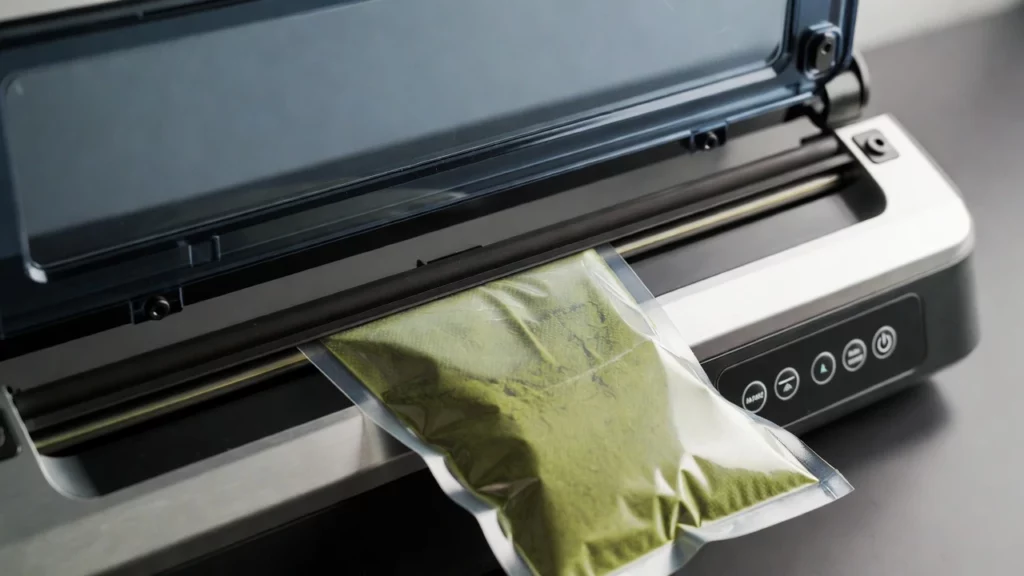
- Opt for glass jars with tight seals, vacuum-sealed bags, or resealable original packaging.
- Minimizing air inside the container significantly limits oxidation.
Protect from Light
- Store in dark locations such as cupboards, drawers, or pantries away from windows.
- Use amber glass or opaque plastic containers for extra shielding if needed.
Keep It Cool
- Aim for consistent room temperatures around 68-77°F (20-25°C).
- Avoid warm spots like kitchens near stoves or steamy bathrooms.
- Consider cooler areas like basements for long-term storage, provided humidity is low.
Control Humidity
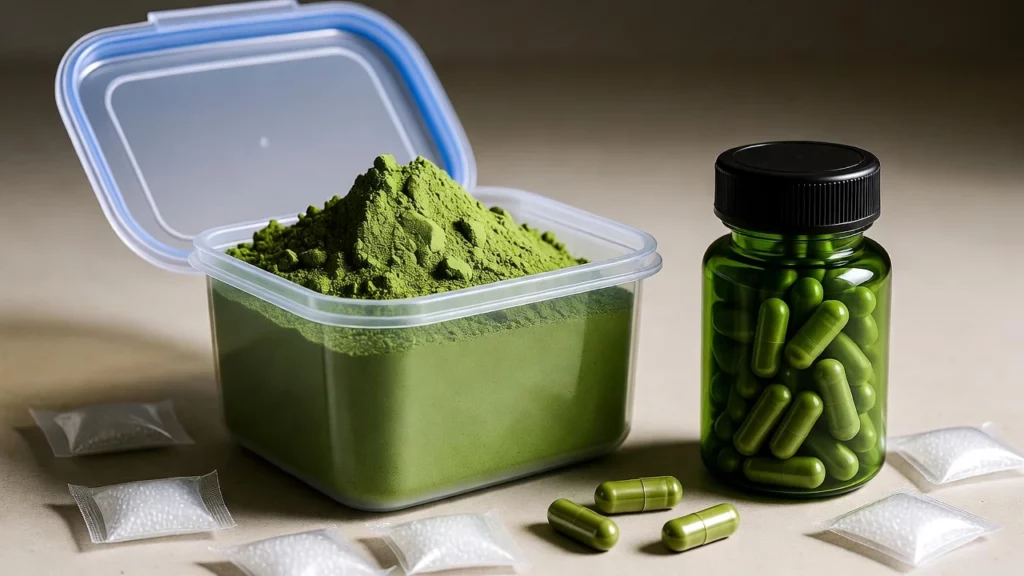
- Add silica gel packets or other desiccants to larger containers.
- These absorb excess moisture without impacting the powder itself.
Portion for Bulk Storage
- Divide large quantities into smaller portions.
- This ensures only the active supply is opened regularly, leaving the rest undisturbed.
Label and Rotate Stock
- Mark containers with purchase or opening dates.
- Rotate stock by using older portions first to maintain freshness across batches.
Avoid Refrigeration or Freezing for Powder
- Temperature changes when opening can cause condensation and introduce moisture.
- These methods work better for prepared liquids rather than dry powder.
Variations Across Kratom Forms and Processing
Powder remains the most common form of kratom and offers convenience, but its fine particles increase exposure surface, making it prone to faster degradation if not sealed properly. Well-packaged powder lasts one to two years at peak before gradual decline. Capsules provide a barrier against air, often extending usability beyond plain powder. The gelatin or vegetable casing slows oxidation, with many lasting two years or more without noticeable weakening. Whole or crushed leaves, less processed, sometimes hold up better initially but require similar care. Their larger size reduces surface area contact.
Extracts vary widely based on concentration and production methods. Some are more stable, while others remain sensitive to heat and light. Strain differences, such as red, green, or white vein varieties, do not drastically alter storage behavior. All contain similar alkaloid profiles susceptible to the same factors. Quality from the start matters immensely. Freshly harvested and properly dried material begins with higher alkaloid levels, giving more buffer against aging.
Long-Term Perspectives and User Observations
Over extended periods, like several years, some natural decline is inevitable due to inherent alkaloid instability. However, optimal conditions minimize this to negligible levels for practical purposes. Community feedback often highlights batches from five or more years ago still performing adequately, especially when vacuum-sealed and kept cool. This resilience stems from the alkaloids’ relative stability in dry, inert environments. Unlike highly perishable items, kratom does not spoil quickly but fades gracefully.
For those stocking up, investing in quality sealing tools pays off. Vacuum sealers remove air efficiently, creating near-ideal conditions. Monitoring personal batches over time builds intuition about individual storage setups. What works in one climate may need adjustment in another.
Frequently Asked Questions
Q: How long can well-stored kratom maintain most of its potency?
A: Under ideal conditions (airtight, cool, dark, and dry), many users report kratom retaining strong effects for two to three years or longer, with only gradual and minimal decline.
Q: Does the form of kratom (powder, capsules, leaves) affect how quickly it loses potency?
A: Yes. Powder degrades faster due to greater surface area exposure, while capsules and whole leaves tend to hold up better because of reduced contact with air.
Q: Is it safe to use kratom that has lost some potency?
A: As long as there are no signs of mold, unusual odours, or contamination, older kratom is generally safe; it simply delivers weaker effects.
Q: Should I refrigerate or freeze kratom powder for long-term storage?
A: Refrigeration or freezing dry powder is not recommended, as temperature swings when opening can cause condensation and introduce moisture, which harms more than it helps.
Q: Will vacuum sealing completely prevent kratom from losing potency?
A: Vacuum sealing greatly slows oxidation and extends freshness significantly, but over very long periods (several years), some natural alkaloid breakdown still occurs gradually.
Q: How can I tell if improper storage has caused my kratom to lose potency faster than expected?
A: Common indicators include needing larger servings for the same effects, faded colour, stale aroma, or subtle clumping without obvious moisture exposure.
Conclusion: Does Kratom Lose Potency In The Long Haul
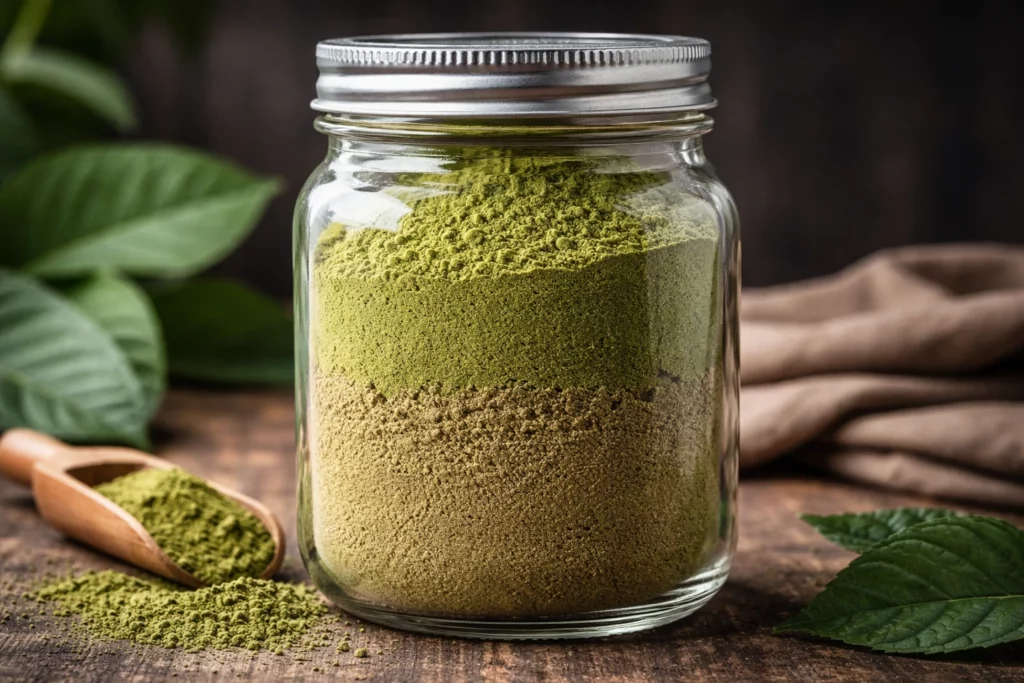
While kratom does lose potency gradually during long-term storage, the process is far from inevitable or rapid when handled with care. By understanding the role of oxygen, light, heat, and moisture, avoiding common pitfalls, and applying consistent storage practices, users can maintain the plant’s natural qualities for extended periods, often well beyond three years.
This knowledge empowers a more reliable and satisfying experience with the botanical. Prioritizing proper handling from the moment of receipt ensures consistent results over months and years alike. Ultimately, kratom’s longevity rewards mindful attention, turning potential concerns about potency loss into manageable details that enhance rather than hinder enjoyment.
Disclaimer
The information provided in this blog about kratom, its storage, potency, and general use is for educational and informational purposes only and is not intended as medical advice, health recommendations, or endorsement of consumption. In Canada, kratom is not authorized by Health Canada for sale or use as a natural health product, food, or drug for human consumption, and no kratom products have been issued a Natural Product Number (NPN) or other approval.
Health Canada has issued multiple warnings about kratom, stating that it may pose serious health risks when swallowed or inhaled, including side effects such as drowsiness, nausea, vomiting, seizures, liver toxicity, excessively rapid heartbeat, respiratory depression, potential for abuse, dependence, addiction, and withdrawal symptoms. Kratom can produce opioid-like and stimulant-like effects, and its safety and efficacy have not been adequately studied or established to meet Canadian regulatory standards.
Individuals considering kratom should consult a qualified healthcare professional before any use, especially if pregnant, breastfeeding, taking medications, or managing health conditions, as interactions and adverse effects may occur. This content does not constitute professional medical or legal guidance, and reliance on it is at your own risk; the author and publisher are not liable for any actions taken based on this information, nor for any damages, losses, or adverse outcomes resulting from its use. Always prioritize safety and seek personalized care from licensed professionals for any health-related decisions.