



Understanding the difference between dependency and addiction is essential for anyone navigating the complex world of substance use, whether for medicinal, recreational, or therapeutic purposes. These terms are often used interchangeably, but they describe distinct phenomena with different implications for health, behavior, and treatment.
This distinction is particularly relevant when discussing substances like kratom, a plant-based remedy gaining popularity for its potential benefits. By exploring dependency vs addiction, we can create a more informed and responsible conversation about substance use and its effects on the body and mind.
What Is Dependency?
Dependency refers to a physical or psychological reliance on a substance to function normally. When someone becomes dependent, their body or mind adapts to the presence of the substance, requiring it to maintain balance or perform certain functions. This often occurs with medications or substances used regularly over time, such as painkillers, antidepressants, or even caffeine.
Physical dependency is characterized by the body’s adaptation to a substance, leading to withdrawal symptoms when use is reduced or stopped. For example, someone who relies on daily coffee may experience headaches or fatigue if they skip their morning brew. Psychological dependency, on the other hand, involves a perceived need for the substance to cope with emotions, stress, or daily activities, even if the body doesn’t exhibit physical withdrawal symptoms.
Dependency doesn’t inherently imply a loss of control or harmful behavior. Many people live with dependency on prescribed medications, such as insulin for diabetes or beta-blockers for heart conditions, without negative consequences. The key is that dependency often develops through consistent use and is primarily a physiological or psychological adaptation, not necessarily a compulsive drive.
What Is Addiction?
Addiction, in contrast, is a chronic, relapsing condition marked by compulsive substance use despite harmful consequences. It goes beyond physical or psychological reliance, involving a complex interplay of brain chemistry, behavior, and emotional patterns. Addiction often disrupts a person’s life, affecting relationships, work, health, and overall well-being.
At its core, addiction is driven by changes in the brain’s reward system. Substances or behaviors that trigger dopamine release can create a powerful urge to repeat the experience, even when it leads to negative outcomes. Over time, the brain prioritizes the substance over other sources of pleasure or responsibility, leading to compulsive use. Unlike dependency, addiction is characterized by a lack of control, intense cravings, and continued use despite clear harm, such as financial ruin, health deterioration, or strained relationships.
Addiction also has a psychological component, where individuals may feel unable to cope without the substance, but it’s distinguished by behaviors that prioritize the substance above all else. For example, someone with an addiction might neglect responsibilities or engage in risky behaviors to obtain the substance, even when they recognize the damage it causes.
Dependency vs Addiction: Key Differences
To fully grasp dependency vs addiction, it’s helpful to break down their differences in clear terms. While there’s some overlap, the distinctions lie in intent, impact, and control.
1. Intent and Use Patterns
Dependency often develops unintentionally through regular, often therapeutic, use of a substance. For instance, someone using a prescribed opioid for chronic pain may become physically dependent without intending to misuse it. Their use is typically structured, tied to a medical need, and doesn’t necessarily escalate beyond that purpose.
Addiction, however, involves compulsive use that often exceeds the original intent. A person might start using a substance for a specific reason, like pain relief, but continue using it for its euphoric effects or to escape emotional distress. This shift from purposeful to compulsive use is a hallmark of addiction, where the substance becomes a central focus of the person’s life.
2. Impact on Life and Behavior
Dependency doesn’t always disrupt daily life. Someone dependent on a medication can often maintain a healthy, balanced lifestyle, provided the substance is used as intended. Withdrawal symptoms may occur if the substance is stopped, but these can often be managed with medical guidance.
Addiction, by contrast, tends to have a profound negative impact. It can lead to neglect of responsibilities, strained relationships, and declining physical or mental health. The compulsive nature of addiction drives individuals to prioritize the substance over other aspects of life, often leading to cycles of guilt, shame, and further use to cope with those feelings.
3. Control and Awareness
In dependency, individuals typically retain control over their use and are aware of their reliance. They may choose to taper off a substance under medical supervision if needed, experiencing discomfort but not an overwhelming urge to continue use.
Addiction erodes this sense of control. Individuals may want to stop but find themselves unable to, driven by intense cravings and a rewired reward system. Even when they recognize the harm, the compulsion to use persists, often requiring comprehensive treatment to address both the physical and psychological components.
Kratom and the Dependency vs Addiction Conversation
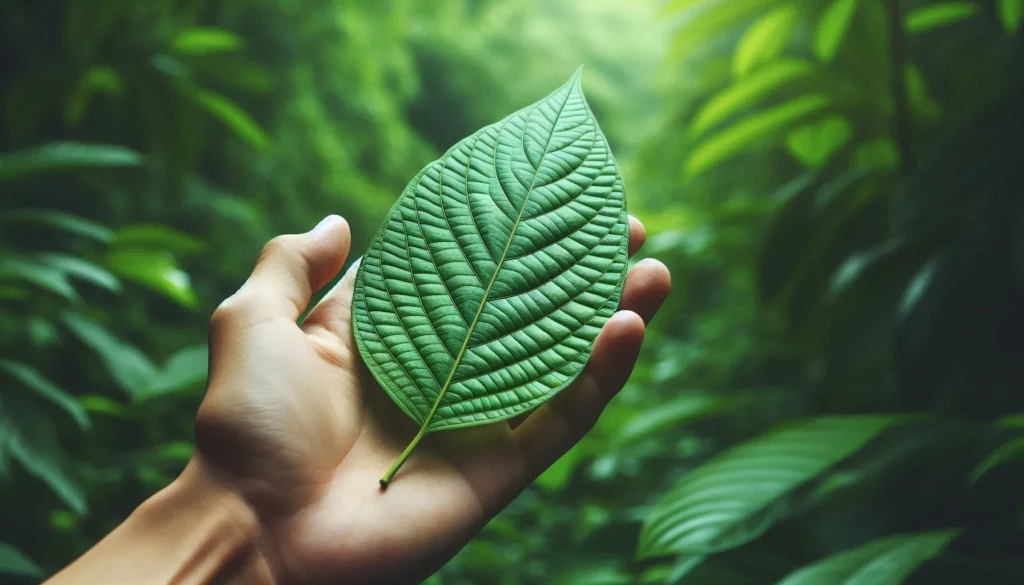
Kratom, a plant native to Southeast Asia, has entered the spotlight as a natural remedy for pain, anxiety, and opioid withdrawal. Its active compounds, mitragynine and 7-hydroxymitragynine, interact with opioid receptors in the brain, producing effects ranging from stimulation at low doses to sedation at higher doses. As kratom’s popularity grows, so does the need to understand its potential for dependency and addiction.
Kratom and Dependency
Kratom can lead to physical dependency with regular use, particularly at higher doses or frequent intervals. Users may develop tolerance, requiring more kratom to achieve the same effects, and experience withdrawal symptoms such as fatigue, irritability, or muscle aches when stopping. This is similar to dependency on other substances like caffeine or prescription medications. For many, kratom dependency is manageable, especially if use is moderated and guided by informed practices, such as taking breaks or sticking to lower doses.
Dependency on kratom often arises in those using it for chronic pain, anxiety, or to transition away from stronger opioids. In these cases, the body adapts to kratom’s presence, and withdrawal symptoms may occur if use is abruptly stopped. However, this doesn’t necessarily equate to addiction, as dependency can exist without compulsive behavior or significant life disruption.
Kratom and Addiction
While kratom’s risk of addiction is generally considered lower than that of traditional opioids, it’s not without risk. Some individuals may develop addictive patterns, particularly if they use kratom to chase euphoria or cope with emotional distress rather than for therapeutic purposes. Signs of kratom addiction include escalating doses beyond what’s needed, neglecting responsibilities to obtain or use it, and continuing use despite negative consequences, such as financial strain or health issues.
The line between dependency and addiction with kratom can be blurry, especially since its effects vary widely based on dose, strain, and individual physiology. Responsible use, including setting clear intentions, monitoring dosage, and consulting healthcare professionals, can help mitigate the risk of crossing into addiction.

Navigating Dependency vs Addiction Responsibly
Understanding dependency vs addiction empowers individuals to approach substances like kratom with mindfulness. Here are some practical considerations for fostering a healthy relationship with any substance:
Educate Yourself
Knowledge is the foundation of responsible use. Research the substance, its effects, and its risks. For kratom, this means understanding its potential for dependency, how it interacts with the body, and safe usage guidelines. Reliable resources, such as reputable health websites or consultations with professionals, can provide clarity when finding the best kratom online in Canada.
Monitor Usage Patterns
Pay attention to why and how often you use a substance. Are you using it for a specific purpose, like pain relief, or as a default coping mechanism? Tracking usage can help identify when dependency might be forming and allow for adjustments, such as reducing frequency or seeking alternative solutions.
Seek Professional Guidance
If you’re concerned about dependency or addiction, consult a healthcare provider. They can offer personalized advice, help manage withdrawal symptoms, or recommend treatment options if needed. For kratom users, this might involve discussing tapering strategies or exploring other therapies for underlying conditions.
Prioritize Balance
A balanced lifestyle, including healthy diet, exercise, and social connections, can reduce reliance on substances for emotional or physical support. For those using kratom, integrating it into a broader wellness plan rather than as a sole solution can minimize the risk of dependency or addiction.
FAQ: Understanding Dependency vs Addiction
Q: How can I tell if I’m dependent on or addicted to a substance like kratom?
A: Dependency is marked by physical or psychological reliance, often with withdrawal symptoms when stopping, but you retain control over use. Addiction involves compulsive use, loss of control, and negative impacts on life, such as neglecting responsibilities or relationships. Reflect on your usage patterns and consult a professional if unsure.
Q: Can kratom use lead to addiction even if I use it for pain relief?
A: Yes, though the risk is lower than with traditional opioids. Using kratom for pain relief can lead to dependency, and if use escalates to chase euphoria or cope with stress, it may develop into addiction. Stick to recommended doses and monitor your intentions to reduce this risk.
Q: Is dependency always a bad thing?
A: Not necessarily. Dependency on medications like insulin or antidepressants can be essential for health without negative consequences. The key is managing use responsibly and under medical guidance to avoid harm or escalation to addiction.
Q: What steps can I take to avoid addiction when using kratom?
A: Use kratom purposefully, stick to low or moderate doses, take regular breaks to prevent tolerance, and monitor for signs of compulsive use. Consulting a healthcare provider and maintaining a balanced lifestyle can further support responsible use.
Q: How does withdrawal from kratom compare to other substances?
A: Kratom withdrawal is typically milder than opioid withdrawal, with symptoms like fatigue, irritability, or mild discomfort. Compared to caffeine, it may be more intense but less severe than prescription painkillers. Gradual tapering can help manage symptoms effectively.
Conclusion
The difference between dependency and addiction lies in their scope, impact, and underlying drivers. Dependency reflects a physiological or psychological adaptation, often manageable and tied to purposeful use. Addiction, however, involves compulsive behavior, loss of control, and significant life disruption.
Kratom, like many substances, can lead to dependency with regular use and, in some cases, addiction if used irresponsibly. By understanding these distinctions, individuals can navigate their choices with clarity and confidence, ensuring their use of substances supports their health rather than undermines it. This responsible conversation is a step toward informed decision-making, empowering readers to approach substances like kratom with care and awareness.
Disclaimer
The information provided in this blog is for educational and informational purposes only and is not intended to serve as medical advice, diagnosis, or treatment. The discussion of dependency, addiction, and substances like kratom is meant to inform and help understand the difference, not to replace professional medical guidance. Always consult a qualified healthcare provider before starting, stopping, or modifying the use of any substance, including kratom, especially if you have pre-existing health conditions, are taking medications, or are pregnant or breastfeeding.
Kratom is not regulated by Health Canada or the FDA, and its safety, efficacy, and potential risks are not fully established. Misuse or overuse of any substance can lead to adverse health effects, including dependency, addiction, or other serious consequences. Neither the author nor the publisher assumes responsibility for any adverse effects resulting from the use or misuse of substances discussed. For personalized advice regarding health, safety, or substance use, seek guidance from a licensed medical professional.