



Kratom, a plant native to Southeast Asia, has gained popularity worldwide for its potential to provide relief from discomfort, boost energy, and support relaxation. However, the rise in demand has led to a troubling issue: adulterated kratom products. These compromised products pose significant risks to consumers, ranging from mild discomfort to severe health consequences. Understanding the dangers of adulterated kratom is essential for anyone considering its use, as the quality and purity of the product directly impact safety and effectiveness.
What Is Adulterated Kratom?
Adulterated kratom refers to products that have been contaminated, diluted, or mixed with substances not naturally found in the kratom plant. These alterations can occur intentionally, to cut costs or enhance effects, or unintentionally, due to poor manufacturing practices. The consequences of consuming such products can be far-reaching, affecting physical health, mental well-being, and even legal standing.
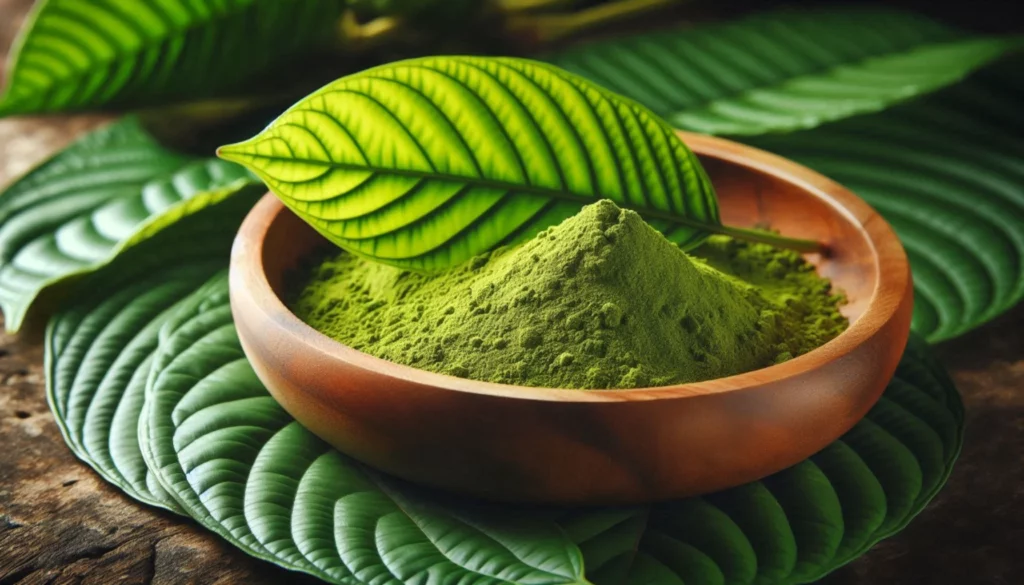
Kratom is traditionally harvested, dried, and ground into a powder or processed into capsules, extracts, or teas. Pure kratom contains naturally occurring alkaloids, such as mitragynine and 7-hydroxymitragynine, which are responsible for its effects. Adulterated kratom, however, deviates from this natural composition. It may be mixed with foreign substances, contaminated during processing, or mislabeled to deceive consumers about its contents or potency.
Adulteration can take many forms. Some vendors may add synthetic compounds to mimic or amplify kratom’s effects, while others dilute the product with fillers like starch, sugar, or other plant materials to increase profit margins. In some cases, contamination occurs through exposure to harmful bacteria, heavy metals, or pesticides during cultivation, harvesting, or storage. These issues are particularly concerning in an industry with limited regulatory oversight, where quality control varies widely among suppliers.
Why Adulterated Kratom Is a Growing Concern
The kratom market has exploded in recent years, driven by growing consumer interest in natural remedies. This surge has attracted both reputable vendors and opportunistic sellers looking to capitalize on the trend. Without consistent regulation, some producers and distributors cut corners, leading to an influx of substandard or dangerous products. The lack of standardized testing and quality assurance in many regions exacerbates the problem, leaving consumers vulnerable to adulterated kratom.
Another factor contributing to the issue is the complexity of the kratom supply chain. From small farms in Southeast Asia to international distributors, the product passes through multiple hands, each presenting an opportunity for contamination or tampering. For example, improper drying or storage can lead to mold growth, while unscrupulous vendors may intentionally add substances to boost perceived potency. The absence of clear labeling standards also means that consumers may unknowingly purchase products that contain harmful additives or incorrect dosages.
Health Risks of Adulterated Kratom
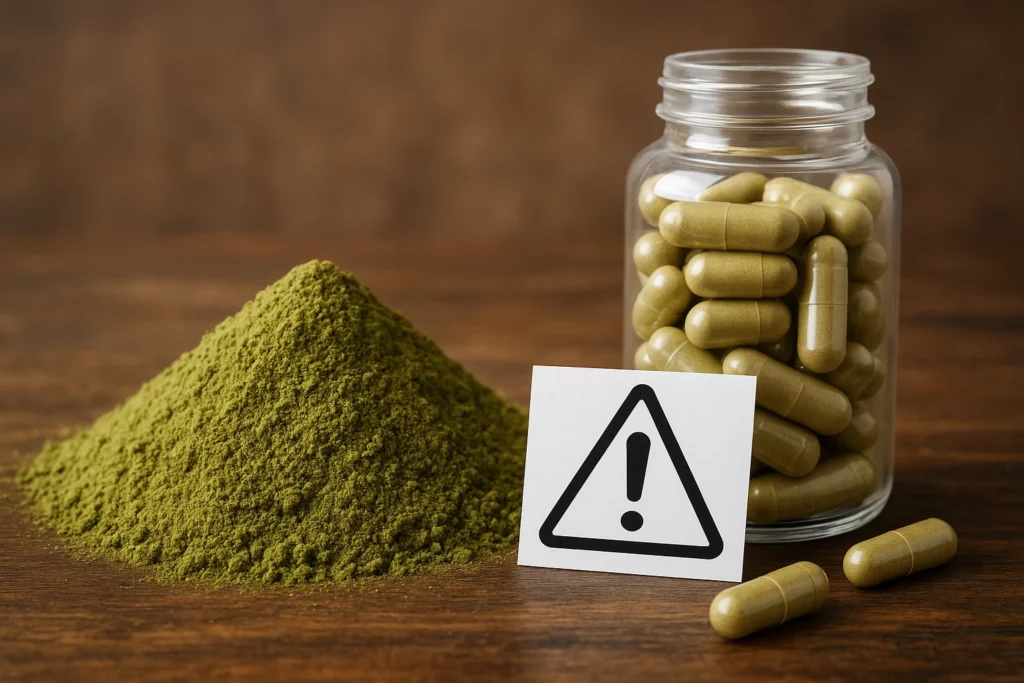
Consuming adulterated kratom can lead to a range of health issues, from mild to life-threatening. The specific risks depend on the type and extent of adulteration, but common concerns include exposure to contaminants, unexpected side effects, and interactions with other substances.
Contamination with Harmful Substances
One of the most significant dangers of adulterated kratom is contamination with pathogens or toxic substances. Poor handling practices during harvesting or processing can introduce bacteria like Salmonella or E. coli, which can cause severe gastrointestinal distress. In 2018, a notable outbreak linked to contaminated kratom products led to numerous cases of illness across multiple countries, highlighting the real-world impact of these risks.
Heavy metals, such as lead or arsenic, can also contaminate kratom if the plants are grown in soil with high metal content or processed in facilities with inadequate safety measures. Prolonged exposure to these toxins can damage organs, impair neurological function, and increase the risk of chronic health conditions. Pesticides used during cultivation pose another threat, as residues may remain on the leaves and cause adverse reactions when consumed.
Synthetic Additives and Mislabeling
Some vendors intentionally add synthetic compounds to kratom products to enhance their effects or create a more potent experience. These additives, which may include synthetic opioids or stimulants, can lead to unpredictable and dangerous outcomes. Consumers may be unaware of these additives, as they are often not disclosed on product labels.
Mislabeling is another common issue. Some products marketed as “pure kratom” may contain little to no actual kratom, instead consisting of other herbs or fillers. This not only reduces the product’s effectiveness but can also introduce unknown risks, as the substituted ingredients may have their own side effects or interactions with medications.
Unintended Side Effects and Interactions
Even when kratom itself is pure, adulterated products can cause unexpected side effects due to added substances. These effects can be particularly dangerous for individuals taking medications, as adulterants may interact with prescription drugs in unpredictable ways.
For people with pre-existing health conditions, the risks are even higher. Adulterated kratom may exacerbate conditions like liver disease, heart problems, or mental health disorders, especially if the product contains unknown chemicals. The lack of transparency in the industry makes it difficult for consumers to know exactly what they are ingesting, increasing the potential for harm.
Economic and Legal Implications
Beyond health risks, adulterated kratom can have financial and legal consequences. Consumers may spend money on products that are ineffective or harmful, leading to wasted resources and potential medical expenses. In regions where kratom’s legal status is debated, purchasing adulterated products can also expose users to legal risks. For example, if a product contains a controlled substance due to adulteration, consumers could unknowingly violate local laws, leading to fines or criminal charges.
The presence of adulterated products also undermines trust in the kratom industry. As reports of contamination or tampering surface, consumers may become wary of all kratom products, even those from reputable sources. This lack of confidence can stifle the growth of the industry and limit access to the best kratom in Canada for those who rely on it.
How Adulteration Occurs in the Supply Chain
Understanding how adulteration happens is key to recognizing its dangers. The kratom supply chain is complex, involving farmers, processors, exporters, and distributors across multiple countries. At each stage, there are opportunities for quality to be compromised.
Cultivation and Harvesting
Kratom trees are primarily grown in tropical regions like Indonesia, Malaysia, and Thailand. During cultivation, plants may be exposed to pesticides or grown in contaminated soil, leading to the uptake of harmful substances. Improper harvesting techniques, such as collecting leaves from unhealthy trees or mixing them with other plant materials, can also reduce product quality.
Processing and Manufacturing
Once harvested, kratom leaves are dried, ground, and packaged. Poor sanitation during processing can introduce bacteria or mold, especially if facilities lack proper equipment or oversight. Some manufacturers may dilute kratom with cheaper materials to increase volume, while others add synthetic compounds to create a more potent product. These practices are often driven by profit motives but come at the expense of consumer safety.
Distribution and Retail
By the time kratom reaches retailers, it may have passed through several intermediaries, each with varying standards of quality control. International shipping can expose products to heat, humidity, or other conditions that promote contamination. Retailers may also repackage or relabel products, sometimes inaccurately, further obscuring the product’s origins and contents.
The Role of Regulation and Industry Standards
The lack of consistent regulation is a major contributor to the prevalence of adulterated kratom. In many countries, including Canada and the United States, kratom is not classified as a controlled substance but also lacks formal oversight as a dietary supplement or food product. This regulatory gray area allows low-quality products to enter the market unchecked.
Some industry groups have attempted to address this issue by establishing voluntary standards for kratom production and testing. These standards often include requirements for lab testing to verify purity, potency, and the absence of contaminants. However, compliance is not universal, and many vendors operate outside these frameworks. Consumers are left to navigate a patchwork of quality assurance practices, often without the knowledge or resources to verify product safety.
How Consumers Can Protect Themselves
While the risks of adulterated kratom are significant, consumers can take steps to minimize their exposure to unsafe products. By prioritizing quality and transparency, users can make informed choices and reduce the likelihood of harm.
Research Vendors Thoroughly
Before purchasing kratom, research the vendor’s reputation and practices. Look for companies that provide detailed information about their sourcing, processing, and testing procedures. Reputable vendors often share lab reports from third-party testing facilities, which confirm the product’s purity and alkaloid content. Avoid vendors that make exaggerated claims or fail to provide clear information about their products.
Check for Lab Testing
Third-party lab testing is one of the most reliable ways to ensure a product is free from contaminants and adulterants. These tests typically screen for heavy metals, pathogens, and synthetic additives, providing an objective measure of quality. When possible, choose products that come with a certificate of analysis from an accredited lab.
Understand Product Labels
Reading and understanding product labels is crucial. Look for clear information about the kratom strain, form (e.g., powder, capsules, or extract), and alkaloid content. Be wary of products with vague or misleading labels, such as those claiming “enhanced” effects without specifying ingredients. If a product seems too good to be true, it may be adulterated.
Start with Small Doses
For new users or those trying a new product, starting with a small dose can help gauge its effects and safety. This approach minimizes the risk of adverse reactions, especially if the product contains unexpected additives. Pay attention to how your body responds and discontinue use if you experience unusual symptoms.
Stay Informed About Regulations
Kratom’s legal status varies by region, and regulations can change over time. Staying informed about local laws and industry developments can help you make safer choices. Joining online communities or forums dedicated to kratom can also provide valuable insights from other users about trusted vendors and products.
The Importance of Consumer Awareness
Raising awareness about the dangers of adulterated kratom is critical for protecting public health. Many users are unaware of the risks associated with low-quality products, particularly those new to kratom. By educating themselves about the potential hazards and learning to identify trustworthy sources, consumers can play an active role in promoting safer practices within the industry.
Public demand for transparency and quality can also drive positive change. As more consumers prioritize lab-tested, high-quality kratom, vendors will face pressure to improve their standards or risk losing business. This shift could lead to greater accountability and consistency across the industry, reducing the prevalence of adulterated products.
The Broader Impact on the Kratom Community
The issue of adulterated kratom extends beyond individual consumers to the broader kratom community. Advocates for kratom’s responsible use often emphasize its potential benefits, but incidents involving contaminated or tampered products can fuel skepticism and calls for stricter regulation. These incidents can also overshadow the experiences of users who rely on kratom for legitimate purposes, such as managing discomfort or supporting mental clarity.
By addressing the problem of adulteration head-on, the kratom community can work toward a safer, more sustainable future. This includes supporting initiatives for better regulation, promoting ethical sourcing practices, and encouraging open dialogue about quality and safety. Collaborative efforts between consumers, vendors, and advocacy groups can help ensure that kratom remains a viable option for those who benefit from it.

Frequently Asked Questions About Adulterated Kratom
Q: What does it mean for kratom to be adulterated?
A: Adulterated kratom refers to products that are contaminated, diluted, or mixed with substances not naturally found in the kratom plant. This can include synthetic additives, fillers, or contaminants like bacteria or heavy metals, which compromise the product’s safety and quality.
Q: How can I tell if a kratom product is adulterated?
A: It’s challenging to identify adulteration without testing, but red flags include vague labeling or exaggerated claims about potency. Choosing products with third-party lab testing certificates can help ensure purity and safety.
Q: What health risks are associated with adulterated kratom?
A: Risks include bacterial infections, heavy metal poisoning, and side effects from synthetic additives, such as nausea, dizziness, or severe reactions. These can be especially dangerous for people with health conditions or those taking medications.
Q: Why is adulterated kratom so common?
A: The lack of consistent regulation, combined with high demand and a complex supply chain, allows low-quality or tampered products to enter the market. Some vendors cut corners to reduce costs or enhance effects, increasing the risk of adulteration.
Q: Can I avoid adulterated kratom by buying from local vendors?
A: Not necessarily. Local vendors may still source from unreliable suppliers. Always research the vendor’s reputation, sourcing practices, and whether they provide lab testing results, regardless of their location.
Conclusion: A Call for Quality and Transparency
The dangers of adulterated kratom highlight the need for greater oversight and accountability in the industry. While kratom has the potential to offer valuable benefits, these are undermined when products are compromised by contamination or tampering. Consumers deserve access to safe, pure kratom that meets consistent quality standards, and achieving this goal requires action from all stakeholders.
For now, the responsibility falls largely on consumers to educate themselves and make informed choices. By prioritizing transparency, seeking out lab-tested products, and supporting reputable vendors, users can reduce their risk of encountering adulterated kratom. Over time, these efforts can contribute to a stronger, more trustworthy kratom market, where safety and quality are the norm rather than the exception.
In conclusion, the risks of adulterated kratom are a serious concern that cannot be ignored. From health hazards to economic and legal consequences, the impact of compromised products is far-reaching. By understanding these dangers and taking proactive steps to ensure product quality, consumers can protect themselves and contribute to a safer kratom industry. Knowledge and vigilance are key to navigating this complex landscape, ensuring that kratom remains a safe and effective option for those who choose to use it.
Disclaimer
The information provided in this blog about kratom and the risks of adulterated kratom is intended for educational and informtional purposes only and should not be considered medical advice. Kratom is not approved by regulatory authorities, such as the FDA or Health Canada, for any medical use, and its safety and efficacy have not been fully established through rigorous clinical studies.
Consuming kratom, particularly adulterated or contaminated products, may pose significant health risks, including but not limited to bacterial infections, heavy metal poisoning, adverse reactions to synthetic additives, and potential interactions with medications. Individuals with pre-existing health conditions, those taking prescription drugs, or pregnant or breastfeeding individuals should exercise extreme caution and consult a qualified healthcare professional before using kratom.
The authors and publishers of this article are not responsible for any adverse effects or consequences resulting from the use of kratom or reliance on the information provided. Always verify the quality and safety of kratom products through reputable sources and third-party lab testing, and stay informed about local regulations governing kratom use.