For centuries, people have turned to nature for healing, drawing on traditional knowledge of plants with medicinal properties to create teas, salves, tinctures, and other remedies. Yet the line between a beneficial herb and a harmful one can be dangerously thin. Misidentifying plant medicines poses one of the greatest risks for anyone who ventures into the wild to gather herbs, roots, leaves, or other natural remedies.
A single mistake in identification can lead to severe illness, organ damage, or even loss of life. This guide explores the critical dangers of misidentifying plant medicines, highlights real-world examples of confusion, and offers practical steps to forage more safely.
Why Foraging for Plant Medicines Appeals to So Many
The appeal of foraging for plant medicines is understandable. Wild plants offer accessible alternatives for wellness, from soothing teas to topical salves. Interest in natural remedies has grown, especially in regions like Canada where diverse ecosystems from coastal rainforests in British Columbia to boreal forests in the north and prairies in the central provinces provide abundant flora. Foragers seek out plants for their potential to support digestion, reduce inflammation, or promote relaxation, often inspired by Indigenous knowledge and historical uses.
However, enthusiasm must be tempered with caution. Many plants that hold therapeutic value have toxic counterparts that mimic them in appearance, habitat, or even scent. Misidentifying plant medicines often happens because beginners rely on superficial traits like flower colour or leaf shape, overlooking subtle but vital differences that experienced eyes catch immediately.
Common Deadly Look-Alikes in the Carrot Family (Apiaceae)
One of the most notorious groups prone to confusion is the carrot family, known scientifically as Apiaceae. This family includes both edible and highly poisonous species, many of which grow in similar damp or disturbed areas across Canada.
Poison hemlock (Conium maculatum) frequently gets confused with wild carrot (Daucus carota), also called Queen Anne’s lace. Wild carrot features hairy stems, finely divided leaves, and a distinctive carrot-like smell when crushed. In contrast, poison hemlock has smooth, hairless stems often marked with purple blotches, and its foliage lacks the strong carrot aroma.
The roots, leaves, and seeds of poison hemlock contain potent alkaloids like coniine, which disrupt the nervous system. Symptoms begin with nausea, trembling, and muscle weakness, progressing to respiratory failure. Even small amounts can prove fatal, and incidents have occurred where people mistook the plant for a harmless wild green.
Water hemlock (Cicuta maculata or related species) presents another deadly threat in wet areas such as ditches, streams, and marshes. Foragers sometimes confuse its clusters of white flowers and feathery leaves with edible members like wild parsnip or angelica. Water hemlock contains cicutoxin, one of the most toxic plant compounds known.
Ingestion causes violent convulsions, abdominal pain, and rapid death, often within hours. Reports from poison control centers describe cases where small portions of the root, mistaken for an edible tuber, led to tragic outcomes. The plant’s habitat overlaps with many sought-after medicinal herbs that thrive in damp soils, increasing the chance of error.
Other Hazardous Look-Alikes Across Different Plant Groups
Beyond the carrot family, several other plants create dangerous confusion for foragers seeking medicinal species.
Death Camas and Edible Bulbs
Death camas (Toxicoscordion venenosum) resembles wild onion or edible camas bulbs in early growth stages. Foragers digging for bulbs in meadows or grasslands may unearth the wrong one. Death camas contains zygacine and other alkaloids that cause vomiting, irregular heartbeat, and potentially fatal cardiac arrest. Family incidents have occurred where groups foraged what they believed were safe onions, only to suffer collective poisoning.
Foxglove and Heart-Supportive Herbs
Foxglove (Digitalis purpurea) offers another cautionary example. Its tall spikes of tubular flowers attract those looking for heart-supportive herbs in traditional practices. However, the plant’s cardiac glycosides make it extremely dangerous if confused with comfrey or other broad-leafed remedies. Accidental ingestion leads to irregular heart rhythms, nausea, and vision disturbances. Even dried leaves in herbal mixtures have caused issues when misidentified.
Giant Hogweed and Skin-Contact Risks
Giant hogweed (Heracleum mantegazzianum) poses a different but serious risk. While not always ingested, its sap causes severe phytophotodermatitis when skin contacts it and then sunlight. Blisters, burns, and long-lasting scars result. Foragers seeking similar-looking umbellifers for medicinal uses may brush against it unknowingly. The plant’s massive size and white flower clusters mimic cow parsnip or other benign species, but the consequences differ dramatically.
Moonseed and Wild Grapes
Moonseed (Menispermum canadense) vines produce grape-like fruits and heart-shaped leaves that can fool someone into thinking they have found wild grapes. The seeds contain toxic alkaloids leading to severe gastrointestinal distress and potential convulsions. In contrast, true wild grapes have forked tendrils and different seed shapes. Such confusion arises in woodland edges where vines climb together.
The Added Risks with Fungi in Plant Medicine Discussions
Mushrooms, though fungi rather than plants, often enter discussions of plant medicines due to their traditional uses. Death cap (Amanita phalloides) has caused fatalities when mistaken for edible varieties like paddy straw mushrooms. Its toxins destroy the liver over days, with symptoms delayed until irreversible damage occurs.
False morels (Gyromitra species) contain gyromitrin, which breaks down into a compound similar to rocket fuel toxins, leading to neurological issues or death if not prepared correctly or misidentified as true morels. Recent outbreaks, such as those involving death cap mushrooms misidentified in favourable growing conditions, highlight how even experienced collectors face risks.
Why These Confusions Happen and Their Broader Impacts
These examples illustrate that misidentifying plant medicines stems from shared visual traits: umbel-shaped flowers, bulbous roots, clustered berries, or vine habits. Habitats amplify the problem. Plants in the same family or environment evolve similar appearances for survival, making distinctions challenging without experience.
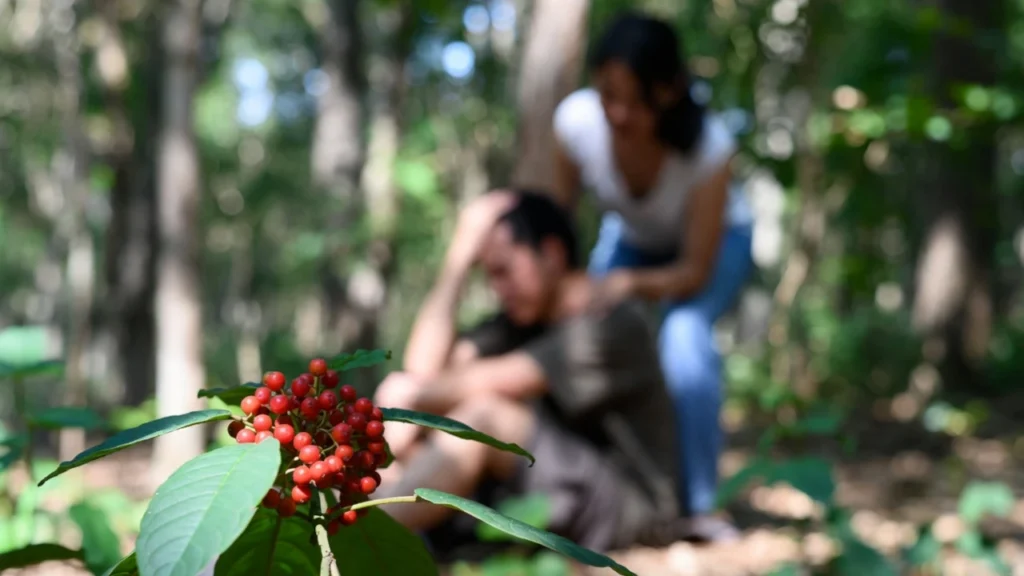
The consequences extend beyond immediate physical harm. Gastrointestinal distress like vomiting and diarrhea can dehydrate the body quickly. Neurological effects range from dizziness to seizures. Organ failure, particularly liver or kidney, may require intensive medical intervention. In severe cases, antidotes are limited or nonexistent, leaving supportive care as the only option. Survivors sometimes face lasting effects, including chronic pain or organ impairment.
Children and pets face heightened vulnerability. Smaller body sizes mean lower doses cause greater harm. Curious explorers in backyards or parks may sample unknown plants, turning misidentification into emergency situations.
Limitations of Technology in Identification
Technology offers tools but not foolproof solutions. Plant identification apps provide convenience, yet they show inconsistent accuracy, especially with toxic species. Apps may mislabel poisonous plants as safe or fail to distinguish subtle differences. Relying solely on digital aids increases risks rather than reducing them.
Key Principles for Achieving Positive Identification
Positive identification forms the cornerstone of safe foraging and directly counters the dangers of misidentifying plant medicines. Rather than ruling out what a plant is not, focus on confirming exactly what it is through thorough, multi-layered evidence.
Experienced foragers and botanists emphasize these core principles:
- Never consume unless 100% certain: Treat this as non-negotiable, only eat or use a wild plant, mushroom, or fungus when you have complete confidence in its identity and safety. This single rule prevents most poisoning incidents.
- Avoid negative elimination: Do not decide “it can’t be the toxic one” based on one missing trait. Many dangerous plants share overlapping features; always build positive confirmation instead.
- Prioritize scientific (Latin) names: Common names vary by region and can refer to safe or deadly species (e.g., “hemlock” ambiguity). Scientific nomenclature ensures precision and consistency.
- Use all your senses: Don’t rely on sight alone. Gently crush leaves or stems to check aroma (many toxic plants lack appealing smells), feel texture (hairy vs. smooth stems), and observe other details. Never use taste for identification unless already certain beyond doubt.
- Learn the poisonous species first: Start by familiarizing yourself with the most dangerous plants and fungi in your area. Knowing the deadly ones creates a strong mental filter, reduces fear, and makes safe plants easier to recognize.
- Always cross-verify sources: Never trust a single guide, photo, or app. Consult at least two or three independent, preferably regional, resources that cover growth stages, seasonal changes, and local variations.
- Embrace humility and continuous learning: Even experts revisit identifications and seek input from others. Overconfidence causes mistakes; approach every forage as a chance to refine your knowledge.
Incorporating these principles transforms foraging from a risky venture into a mindful, rewarding practice grounded in respect for nature’s potency.
Building Safe Foraging Habits Step by Step
Safe foraging demands a methodical approach grounded in preparation and caution.
Start with Reliable Regional Education
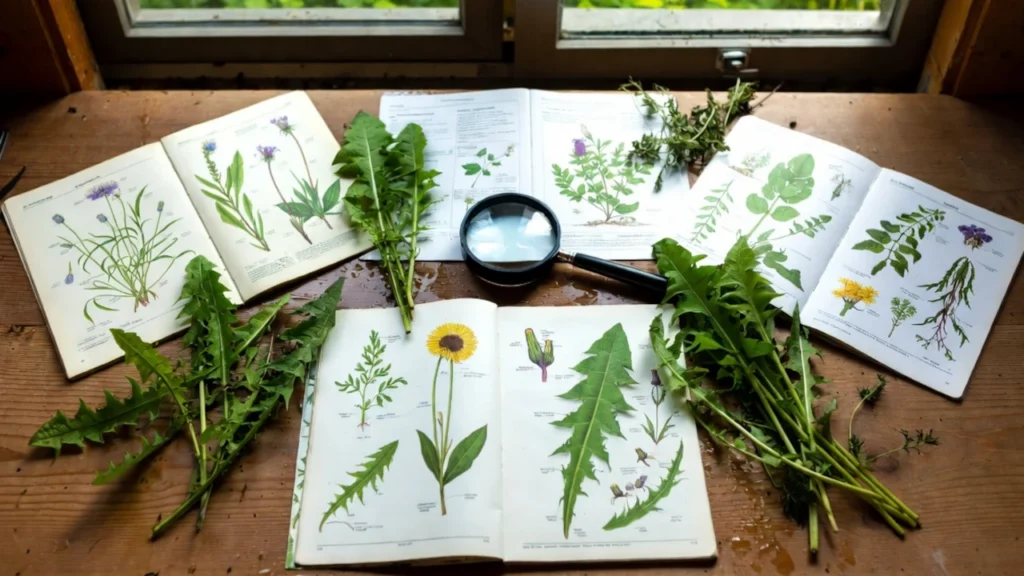
Start with education from reliable field guides specific to your region. Local botany books or resources from universities and naturalist groups offer detailed descriptions, including seasonal variations. In Canada, guides covering eastern forests, prairies, or Pacific coastal zones help narrow possibilities. Join experienced foragers or mycological societies for hands-on learning. Mentors spot details novices miss, such as stem texture, root structure, or odour.
Examine Multiple Identification Features
Always use multiple identification features. Examine the entire plant: leaves (arrangement, edges, veins), stems (colour, hairiness, sap), flowers (shape, number of petals), fruits or seeds, and habitat. Crush a small part to check smell. Cross-reference with at least two sources. If any doubt exists, leave the plant untouched.
Follow the Universal Safety Rule
The universal rule remains: never consume a plant unless positively identified as safe. When in doubt, do without. This principle prevents most incidents. Begin with easily recognizable species under guidance before attempting rarer medicinal plants.
Learn Plants by Botanical Families
Learning plant identification by families provides a strong foundation. Recognizing patterns in the Apiaceae (carrot family), Asteraceae (daisy family), or Liliaceae helps group similar species and spot differences faster. This systematic approach builds confidence over time.
Prepare and Harvest Responsibly
Preparation matters too. Some plants require specific processing to reduce toxicity, but misidentification negates this. Harvest sustainably, avoiding over-collection that depletes populations or contaminates areas.
Choose Safe Locations
Location awareness helps. Avoid polluted sites near roads, industrial zones, or sprayed fields, where plants absorb toxins. Private land requires permission, and protected areas often restrict harvesting.
Know What to Do in Case of Poisoning
If poisoning occurs, act immediately. Contact a poison control center or emergency services. Provide details: plant description, amount ingested, time elapsed, and symptoms. Quick response improves outcomes significantly.
Frequently Asked Questions
Q: How can beginners tell the difference between a safe medicinal plant and a toxic look-alike when they look almost identical?
A: Rely on multiple confirming characteristics rather than one feature. Always check the entire plant (stem texture, leaf arrangement, smell when crushed, habitat, and growth stage) and cross-reference with at least two reliable regional field guides. If even one detail does not match perfectly, leave the plant alone. Starting with the most poisonous species in your area helps you quickly rule out high-risk plants.
Q: Are plant identification apps safe enough to use for foraging medicinal plants?
A: No, apps should never be your only tool. They can potentially misidentify toxic species or fail to distinguish subtle differences, especially in early growth stages or poor lighting. Use them only as a preliminary check, then verify with printed field guides, expert mentors, or scientific names. Over-reliance on technology has contributed to many reported poisonings.
Q: What should I do if I accidentally ingest a plant I’m unsure about?
A: Do not wait for symptoms. Immediately call your local poison control center (in Canada: 1-800-268-9017 or your provincial hotline) or go to the nearest emergency department. Provide as much detail as possible: a description or photo of the plant, the amount consumed, when it happened, and any symptoms that have started. Quick action greatly improves outcomes.
Q: Is it okay to taste a tiny bit of a plant to help identify it?
A: Never taste a plant unless you are already 100% certain of its identity from other methods. Some toxins are extremely potent in even microscopic amounts and can cause serious harm before you even register a taste. Identification should rely on visual, tactile, olfactory, and habitat clues only.
Q: How do I know which plants are actually medicinal and worth the risk of foraging?
A: Begin with well-known, easily identifiable species under the guidance of experienced foragers or through reputable courses. Focus first on building identification skills rather than seeking rare or potent remedies. Many effective medicinal plants are common and unmistakable once you learn them properly. Always prioritize safety over experimentation.
Q: Can children or pets be affected even if they don’t eat much of a misidentified plant?
A: Yes, children and pets are far more vulnerable due to their smaller body size. Even a small amount of a toxic plant can cause severe effects in a child or animal. Keep unknown plants out of reach, supervise outdoor play, and teach family members the “when in doubt, leave it out” rule.
Final Thoughts on Respecting Nature’s Power
Misidentifying plant medicines highlights nature’s complexity and beauty alongside its perils. Foraging connects us to the environment and ancestral practices, but safety must come first. Respect for the wild means approaching it with humility and knowledge. By prioritizing accurate identification, continuous learning, and caution, foragers minimize risks. The rewards of responsibly gathered plant medicines far outweigh the dangers when done correctly. Stay informed, seek expertise, and let prudence guide every step into the green world.