



Kratom has been used for centuries by communities in Southeast Asia. Its leaves, known scientifically as Mitragyna speciosa, are valued for their potential to provide energy, relaxation, or relief from discomfort, depending on how they are consumed. Among the various methods of using kratom, chewing kratom leaves stands out as a traditional practice that delivers distinct effects compared to consuming dried kratom powder. This difference sparks curiosity among users and newcomers alike, prompting questions about why these two forms produce varied experiences.
Understanding the nuances between chewing kratom leaves and using dried powder is essential for anyone interested in this plant. The method of consumption influences not only the onset and intensity of effects but also the overall experience, from taste to cultural significance.
The Tradition of Chewing Kratom Leaves
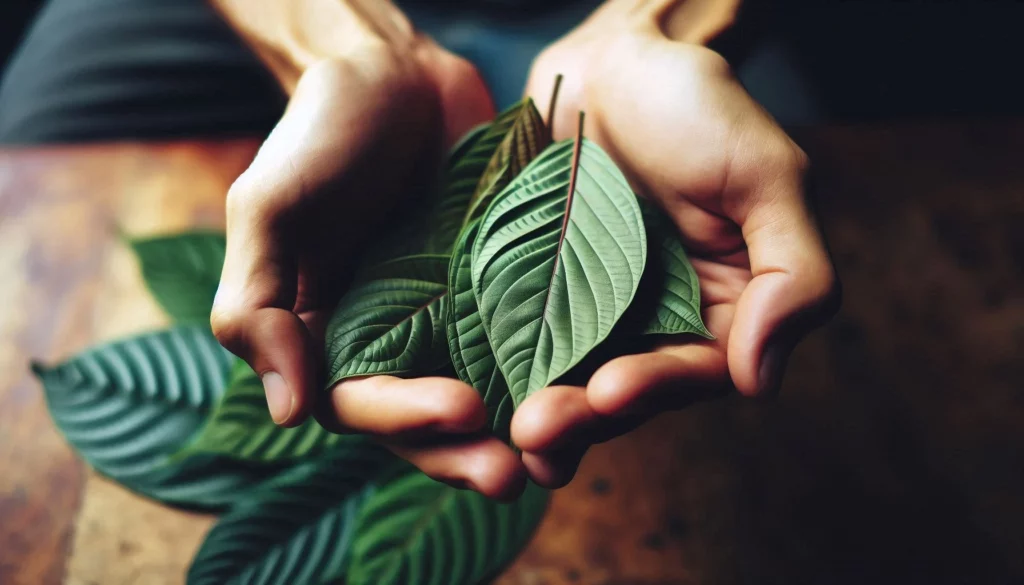
In Southeast Asia, chewing kratom leaves is a time-honoured practice, particularly among farmers and labourers who rely on the plant for stamina during long workdays. Fresh leaves are plucked directly from the tree, often with the central vein removed to reduce bitterness, and chewed slowly to release their active compounds. This method is deeply embedded in local cultures, where kratom is not just a botanical but a part of daily life, akin to drinking coffee in Western countries.
The act of chewing is simple yet deliberate. Users typically take one or two leaves, fold them, and chew for several minutes, swallowing the juices while sometimes spitting out the fibrous remains. This process allows for a gradual release of alkaloids, the plant’s active ingredients, which interact with the body in a unique way compared to other consumption methods. The cultural context of chewing also adds a layer of ritual, connecting users to a centuries-old tradition that values the plant’s natural form.
Dried Kratom Powder: A Modern Adaptation
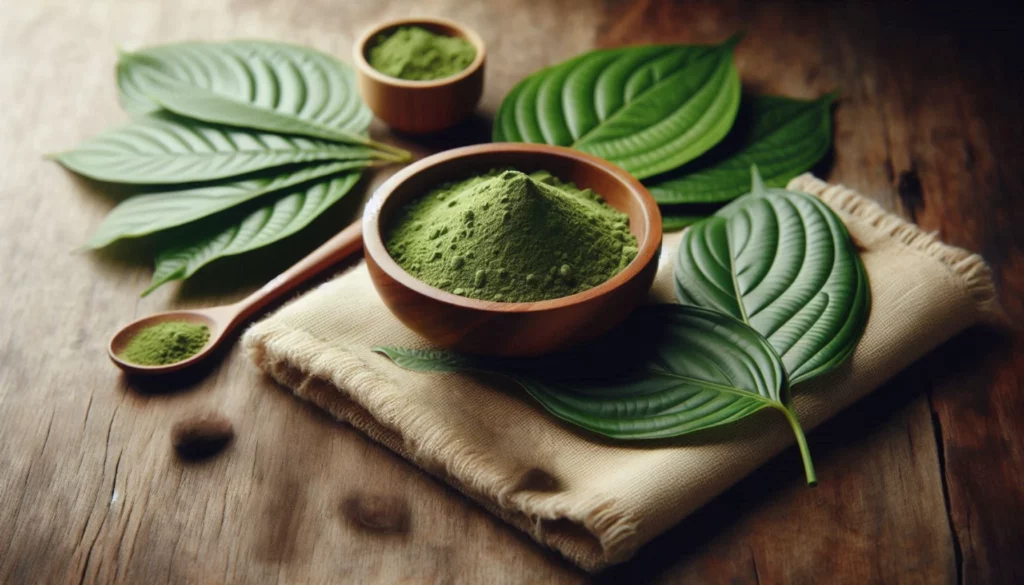
In contrast, dried kratom powder is a more modern and globally accessible form of the plant. To create the powder, fresh leaves are harvested, dried under controlled conditions, and ground into a fine dust. This process preserves the alkaloids but alters the leaf’s structure and composition, making it suitable for various consumption methods, such as mixing into beverages, encapsulating, or brewing as tea.
Dried powder is popular outside Southeast Asia because fresh leaves are perishable and difficult to transport internationally. The powder’s versatility allows users to measure precise doses and incorporate kratom into their routines in ways that suit their lifestyles. However, the drying and grinding process changes how the body absorbs the alkaloids, leading to differences in effects compared to chewing fresh leaves.

Why Chewing Kratom Leaves Feels Different
The distinct effects of chewing kratom leaves versus consuming dried powder stem from several factors, including alkaloid release, absorption rates, and the presence of additional plant compounds. Let’s explore these differences in detail to understand why the two methods produce unique experiences.
1. Alkaloid Release and Potency
Kratom’s effects are primarily driven by its alkaloids, with mitragynine and 7-hydroxymitragynine being the most prominent. These compounds interact with receptors in the brain, producing effects that range from stimulation at low doses to relaxation at higher doses. When chewing kratom leaves, the alkaloids are released directly through saliva, which begins breaking down the leaf’s cellular structure in the mouth.
Fresh leaves contain a full spectrum of alkaloids in their natural state, along with other compounds like flavonoids and terpenes, which may enhance the overall effect. The chewing process allows for a slow, steady release of these compounds, creating a more immediate and sustained experience. Users often report feeling effects within five to ten minutes, with a pronounced sense of alertness or calm, depending on the strain and dose.
In contrast, kratom powder in Canada must pass through the digestive system before the alkaloids are absorbed. The drying process can slightly degrade some alkaloids, particularly if exposed to excessive heat or light, potentially reducing potency. Additionally, grinding the leaves into powder removes some of the plant’s fibrous structure, which may influence how the body processes the alkaloids. The effects of powder typically take 20 to 40 minutes to manifest, often feeling more gradual and less intense than those from fresh leaves.
2. Absorption Through the Oral Mucosa
One of the most significant differences between chewing kratom leaves and consuming dried powder is the route of absorption. When chewing fresh leaves, alkaloids are absorbed directly through the mucous membranes in the mouth, a process known as sublingual or buccal absorption. This allows the compounds to enter the bloodstream quickly, bypassing the digestive system and liver, which can metabolize and delay the effects.
This rapid absorption explains why users who chew leaves often describe a faster onset and more pronounced initial effects. The sensation may feel more stimulating, with a clean, uplifting energy that aligns with the traditional use of kratom as a work aid. Some users also report a numbing sensation in the mouth, attributed to the alkaloids’ interaction with oral tissues, which adds to the unique experience.
Dried powder, however, is typically swallowed, whether mixed with a liquid, encapsulated, or used in tea. This means the alkaloids must be broken down in the stomach and absorbed through the intestines, a slower process that results in a delayed onset. The liver also metabolizes some of the alkaloids before they reach the bloodstream, a phenomenon known as first-pass metabolism, which can reduce their bioavailability. As a result, the effects of powder may feel more sedative or prolonged, especially at higher doses.
3. Presence of Plant Material
Fresh kratom leaves contain not only alkaloids but also stems, veins, and other plant material that contribute to their effects. When chewed, these components are partially ingested, providing a broader range of compounds that may influence the experience. For example, the veins and stems are rich in alkaloids and can alter the balance of mitragynine and 7-hydroxymitragynine, potentially enhancing certain effects.
Dried powder, on the other hand, is often processed to remove larger veins and stems, resulting in a more uniform product. While this ensures consistency, it may exclude some of the plant’s secondary compounds that contribute to the entourage effect, where multiple components work together to enhance the overall impact. Users who chew leaves may benefit from this synergy, experiencing a more complex and nuanced effect compared to the streamlined profile of powder.
Taste and Texture: A Sensory Comparison
The sensory experience of chewing kratom leaves versus consuming dried powder also plays a role in how users perceive their effects. Fresh leaves have a bitter, earthy taste that can be intense but is often described as more tolerable than dried powder. The act of chewing allows saliva to dilute the bitterness, and removing the central vein further reduces it. Some users even find the flavour refreshing, especially when paired with a sip of water.
Dried kratom powder, by contrast, is notoriously bitter and gritty, making it challenging to consume without masking the taste. Common methods like the toss-and-wash technique, where powder is swallowed with a liquid, or mixing it into smoothies or tea, aim to minimize the unpleasant flavour. However, the texture can still be off-putting, and some users experience nausea or discomfort due to the volume of plant material ingested.
The sensory differences influence user preference and adherence. Those who chew leaves may find the process more enjoyable or ritualistic, while powder users prioritize convenience and accessibility. These preferences can shape how individuals perceive the effects, as a positive sensory experience may enhance the overall enjoyment of kratom.
Cultural and Practical Considerations
Chewing kratom leaves is deeply tied to the cultural practices of Southeast Asia, where access to fresh leaves is abundant. For locals, chewing is not only practical but also a way to connect with their heritage. The availability of fresh leaves eliminates the need for processing, making it a cost-effective and sustainable option. However, fresh leaves are perishable and lose potency within days, limiting their use to regions where kratom trees grow naturally.
In countries like Canada or the United States, dried kratom powder dominates due to logistical constraints. Importing fresh leaves is impractical, as they degrade quickly and face strict regulations. Powder, capsules, and extracts offer a shelf-stable alternative that can be shipped globally, catering to a growing international audience. This accessibility has fueled kratom’s popularity but shifts the experience away from its traditional roots.
The choice between chewing leaves and using powder often comes down to availability and lifestyle. Those with access to fresh leaves may prefer the traditional method for its immediacy and cultural resonance, while powder users value the flexibility and consistency of processed kratom. Both methods have their merits, but the differences in preparation and consumption shape their appeal.
Potential Side Effects and Considerations
Both chewing kratom leaves and consuming dried powder can produce side effects, though the likelihood and severity vary. Chewing fresh leaves may cause less digestive discomfort because the fibrous material is often spit out, reducing the amount of plant material in the stomach. However, the rapid absorption of alkaloids can lead to stronger initial effects, which may be overwhelming for new users or those sensitive to kratom.
Dried powder, due to its higher volume of plant material, can sometimes cause nausea, bloating, or constipation, particularly if taken on a full stomach or in large doses. The slower onset may also tempt users to take more, increasing the risk of side effects like dizziness or sedation. Proper dosing and hydration are crucial for minimizing these risks, regardless of the method.
Long-term use of either form may lead to tolerance or dependence, especially with frequent consumption. Users should approach kratom with moderation and awareness, consulting healthcare professionals if they have underlying conditions or take medications that could interact with the plant.
Which Method Is Right for You?
Choosing between chewing kratom leaves and consuming dried powder depends on your goals, preferences, and circumstances. If you value tradition, live in a region with access to fresh leaves, or prefer a faster-acting, stimulating effect, chewing may be the ideal choice. The ritualistic aspect and direct absorption offer a unique experience that aligns with kratom’s historical use.
If convenience, consistency, and global availability are priorities, dried powder is likely more suitable. Its versatility allows for creative consumption methods, from teas to capsules, and precise dosing ensures a predictable experience. Powder is also more accessible for those outside Southeast Asia, making it a practical option for most users.
Experimenting with both methods, if possible, can help you determine which aligns with your needs. Start with small doses to gauge your response, and pay attention to how each method affects your body and mind. Whether you choose the fresh, vibrant leaves or the finely ground powder, understanding their differences empowers you to make informed decisions about your kratom journey.
Frequently Asked Questions About Chewing Kratom Leaves vs. Dried Powder
Q: Why does chewing kratom leaves produce effects faster than dried powder?
A: Chewing kratom leaves allows alkaloids to be absorbed through the mouth’s mucous membranes, entering the bloodstream quickly. Dried powder, when swallowed, must pass through the digestive system, which delays the onset of effects.
Q: Can I chew dried kratom powder instead of fresh leaves?
A: Chewing dried kratom powder is not recommended. It lacks the moisture and structure of fresh leaves, making it difficult to chew and potentially irritating to the mouth. Powder is better suited for swallowing or mixing into liquids.
Q: Are the alkaloids in fresh kratom leaves stronger than in dried powder?
A: Alkaloids in fresh leaves are in their natural state and may feel stronger due to direct absorption and the presence of additional plant compounds. Drying can slightly degrade alkaloids, but proper processing minimizes this loss.
Q: Is chewing kratom leaves safer than consuming dried powder?
A: Neither method is inherently safer; both carry risks like nausea or tolerance with overuse. Chewing may cause less digestive discomfort, but rapid alkaloid absorption can lead to stronger effects, requiring careful dosing.
Q: Can I access fresh kratom leaves outside Southeast Asia?
A: Fresh kratom leaves are rare outside Southeast Asia due to their perishability and import restrictions. Dried powder or capsules are more practical and widely available in regions like Canada or the United States.
Q: Does the strain of kratom affect the differences between chewing leaves and using powder?
A: Yes, strains like Maeng Da or Bali influence effects regardless of form. However, chewing leaves may amplify a strain’s stimulating qualities, while powder may emphasize its relaxing effects due to slower absorption.
Final Thoughts on Chewing Kratom Leaves vs. Dried Powder
Chewing kratom leaves and consuming dried powder offer distinct pathways to experiencing the effects of Mitragyna speciosa. The traditional practice of chewing delivers a rapid, stimulating effect through direct alkaloid absorption, enriched by the plant’s full spectrum of compounds. Dried powder, a modern adaptation, provides versatility and accessibility but with a slower onset and potentially less complex profile. These differences stem from variations in alkaloid release, absorption routes, and the presence of plant material, each shaping the user’s experience in unique ways.
By exploring these methods, you gain insight into kratom’s versatility and cultural significance. Whether you’re drawn to the ritual of chewing fresh leaves or the convenience of powdered kratom, both approaches offer valuable ways to engage with this remarkable plant. As you navigate your kratom journey, let curiosity and mindfulness guide you toward the method that best suits your lifestyle and preferences.
Disclaimer
The information provided in this blog post about chewing kratom leaves and consuming dried kratom powder is for educational and informational purposes only and should not be considered medical advice. Kratom (Mitragyna speciosa) has not been approved by Health Canada, the U.S. Food and Drug Administration (FDA), or other regulatory authorities for medical use, and its safety and efficacy have not been fully established through clinical research. Potential health risks associated with kratom use include nausea, dizziness, constipation, dependence, and, in rare cases, more severe adverse effects.
Individuals considering kratom should exercise caution, start with low doses, and be aware of possible interactions with medications or pre-existing health conditions. Consult a qualified healthcare professional before using kratom, especially if you are pregnant, breastfeeding, have underlying medical conditions, or are taking prescription or over-the-counter medications.
The effects of kratom can vary widely based on dosage, strain, method of consumption, and individual physiology, and long-term use may lead to tolerance or dependence. Always source kratom from reputable vendors to minimize risks of contamination or adulteration. The author and publisher are not responsible for any adverse effects or consequences resulting from the use of kratom or reliance on the information presented in this post.