


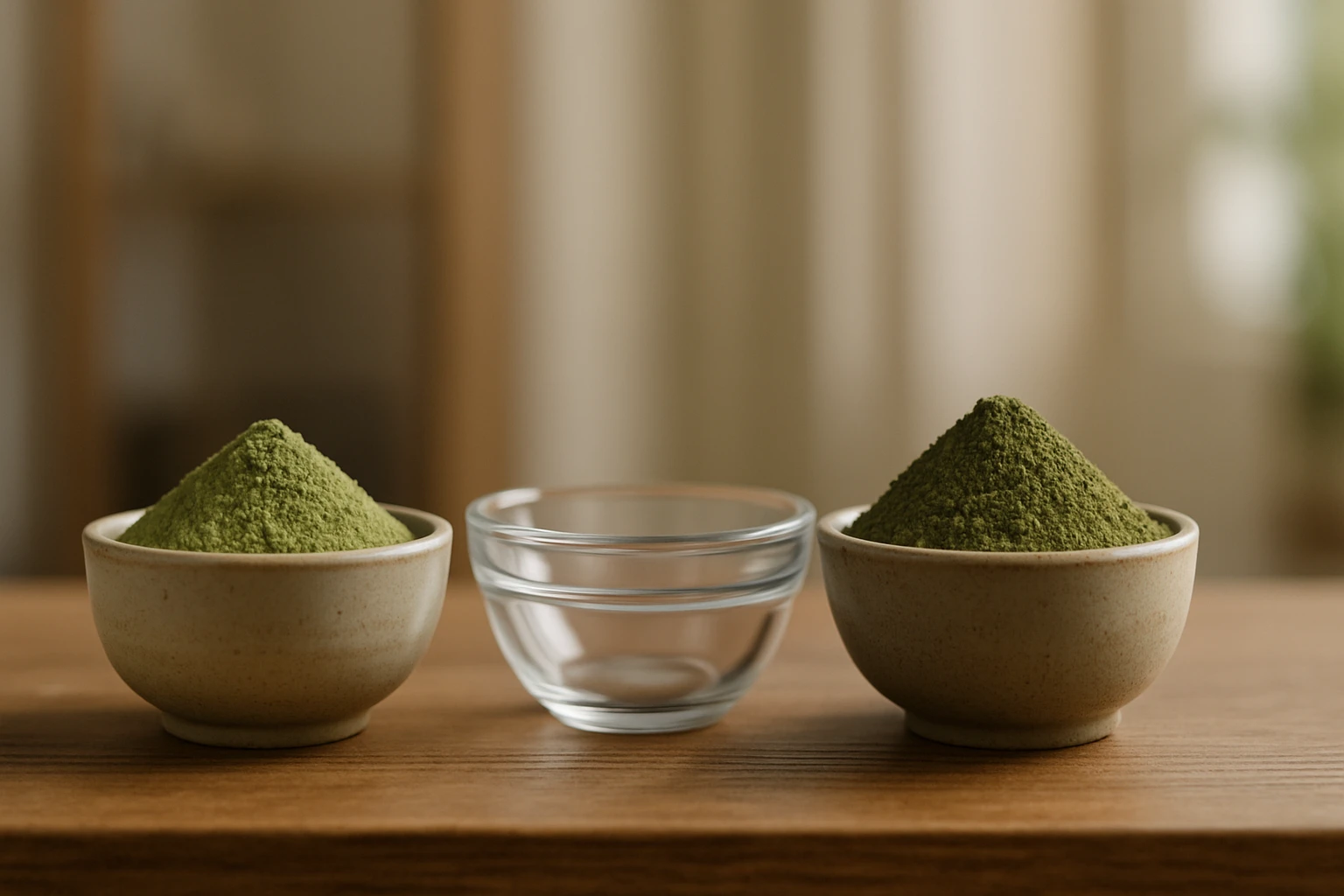

Kratom has captivated wellness enthusiasts with its diverse effects on the human body. For those seeking a experience catered to themselves, blending kratom strains offers a creative way to customize these effects to suit individual needs. This practice, often described as an art form, allows users to combine different strains to achieve a unique balance of energy, relaxation, or focus.
Whether you’re new to kratom or an experienced user, understanding how to blend strains can elevate your experience, providing a personalized approach to wellness. This blog explores the nuances of blending kratom strains, offering insights into the process, the characteristics of different strains, and practical tips for crafting your own blends.
Understanding Kratom Strains
Kratom, scientifically known as Mitragyna speciosa, is harvested from the leaves of a tree grown in regions like Thailand, Indonesia, and Malaysia. The leaves are categorized by their maturity at different growing stages, which also influences their alkaloid profile. These alkaloids, primarily mitragynine and 7-hydroxymitragynine, are responsible for kratom’s effects. The three primary vein types are red, green, and white, each offering distinct properties.
Red vein kratom, harvested from mature leaves, is often associated with calming and soothing effects. Users may turn to red strains for relaxation, stress relief, or to unwind after a long day. Green vein kratom, picked at a mid-stage of maturity, strikes a balance between stimulation and relaxation, often promoting clarity and mild energy. White vein kratom, derived from younger leaves, is typically linked to energizing and mood-enhancing effects, making it a popular choice for daytime use. Each strain’s unique alkaloid profile contributes to its character and effects.
Why Blend Kratom Strains?
Blending kratom strains is akin to crafting a fine wine or composing a symphony. It’s about harmonizing different elements to create something greater than the sum of its parts. The primary motivation for blending is customization. A single strain may not fully address a user’s needs, but combining strains can amplify desired effects or balance out less desirable ones. For instance, someone seeking energy without jitteriness might blend a white strain with a green one to temper the intensity. Similarly, a user looking for relaxation without excessive sedation could combine a red strain with a touch of white for a more balanced calm.
Another reason to blend is to mitigate strain fatigue. Using the same strain repeatedly can lead to diminished effects over time, as the body becomes accustomed to its alkaloid profile. Blending introduces variety, keeping the experience fresh and potentially extending the effectiveness of kratom. Additionally, blending can enhance flavour. Kratom’s natural bitterness can be off-putting, but mixing strains or adding complementary botanicals can improve the taste, making consumption more enjoyable.
The Science Behind Kratom’s Effects
The effects of kratom stem from its alkaloids, which interact with the body’s opioid receptors, though with less intensity than traditional opioids. Mitragynine, the most abundant alkaloid, is responsible for stimulating effects at lower doses, boosting energy and focus. At higher doses, 7-hydroxymitragynine becomes more prominent, contributing to relaxation and pain relief. The balance of these alkaloids varies by strain, region, and processing method, which is why a Red Thai might feel different from a Red Borneo, even though both are red vein strains.
Processing techniques, such as drying or fermentation, also influence a strain’s profile. For example, red strains are often fermented, enhancing their sedative qualities, while white strains may be dried in direct sunlight to preserve their stimulating properties. When blending kratom strains, these differences allow users to fine-tune the alkaloid balance, creating a blend that aligns with their desired outcome.
Choosing Strains for Blending
Selecting the right strains is the foundation of a successful blend. Start by identifying your goal. Are you seeking an energizing boost for a productive morning? A calming blend for evening relaxation? Or perhaps a balanced mix for all-day wellness? Your intention will guide your strain selection.
For energy and focus, white vein strains like White Maeng Da or White Thai are excellent choices due to their high mitragynine content. These strains provide a clean, uplifting energy, often compared to a strong cup of coffee. Green vein strains, such as Green Malay or Green Borneo, are versatile, offering moderate stimulation paired with a sense of calm. They’re ideal for users who want clarity without overstimulation. Red vein strains, like Red Bali or Red Thai, are best for relaxation, stress relief, or supporting restful sleep.
Consider the strain’s origin as well. Strains from different regions, such as Maeng Da from Thailand or Bali from Indonesia, may have subtle variations in potency or effect due to soil, climate, or cultivation practices. For example, Maeng Da strains are often more potent due to grafting techniques, making them a strong base for blends. Experimenting with strains from different regions can add depth to your blend, much like blending grapes from different vineyards to create a complex wine.
The Art of Blending Kratom Strains
Blending kratom strains is both a science and an art, requiring precision and creativity. The process begins with understanding the effects of individual strains, which comes from experience. If you’re new to kratom, start by trying single strains to familiarize yourself with their effects before blending. This knowledge helps you predict how strains might interact when combined.
A common approach is to blend strains from different vein types to balance their effects. For example, combining a white strain with a red strain can create a blend that offers both energy and calm, ideal for a productive yet relaxed day. A popular ratio for beginners is 1:1, where equal parts of each strain are mixed. For instance, 2 grams of White Maeng Da and 2 grams of Red Bali can produce a blend that feels energizing yet grounding.
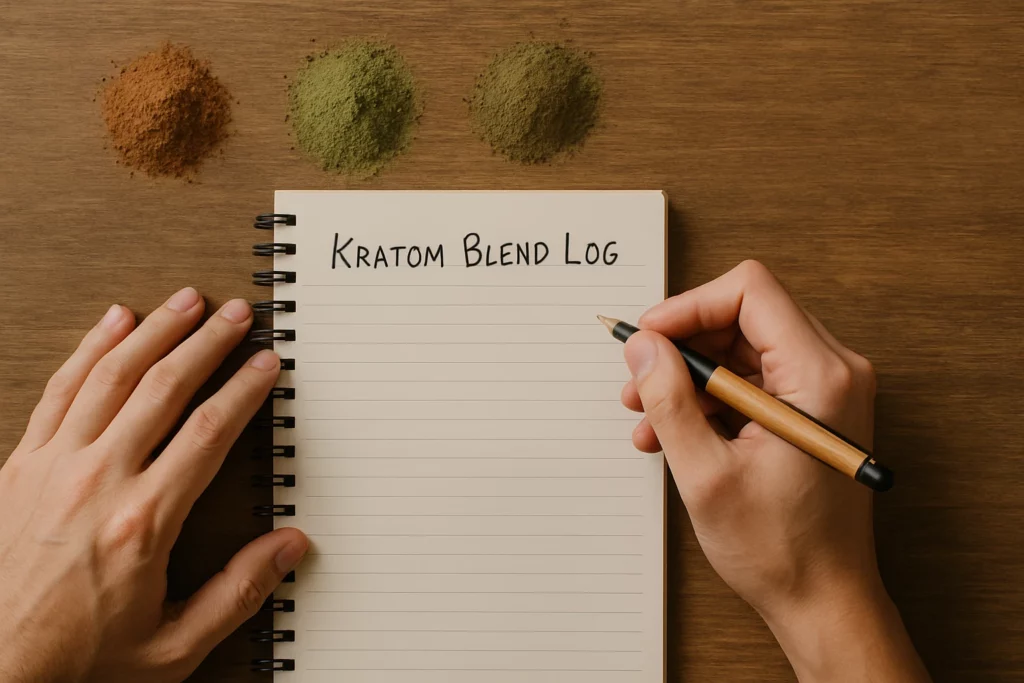
More experienced users might experiment with uneven ratios to emphasize certain effects. A 3:1 ratio of Green Malay to Red Borneo, for example, might provide sustained energy with a hint of relaxation, perfect for a busy afternoon. The key is to start with small quantities and adjust gradually. Keep a journal to track the strains, ratios, and effects, allowing you to replicate successful blends or refine those that fall short.
Practical Tips for Blending
To create a successful blend, precision and care are essential. Here are some practical steps to guide you:
- Start Small: Begin with low doses, especially when trying a new blend. A total of 2-4 grams is a good starting point for most users. This minimizes the risk of overwhelming effects and allows you to gauge the blend’s impact.
- Measure Accurately: Use a digital scale to measure each strain precisely. Eyeballing doses can lead to inconsistent results, as even small variations can alter the blend’s effects.
- Mix Thoroughly: Combine the powders in a small bowl or container, stirring gently with a spoon or fork to ensure an even mix. Avoid using electric blenders, as they can cause the powder to scatter or lose potency.
- Test and Adjust: After trying a blend, note how it feels. If it’s too stimulating, add more of a red strain. If it’s too sedating, incorporate more white or green. Experimentation is key to finding your ideal mix.
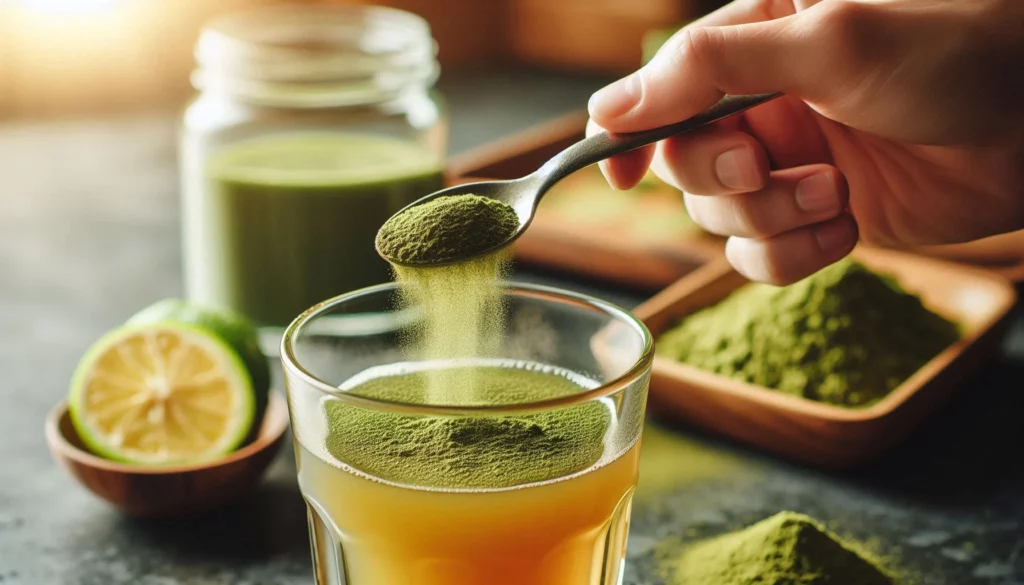
- Consider Consumption Method: Blends can be consumed as powders, capsules, or teas. For powders, mix with water, juice, or a smoothie to mask the bitterness. Teas allow for steeping, which can enhance flavour, especially when combined with herbs like ginger or lemon.
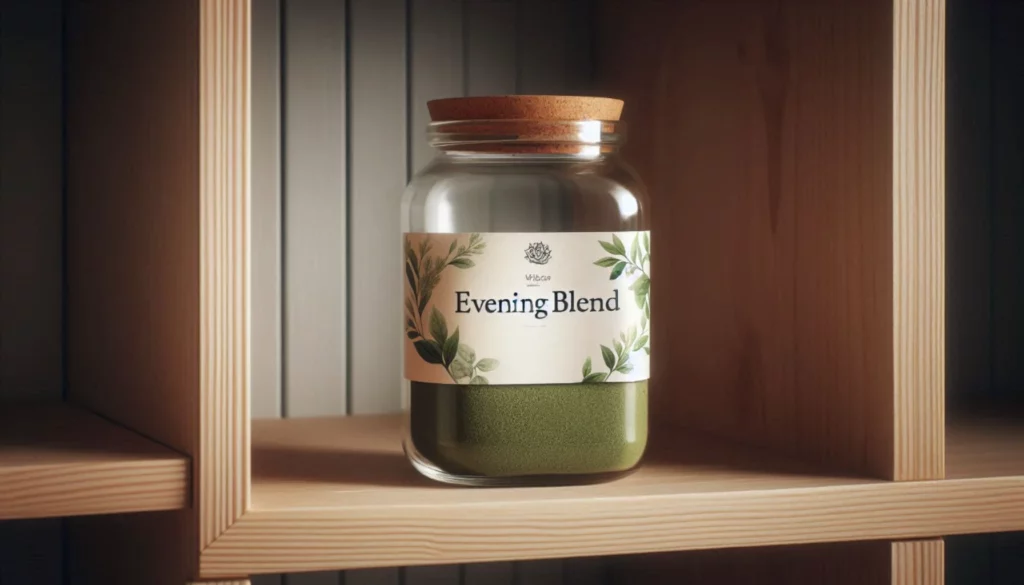
- Store Properly: Keep your blends in airtight containers, away from light and moisture, to preserve their potency. Label each blend with the strains and ratios used for easy reference.
Enhancing Blends with Botanicals
Beyond blending kratom strains, some users incorporate other botanicals to enhance flavour or complement effects. For example, stevia or honey can add natural sweetness to a kratom tea, reducing its bitterness. Herbs like ginger, cinnamon, or chamomile can enhance relaxation or digestion, creating a more holistic experience. Adaptogenic mushrooms, such as reishi or lion’s mane, may support wellness goals like stress relief or cognitive clarity.
When adding botanicals, research their properties to ensure they align with your goals. For instance, pairing kratom with calming herbs like lavender can enhance a relaxing blend, while citrus fruits can brighten an energizing mix. Always start with small amounts to assess how the botanicals interact with kratom’s effects.
Safety and Responsibility in Blending
While blending kratom strains can be rewarding, it’s crucial to approach it with care. Kratom’s effects vary based on dosage, individual body chemistry, and strain potency. Start with low doses, especially when experimenting with new blends, to avoid discomfort. Higher doses (5-8 grams) may lead to sedation or side effects like nausea, so moderation is key.
Purchase kratom from reputable vendors who provide lab-tested products to ensure purity, safety and that you’re getting the best kratom in Canada. Check for certificates of analysis that detail alkaloid content and screen for contaminants like heavy metals. Be aware of your local regulations, as kratom’s legal status varies. In Canada, for instance, kratom is legal but not approved as a health product, so it’s sold as a botanical rather than a supplement.
Listen to your body and take breaks to prevent tolerance buildup. If you experience adverse effects, reduce your dose or consult a healthcare professional. Blending should enhance your experience, not complicate it, so prioritize safety and mindfulness.
The Creative Journey of Blending
Blending kratom strains is a journey of discovery, inviting users to explore the interplay of flavours, effects, and aromas. It’s a chance to become an alchemist of sorts, crafting blends that resonate with your unique needs. Whether you’re seeking a morning pick-me-up, an evening wind-down, or a balanced all-day companion, the art of blending empowers you to take control of your kratom experience.
As you experiment, embrace the process with curiosity and patience. Each blend is an opportunity to learn more about kratom’s versatility and your own preferences. Keep a record of your experiments, noting what works and what doesn’t, to refine your craft over time. Share your findings with the kratom community, as collective knowledge can inspire new ideas and combinations.
The Role of Intuition in Blending
While precision is important, intuition plays a significant role in blending kratom strains. As you gain experience, you’ll develop a sense for which strains complement each other and how ratios affect the outcome. Trusting your instincts allows you to create blends that feel uniquely yours, tailored to your mood, environment, or goals.
For instance, a blend crafted for a quiet evening might differ from one made for a social gathering. Pay attention to how your body and mind respond, and let that guide your adjustments. Over time, blending becomes less about following recipes and more about creating an experience that feels personal and meaningful.
Frequently Asked Questions About Blending Kratom Strains
Q: How do I know which kratom strains to blend for my needs?
A: Start by defining your goal, such as energy, relaxation, or balance. Choose strains based on their vein type: white for stimulation, green for balance, and red for calm. Test single strains first to understand their effects, then combine them in small ratios (e.g., 1:1) to see how they interact. Adjust based on your experience.
Q: Can blending kratom strains increase potency or safety risks?
A: Blending doesn’t inherently increase potency but can amplify specific effects depending on the strains and ratios. To stay safe, use low doses (2-4 grams total) and source kratom from reputable vendors with lab-tested products. Monitor your body’s response and avoid high doses to minimize risks like nausea.
Q: How can I improve the taste of my kratom blends?
A: Kratom’s bitterness can be softened by mixing powders with juice, smoothies, or honey. For teas, steep your blend with herbs like ginger or chamomile to enhance flavour. Adding natural sweeteners like stevia or honey can also make the blend more palatable without altering its effects.
Q: How often should I change my kratom blends to avoid tolerance?
A: Rotate blends every few days or weekly to prevent tolerance buildup. Vary the strains and ratios to keep your body from adapting to a single alkaloid profile. Taking occasional breaks (e.g., a day or two) from kratom can also help maintain its effectiveness.
Q: Are there any botanicals I should avoid when blending with kratom?
A: Avoid combining kratom with substances that depress the central nervous system, such as alcohol or sedatives, as they may amplify sedative effects. Research any botanical before adding it, and start with small amounts to ensure it complements kratom safely and aligns with your goals.
Conclusion
The art of blending kratom strains is a dynamic and rewarding practice that combines knowledge, creativity, and experimentation. By understanding the properties of red, green, white strains, users can craft blends that align with their wellness goals, whether it’s boosting energy, promoting relaxation, or finding balance. With careful measurement, thoughtful strain selection, and a touch of intuition, anyone can master this craft, creating blends that enhance their kratom experience.
As you embark on your blending journey, approach it with respect for kratom’s complexity and a commitment to safety. Experiment with different combinations, explore botanicals, and draw inspiration from kratom’s rich cultural roots. The result is not just a blend, but a personalized expression of wellness, crafted to suit your unique needs. Let the art of blending kratom strains guide you toward a deeper connection with this remarkable plant.
Disclaimer
The information in this blog on blending kratom strains is for educational and informational purposes only and is not medical advice, diagnosis, or treatment. Kratom (Mitragyna speciosa) is not approved by Health Canada or other regulatory bodies for medical use. Its effects vary by individual factors like body chemistry, dosage, strain, and consumption method, and its safety is not fully established. Potential risks include nausea, dizziness, sedation, or, with long-term use, tolerance and dependence.
Consult a healthcare professional before using kratom, especially if you have medical conditions, are pregnant or breastfeeding, or take medications, as interactions may occur. Blend kratom cautiously, starting with low doses, and source from reputable vendors with lab-tested products for purity and safety. Kratom’s legal status varies by region; users must comply with local laws. The authors and publishers are not liable for any adverse effects or consequences from using kratom or applying this blog’s information. Prioritize safety, moderation, and informed decision-making with kratom or any herbal supplement.