

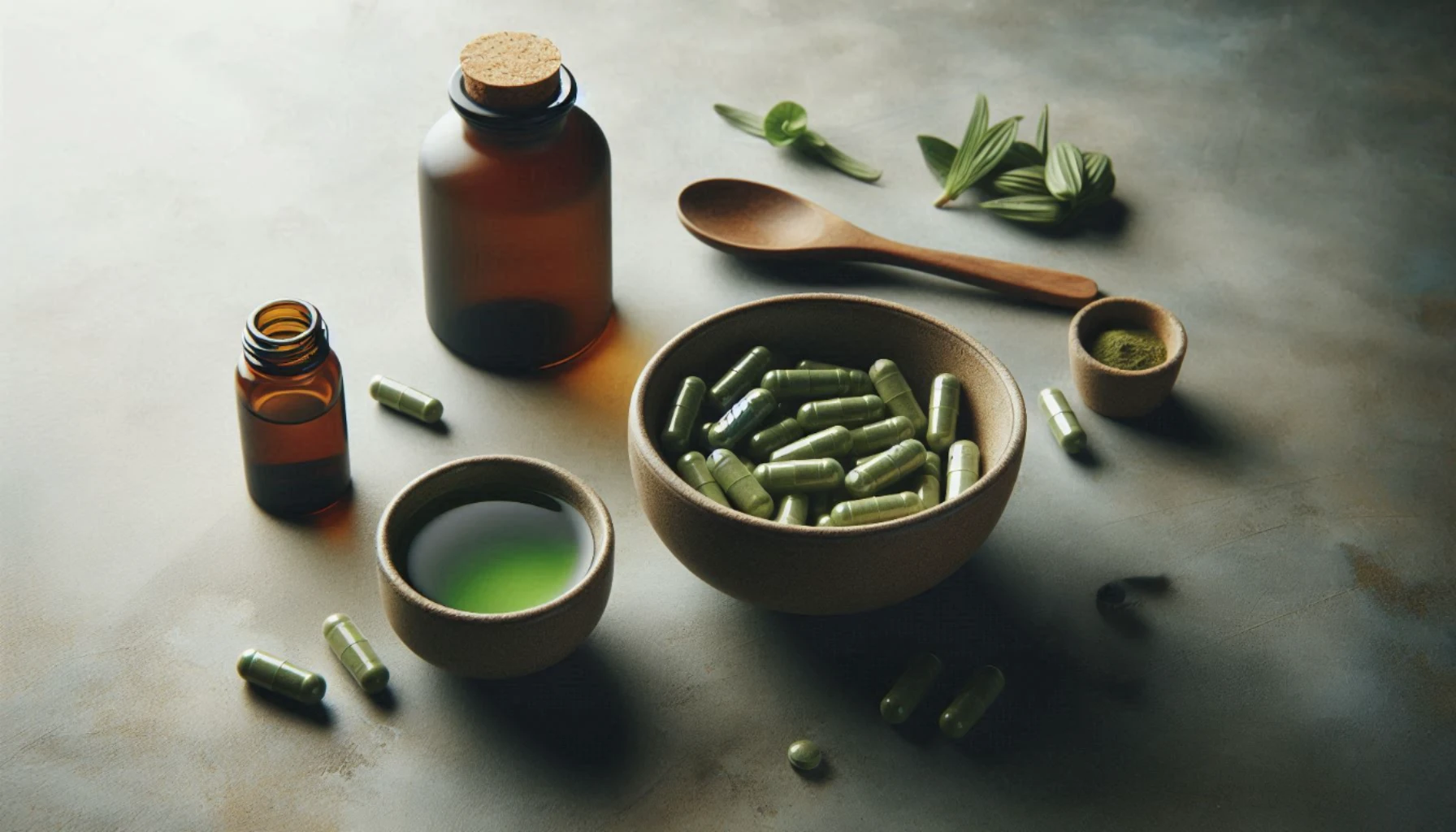

Bioavailability is a critical concept for anyone exploring the world of plant-based remedies. It determines how effectively the body can absorb and utilize the active compounds in herbs, roots, or leaves, ultimately influencing their therapeutic potential. Whether you’re brewing a cup of tea or incorporating turmeric into your diet, understanding bioavailability can help you maximize the benefits of these natural substances.
What Is Bioavailability?
At its core, bioavailability refers to the proportion of a substance that enters the bloodstream and becomes available to produce its intended effect. In the context of plant-based remedies, it measures how much of a plant’s active compounds (such as alkaloids, flavonoids, or terpenes) reach the target tissues in the body after consumption. A compound with high bioavailability is efficiently absorbed and utilized, while one with low bioavailability may pass through the body with minimal impact.
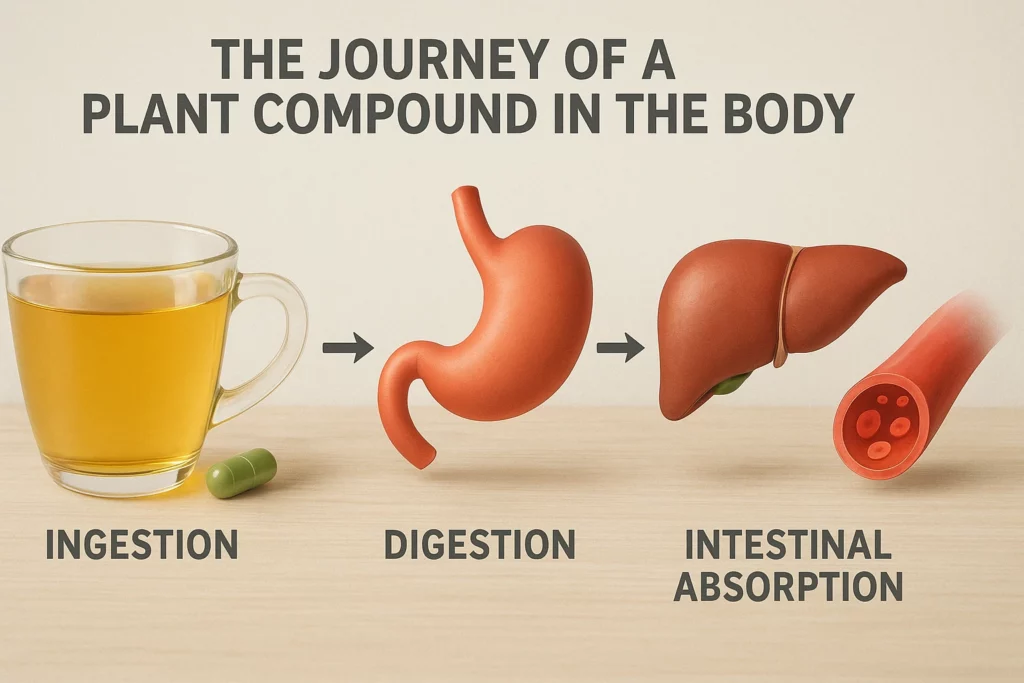
The journey of a plant compound from ingestion to action is complex. When you consume a plant-based remedy, whether through a tea, capsule, or tincture, the active ingredients must navigate a series of biological hurdles. These include digestion, metabolism, and transport across cell membranes. Each step can reduce the amount of the compound that ultimately reaches your bloodstream. For example, a potent antioxidant in a berry might seem promising, but if only a fraction of it survives digestion, its benefits may be limited.
Understanding bioavailability is essential because it bridges the gap between a plant’s potential and its real-world effectiveness. A remedy packed with beneficial compounds won’t deliver its full value if those compounds aren’t absorbed properly. By learning what influences bioavailability, you can optimize how you use plant-based remedies to support your health.
The Science of Absorption in Plant-Based Remedies
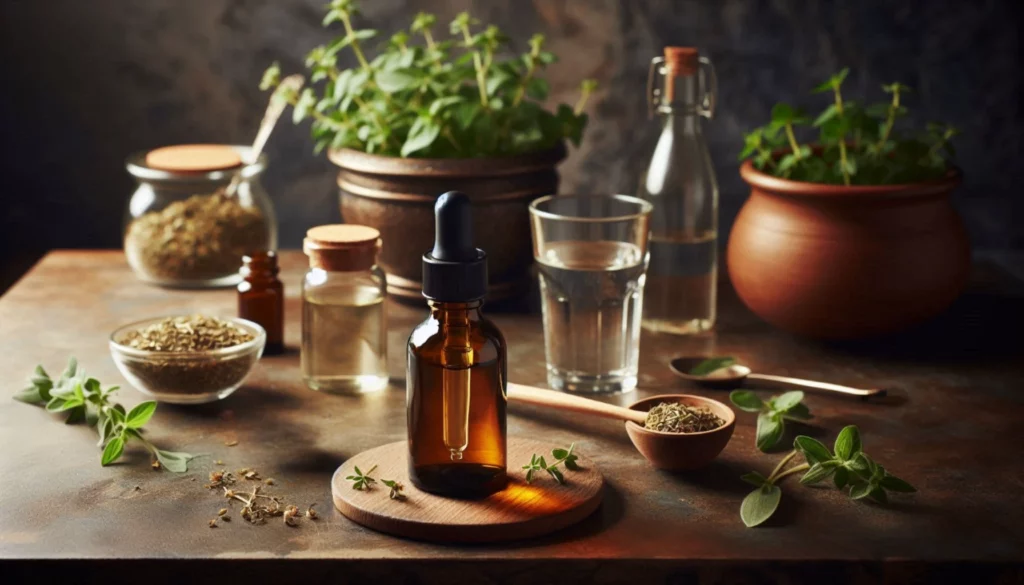
To grasp why bioavailability matters, it’s helpful to understand how the body processes plant compounds. The journey begins in the digestive system, where the method of consumption plays a significant role. For instance, swallowing a capsule exposes its contents to stomach acid and enzymes, which can break down or alter delicate compounds. In contrast, sublingual tinctures bypass much of the digestive process, allowing compounds to enter the bloodstream directly through the tissues under the tongue.
Once a compound survives digestion, it must pass through the intestinal wall to enter the bloodstream. This step, known as intestinal absorption, is influenced by the compound’s chemical structure. Lipophilic (fat-loving) compounds, like those found in essential oils, are often absorbed more easily than hydrophilic (water-loving) ones, such as certain flavonoids. However, even after absorption, the liver can further metabolize compounds in a process called first-pass metabolism, reducing the amount that reaches systemic circulation.
The bioavailability of a compound is typically expressed as a percentage. For example, if 100 milligrams of a plant compound are consumed and only 20 milligrams reach the bloodstream, its bioavailability is 20%. This percentage varies widely among plant compounds. Curcumin, the active ingredient in turmeric, has notoriously low bioavailability, often less than 1%, while compounds like caffeine from coffee or tea can have an absorption rate closer to 90%.
Factors Influencing Bioavailability
Several factors determine how bioavailable a plant compound is. These include the compound’s chemical properties, the form of the remedy, and individual physiological differences. Let’s explore these key influences in detail.
Chemical Structure and Bioavailability
The molecular makeup of a plant compound heavily impacts its absorption. Compounds with smaller molecular sizes or those that are fat-soluble tend to cross cell membranes more easily. Take polyphenols in green tea for example, like epigallocatechin gallate (EGCG), face challenges due to their large size and poor solubility in water, which limits their absorption. In contrast, smaller, fat-soluble molecules like the terpenes in lavender essential oil are more readily absorbed through the skin or mucous membranes.
How Consumption Methods Affect Bioavailability
How you consume a plant-based remedy significantly affects its bioavailability. Common methods include oral ingestion (teas, capsules, or powders), sublingual administration (tinctures or drops), topical application (creams or oils), and inhalation (aromatherapy or vaporization). Each route has unique advantages and challenges.
Oral ingestion is the most common but often the least efficient due to the digestive system’s barriers. Sublingual administration allows compounds to bypass the stomach and liver, improving absorption for some substances. Topical applications are ideal for localized effects, such as soothing inflammation with arnica cream, but systemic absorption through the skin is typically low. Inhalation delivers compounds directly to the bloodstream via the lungs, offering rapid effects, as seen with essential oils used in aromatherapy.
The Role of Preparation in Enhancing Bioavailability
The way a plant is prepared can enhance or diminish its bioavailability. For example, drying, grinding, or fermenting plant medicines can alter their chemical composition. Fermentation, used in traditional remedies like kombucha or certain herbal extracts, can break down complex compounds into simpler forms that the body absorbs more easily. Similarly, extracting compounds into alcohol-based tinctures can improve solubility and absorption compared to raw plant material.
Individual Physiology and Its Impact on Absorption
Each person’s body is unique, and factors like age, genetics, gut health, and metabolism influence bioavailability. A healthy gut microbiome can enhance the absorption of certain compounds by breaking them down into more bioavailable forms. Conversely, conditions like leaky gut or liver dysfunction can reduce how effectively it’s absorbed. Age-related changes, such as slower metabolism in older adults, can also affect how efficiently compounds are absorbed.
Food Interactions That Influence Bioavailability
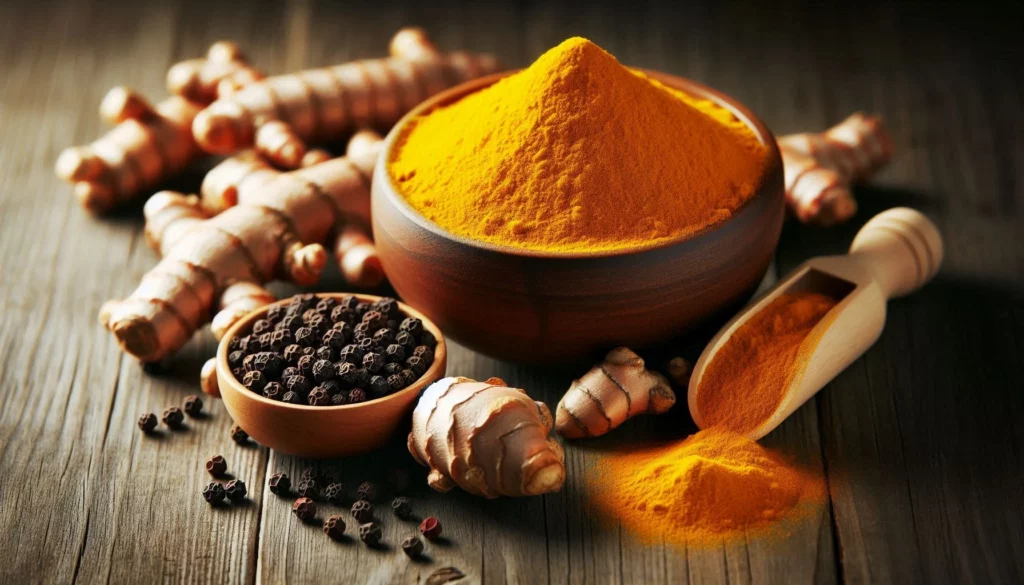
What you consume alongside a plant-based remedy can make a big difference. Some compounds are better absorbed when taken with food, particularly fats. For instance, the fat-soluble compounds in turmeric are more bioavailable when consumed with a source of fat, like olive oil or avocado. On the other hand, certain foods can inhibit absorption. High-fiber meals may bind to some compounds, reducing their uptake, while minerals like calcium can interfere with the absorption of specific plant compounds.
Enhancing Bioavailability in Plant-Based Remedies
Fortunately, there are practical ways to improve the bioavailability of plant compounds, allowing you to get the most out of your remedies. These strategies draw on both traditional wisdom and modern science to optimize absorption.
Pairing Plant Compounds with Fats for Better Bioavailability
Since many plant compounds are fat-soluble, consuming them with healthy fats can boost absorption. For example, adding coconut oil to a turmeric latte or eating a handful of nuts with a green tea extract can enhance the uptake of their active ingredients. This approach is particularly effective for compounds like curcumin, beta-carotene in carrots, or the cannabinoids found in certain plants.
Boosting Bioavailability with Black Pepper
Black pepper contains piperine, a compound known to enhance the uptake of other substances. Piperine inhibits enzymes in the liver and gut that break down certain compounds, allowing more to reach the bloodstream. This is why many turmeric supplements include black pepper extract to improve curcumin’s bioavailability. Adding a pinch of black pepper to herbal teas or dishes can have a similar effect.
Choosing the Best Delivery Method for Absorption
Selecting the appropriate consumption method can significantly impact bioavailability. For compounds sensitive to stomach acid, sublingual tinctures or encapsulated forms designed to release in the intestines (enteric-coated capsules) can improve absorption. For rapid effects, inhalation or transdermal applications may be more effective, especially for volatile compounds like those in essential oils.
Optimizing Gut Health for Improved Bioavailability
A healthy gut is crucial for maximizing bioavailability. Supporting your microbiome with probiotic-rich foods, like yogurt or sauerkraut, can enhance the breakdown and absorption of plant compounds. Avoiding processed foods and maintaining a balanced diet also creates an environment conducive to efficient absorption.
Timing and Dosage for Maximum Effect
The timing of consumption can influence bioavailability. Some compounds are better absorbed on an empty stomach, while others benefit from being taken with a meal. For example, water-soluble compounds like vitamin C from rose hips are often more effective when taken without food, while fat-soluble compounds perform better with a meal. Splitting doses throughout the day can also help maintain steady levels of active compounds in the bloodstream.
Advanced Formulations to Enhance Bioavailability
Modern science has developed techniques to enhance bioavailability, such as nanoemulsions, liposomes, and phytosomes. These methods encase plant compounds in microscopic carriers that protect them from degradation and improve absorption. For instance, liposomal formulations of curcumin wrap the compound in a fat-like structure, allowing it to pass through cell membranes more easily. While these technologies are often found in supplements, understanding their benefits can guide your choices when selecting products.
Why Bioavailability Matters for Your Health
The importance of bioavailability extends beyond science; it directly impacts the effectiveness of plant-based remedies in supporting your health. A remedy with low uptake rate may require higher doses or more frequent use to achieve the desired effect, which can be inefficient or costly. Conversely, optimizing better absroption allows you to use smaller amounts of a remedy while achieving greater benefits, making your wellness routine more sustainable.
By understanding bioavailability, you can make informed decisions about which remedies to choose and how to use them. Knowing that curcumin benefits from being paired with fat or piperine can transform a simple turmeric tea into a more potent health tool. Similarly, selecting a sublingual tincture over a capsule for certain herbs can mean the difference between feeling a remedy’s effects or missing out entirely.
Bioavailability also highlights the importance of personalization in plant-based wellness. What works for one person may not be as effective for another due to differences in digestion, metabolism, or lifestyle. Experimenting with different consumption methods and paying attention to how your body responds can help you find the most effective approach for your unique needs.
Practical Tips for Applying Bioavailability Knowledge
- Research Your Remedies: Explore the active compounds in the plants you use and their bioavailability profiles. Understanding how these plant compounds are absorbed can guide your preparation and consumption methods for maximum effectiveness.
- Experiment with Preparation: Try different forms of a remedy, such as teas, tinctures, or capsules, to discover which delivers the best results for your body’s unique needs.
- Combine Strategically: Pair remedies with complementary foods or substances, like fats or black pepper, to enhance bioavailability and unlock greater therapeutic benefits.
- Listen to Your Body: Pay attention to how you feel after using a remedy. If the effects are subtle, adjust the dose, timing, or delivery method to optimize absorption.
- Consult Experts: If you’re unsure about improving how well the body can use the compound, seek advice from herbalists, naturopaths, or other knowledgeable practitioners who can offer personalized guidance.
Frequently Asked Questions About Bioavailability
Q: What does bioavailability mean for plant-based remedies?
A: Bioavailability refers to the percentage of a plant compound that enters the bloodstream and reaches its target tissues to produce an effect. For plant-based remedies, it determines how much of the active ingredients (like flavonoids or alkaloids) your body can use after consumption, directly impacting their effectiveness.
Q: Why do some plant compounds have low bioavailability?
A: Some plant compounds have low bioavailability due to factors like poor solubility, large molecular size, or rapid breakdown in the digestive system or liver.
Q: How can I improve the bioavailability of herbal remedies?
A: You can improve bioavailability by pairing remedies with fats (for fat-soluble compounds), adding complimentary compounds to enhance absorption, choosing methods like sublingual tinctures or inhalation, and supporting gut health with a balanced diet. These strategies help more of the active compounds reach your system.
Q: Does the way I consume a remedy affect its bioavailability?
A: Yes, the consumption method greatly affects bioavailability. Oral ingestion (like teas or capsules) often faces digestive barriers, while sublingual tinctures bypass the stomach, and inhalation delivers compounds directly to the bloodstream, often resulting in higher absorption rates.
Q: Can my diet influence the bioavailability of plant remedies?
A: Absolutely, diet plays a key role. Consuming fat-soluble compounds with healthy fats, like olive oil, can boost absorption, while high-fiber foods or certain minerals might reduce it. Timing matters too; some compounds are better absorbed with food, others on an empty stomach.
Conclusion
Bioavailability is the key to unlocking the power of plant-based remedies. By understanding how the body absorbs and utilizes plant compounds, you can make smarter choices about how to incorporate herbs, roots, and other natural substances into your wellness routine. From pairing turmeric with fat to choosing sublingual tinctures for delicate compounds, small adjustments can lead to significant improvements in effectiveness. As you explore the world of plant-based remedies, let this information be your guide to maximizing their benefits and supporting your health in meaningful ways.
Disclaimer
The information provided in this blog is intended for educational and informational purposes only and should not be considered medical advice. While plant-based remedies can support wellness, their effects, safety, and absorption rate vary depending on individual health conditions, medications, and other factors.
Always consult a qualified healthcare professional, such as a doctor, herbalist, or naturopath, before incorporating herbal remedies into your routine, especially if you are pregnant, breastfeeding, have pre-existing medical conditions, or are taking medications, as some plant compounds may interact with drugs or cause adverse effects. The strategies mentioned, such as pairing remedies with fats or using specific delivery methods, are general suggestions and may not be suitable for everyone.
Neither the author nor the publisher assumes responsibility for any adverse effects or consequences resulting from the use or misuse of the information provided. Always prioritize safety by researching remedies thoroughly, sourcing high-quality products, and following recommended dosages and preparation methods to minimize risks.