


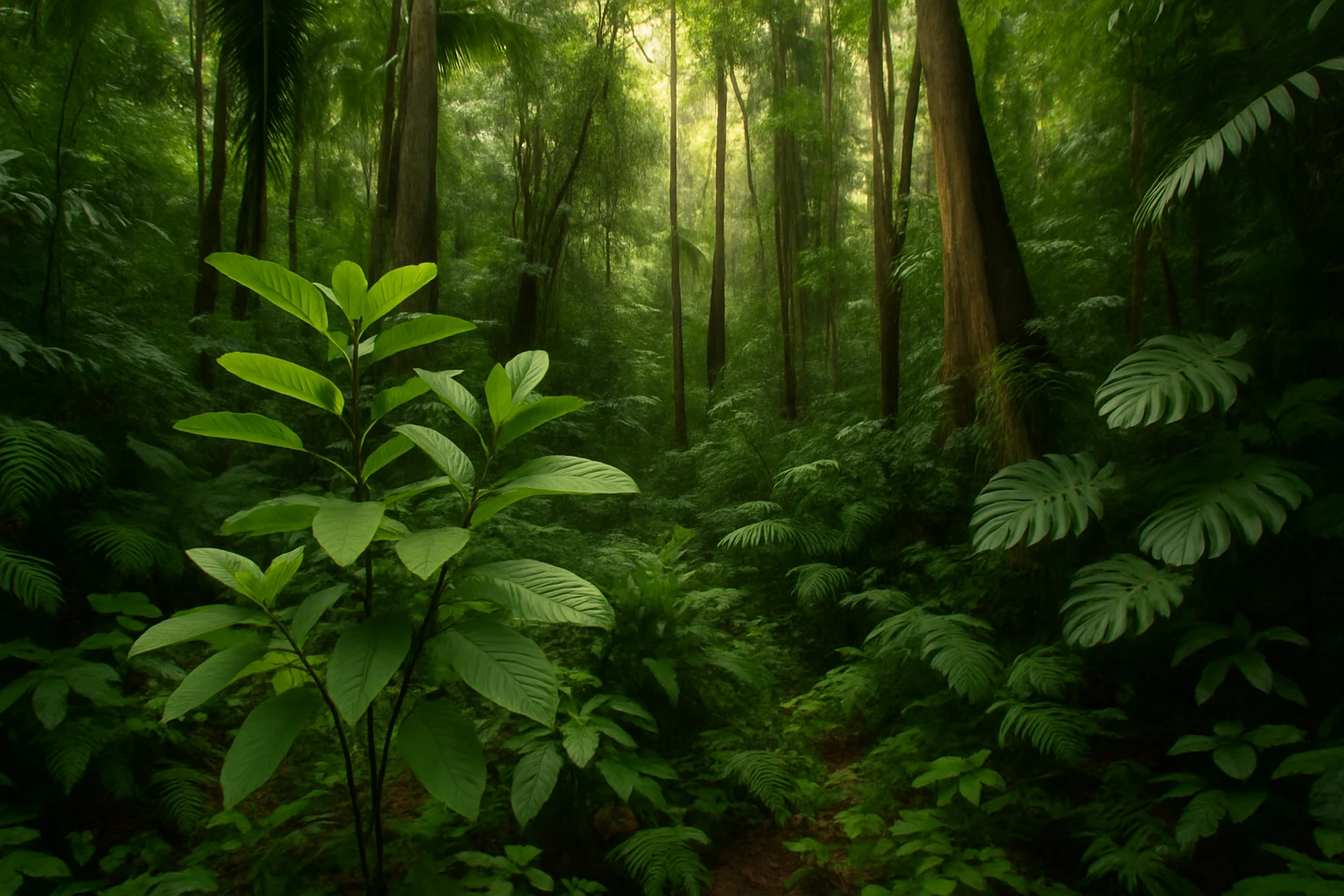

Plant medicine ecosystems are remarkable landscapes where nature’s pharmacy flourishes. These environments, from dense tropical rainforests to temperate woodlands, nurture plants with potent medicinal properties that have supported human health for millennia. Each ecosystem offers unique conditions that allow specific plants to thrive, producing compounds that address ailments ranging from physical pain to mental distress. By understanding these habitats, we gain a deeper appreciation for the natural world’s role in healing and the importance of preserving these vital spaces.
Tropical Rainforests: The Heart of Plant Medicine Diversity
Tropical rainforests, often described as the Earth’s green heart, are unparalleled in their biodiversity, hosting an estimated 50 percent of the world’s plant species. Spanning regions like Southeast Asia, the Amazon Basin, and Central Africa, these plant medicine ecosystems thrive in warm, humid climates with rich, organic soils that foster the growth of plants with complex chemical compounds. The dense, multilayered structure of rainforests, towering canopies, lush understories, and vibrant forest floors, creates a nurturing environment where medicinal flora evolves unique properties to survive and, in turn, supports human wellness.
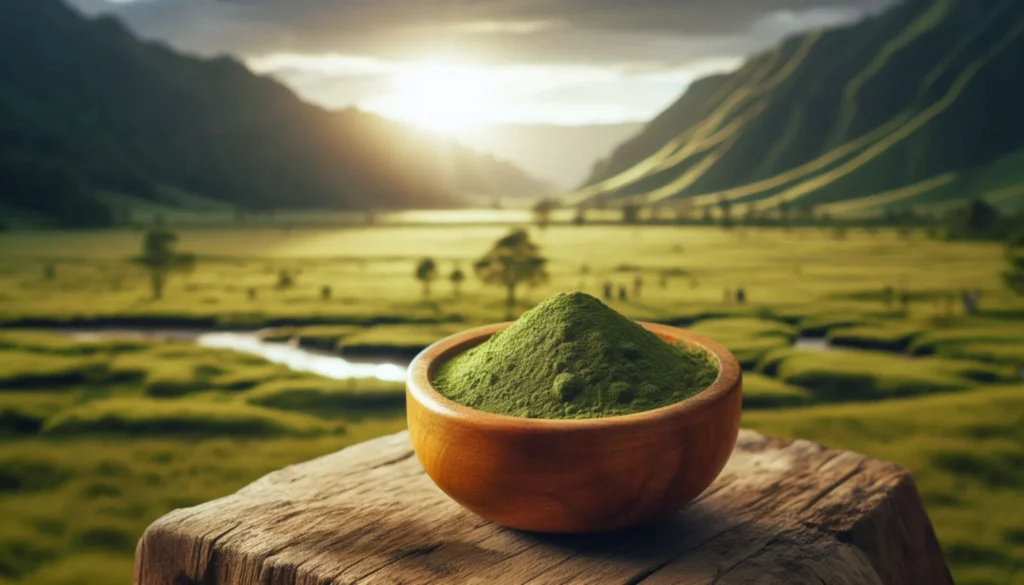
A striking example is kratom, derived from the leaves of the Mitragyna speciosa tree, native to Southeast Asian rainforests in countries like Thailand, Malaysia, and Indonesia. Kratom thrives in the region’s wet, nutrient-rich soils and shaded understory, where it develops alkaloids like mitragynine, traditionally used by local communities for energy, pain relief, and mood enhancement. Indigenous peoples, such as those in rural Thailand, have long incorporated kratom into cultural practices, chewing leaves or brewing them into teas to alleviate fatigue or support social rituals. The rainforest’s consistent moisture and symbiotic networks of fungi and pollinators enhance kratom’s growth, enabling it to produce potent compounds that reflect the ecosystem’s dynamic balance.
The traditional knowledge of Indigenous and local communities is deeply intertwined with the rainforest’s medicinal wealth. Healers have passed down precise methods for harvesting and preparing plants like kratom, ensuring sustainable use and respect for the land. However, these plant medicine ecosystems face significant threats from deforestation, driven by logging and agriculture, which disrupts the delicate balance of species and risks the loss of undiscovered medicinal plants. Climate change further exacerbates these challenges by altering rainfall patterns critical to rainforest flora. Preserving these ecosystems is essential not only for their biodiversity but also for maintaining a living pharmacy that continues to offer healing potential.
Temperate Forests: Quiet Guardians of Herbal Remedies
Temperate forests, found in regions like North America, Europe, and parts of Asia, offer a quieter but equally vital plant medicine ecosystem. These woodlands, characterized by distinct seasons and a mix of deciduous and evergreen trees, support plants adapted to cooler climates and changing light conditions. In Canada, the boreal forest stretches across vast northern regions, hosting hundreds of medicinal plants used by Indigenous peoples for thousands of years.
One notable example is the Pacific yew, a slow-growing tree whose bark contains paclitaxel, a compound used in cancer treatments. Its ability to thrive in the shaded understory of temperate forests highlights the ecosystem’s role in fostering resilient species. Another plant, goldenseal, grows in the rich, loamy soils of eastern North American forests. Its roots, valued for their antimicrobial properties, have been used to treat infections and digestive issues. The forest’s layered structure, with its canopy, understory, and forest floor, creates microclimates that support diverse plant life, each contributing to the ecosystem’s medicinal offerings.
Seasonal changes in temperate forests also influence plant chemistry. Many plants produce higher concentrations of active compounds in response to environmental shifts, such as cooler temperatures or reduced daylight. Indigenous knowledge in Canada emphasizes sustainable harvesting to ensure plants like ginseng, which grows in shaded woodlands, remain abundant. Overharvesting and habitat loss, however, pose significant threats, underscoring the need for conservation to maintain these healing landscapes.
Deserts: Resilient Healers in Harsh Conditions
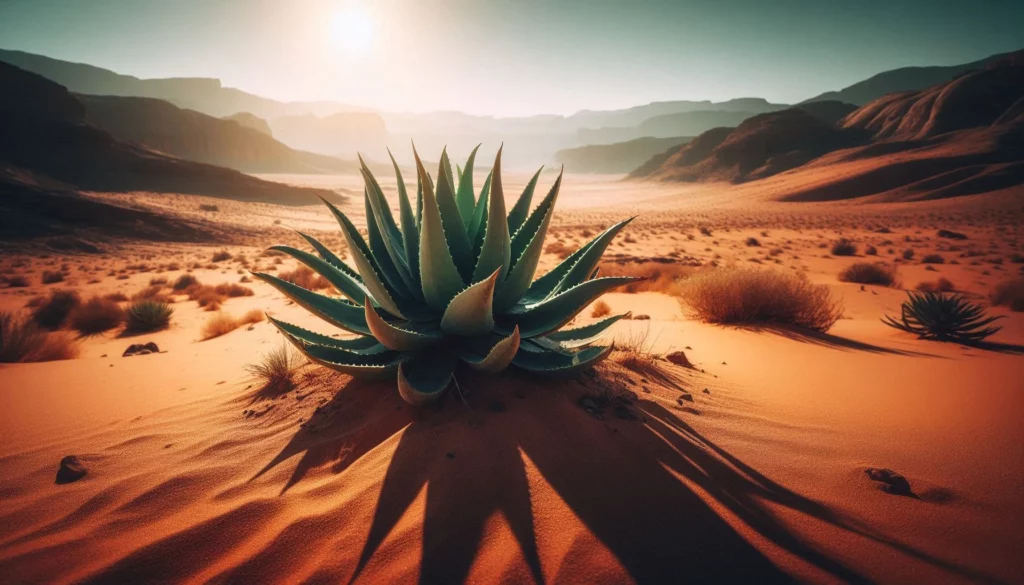
Deserts may seem inhospitable, but they are home to some of the most resilient plant medicine ecosystems. Found in regions like the American Southwest, the Middle East, and Australia, deserts challenge plants to adapt to extreme heat, minimal water, and intense sunlight. These conditions drive the evolution of unique compounds that help plants survive and, in turn, offer medicinal benefits.
The aloe vera plant, native to arid regions of Africa and the Middle East, is a prime example. Its thick, water-storing leaves contain a gel used for centuries to soothe burns and skin irritations. The desert’s harsh environment forces aloe to produce anti-inflammatory and antimicrobial compounds to protect itself from sun damage and pathogens. Similarly, the creosote bush, found in North American deserts, produces compounds with antioxidant and antimicrobial properties, used traditionally to treat respiratory issues and skin conditions.
Desert plants often rely on symbiotic relationships with sparse soil microbes or pollinators like bats and insects to survive. These adaptations make them exceptionally efficient at conserving resources, which translates into potent medicinal properties. Traditional healers in desert regions, such as Native American tribes in the Southwest, have long utilized plants like sagebrush for its cleansing and antimicrobial effects. However, desert ecosystems face threats from climate change, which alters rainfall patterns and increases temperatures, potentially disrupting these delicate systems. Sustainable practices are crucial to preserving these hardy medicinal plants.
Grasslands: Open Plains of Subtle Medicine
Grasslands, stretching across the Canadian prairies, African savannas, and Eurasian steppes, are often overlooked as plant medicine ecosystems. These open landscapes, dominated by grasses but dotted with forbs and shrubs, support plants that thrive in windy, sun-exposed conditions with nutrient-poor soils. Their simplicity belies a wealth of medicinal species adapted to survive grazing, fire, and drought.
In the Canadian prairies, plants like echinacea, or purple coneflower, flourish in the open sunlight. Its roots and flowers are used to boost immunity and fight infections, a practice rooted in Indigenous traditions. Another grassland plant, licorice root, grows in temperate prairies and is valued for its anti-inflammatory and digestive benefits. These plants have evolved to store energy in their roots, allowing them to regenerate after disturbances, a trait that also concentrates their medicinal compounds.
Grasslands depend on periodic disturbances like fire or grazing to maintain their biodiversity, which supports the growth of medicinal plants. However, agricultural expansion has reduced native grasslands significantly, with estimates suggesting 70 to 90 percent of Canada’s prairies have been lost. This loss threatens plants like wild licorice and the traditional knowledge tied to them. Efforts to restore grasslands, such as through controlled burns or replanting native species, are essential to preserving these ecosystems and their medicinal contributions.
Wetlands: Waterlogged Nurseries of Healing Plants
Wetlands, including marshes, swamps, and bogs, are unique plant medicine ecosystems where water shapes the landscape. Found in regions like the Canadian Maritimes, the Everglades, and Southeast Asian mangroves, wetlands support plants that thrive in saturated soils and fluctuating water levels. These environments foster species with specialized adaptations, many of which have medicinal uses.
Cranberry, a native wetland plant in North America, grows in acidic bogs and is widely used for urinary tract health due to its antioxidant properties. Its ability to thrive in nutrient-poor, waterlogged soils showcases the resilience of wetland species. Another example is willow, often found along wetland edges, whose bark contains salicin which was used for pain relief and fever reduction. Wetlands also support plants like cattail, used by Indigenous peoples for wound dressings and diuretic teas.
The rich organic matter in wetland soils and the presence of water create ideal conditions for microbial activity, which enhances plant growth and compound production. However, wetlands are among the most threatened ecosystems, with drainage for agriculture and urban development reducing their extent. In Canada, over 60 percent of wetlands have been lost in some regions, endangering plants like sweetflag, used for digestive and respiratory remedies. Protecting these waterlogged nurseries is critical for maintaining their medicinal bounty.
Indigenous Knowledge in Practice: Regional Case Studies
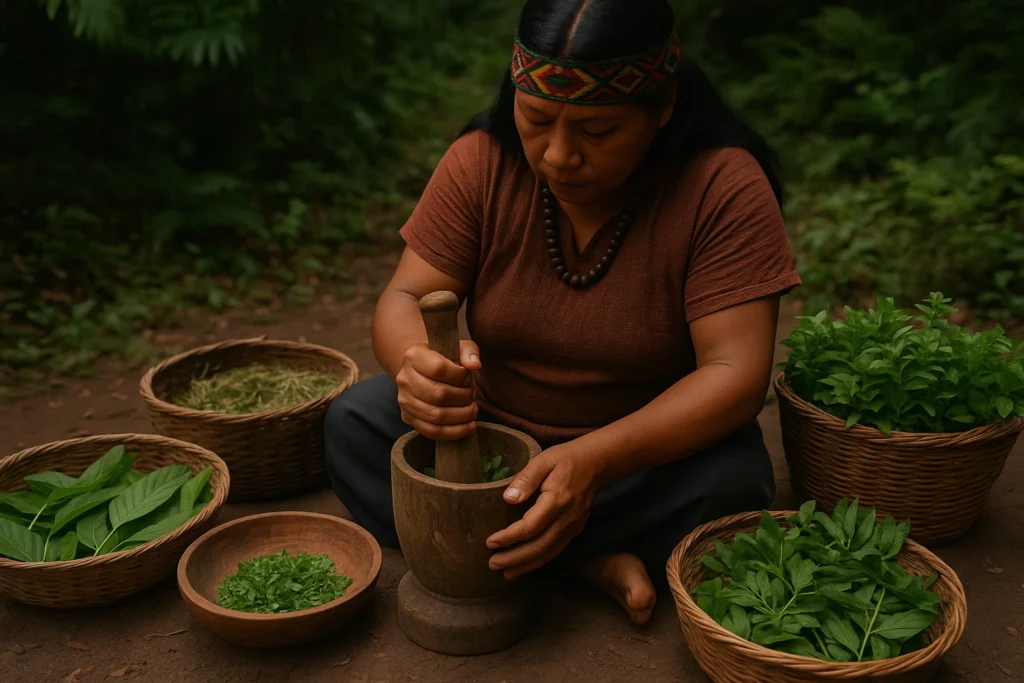
In addition to broad ecological insights, plant medicine ecosystems are deeply rooted in the lived traditions of Indigenous communities. For example, the Haudenosaunee Confederacy in North America has long used white willow bark for fever relief, a practice that later informed the development of aspirin. In the boreal forests of Canada, Cree and Dene healers prepare teas from Labrador tea (Rhododendron groenlandicum) to treat respiratory ailments and colds, reflecting centuries of ecological understanding.
In the Amazon, the Shipibo-Conibo people of Peru cultivate and use ayahuasca in highly ceremonial ways, combining the vine (Banisteriopsis caapi) with companion plants to treat spiritual and physical conditions. This reflects not only deep pharmacological knowledge but also a worldview where health is inseparable from ecological and cultural balance.
These traditions illustrate the importance of protecting both ecosystems and cultural continuity. Many Indigenous communities emphasize harvesting protocols such as offering tobacco, never taking the first plant found, or harvesting only what is needed, practices that embody sustainability long before modern conservation movements. Recognizing and respecting this knowledge ensures that efforts to preserve plant medicine ecosystems honour the cultures that have safeguarded them for generations.
Climate Change and the Future of Plant Medicine Ecosystems
Climate change poses a significant threat to plant medicine ecosystems, altering the conditions that allow medicinal plants to thrive. Rising temperatures, shifting rainfall patterns, and extreme weather events disrupt plant growth cycles and compound production. In tropical rainforests, increased drought risks reducing the abundance of moisture-dependent species like kratom. In temperate forests, warmer winters can increase disease susceptibility in plants like ginseng, as seen in the Appalachian region.
Deserts face intensified heat and reduced water availability, challenging the survival of resilient species like aloe. Grasslands, already diminished by agriculture, are vulnerable to desertification, which could eliminate plants like echinacea. Wetlands, sensitive to water level changes, risk drying out, threatening species like cranberry. These shifts not only endanger plants but also the traditional knowledge tied to their use, as communities adapt to changing landscapes.
Conservation strategies, such as protected areas and sustainable cultivation, offer hope. Cultivating plants like ginseng in controlled environments can reduce pressure on wild populations, while reforestation and wetland restoration help maintain ecosystem health. Integrating traditional knowledge with modern science can further support these efforts, ensuring that plant medicines remain accessible.
Sustainable Harvesting: Balancing Use and Preservation
Sustainable harvesting is critical to preserving plant medicine ecosystems. Overexploitation, driven by growing global demand for herbal remedies, has pushed species like goldenseal and ginseng to the brink. In Canada, regulations under the Species at Risk Act protect certain plants, but enforcement is challenging in remote areas. Traditional practices offer a model for sustainability, emphasizing selective harvesting and seasonal timing to minimize impact.
Cultivation is another solution, particularly for high-demand species. In Ontario, ginseng farms produce significant yields for export, reducing reliance on wild populations. However, cultivation must consider ecosystem dynamics, as monocultures can degrade soil and reduce biodiversity. Woodland cultivation, where plants are grown in their natural habitats, offers a balanced approach, mimicking the conditions of wild ecosystems.
Community-led initiatives, such as seed banks and cooperative gardens, also support sustainability. These efforts empower local communities to manage resources while preserving cultural knowledge. By prioritizing ecosystem health, sustainable harvesting ensures that plant medicines remain available for future generations.
The Interconnected Web of Plant Medicine Ecosystems
Plant medicine ecosystems are not isolated but part of a global web of life. Insect pollinators, soil microbes, and fungi play critical roles in supporting medicinal plants. In rainforests, mycorrhizal fungi trade nutrients with plant roots, enhancing compound production. In grasslands, pollinators like bees ensure the reproduction of plants like echinacea. These interactions highlight the interconnectedness of ecosystems, where the loss of one species can ripple across the system.
Human activity, from deforestation to urbanization, disrupts these connections. Protecting plant medicine ecosystems requires a holistic approach, addressing not just plants but their supporting networks. Restoration projects, such as rewilding grasslands or replanting mangroves, can rebuild these relationships, fostering resilient habitats for medicinal flora.
FAQ
Q: How do plant medicine ecosystems differ from regular ecosystems?
A: Plant medicine ecosystems are not distinct from other ecosystems but are defined by their role in supporting plants with medicinal properties. These ecosystems, such as rainforests or wetlands, create specific conditions, soil types, climate, and biodiversity. The difference lies in the human perspective: we recognize these ecosystems for their therapeutic flora, often guided by traditional knowledge, while all ecosystems support diverse life forms.
Q: Why are Indigenous communities so important to plant medicine ecosystems?
A: Indigenous communities have cultivated centuries of knowledge about medicinal plants, understanding their uses, harvesting methods, and ecological roles. For example, in Canada, Métis healers use sweetgrass for spiritual purposes, while in Southeast Asia, local communities rely on kratom for energy. This expertise ensures sustainable practices and preserves biodiversity, as Indigenous protocols often prioritize ecosystem health, making their wisdom vital for conservation and ethical use.
Q: Can medicinal plants from one ecosystem grow in another?
A: Some medicinal plants can be cultivated outside their native ecosystems, but success depends on replicating specific conditions. Cultivation must mimic natural habitats to maintain medicinal potency.
Q: How does biodiversity in plant medicine ecosystems impact their medicinal value?
A: Biodiversity enhances the medicinal value of these ecosystems by fostering complex interactions that support plant health. High biodiversity ensures resilience, allowing plants to adapt to stressors and maintain the chemical diversity that underpins their healing potential, making conservation critical.
Q: What can individuals do to support plant medicine ecosystems?
A: Individuals can support these ecosystems by advocating for conservation, supporting sustainable harvesting, and learning about local plants. Choosing ethically sourced herbal products, participating in community restoration projects like wetland replanting, or supporting Indigenous-led initiatives are practical steps. Educating oneself about the ecological needs of plants also fosters appreciation and encourages actions that protect these vital habitats.
Conclusion
Exploring plant medicine ecosystems reveals the profound connection between nature and human health. From the lush rainforests to the stark deserts, each environment offers unique plants that have sustained societies for centuries. These ecosystems are not just sources of medicine but living libraries of knowledge, shaped by Indigenous wisdom and ecological balance.
Preserving these landscapes is a shared responsibility. By supporting conservation, sustainable harvesting, and cultural revitalization, we can ensure that plant medicines continue to thrive. Whether it’s the energy-enhancing leaves of kratom or the soothing gel of aloe vera, these plants remind us of nature’s enduring gift, a gift worth protecting for generations to come.
Disclaimer
The information presented in this blog is intended for educational and informational purposes only. It is not intended to serve as medical advice, diagnosis, or treatment. The use of medicinal plants, such as kratom, goldenseal, aloe vera, echinacea, or others mentioned, carries potential risks and side effects and should only be undertaken under the guidance of a qualified healthcare professional. Some plants may interact with medications, cause allergic reactions, or be unsafe for certain individuals, including pregnant or breastfeeding women, children, or those with specific health conditions.
Readers are strongly advised to consult with a licensed medical practitioner before using any plant-based remedies or supplements. Additionally, harvesting wild plants can have ecological and legal implications; always ensure compliance with local regulations and prioritize sustainable practices to avoid harming ecosystems or endangered species.
The author and publisher are not responsible for any adverse effects, injuries, or damages resulting from the use of information provided in this blog. Individuals are encouraged to conduct thorough research, seek professional advice, and exercise caution to ensure safety when exploring plant medicines or engaging with natural ecosystems.