


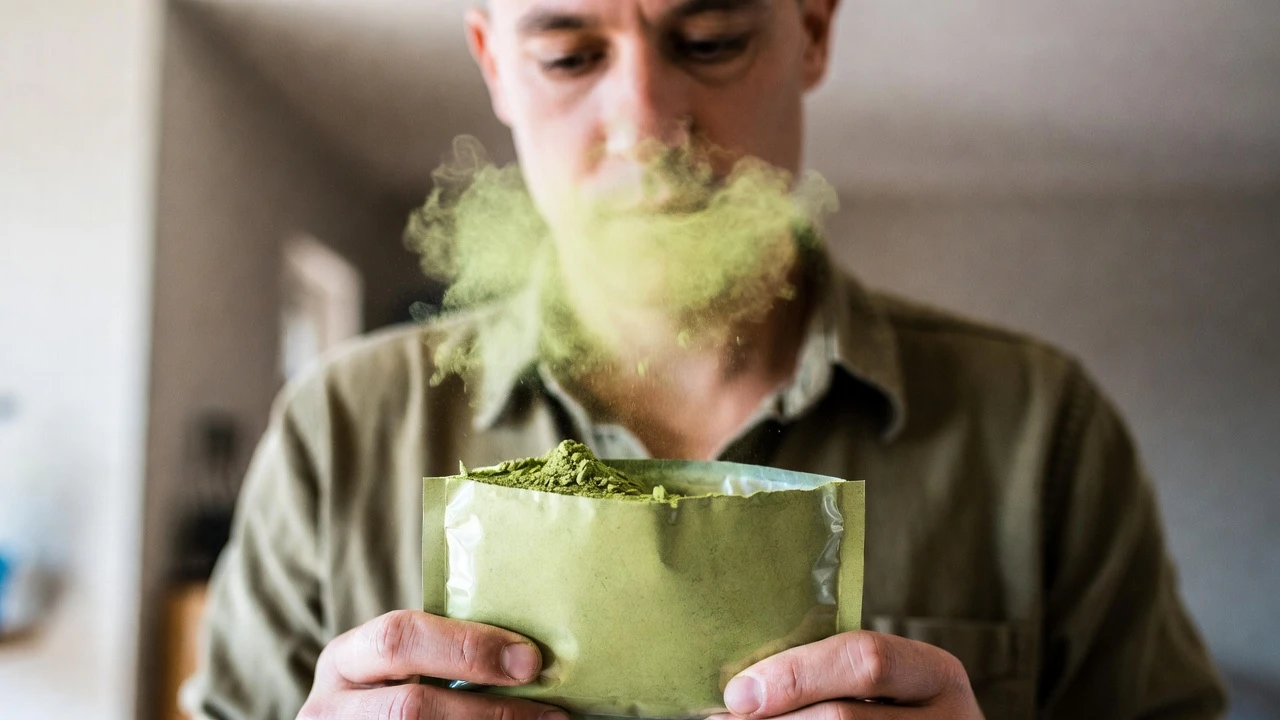

Kratom powder is a fine, lightweight substance that many people use as part of their daily routine. Its texture makes it prone to becoming airborne easily, especially during the moment you open a sealed pack. A sudden puff of fine particles can lead to accidental inhalation, causing irritation in the nose, throat, or lungs. Learning how to avoid inhaling kratom powder starts with understanding why this happens and adopting mindful habits from the very first step of handling a new package.
The fine consistency of kratom powder is what gives it its versatility for various preparation methods, but it also means the particles are small enough to float in the air with minimal disturbance. When you tear open a sealed bag quickly or handle it roughly, a cloud of dust can rise, and a simple breath in can draw those particles into your respiratory system. While occasional minor exposure typically causes temporary discomfort like coughing or a scratchy feeling, repeated or heavy inhalation of any fine powder is something to minimize for overall comfort and well-being.
Why Kratom Powder Becomes Airborne So Easily
Kratom powder consists of very small particles, often ground to a consistency similar to talcum or flour. This fineness allows it to mix well in liquids or capsules, but it also lowers the threshold for disturbance. Air currents from movement, static electricity in dry environments, or even the act of unzipping a bag can send particles floating. Sealed packs, especially those with vacuum or pressure seals, tend to release a burst of trapped air when opened, propelling the powder outward.
Humidity plays a role too. In dry conditions, particles hold more static charge and cling less to surfaces, making them more likely to become airborne. Conversely, slightly humid air can help particles settle faster, though excess moisture risks clumping the powder over time. Temperature fluctuations can create condensation inside packs if moved from cold to warm areas quickly, but the primary concern remains the initial release of dust upon opening.
Understanding these factors helps in planning your approach. The goal is not to eliminate every possible particle but to control the environment and actions so that any dust stays contained and minimal.
Preparing Your Space Before Opening a Sealed Pack
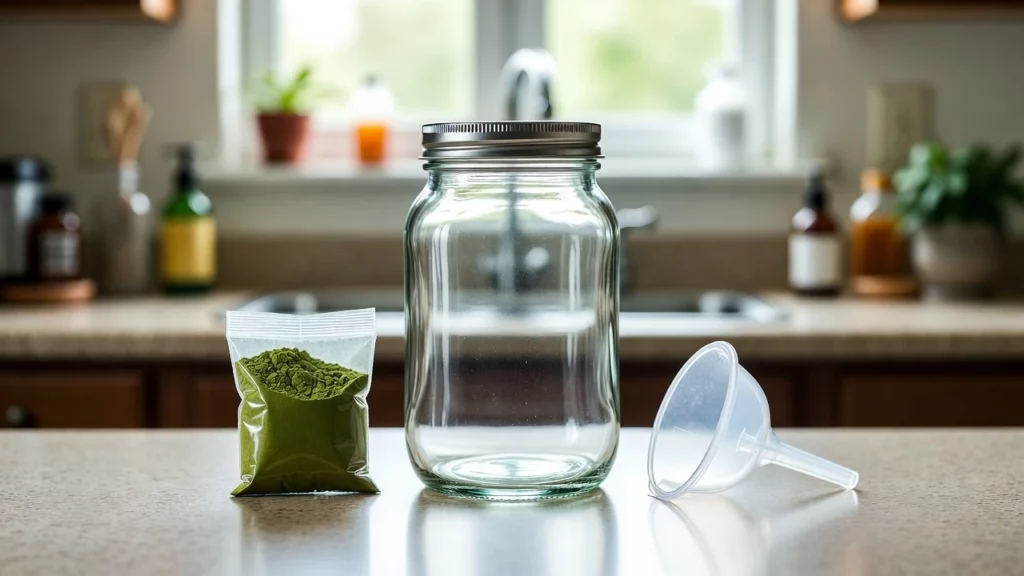
A calm, controlled workspace is the foundation of safe handling. Choose a spot away from high-traffic areas, such as a bathroom counter, kitchen sink, or dedicated surface near a window with good ventilation. Avoid bedrooms or living rooms where family members or pets might be exposed to stray particles.
To keep any potential dust contained and minimize risks, set up your area with these key elements:
- Work over a sink or large tray to catch accidental spills.
- Lay a damp paper towel or cloth flat on the surface to trap falling powder before it scatters.
- Turn off fans, ceiling vents, or air conditioners that could blow particles around.
- If possible, open a window slightly for fresh air circulation without creating strong drafts.
Step-by-Step Techniques for Opening Sealed Packs Carefully
The way you physically open the pack determines much of the dust release. Ripping or tearing aggressively creates the largest clouds, so slow and deliberate movements are key.
Initial Preparation and Settling the Powder
Start by holding the sealed pack upright or slightly tilted away from your face. Gently pat or tap the bag on a hard surface a few times to settle the powder toward the bottom, reducing pressure at the top seal. This simple action prevents a sudden explosion of particles when you break the seal.
Cutting the Seal Safely and Gradually
Use scissors or a sharp knife to cut along the top edge slowly, rather than tearing by hand. Cut in small increments, pausing to let any built-up air escape gradually. As you cut, keep the opening pointed downward or into a container so gravity pulls particles inside instead of outward. If the pack has a zipper or resealable top, open it only partially at first to control the airflow.
Handling Vacuum-Sealed or High-Pressure Packs
For vacuum-sealed or tightly packed bags, pierce a tiny hole with a pin or needle near the top corner to release pressure slowly before making the main cut. This equalizes internal air without a burst. Once opened, transfer the powder immediately to an airtight storage container rather than leaving it exposed in the original bag.
Personal Positioning and Breathing During Opening
Throughout the process, breathe shallowly through your nose or hold your breath briefly during the cut. Turn your head away from the opening, and avoid leaning directly over it. These small adjustments prevent most accidental inhalation.
Common Mistakes to Avoid When Handling Kratom Powder
Even careful users can unintentionally create more dust through everyday habits. Here are the most common pitfalls and how to steer clear of them:
- Rushing the opening process: Tearing the bag by hand or yanking a zipper creates strong air bursts that propel particles outward. Always cut slowly and deliberately to control the release.
- Not settling the powder first: Skipping the gentle tap to move powder downward leaves high pressure at the top seal, leading to bigger clouds when opened. Pat or tap the bag a few times before cutting.
- Leaning directly over the pack or breathing deeply while cutting: This puts your face in the direct path of rising dust. Keep your head turned away and breathe shallowly or hold your breath briefly.
- Handling in very dry environments without controls: Static makes particles float longer and increases airborne dust. Add light humidity with a spray bottle or ground yourself by touching metal.
- Aggressive scooping or vigorous shaking after opening: Digging deep or shaking stirs settled dust unnecessarily and creates puffs. Scoop gently from the surface and tap lightly to settle.
- Leaving opened packs exposed for long periods: Delays transfer to airtight storage, inviting repeated dust exposure during future handling. Move powder right away to a sealed container.
- Ignoring minor irritation and continuing without pause: Pushing through can worsen discomfort over time. Stop, ventilate the area, and rinse if needed to clear particles.
Best Practices for Transferring and Measuring Powder
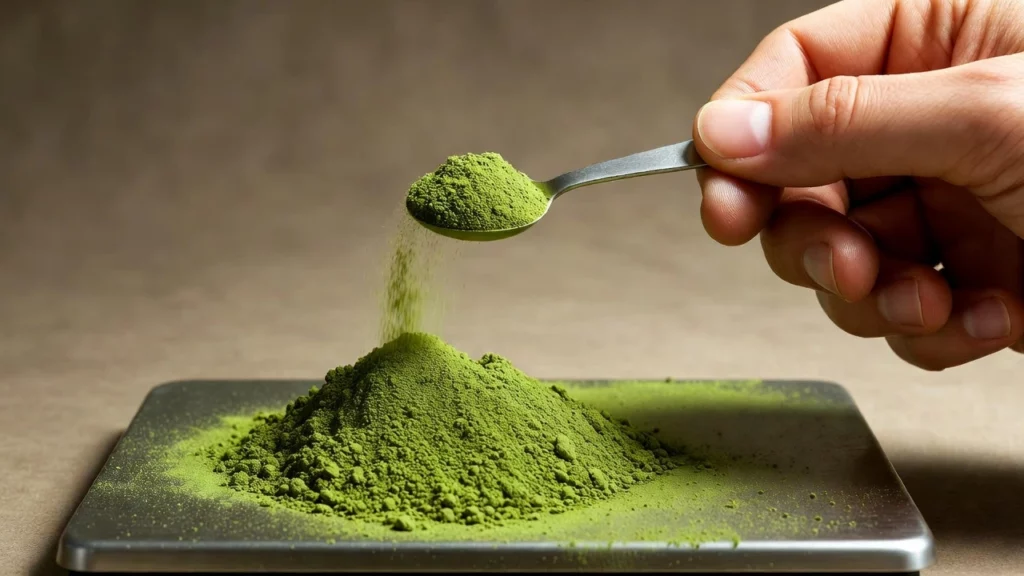
After opening, the next risk comes from scooping or pouring. Fine powder can puff up when disturbed by spoons or funnels. To minimize this, use tools designed for precision. A small, dedicated measuring spoon or scoop with a long handle lets you extract portions without plunging deeply into the bag. Scoop gently from the surface rather than digging, and tap excess powder back into the container before moving it. Pour into a scale or mixing vessel over a sink to contain any fallout.
If transferring larger amounts to a jar or storage container, do so in small batches. Use a wide-mouth funnel to guide the flow, and tap the sides lightly to settle particles without creating turbulence. Avoid vigorous shaking or stirring that could aerosolize the powder. For those who prefer capsules or pre-measured doses, fill them in a contained area. A capsule-filling machine or tray reduces loose powder handling. Always clean your kratom tools immediately after use with a damp cloth to prevent buildup.
Environmental Controls to Reduce Airborne Particles
Beyond technique, the surrounding conditions influence how much dust stays in the air. Maintain moderate humidity in your handling area, around 40-60 percent, using a small humidifier if your home is very dry. This helps particles settle faster without affecting the powder’s quality. Static electricity exacerbates floating dust. In dry seasons, lightly mist the air with water from a spray bottle before opening a pack. Ground yourself by touching a metal surface to discharge static buildup on your body or tools.
Good airflow helps dilute any stray particles, but avoid strong fans pointing at your workspace. Natural ventilation from an open window works best for gradual air exchange.
What to Do If Particles Become Airborne Anyway
Despite precautions, a small cloud might form occasionally. If it happens, step back immediately and avoid breathing deeply in that area. Open windows or turn on an exhaust fan to clear the air. If irritation occurs in your nose or throat, rinse with cool water or use a saline nasal spray to flush particles. Gargle with water to soothe the throat. Most minor exposures resolve quickly with fresh air and hydration. Persistent discomfort warrants consulting a healthcare professional, as with any inhaled irritant.
Clean the surface thoroughly afterward with a damp cloth or vacuum with a HEPA filter to capture settled particles. This prevents them from becoming airborne again later.
Long-Term Habits for Safer Everyday Handling
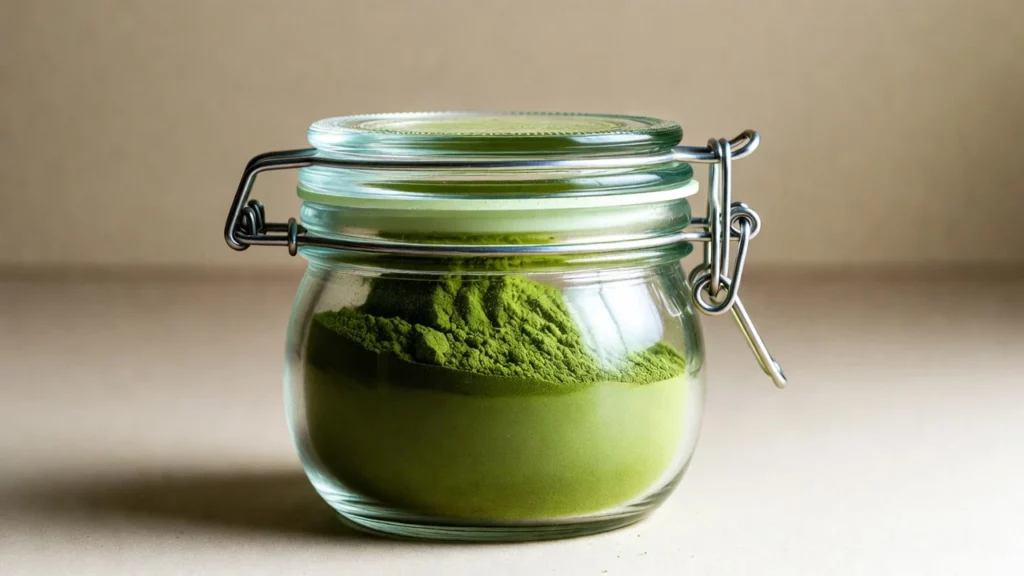
Incorporate routines that reduce overall dust exposure. Store opened kratom in airtight glass jars or mylar bags with zip seals, expelling air before closing. Divide large quantities into smaller daily-use portions to limit frequent handling of the main supply. Label containers clearly and keep them in a cool, dark place away from direct light and heat. This preserves quality while minimizing the need to open large packs often.
Consider alternative forms like pre-filled capsules if powder handling feels too risky for your setup. Many users find this switch eliminates dust concerns entirely while maintaining convenience. Over time, these habits become second nature. You develop an intuitive sense of how to move around the powder without stirring it up, making the process smoother and more enjoyable.
Frequently Asked Questions
Q: Is it harmful if I accidentally inhale a small amount of kratom powder dust once or twice?
A: Occasional minor inhalation of fine kratom powder typically causes temporary irritation, such as coughing, a scratchy throat, or nasal discomfort that resolves within hours with fresh air and hydration. The human respiratory system handles everyday dust exposure through mucus and natural clearance mechanisms. However, make it a priority to avoid inhaling kratom powder regularly, as repeated exposure to any fine particulate can lead to unnecessary irritation over time.
Q: What should I do right away if I inhale a noticeable cloud of kratom powder?
A: Step away from the area immediately to avoid further breathing in particles. Move to fresh air, avoid deep breaths until the dust settles, and gently rinse your nose with saline spray or cool water if needed. Gargle plain water to clear your throat. Most people experience only short-term discomfort that passes quickly. If symptoms like persistent coughing, wheezing, or chest tightness linger beyond a day, seek medical advice to rule out any irritation.
Q: Can wearing a mask completely prevent inhaling kratom powder when opening packs?
A: A basic dust mask or N95-style respirator significantly reduces the risk by filtering out fine particles during the opening and transfer process. It is especially helpful in dry environments or when handling larger amounts. Combine it with the other techniques in this guide, such as slow cutting and working over a sink, for the best protection rather than relying on a mask alone.
Q: Does humidity really make a difference in how much powder becomes airborne?
A: Yes, moderate humidity (around 40-60 percent) helps particles clump slightly and settle faster due to reduced static charge, making less dust float in the air. Very dry conditions increase static and make powder more prone to puffing up. A small humidifier or even a light mist from a spray bottle in the room before opening can help control this without introducing excess moisture to the powder itself.
Q: Are there alternatives to handling loose powder that eliminate dust risks entirely?
A: Pre-filled capsules or capsule-filling systems allow you to measure and seal doses without ever dealing with loose powder clouds. Some users also opt for kratom teas or pre-mixed liquids from trusted sources. These options remove the need for frequent opening of powder packs and minimize airborne particle concerns while still providing convenience.
Q: How can I tell if my sealed pack is likely to release a big dust cloud when opened?
A: Vacuum-sealed or tightly compressed bags often have built-up internal pressure, leading to a stronger burst of dust upon opening. If the pack feels firm or inflated, use the piercing technique with a pin to slowly release air first. Always pat or tap the bag to settle powder downward before cutting, regardless of the seal type.
Final Thoughts on Mindful Kratom Powder Management
Avoiding inhaling kratom powder comes down to respect for its fine nature and consistent application of simple controls. By preparing your space thoughtfully, opening packs slowly and deliberately, using appropriate tools, and maintaining clean habits, you can handle kratom with confidence and minimal risk of airborne particles.
These practices not only protect your respiratory comfort but also help preserve the powder’s integrity by reducing unnecessary exposure to air and moisture. With patience and attention to detail, opening sealed packs and managing kratom powder becomes a low-stress part of your routine rather than a source of concern.
Disclaimer
The information provided in this article is for educational and informational purposes only and does not consisture medical advice. Kratom is not authorized by Health Canada as a natural health product, food, drug, or consumable for human use. Health Canada classifies it as an unauthorized substance when marketed or intended for ingestion or inhalation, and it has issued warnings about potential serious health risks associated with kratom consumption, including nausea, vomiting, dependency, liver toxicity, seizures, rapid heartbeat, and other adverse effects.
Regarding inhalation specifically, accidental exposure to kratom powder dust may cause temporary respiratory irritation (e.g., coughing, throat or nasal discomfort) that usually resolves with fresh air, hydration, and rinsing affected areas. However, intentional or repeated inhalation of any fine particulate including kratom powder is not a studied or recommended method of use and could lead to unnecessary irritation, inflammation, or other respiratory issues.
Individual responses vary based on factors like dosage, frequency, pre-existing health conditions (e.g., respiratory, liver, or cardiovascular issues), and concurrent substance use. Always consult a qualified healthcare professional before considering kratom or any herbal substance, particularly if you have underlying medical conditions, are pregnant, breastfeeding, or taking other medications. The author and publisher of this article are not liable for any injury, damage, loss, or adverse effects arising from the use of this information or from kratom use itself.