



Derived from the leaves of the Mitragyna speciosa tree, kratom contains a complex array of compounds called alkaloids, which are responsible for its effects. However, these alkaloids are sensitive to environmental factors, particularly air exposure. Over time, contact with oxygen can lead to kratom alkaloid breakdown, diminishing the plant’s potency and altering its characteristics. Understanding this process is essential for anyone who uses or stores kratom, as it directly impacts the quality and effectiveness of the product.
What Are Kratom Alkaloids?
To grasp how air exposure affects kratom, we first need to understand what alkaloids are and why they matter. Alkaloids are naturally occurring organic compounds found in many plants, including kratom. These molecules often contain nitrogen and are known for their diverse physiological effects on humans. In kratom, the primary alkaloids, such as mitragynine and 7-hydroxymitragynine, are the key players behind its unique properties.
Mitragynine, the most abundant alkaloid in kratom, makes up roughly 60 to 70 percent of the plant’s alkaloid content, depending on the strain and growing conditions. It’s known for its stimulating and pain-relieving effects at lower doses. 7-Hydroxymitragynine, though present in smaller amounts, is significantly more potent and contributes to kratom’s calming and analgesic properties at higher doses. Other alkaloids, like speciogynine, paynantheine, and corynantheidine, also play roles, though their effects are less understood. Together, these compounds create the complex profile that makes kratom so distinctive.
The chemical structure of these alkaloids, particularly their nitrogen-containing indole core, makes them susceptible to environmental influences. Oxygen, light, heat, and moisture can all interact with these molecules, potentially altering their structure and reducing their effectiveness. Of these factors, air exposure, specifically the presence of oxygen, is one of the most significant contributors to kratom alkaloid breakdown.
The Role of Oxygen in Kratom Alkaloid Breakdown
Oxygen is a highly reactive element, and its interaction with organic compounds like kratom alkaloids can lead to a process called oxidation. Oxidation occurs when oxygen molecules interact with other substances, causing them to lose electrons. In the case of kratom, this chemical reaction can degrade the alkaloids, changing their molecular structure and diminishing their potency.
When kratom is exposed to air, the alkaloids on the surface of the leaves or powder come into direct contact with oxygen. Over time, this exposure triggers oxidative reactions that break down the delicate chemical bonds within the alkaloids. For example, the indole ring in mitragynine, a critical component of its structure, is particularly vulnerable to oxidation. As oxygen molecules bind to this ring, they can cause it to fragment or form new, less active compounds. This process not only reduces the concentration of active alkaloids but can also create byproducts that alter the overall effects of the kratom.
The rate of kratom alkaloid breakdown depends on several factors, including the duration of air exposure, the surface area of the kratom (powder versus whole leaves), and the presence of other environmental factors like humidity or light. Finely ground kratom powder, for instance, has a larger surface area than whole or crushed leaves, making it more susceptible to oxidation. Similarly, kratom stored in an open container will degrade faster than kratom sealed in an airtight environment.
Why Does Kratom Alkaloid Breakdown Matter?
The breakdown of kratom alkaloids has a direct impact on the plant’s quality and effectiveness. As the primary alkaloids degrade, the kratom may lose its characteristic effects, such as energy, focus, or relaxation. For users who rely on kratom for specific purposes, this degradation can be frustrating, as the product may no longer deliver the desired results.
Moreover, the byproducts of oxidation can introduce variability in kratom’s effects. While some degradation products may be inert, others could subtly alter the plant’s profile, potentially leading to inconsistent experiences. This inconsistency can make it difficult for users to predict how a particular batch of kratom will affect them, especially if it has been improperly stored for an extended period.
Beyond efficacy, kratom alkaloid breakdown can also affect the sensory qualities of the product. Fresh kratom typically has a vibrant green colour and a distinct, earthy aroma. As oxidation occurs, the colour may fade to a dull brown, and the aroma may become stale or less pronounced. While these changes don’t necessarily indicate that the kratom is unsafe, they are signs that the alkaloids are breaking down, which could compromise the overall experience.
The Chemistry of Oxidation in Kratom
To dive deeper into kratom alkaloid breakdown, let’s explore the chemistry behind oxidation. Alkaloids like mitragynine and 7-hydroxymitragynine contain functional groups, such as double bonds and nitrogen atoms, that are prone to reacting with oxygen. When exposed to air, these groups can undergo a process called oxidative cleavage, where the molecule is split into smaller fragments. This reaction is often catalyzed by environmental factors like heat, light, or moisture, which accelerate the breakdown process.
One specific type of oxidation relevant to kratom is auto-oxidation, a spontaneous reaction that occurs when organic compounds are exposed to oxygen over time. During auto-oxidation, reactive oxygen species, such as free radicals, attack the alkaloid molecules, causing them to lose their structural integrity. For instance, the methoxy group on mitragynine’s indole ring can be oxidized, forming a less active compound with reduced pharmacological effects.
Another factor to consider is the role of reactive oxygen species in the degradation process. These highly unstable molecules can form when kratom is exposed to air, especially in the presence of light or heat. Once formed, they can initiate a chain reaction, further damaging the alkaloids and creating a cascade of degradation. This is why kratom stored in warm, humid, or brightly lit environments tends to degrade faster than kratom kept in cool, dark, and dry conditions.
How Long Does It Take for Alkaloids to Break Down?
The timeline for kratom alkaloid breakdown varies depending on storage conditions and the form of the kratom. In general, properly stored kratom in an airtight container, kept in a cool, dark, and dry place, can maintain its potency for months or even years. However, kratom exposed to air will begin to degrade within days to weeks, with noticeable changes in potency occurring over time.
For example, kratom powder left in an open container in a warm, humid environment may start to lose its vibrancy within a week. Over several months, the alkaloid content could diminish significantly, leading to a weaker product. Whole or crushed leaves, due to their lower surface area, may degrade more slowly, but they are still vulnerable to oxidation if not stored properly.
The exact rate of degradation is difficult to pinpoint because it depends on multiple variables, including the specific alkaloid profile of the kratom, the strain, and the environmental conditions. However, the general rule is that the longer kratom is exposed to air, the more pronounced the kratom alkaloid breakdown becomes. Even in less-than-ideal conditions, the process is gradual, meaning that kratom doesn’t become ineffective overnight. Instead, users may notice a slow decline in potency, color, and aroma over time.
How to Prevent Kratom Alkaloid Breakdown
Use Airtight Containers
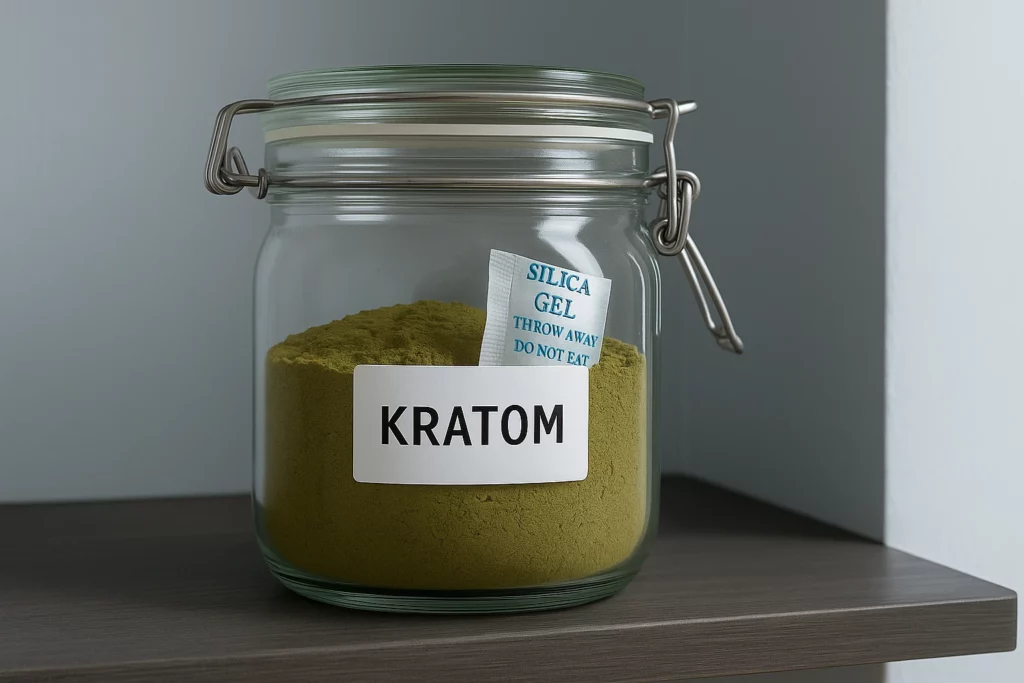
Storing kratom in airtight containers is the most effective way to limit oxygen exposure. Glass jars with tight-sealing lids or vacuum-sealed bags are excellent options. These containers create a barrier that prevents air from reaching the kratom, slowing down the oxidation process. If using plastic bags, opt for thick, high-quality ones designed for long-term storage, and ensure they are sealed tightly.
Store in a Cool, Dark Place
Temperature and light play significant roles in kratom alkaloid breakdown. Keep your kratom in a cool, dark environment, such as a pantry, cupboard, or drawer, away from heat sources like ovens or radiators. Avoid storing kratom in areas exposed to direct sunlight, as UV rays can accelerate degradation. For long-term storage, consider using opaque containers to block out light entirely.
Control Humidity
Moisture can exacerbate oxidation, so it’s crucial to store kratom in a dry environment. If you live in a humid climate, consider adding silica gel packets or other desiccants to your storage containers. These absorb excess moisture, helping to keep your kratom dry and stable. Avoid storing kratom in refrigerators unless it’s sealed in an airtight, moisture-proof container, as condensation can introduce unwanted humidity.
Minimize Surface Area Exposure
If possible, store kratom in its whole or crushed leaf form rather than as a fine powder. Whole leaves have less surface area exposed to air, which slows the rate of oxidation. If you prefer powder for convenience, store it in smaller, airtight portions to reduce the amount of kratom exposed when you open the container.
Vacuum Sealing for Long-Term Storage
For those who buy kratom in bulk or plan to store it for extended periods, vacuum sealing is an excellent option. Vacuum sealers remove air from the packaging, creating an oxygen-free environment that significantly slows kratom alkaloid breakdown. This method is particularly useful for preserving large quantities of kratom over months or years.
Avoid Frequent Opening
Every time you open a kratom container, you introduce fresh air, which can restart the oxidation process. To minimize this, divide your kratom into smaller portions and store them separately. Use one portion at a time while keeping the rest sealed, reducing the frequency of air exposure to your main supply.
The Role of Packaging in Kratom Preservation
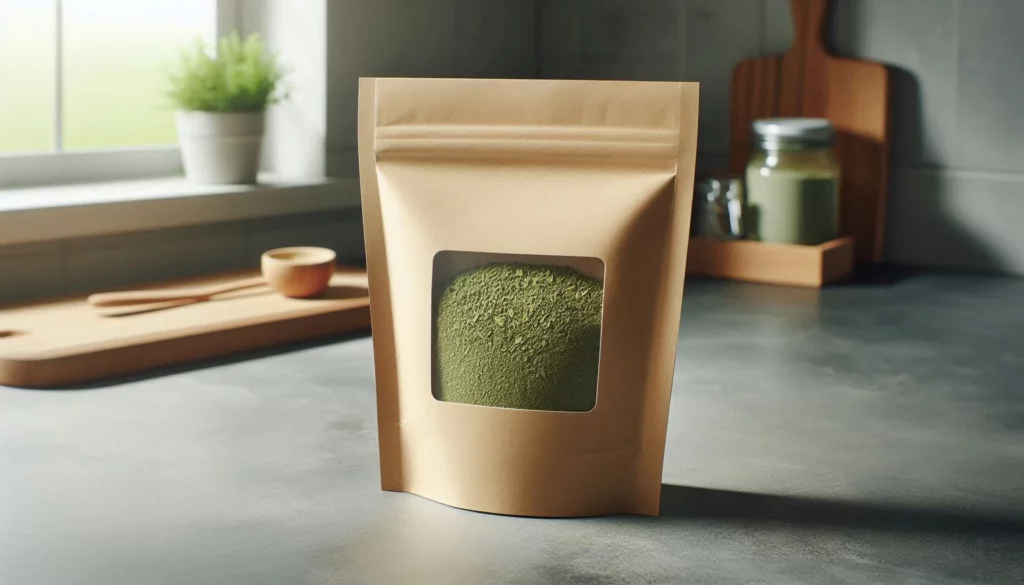
The packaging you choose for kratom plays a critical role in preventing alkaloid breakdown. Many vendors ship kratom in resealable bags or containers, but not all are designed for long-term storage. Thin plastic bags, for instance, may allow small amounts of air to seep through over time, especially if not sealed properly. When selecting packaging, prioritize materials that are durable, airtight, and light-resistant.
Glass jars with rubber gaskets or metal tins with secure lids are ideal for long-term storage. These materials are less permeable to air than plastic and provide better protection against environmental factors. If you receive kratom in less-than-ideal packaging, transfer it to a more suitable container as soon as possible to preserve its quality.
Some users opt for mylar bags, which are commonly used for food storage. These bags are thick, flexible, and often include a layer of foil to block light and air. When combined with a vacuum sealer, mylar bags offer excellent protection against kratom alkaloid breakdown, making them a popular choice for bulk storage.
The Broader Implications of Kratom Alkaloid Breakdown
Kratom alkaloid breakdown isn’t just a concern for individual users; it also has implications for vendors, researchers, and the broader kratom community. For vendors, ensuring that kratom is packaged and stored properly before it reaches customers is critical for maintaining product quality. Reputable suppliers take steps to minimize air exposure during processing and shipping, such as using vacuum-sealed or nitrogen-flushed packaging to displace oxygen.
For researchers studying kratom’s properties, alkaloid degradation can complicate efforts to understand the plant’s effects. Inconsistent alkaloid profiles due to improper storage can lead to variability in experimental results, making it harder to draw reliable conclusions. This underscores the importance of standardized storage protocols in scientific settings.
For the kratom community as a whole, understanding alkaloid breakdown fosters a deeper appreciation for the plant’s complexity. By learning how to store kratom properly, users can maximize its benefits and contribute to a culture of responsible use. Sharing knowledge about preservation techniques can also help dispel myths and misinformation, promoting a more informed and engaged community.
The Science of Kratom Preservation: What’s Next?
As interest in kratom grows, so does the need for research into its preservation. While we know that air exposure triggers kratom alkaloid breakdown, there’s still much to learn about the specific mechanisms and rates of degradation for different alkaloids. Future studies could explore how individual alkaloids respond to oxygen exposure, potentially identifying which compounds are most vulnerable and why.
Advances in packaging technology may also offer new solutions for kratom preservation. For example, innovations in oxygen-absorbing materials or smart packaging that monitors environmental conditions could revolutionize how kratom is stored and shipped. These developments would benefit both vendors and consumers, ensuring that kratom remains consistent and effective from harvest to use.
Until then, the responsibility lies with users to adopt best practices for storage and handling. By understanding the science behind kratom alkaloid breakdown and taking proactive steps to prevent it, you can enjoy the full benefits of this remarkable plant for longer.

FAQ
Q: How can I tell if my kratom has undergone alkaloid breakdown?
A: Signs of kratom alkaloid breakdown include a faded colour, a stale or musty aroma, and reduced potency in its effects. Clumping or stickiness in powder form may also indicate moisture-related degradation.
Q: Does the type of kratom strain affect how quickly alkaloids break down?
A: While all kratom strains are susceptible to alkaloid breakdown, the rate can vary slightly due to differences in alkaloid composition. Strains with higher mitragynine content may degrade differently than those with more 7-hydroxymitragynine, but storage conditions like air exposure have a greater impact than strain type.
Q: Can I store kratom in the freezer to prevent alkaloid breakdown?
A: Freezing can help preserve kratom by slowing oxidation, but it must be stored in an airtight, moisture-proof container to prevent condensation. Improperly sealed kratom in a freezer can absorb moisture, which may accelerate degradation or lead to mold growth.
Q: Is it worth investing in specialized storage equipment for kratom?
A: For frequent users or those storing large quantities, investing in vacuum sealers or high-quality airtight containers can be worthwhile. These tools significantly reduce air exposure, extending kratom’s shelf life and maintaining its quality over time.
Q: Can degraded kratom be restored to its original potency?
A: Once kratom alkaloids have broken down due to oxidation, their potency cannot be restored. The chemical changes are irreversible, which is why proper storage from the start is essential to preserve the plant’s original properties.
Conclusion
Kratom alkaloid breakdown is a natural process driven by air exposure and other environmental factors, but it’s one that can be managed with care and knowledge. By understanding the chemistry of kratom’s alkaloids, the role of oxygen in their degradation, and the best practices for storage, you can protect your kratom’s potency and quality. Whether you’re storing a small personal supply or a larger bulk purchase, simple steps like using airtight containers, controlling temperature and humidity, and minimizing light exposure can make a significant difference.
Kratom’s unique properties have made it a valued plant for many, and preserving its alkaloids ensures that its benefits remain intact. By taking the time to store your kratom properly, you’re not just protecting a product; you’re honouring the complexity and potential of a plant that has been cherished for generations. With the right approach, you can keep kratom alkaloid breakdown at bay and enjoy a consistent, high-quality experience every time.
Disclaimer
The information provided in this blog about kratom alkaloid breakdown and its preservation is intended for educational and informational purposes only. It is not intended to serve as medical advice, diagnosis, or treatment. Kratom (Mitragyna speciosa) and its alkaloids have not been approved by Health Canada or other regulatory bodies for any medical use, and their safety, efficacy, and long-term effects are not fully established.
The use of kratom may carry health risks, including potential side effects, interactions with medications, or risks of dependency, and it should only be used under the guidance of a qualified healthcare professional. Individuals with pre-existing medical conditions, pregnant or nursing individuals, or those taking medications should consult a physician before using kratom. Improper storage or consumption of degraded kratom may lead to reduced efficacy or, in rare cases, health risks such as contamination from mold or bacteria.
The reader assumes full responsibility for any decisions made regarding kratom use or storage based on this information. Always source kratom from reputable vendors, ensure proper storage conditions, and exercise caution to prioritize health and safety.