
Skip to content
Black Canadian flag.
Pharmakeia logo, click to return to homepage
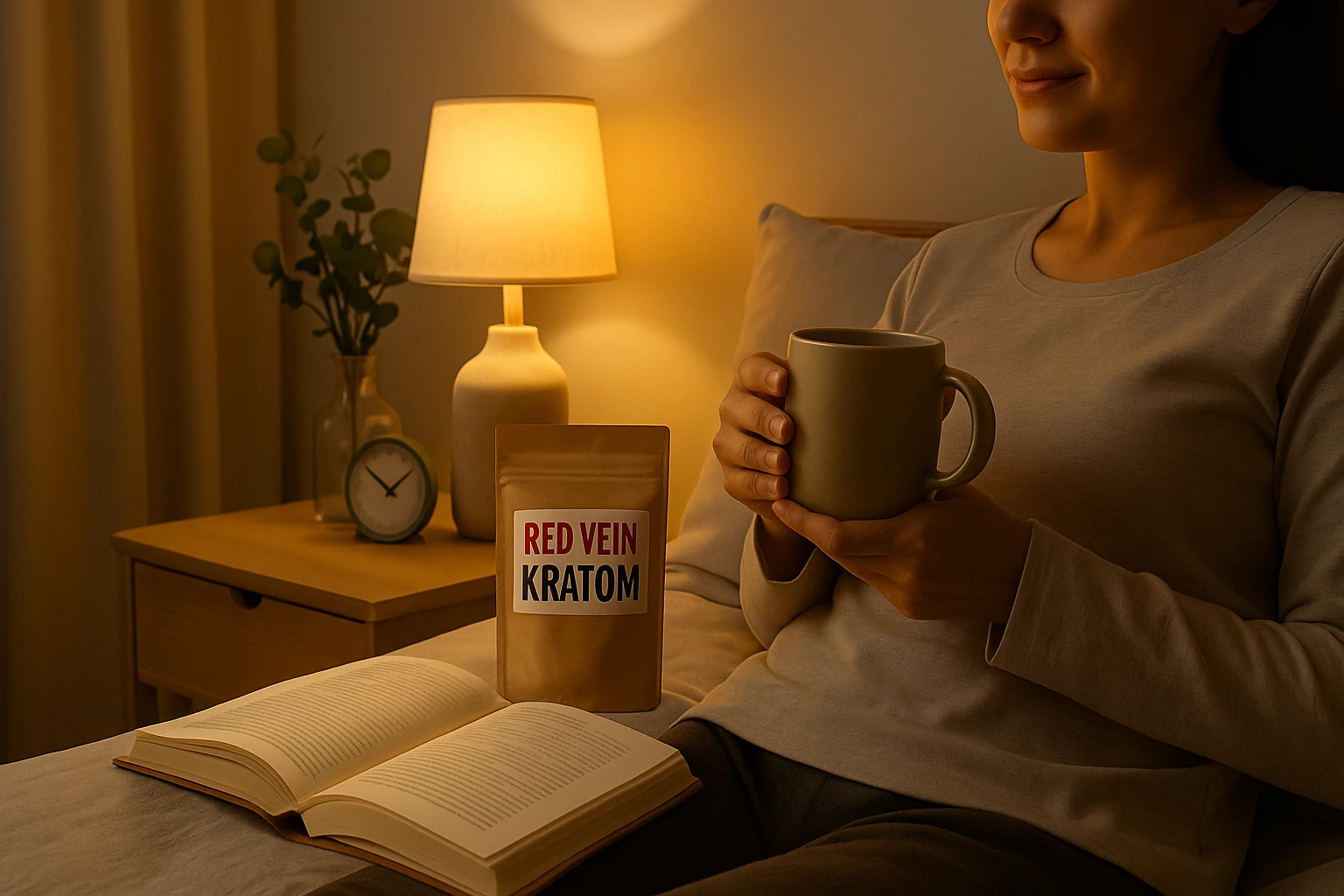
A person holding a tea cup, a bag of red vein kratom and an open book highlighting nontraditional kratom uses

Uncovering Nontraditional Kratom Uses: 7 Surprising Benefits

Kratom has long been valued for its potential to ease physical discomfort and lift spirits. However, the scope of nontraditional kratom uses extends far beyond these well-known applications, offering a spectrum of benefits that are only now gaining attention in modern wellness circles. While many associate kratom with pain relief or mood support, its versatility as a botanical invites exploration into less conventional roles. From promoting restful sleep to enhancing sociability, kratom’s diverse properties make it a compelling option for those seeking natural ways to enrich their lives.


Understanding Kratom’s Roots

Before getting into the topic of kratom and its nontraditional uses, it’s helpful to grasp their origins. Known scientifically as Mitragyna speciosa, it thrives in the humid forests of Thailand, Malaysia, and Indonesia. For centuries, Southeast Asian communities have used its leaves, chewed fresh or brewed into teas, to support various aspects of daily life. The plant’s active compounds, particularly mitragynine, interact with the body to produce effects that vary by strain and dosage, ranging from calming to mildly stimulating.

While kratom’s traditional uses are well-documented, its growing popularity in the West has sparked interest in novel applications. Users are discovering that kratom’s effects can extend into areas like cognitive support, social ease, and relaxation, offering benefits that align with modern needs. Below, we explore seven nontraditional kratom uses that showcase its adaptability.


1. Supporting Sleep Quality Through Relaxation

One of the most intriguing nontraditional kratom uses is its potential to promote restful sleep through gentle relaxation. Unlike its traditional role as a stimulant for labourers, certain kratom strains, particularly red vein varieties, are reported to create a calming state that helps users unwind without the heavy sedation associated with higher doses or pharmaceutical sleep aids. This makes kratom a potential ally for those who struggle with falling asleep or maintaining restful sleep due to stress or restlessness.

Users describe this effect as a subtle easing of mental and physical tension, allowing the body to transition naturally into sleep. Unlike sedatives that may leave users groggy, kratom’s relaxation-focused strains can support a refreshed waking state when used mindfully. This application is particularly appealing for individuals seeking natural alternatives to improve sleep hygiene, especially in a world where stress often disrupts rest.


2. Enhancing Cognitive Clarity

Kratom’s potential to support cognitive clarity is another nontraditional use gaining traction. Beyond its traditional role in sustaining physical stamina, some users report that specific strains, often green or white varieties in low doses, help sharpen mental focus and streamline thought processes. This effect is distinct from mood enhancement, focusing instead on the mind’s ability to tackle complex tasks or maintain concentration during demanding activities.

For instance, someone preparing for a strategic meeting or studying intricate material might find kratom aids in organizing thoughts clearly. This use is not about replacing healthy cognitive habits like adequate rest or nutrition but rather complementing them with a natural tool. Anecdotal accounts suggest kratom can create a state of mental alertness that feels smooth and sustainable, making it a unique option for those exploring plant-based cognitive support.

 

An artist's workspace featuring a bowl of kratom powder, paintbrushes, watercolour palettes, and a colourful abstract painting.
Artist’s desk adorned with a bowl of kratom powder and an array of painting supplies.


3. Promoting Sociability and Confidence

Kratom has a lesser-known role in fostering sociability, a nontraditional use rooted in its cultural history. In Southeast Asia, kratom was sometimes consumed during community gatherings, much like kava or alcohol in other cultures, to encourage connection and ease social interactions. Modern users report that moderate doses of certain strains can reduce social inhibitions, making conversations feel more natural and engaging.

This effect is particularly valuable for individuals who feel hesitant in social settings or struggle with shyness. Kratom’s ability to create a relaxed yet uplifted state can help users feel more confident without the disorientation associated with other substances. This application focuses on enhancing authentic social experiences, offering a natural way to navigate group settings or networking events with greater ease.


4. Aiding Physical Endurance for Active Lifestyles

While kratom’s traditional use supported labourers’ stamina, its nontraditional application in modern fitness contexts is noteworthy. Some outdoor enthusiasts and athletes are exploring kratom as a natural aid for endurance-based activities like hiking, running, or yoga. Unlike its historical role in grueling manual labour, this use focuses on supporting recreational or fitness pursuits, where sustained effort is key.

Kratom’s potential to enhance physical endurance comes from its ability to create a balanced sense of energy and focus, particularly with green vein strains. Users report that it helps them push through longer workouts or outdoor adventures without the overstimulation of synthetic pre-workout supplements. This application appeals to those who prioritize plant-based solutions and seek to enhance their active lifestyles naturally.


5. Encouraging Creative Inspiration

Creativity is another area where kratom’s nontraditional uses shine. Artists, writers, and musicians have shared that certain strains help them access a flow state, where ideas emerge with greater ease. This effect likely stems from kratom’s ability to balance stimulation and relaxation, creating a mental environment conducive to creative exploration. Unlike substances that might cloud clarity, kratom is often described as fostering a clear-headed sense of inspiration.

For example, a graphic designer might use kratom to stay immersed in a project, while a poet might find it helps overcome writer’s block. This application is less about achieving a specific creative output and more about cultivating a mindset where imagination can thrive. It’s a subtle yet powerful way kratom is being woven into the lives of those who value artistic expression.


6. Facilitating Mindful Relaxation

Another nontraditional kratom use is its ability to facilitate mindful relaxation without heavy sedation. While higher doses of kratom are known for their calming effects, smaller amounts of specific strains can help users unwind while remaining mentally present. This is distinct from its traditional sedative uses, as it focuses on creating a state of calm awareness suitable for activities like meditation, journaling, or light reading.

This application is particularly appealing for those seeking natural ways to de-stress without disconnecting from their responsibilities. For instance, someone might use kratom to ease into an evening of reflection or to enhance a mindfulness practice. By promoting relaxation without dulling the mind, kratom offers a unique tool for those exploring holistic wellness routines.


7. Assisting with Appetite Regulation

Kratom’s potential to influence appetite is a lesser-known nontraditional use. In its native regions, kratom was occasionally used to curb hunger, particularly among workers who needed to sustain energy without frequent meals. Modern users report that certain strains may help manage cravings or promote a balanced approach to eating, which can support mindful eating habits or weight management goals.

This effect is not about suppressing appetite unnaturally but rather creating a sense of satisfaction that reduces the urge to overeat. For individuals working to establish healthier eating patterns, kratom’s subtle influence on appetite could serve as a complementary tool when paired with a balanced diet and lifestyle. This use highlights kratom’s versatility in addressing modern wellness challenges.


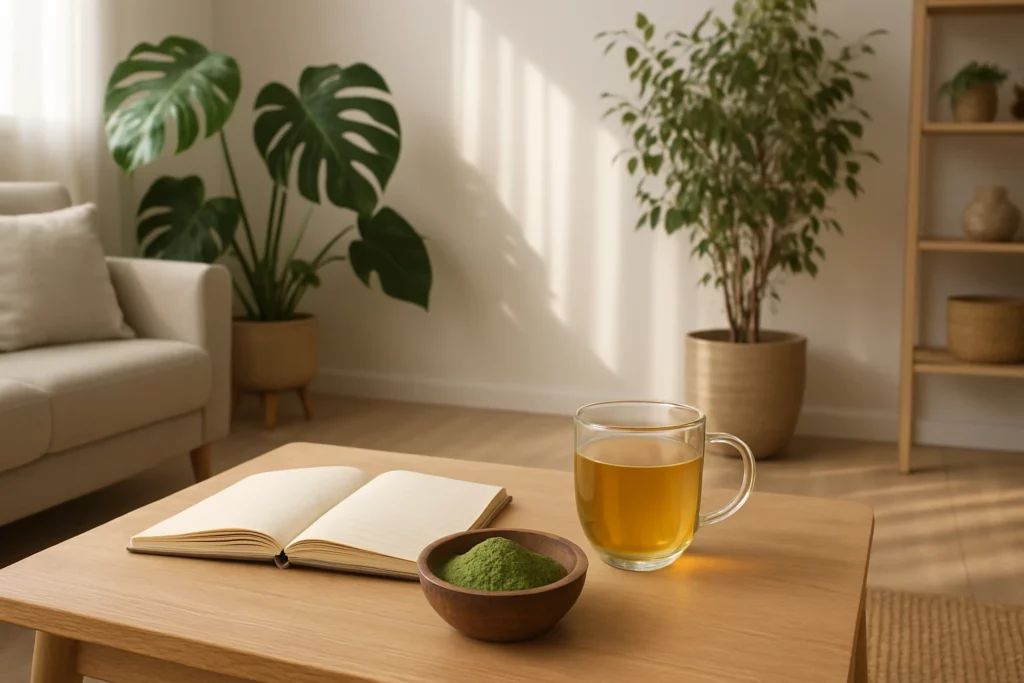
Serene living room featuring a wooden table with a bowl of kratom powder, a glass of tea, and an open notebook, surrounded by lush indoor plants
A peaceful room with a wooden table holding kratom powder in a bowl, a steaming glass of tea, and an open notebook amidst natural decor.


The Role of Strains and Dosage

Kratom’s nontraditional uses are shaped by its variability. Different strains, red, green, and white, produce distinct effects, and dosage plays a critical role. Red vein strains are often linked to relaxation and sleep support, while green and white strains may lean toward cognitive or social benefits. Low doses, typically 1 to 5 grams, usually yield stimulating or uplifting effects, while higher doses may promote calm but risk sedation, which could counteract some nontraditional applications.

Individual physiology also influences how kratom is experienced. What works for one person may differ for another, so users exploring nontraditional uses should start with small amounts and adjust based on their body’s response. This mindful approach ensures kratom’s benefits are maximized while minimizing potential side effects.


Using Kratom Responsibly

Exploring nontraditional kratom uses demands care and awareness. While anecdotal reports highlight its potential, kratom’s effects are not universally standardized, and quality varies by source. Sourcing kratom from reputable vendors ensures purity and safety, as low-quality products can pose risks. Consulting a healthcare professional is advisable, especially for those with medical conditions or who use other substances.

Moderation is essential to avoid side effects like nausea or tolerance. Users can benefit from rotating strains and taking breaks to maintain kratom’s effectiveness. By approaching kratom with intention and respect, individuals can explore its nontraditional benefits while prioritizing their well-being.


FAQ

Q: What makes a kratom use “nontraditional”?
A: Nontraditional kratom uses refer to applications beyond its historical roles in pain relief, mood enhancement, or physical stamina for labour. These include modern uses like supporting sleep quality, enhancing cognitive clarity, fostering sociability, or aiding creative inspiration, which align with contemporary wellness and productivity goals.

Q: Can nontraditional kratom uses benefit everyone?
A: Kratom’s effects vary by individual due to factors like physiology, strain, and dosage. While some may find benefits in areas like relaxation or focus, others may respond differently. Starting with low doses and consulting a healthcare professional can help determine if kratom suits your needs.

Q: Are certain kratom strains better for nontraditional uses?
A: Yes, different strains offer distinct effects. Red vein strains are often used for relaxation and sleep support, while green and white strains may enhance cognitive clarity or sociability. Experimenting cautiously with strains can help identify the best fit for specific nontraditional applications.

Q: How does kratom support mindful relaxation without sedation?
A: In small doses, certain kratom strains promote a state of calm awareness, allowing users to unwind while staying mentally engaged. This differs from higher doses, which may cause sedation, making it suitable for activities like meditation or reflective practices.

Q: Is it safe to explore nontraditional kratom uses long-term?
A: Long-term use requires caution, as kratom’s effects are not fully studied. Moderation, rotating strains, and periodic breaks can help minimize risks like tolerance or side effects. Always source kratom from reputable vendors and consult a healthcare provider for personalized advice.

Q: Can kratom’s nontraditional uses replace other wellness practices?
A: Kratom should complement, not replace, healthy practices like proper sleep, nutrition, or exercise. Its nontraditional uses, such as supporting creativity or appetite regulation, work best as part of a balanced lifestyle, enhancing rather than substituting core wellness habits.

Q: How do I start exploring nontraditional kratom uses safely?
A: Begin with a low dose, typically 1 to 2 grams, and choose a strain aligned with your goal, such as red vein for relaxation or green for focus. Monitor your body’s response, source quality kratom, and seek professional guidance to ensure safe exploration.


Hiker in red shirt resting against a tree, holding a water bottle, with majestic mountains and a clear sky in the background.
Hiker pausing on a trail, sipping from a water bottle, surrounded by lush greenery and towering mountain peaks under a bright sun.


Conclusion

Nontraditional kratom uses reveal the plant’s remarkable adaptability, extending beyond its familiar roles in pain relief and mood support. From promoting restful sleep to enhancing cognitive clarity, sociability, and creative inspiration, kratom offers a range of benefits that resonate with modern lifestyles. Its ability to support physical endurance, mindful relaxation, and appetite regulation further underscores its potential as a versatile botanical.

As you explore these nontraditional uses, approach kratom with curiosity and caution. Its effects are deeply personal, shaped by strain, dosage, and individual response. By using kratom thoughtfully and staying informed, you can unlock its surprising benefits while honoring its rich cultural legacy. Whether you’re seeking a natural aid for relaxation or a boost for creative pursuits, kratom’s diverse applications invite you to discover its potential in ways that enrich your daily life.


Disclaimer

The information provided in this blog about nontraditional kratom uses is for educational and informational purposes only and should not be considered medical advice. Kratom (Mitragyna speciosa) is a botanical substance that has not been fully evaluated by regulatory bodies like Health Canada for safety, efficacy, or quality. The potential benefits described, such as supporting sleep, cognitive clarity, sociability, or other wellness goals, are based on anecdotal reports and limited historical use.

Kratom may interact with medications or other substances and could pose risks, including side effects like nausea, dizziness, or dependency with prolonged use. Individuals with pre-existing medical conditions, pregnant or breastfeeding women, or those taking prescription medications should consult a qualified healthcare professional before using kratom. Safety considerations include sourcing kratom from reputable vendors to avoid contamination and using it in moderation to minimize potential adverse effects.

The authors and publishers of this blog are not responsible for any consequences arising from the use of kratom or reliance on the information provided. Always prioritize informed decision-making and professional medical guidance when exploring kratom or any supplement.

📢 News & Announcements

Last Updated: December 6th, 2025, 9:50 AM PST

📦 Shipping Update: Canada Post Operations Normalized

Rotating strikes have ended and Canada Post is now operating at full capacity with normal delivery timelines.

Negotiations continue, but services are fully restored with no current disruptions.

We will post updates only if significant changes occur. Thank you for your patience.